
How Guillermo del Toro Turned Frankenstein’s Monster into a Superhero

Guillermo del Toro has long favored stories that bend sympathy toward the monstrous, and his new adaptation of Mary Shelley’s Frankenstein continues that impulse. Where many directors underline human cruelty, del Toro sees the Creature’s interior life and recasts it in surprising, contemporary terms: here, Shelley’s tormented being is rendered with the cadence and tension of a tragic, near-immortal hero.
At first glance that might sound like a misread — a comic-book gloss on a canonical Gothic text — but del Toro’s approach is more subtle than mere pastiche. Instead of flattening the Creature into an action-figure, the film amplifies his physical capacities (strength, endurance, an uncanny regenerative ability) in order to probe the emotional consequences of an existence that refuses death. The result feels less like a superhero rewrite and more like a thought experiment on what immortality does to identity and sorrow.
Jacob Elordi’s Creature awakens mute, bewildered, and physically imposing, learning speech and empathy as he discovers the world carved out for him. Del Toro leans into the paradox that made Shelley’s novel enduring: a being created by scientific hubris who nonetheless shows a more humane interior than many of his makers. Yet this Creature’s gifts are also wounds — his near-invulnerability isolates him, turns suffering into a permanent condition rather than an experience with an ending.

Del Toro stages the Creature’s power in set pieces that blend horror and action. An extended sequence aboard an icebound ship finds the Creature pursuing his creator, Victor (Oscar Isaac), and dispatching assailants with a terrible, physical certainty: bodies are hurled aside, machinery is upended, and conventional weapons do little. These scenes could have slipped into spectacle for its own sake, but under del Toro’s lens they become melancholic examinations of what it means to be unstoppable and alone.
That tonal precision keeps the film from collapsing into the mid-decade trend of franchise-minded monster reboots that traded nuance for adolescent swagger. Instead of leaning on gamified violence, del Toro treats the Creature’s abilities as a dramatic engine: they intensify his alienation and sharpen the ethical question at the movie’s center — who, in fact, is monstrous?
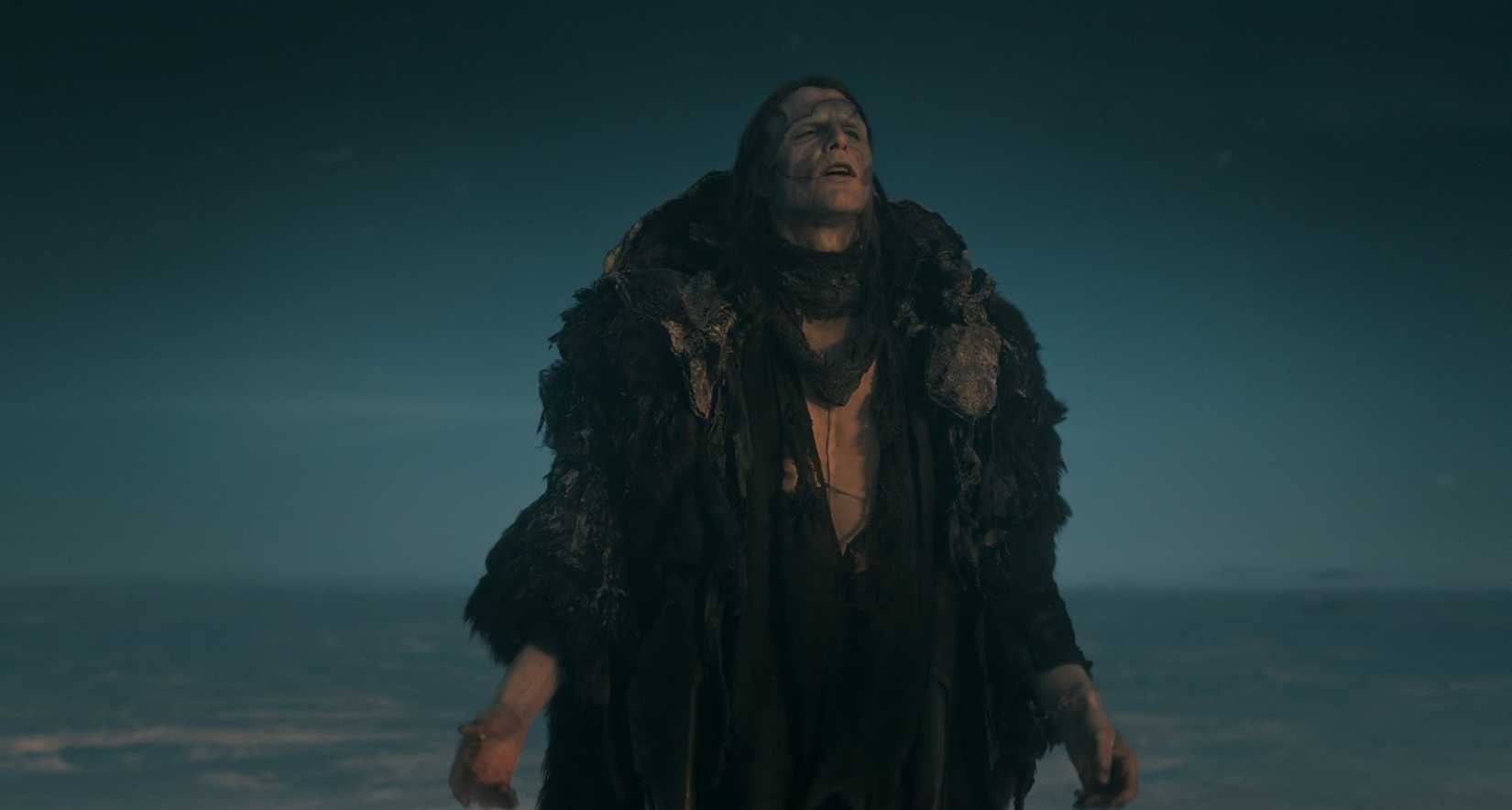
Del Toro’s film also situates the Creature in a lineage of literary and comic hybrids — from the tortured Banner/Hulk to the Thing’s outsider pathos — without reducing him to a pastiche. The amplification of superhuman traits makes the Creature’s longing and rage more legible: his extraordinary body both protects him and condemns him to an unending solitude. The film interrogates the melancholy at the core of any being denied the relief of mortality.
Focusing so insistently on the Creature’s perspective does leave Victor’s portrait somewhat attenuated, even if Oscar Isaac brings a fierce, volatile energy to the role. But that narrative choice is deliberate: by centering the Creature’s interiority, del Toro forces viewers to confront the moral imbalance between creator and creation, and to ask — without easy answers — who truly embodies monstrosity.
Ultimately, del Toro succeeds in turning a familiar Gothic tale into a contemporary parable about power, empathy, and the cost of being unable to die. His Frankenstein is neither a conventional superhero origin nor a simple horror riff; it’s a somber, visually ravishing meditation on what it means to be made — and then made to endure.
Guillermo del Toro’s Frankenstein is currently streaming on Netflix.
Source: Polygon
Related articles
 Ryan Reynolds’ “Mayday” receives positive reviews from critics
 Michael Keaton to Direct Western Starring Morgan Freeman
 “Daddy’s Daughters” wedding sequel to be released in 2027
 Halle Berry and Colin Firth to Star in New Rom-Com
 Netflix Begins Filming New Dan Brown Adaptation
 Spider-Noir series canceled after first season
 Actors cast as Dobby and Tom Riddle for Harry Potter season two
 International “Doker” Film Festival Kicks Off in Moscow