
One Piece’s new chapter hides a major mystery in plain sight—and it’s worth decoding

The Italian author Italo Calvino famously remarked that a translator is an author’s greatest ally, highlighting how translation allows literature to transcend its native borders. However, true translation is far more than a simple word-for-word swap—a reality that remains a significant hurdle for even the most advanced AI. Linguistic nuances frequently evaporate during conversion, a challenge particularly evident when dealing with the intricate wordplay of Eiichiro Oda’s One Piece. Devoted fans understand that Oda thrives on the complexities of Japanese, and not every linguistic cleverness translates perfectly to a global audience.
Chapter 1180 of One Piece has sent shockwaves through the community, and for good reason. We finally witnessed the series’ ultimate antagonist, Imu, in action. The display of power was nothing short of ruthless, as Imu effortlessly neutralized both Zoro and Sanji in a single strike. Seeing the Straw Hats’ premier combatants—the “wings of the Pirate King”—dealt with so dismissively was a surprise, yet it serves as a testament to Oda’s masterful grasp of shonen conventions. While Imu’s abilities remain shrouded in mystery, an examination of the original Japanese text reveals a fascinating layer that was lost in the English adaptation.

In the chapter, Imu deploys a technique identified as “omen,” a versatile power capable of everything from healing allies to unleashing devastating black flames. While the English translation is technically accurate, the original Japanese text uses the kanji 魔気, phonetically read as “maki.” To ensure readers know how to pronounce it, Oda includes the katakana “omen” as a reading aid. The kanji for “ma” refers to a demon or malevolent spirit, while “ki” signifies energy or spirit. This terminology resonates deeply with long-time readers, as it draws an immediate, intentional parallel to the series’ established power system: haki.

Usually interpreted as “ambition,” haki (written as 覇気) is the definitive power source for the strongest characters in the One Piece world. The character for “ha” denotes victory or supremacy, and it shares the same “ki” character found in Imu’s “maki.” This cannot be a mere coincidence; Oda is meticulous, ensuring that even the most minute details carry weight. Experts like Artur from the Library of Ohara and sandman have highlighted this linguistic connection, suggesting that “Omen” is far more than just an attack name—it is a thematic signpost.
The core implication is that “maki” acts as a dark, corrupted, or primordial antithesis to “haki.” Perhaps haki was originally cultivated by ancestors to combat Imu’s malevolent energy. We saw during the Egghead climax that Joyboy’s haki, contained within the Iron Giant Emet, could effortlessly dispel the power of the Five Elders. Given that these powers originate from Imu, the contrast between the two energies becomes central to the series’ endgame.

Whether Imu’s abilities stem from a Devil Fruit or something more arcane remains an open question. Regardless, this detail in Chapter 1180 serves as a reminder that manga is far more than a visual spectacle; it is a medium for deep literary craft. Oda is a master storyteller who utilizes the inherent flexibility of the Japanese language to weave layers of meaning that extend well beyond the surface level of the plot.
Source: Polygon
Related articles
 Polish Police Release Details on Teen Who Recreated School in Roblox and Simulated Attack
 Nintendo Will Keep Physical Copies Unlike PlayStation
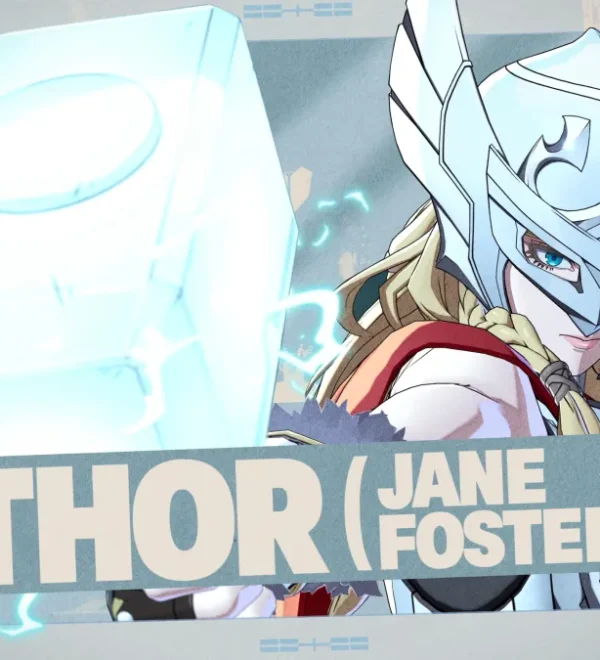 Jane Foster, Venom, and Jubilee Join Marvel Tōkon: Fighting Souls as Year 1 DLC
 Marvel Releases Praise-Filled Trailer for Vision Quest Ahead of Release
 Resident Evil Sets New Box Office Records
 Zach Cregger Sci-Fi Thriller Receives Promising Update
 Disney Reveals Percy Jackson Season 3 Release Schedule
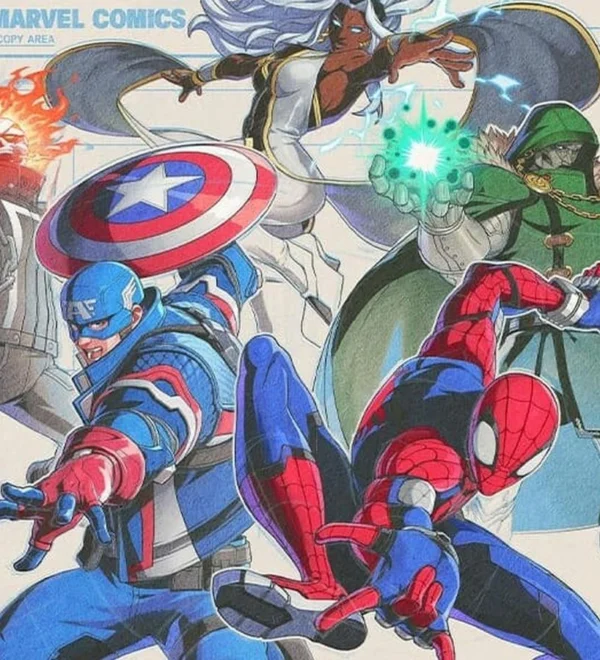 Marvel Tōkon: Fighting Souls to Add Four New Characters and Arena