
How the Cast and Crew of Alien: Earth Brought Its Creatures to Life

Cameron Brown remembers being unsure how the creature would move when he first watched the Alien: Earth “eyeball” alien crawl on screen. Though he shared scenes with a fully CGI creature, the prosthetics team supplied a tactile prop — a practical stand-in — so performers could react to something real on set.
The 24-year-old actor, who portrays one of the adult Xenomorphs, performed opposite a mix of practical pieces and digital effects. Lead prosthetics designer Steve Painter explains that much of what appears as CGI began life as a physical build: the visual effects were layered on top of tangible, sculpted elements whenever possible.
Even so, Brown admits the finished result surprised him. “Once the episodes aired and I saw how agile Noah and the effects teams made it on screen, I was genuinely taken aback,” he says.
To honor the franchise’s distinct aesthetic — a blend of retro-futurism and biological horror established by H.R. Giger — the art department and prosthetics crew leaned heavily on practical techniques. Set two years before the Nostromo incident, Alien: Earth needed to feel like an authentic piece of that universe, and the collaboration between Wētā Workshop, the prosthetics team, and suit performers was central to achieving that goal.
Conception
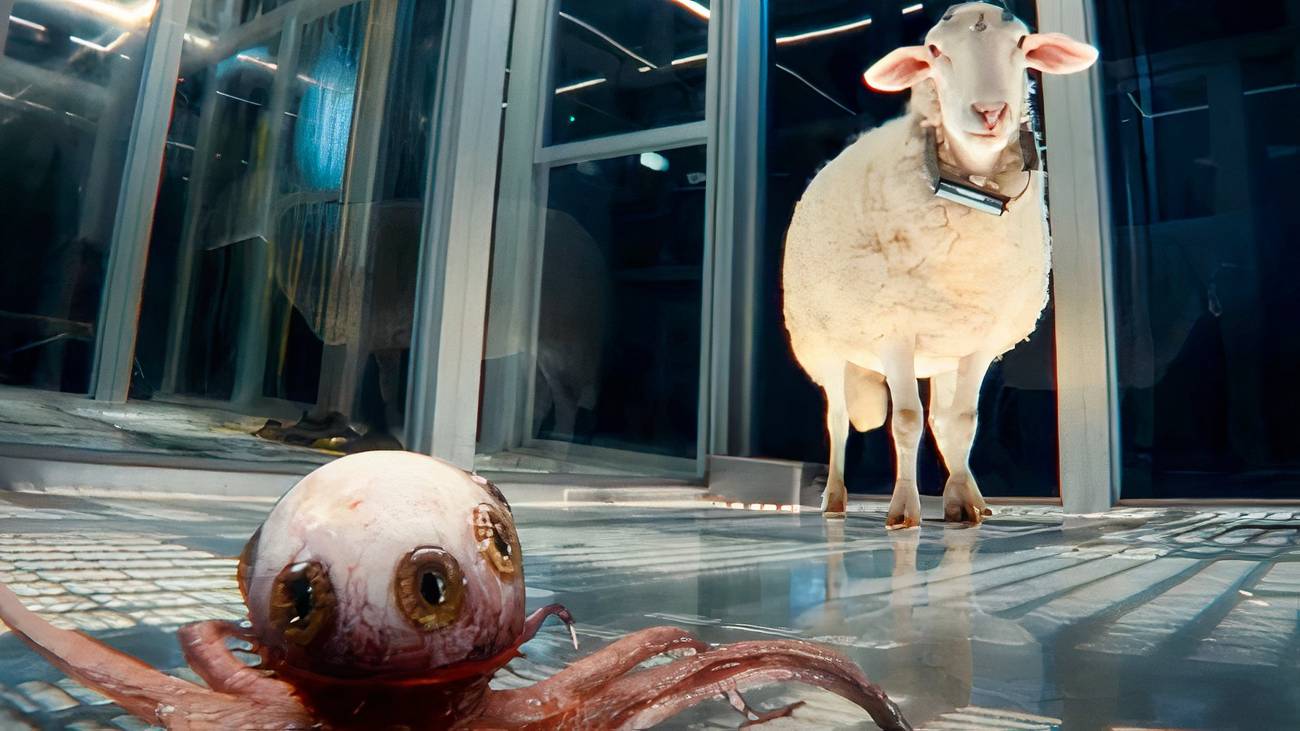
“Honestly, everything worried us — but most of all the Xenomorph,” says supervising art director Vaughan Flanagan. He and Wētā Workshop art director Joe Dunckley balanced fidelity to the original films with room to invent new creatures. While the Xenos demanded reverence to Giger’s visual code, other species, including the unsettling t. ocellus, allowed more creative freedom.
Because the series explores the Xenomorph life cycle up close, the team had to design variants that reflected altered gestation and experimentation. One sequence shows a tadpole-like organism incubated inside a injured human lung, producing a lesser-known stage of the Xeno cycle that the production nicknamed the “lung-buster.”
That unusual origin informed subtle cosmetic choices: Wendy’s personal Xenomorph, raised under atypical conditions, was intentionally desaturated and smaller than a standard adult. Dunckley notes he and Flanagan introduced sepia tones beneath the transparent dome to echo Giger’s original palette while indicating a modified, less-black physiology.
Once concepts were approved, the next hurdle was realizing them on set: suits, animatronics, and props had to read convincingly at camera — especially when sequences were shot in bright daylight with no shadows to conceal imperfections.
Creation
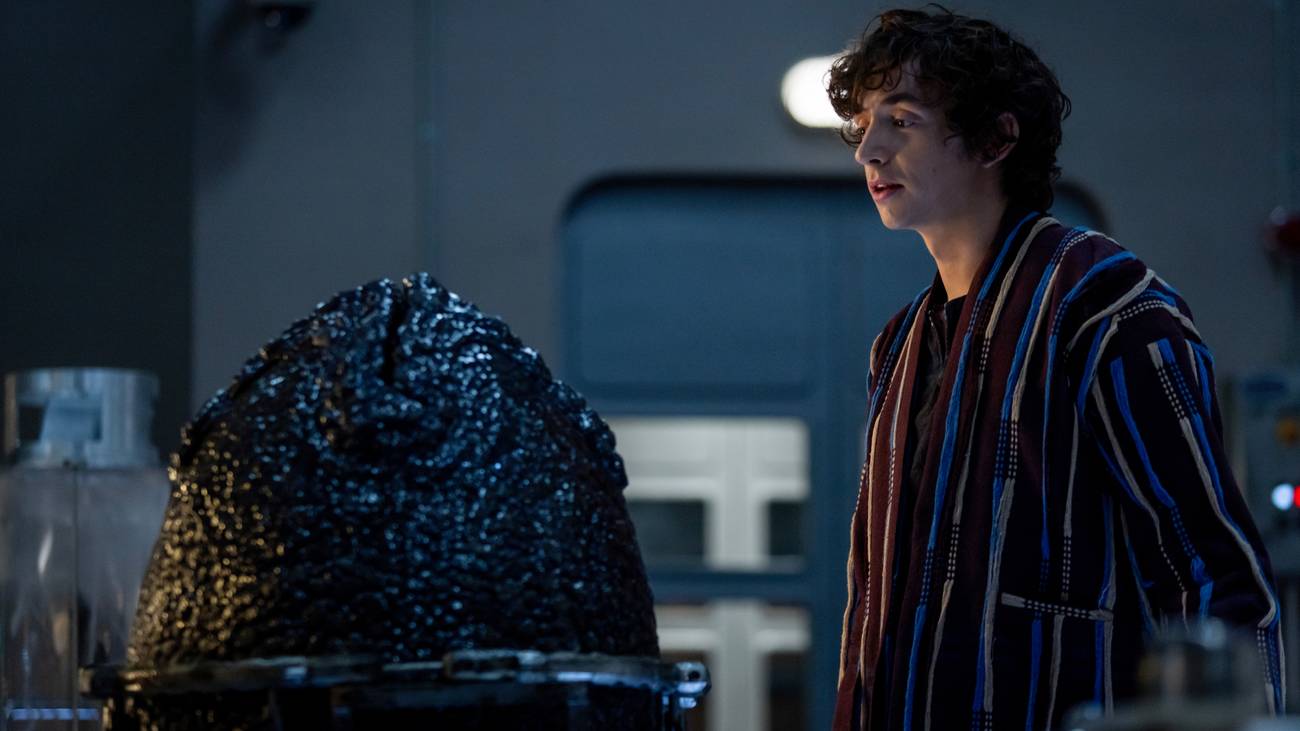
“You still see KY jelly on set from time to time,” Painter jokes — a nod to the original film’s improvised materials. The first Alien used everything from animal innards to foodstuffs to achieve convincing organic textures; on this production, modern, nonhazardous compounds like methylcellulose and specialized additives delivered the same stretchy, glistening qualities without unsafe residues.
Painter describes a small group of technicians who continuously tune the viscous mixtures so drool, egg membranes, and other wet effects perform reliably on camera. Those crew members were routinely covered in the goo they calibrated; it’s a meticulous but necessary craft.
One of the most complicated practical feats was a beachside chestburster sequence. Director Noah Hawley asked the team to honor Ridley Scott’s iconic original, but to expand it: rather than a dimly lit cabin, this scene unfolds in daylight with full-body coverage, demanding a prosthetic build that could withstand close scrutiny.
“Gore is often dismissed as simple, but to me it’s a form of sculpture,” Painter says. Recreating and escalating such a famous moment required technical rigor: twitching limbs, coordinated blood effects, and seamless cuts between studio close-ups and location-wide plates filmed on a Thai beach.
Execution
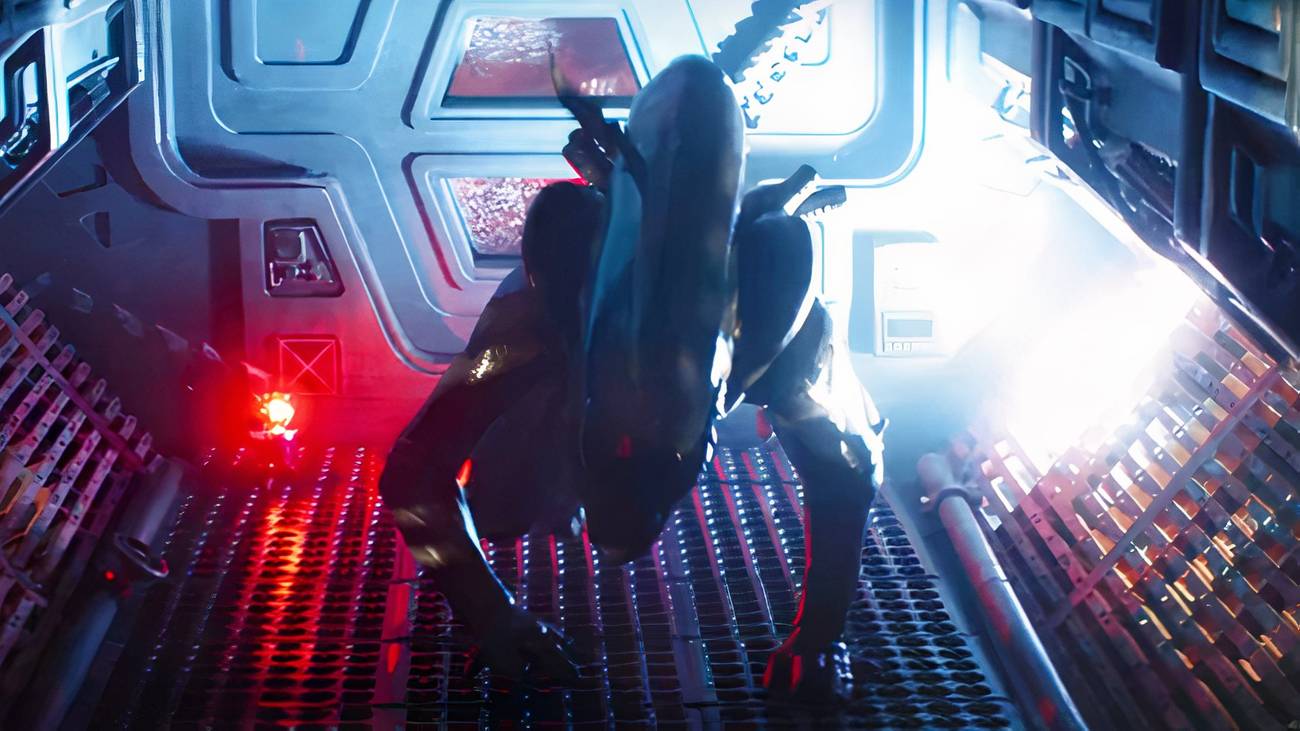
The pilot wastes no time: the Maginot crew is ambushed by an adult Xenomorph early on, a role Brown took seriously given the character’s cinematic pedigree. He spent two weeks in the suit and quickly learned the logistics of modern creature performance — the modular costume allowed faster changes and a surprising range of motion compared to earlier iterations.
Brown notes that roughly 90% of the creature work was practical; CGI polished and augmented where needed. For demanding sequences, the suit system offered interchangeable tails and leg rigs, including stilts, so the production could adapt the silhouette and gait for different shots.
Some sequences pushed the limits of physical performance: fights with hooks and rigged attachments translated directly through the performer’s neck and spine, requiring meticulous choreography to preserve believable articulation without injuring anyone. Brown describes those moments as tricky but exhilarating.
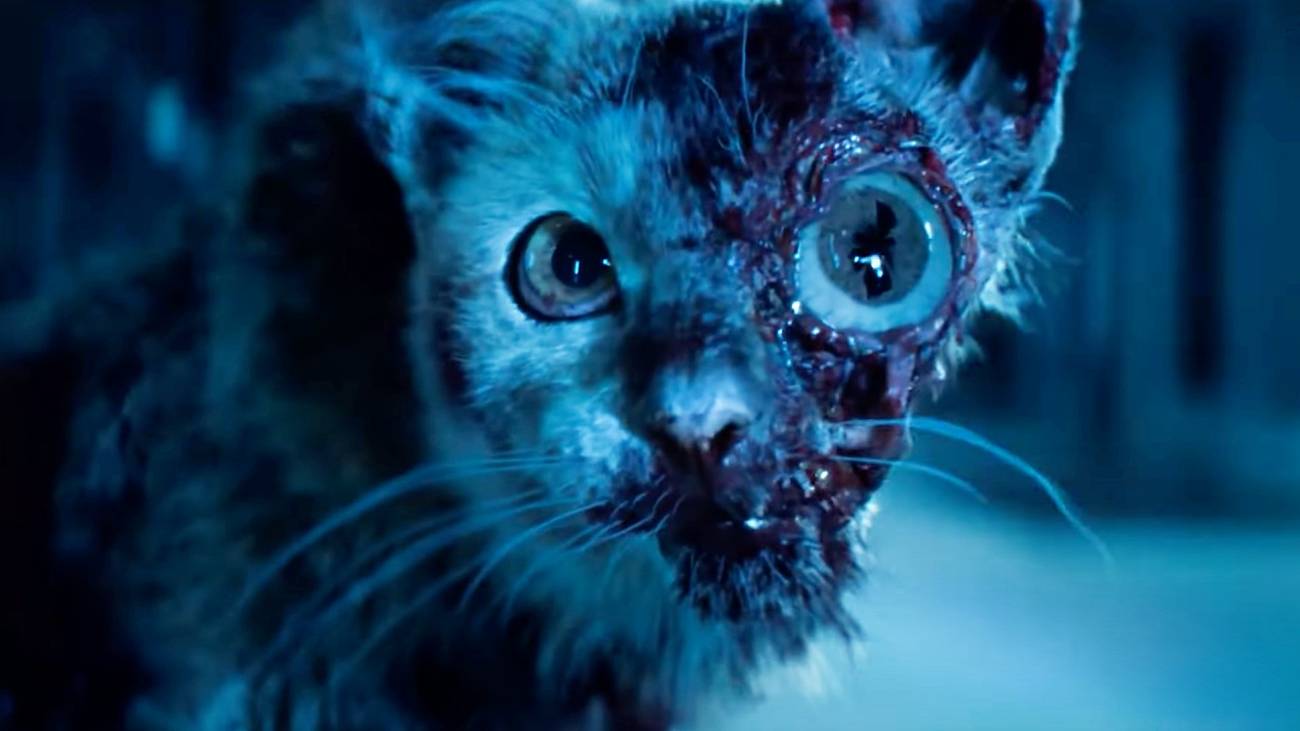
Although the Xenomorphs dominate the franchise’s mythology, many crew members say the small, intelligent t. ocellus — nicknamed the “Eye Midge” — stole scenes. Brown admits it’s his favorite new creature, praising its eerie behavior and surprising versatility. Working with Marco Witzig, who once assisted Giger, reinforced the team’s confidence that the designs honored the original spirit.
“Getting these creatures to feel both novel and faithful required constant conversation between sculptors, suit performers, and visual effects,” Dunckley says. In the end, that collaboration delivered monsters that feel both rooted in the franchise and fresh for a new generation.
Source: Polygon
Related articles
 Summer 2026 Becomes the Highest-Grossing Season in U.S. Box Office History
 Shadow Movie Screenings in Russia Face Shutdown
 Dance drama “The Art of Falling” to premiere on Okko in September
 Lilly Wachowski disavows involvement in the new “Matrix” film
 Kane Parsons to Return to The Backrooms
 First Emmy Award Winners Announced
 Robert Pattinson calls ‘The Batman’ sequel ‘radical’
 A24 to release documentary on Elizabeth Holmes