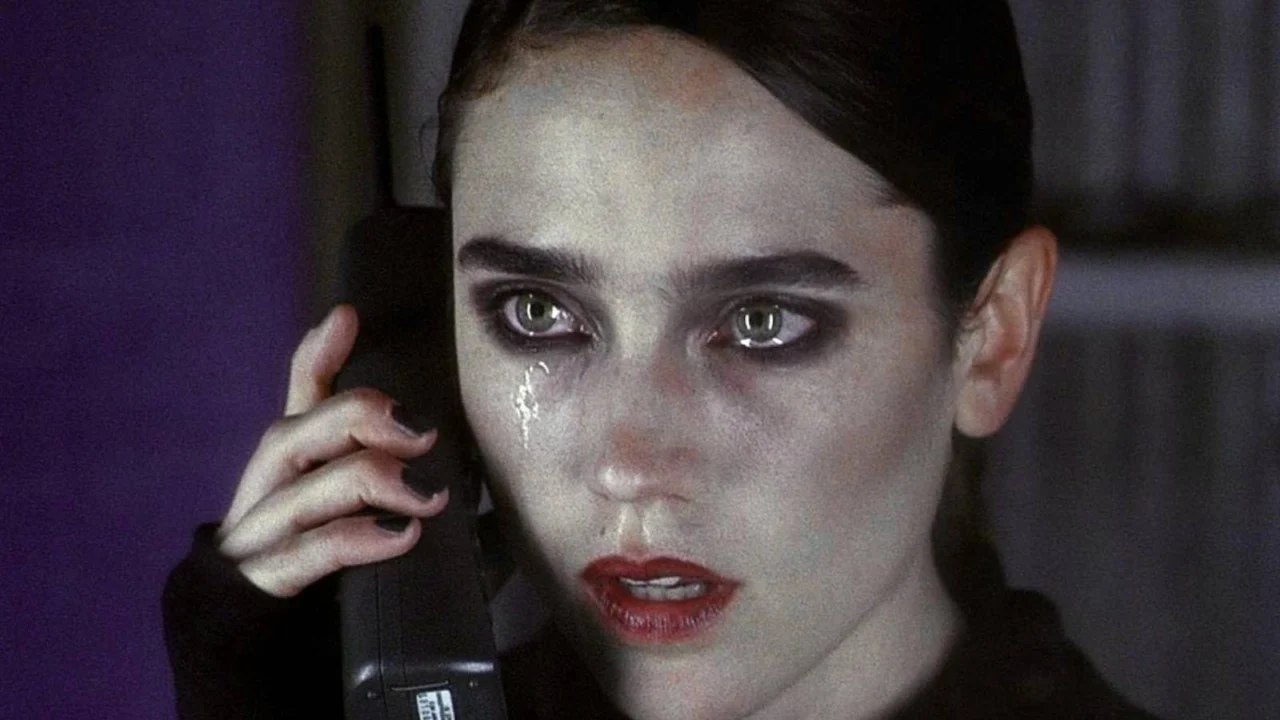
25 Years Later, Requiem for a Dream Remains the Scariest Non-Horror Film Ever

Horror wears many faces: sometimes it’s an enchanted toy or a creaking mansion, sometimes the restless residue of a spirit. But the most unsettling terror, to my mind, is human — the rot that begins inside a person and spreads outward. The real nightmare can be the mind itself.
This is precisely the territory Darren Aronofsky’s 2000 film Requiem for a Dream explores — a picture many debate as a horror film, yet one that, in its examination of addiction and self-destruction, feels every bit as terrifying as any supernatural thriller. Based on Hubert Selby Jr.’s novel, the film doesn’t depend on phantoms or objects to frighten; its dread comes from what people do to themselves and to those they love when they’re consumed by dependency.

We first encounter Harry Goldfarb (Jared Leto) trying to pawn his mother’s television. His mother, Sara (Ellen Burstyn), adores him, but in this opening moment Harry is already dominated by withdrawal and the compulsions that come with it. He prowls for cash not out of malice but out of a ravenous need — and Sara hides in the closet, clutching the key to the chained TV as if that small lock can protect her from the man her son becomes when the drugs take over.
Harry’s eyes are dilated, his shirt damp with sweat; guilt flickers across his face but is quickly eclipsed by the panic of opioid withdrawal. When he and his friend Tyrone (Marlon Wayans) trudge across the city to fence the set, any remaining remorse evaporates. The film avoids explicit naming — the substance is rarely spoken aloud — but we see the ritual: the spoon, the slow preparation, the needle. For a time, the hunger is quelled.
But it never lasts.

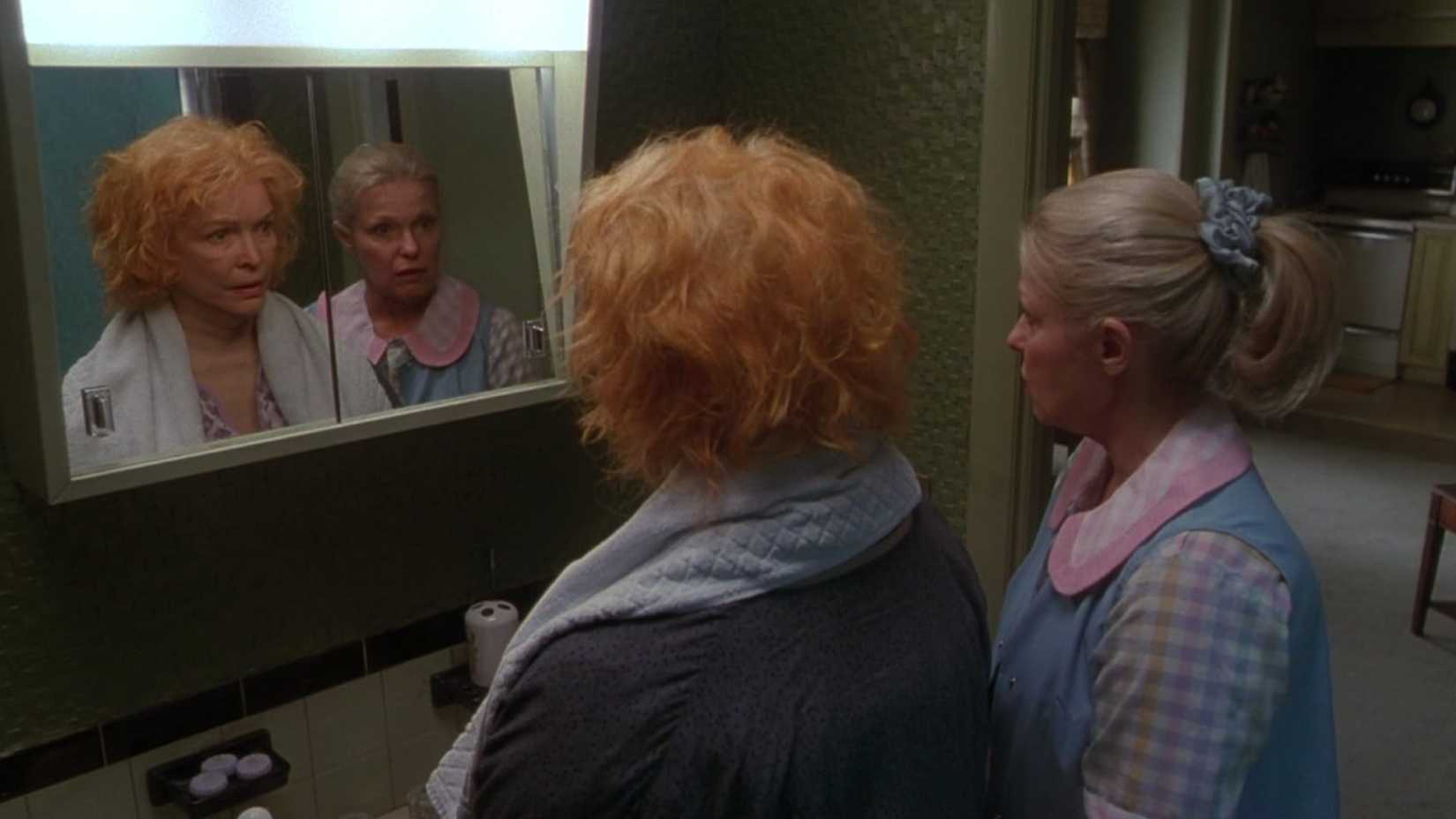
Sara’s own life is unraveling in a quieter, equally devastating way. Widowed and increasingly isolated, she leans on food and television for solace. Her favorite escape is a garish daytime program hosted by Tappy Tibbons (Christopher McDonald), a weight-loss pitchman whose show mixes gameshow spectacle with infomercial promises. When Sara receives a call telling her she’s been selected to appear on that show, she seizes the moment — determined to fit into a red dress from happier days and to be seen again.
Her attempts to lose weight falter, and at a friend’s suggestion she visits a physician who prescribes stimulants. What begins as hope — a quick fix to achieve a goal — slides rapidly into dependence. Sara’s quest for validation becomes a spiral, mirroring the other characters’ descent in a different register.
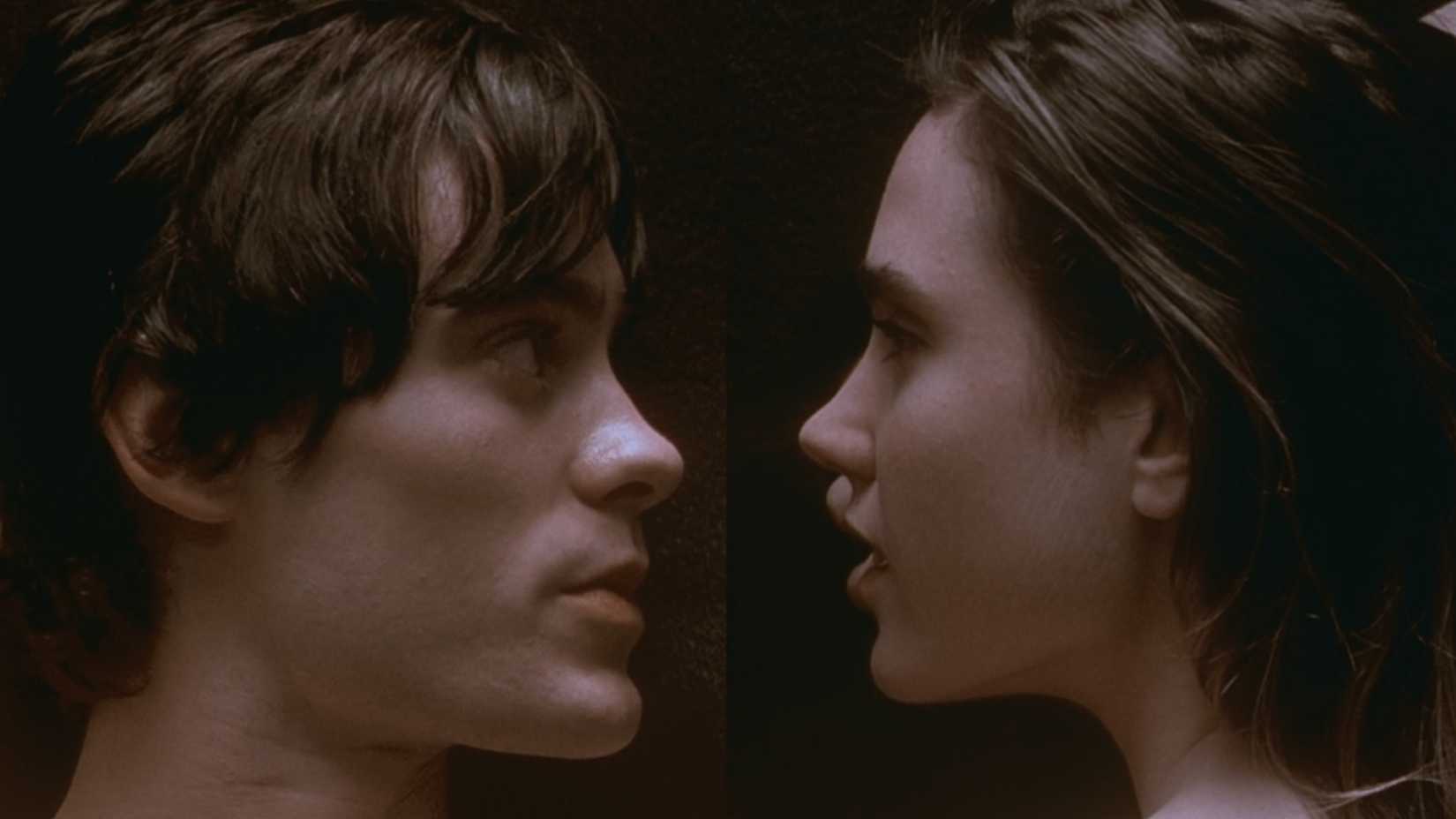
Harry and Tyrone, by contrast, entertain a different fantasy: flip a batch of drugs, dilute it to increase profit, and scale that trade into real money. Harry is driven partly by physiological need and partly by a desire to support Marion (Jennifer Connelly), whose talent for fashion design and bohemian flair make her both a partner in crime and an aspiration he wants to help realize. Marion is complicit but cautious, asking plainly what the compromise will be — the question that ultimately goes unanswered.
The film’s visuals — staccato edits, split screens, and intensified close-ups — render the characters’ altered states with brutal clarity. Requiem for a Dream anticipates later works that blend body horror and social commentary, and its themes echo contemporary films that interrogate beauty, aging, and the pressures that drive people toward extremes. Addiction here silences pain only briefly; it strips identity and leaves ruin in its wake.
The film’s finale offers no catharsis; instead it delivers a steady, merciless collapse. It’s difficult to recommend casually because of its bleak, uncompromising depiction of physical and emotional degradation — and because it contains disturbing material, including scenes some viewers will find deeply upsetting. Yet, as harrowing as it is, the film’s craft remains undeniable.
Requiem for a Dream is gorgeously composed and fiercely acted. Ellen Burstyn’s performance earned an Academy Award nomination, and Jared Leto gives one of his most intense screen turns. Jennifer Connelly humanizes Marion in devastating fashion, and Marlon Wayans surprises by carrying a dramatic weight with sincerity.
Aronofsky’s adaptation resists simple labels: it’s lyrically ugly, pitiable and pitiless, occasionally darkly comic, and formally adventurous. It refuses to moralize while refusing to flatter its characters. The score — at once beautiful and abrasive — amplifies the film’s contradictions. Ultimately, Requiem for a Dream forces an unvarnished look at addiction’s horrors, a terror grounded not in myth but in the very real consequences of trying to numb the self.
Source: Polygon
Related articles
 Robert Pattinson Responds to Chris Hansen’s Complaints About the Movie “Primetime”
 Ryan Reynolds’ “Mayday” receives positive reviews from critics
 Michael Keaton to Direct Western Starring Morgan Freeman
 “Daddy’s Daughters” wedding sequel to be released in 2027
 Halle Berry and Colin Firth to Star in New Rom-Com
 Netflix Begins Filming New Dan Brown Adaptation
 Spider-Noir series canceled after first season
 Actors cast as Dobby and Tom Riddle for Harry Potter season two