
Update 1.58: Physics and Collision Overhaul
As we pave the way for a diverse new lineup of vehicles in Euro Truck Simulator 2 and American Truck Simulator—headlined by the upcoming Road Trip and Coaches expansions—our team has undertaken a comprehensive overhaul of the in-game physics engine. This modernization focuses on refining vehicle kinematics, input sensitivity, and environmental interaction.
To achieve this, we conducted a deep dive into the simulation’s architectural foundations. While these adjustments were necessitated by the introduction of lighter, shorter, and more agile vehicle classes, the enhancements provide a tangible benefit to every truck currently in the game. The objective was to elevate realism and tactile feedback without sacrificing the classic driving feel that defines our simulators.
Pavel Č, one of our lead programmers at SCS Software, emphasized that the goal was to polish the existing experience. “While significant internal logic has changed, we worked meticulously to ensure the core sensation of hauling freight remains familiar, yet feels more sophisticated and responsive,” he noted.
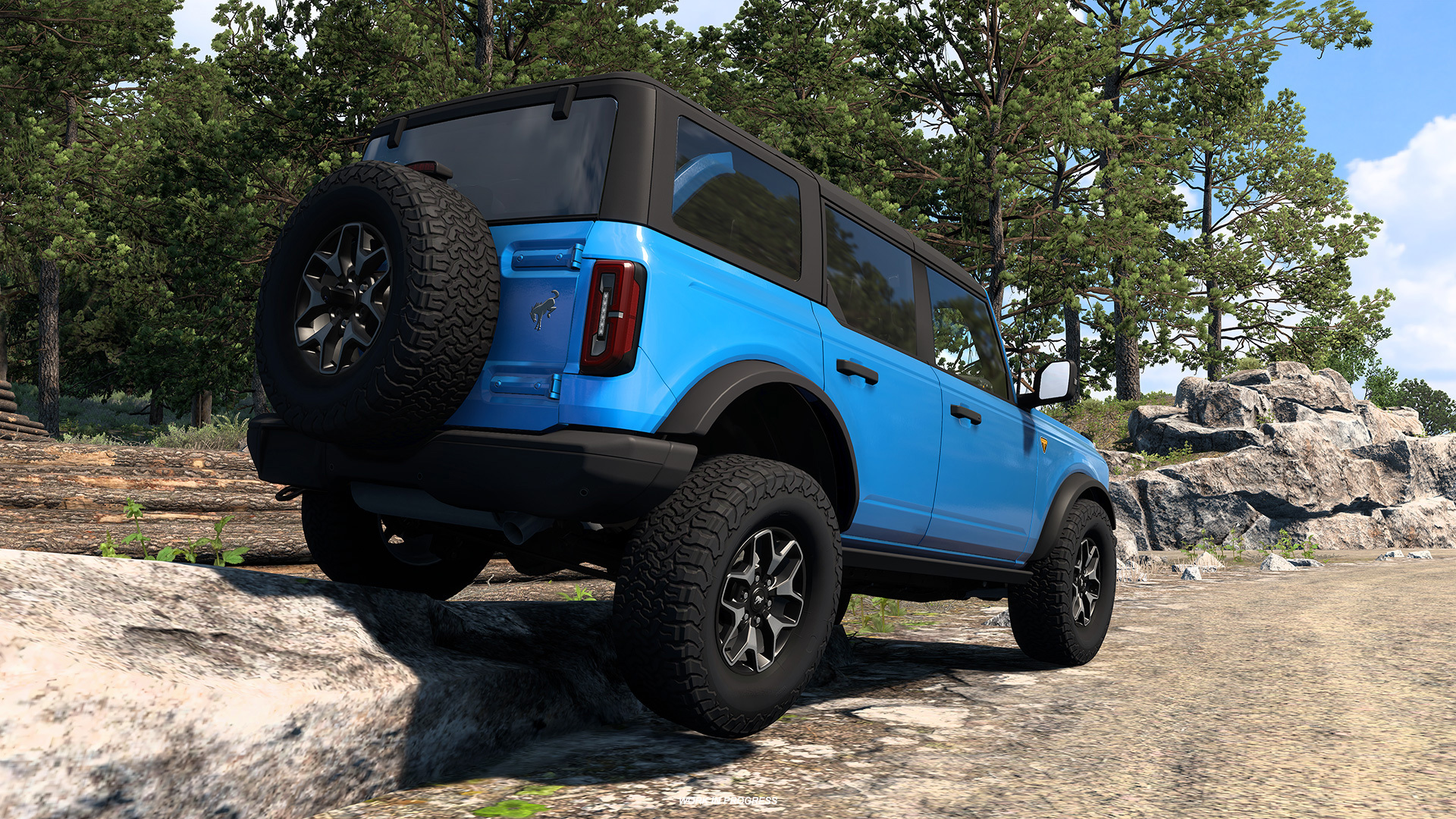
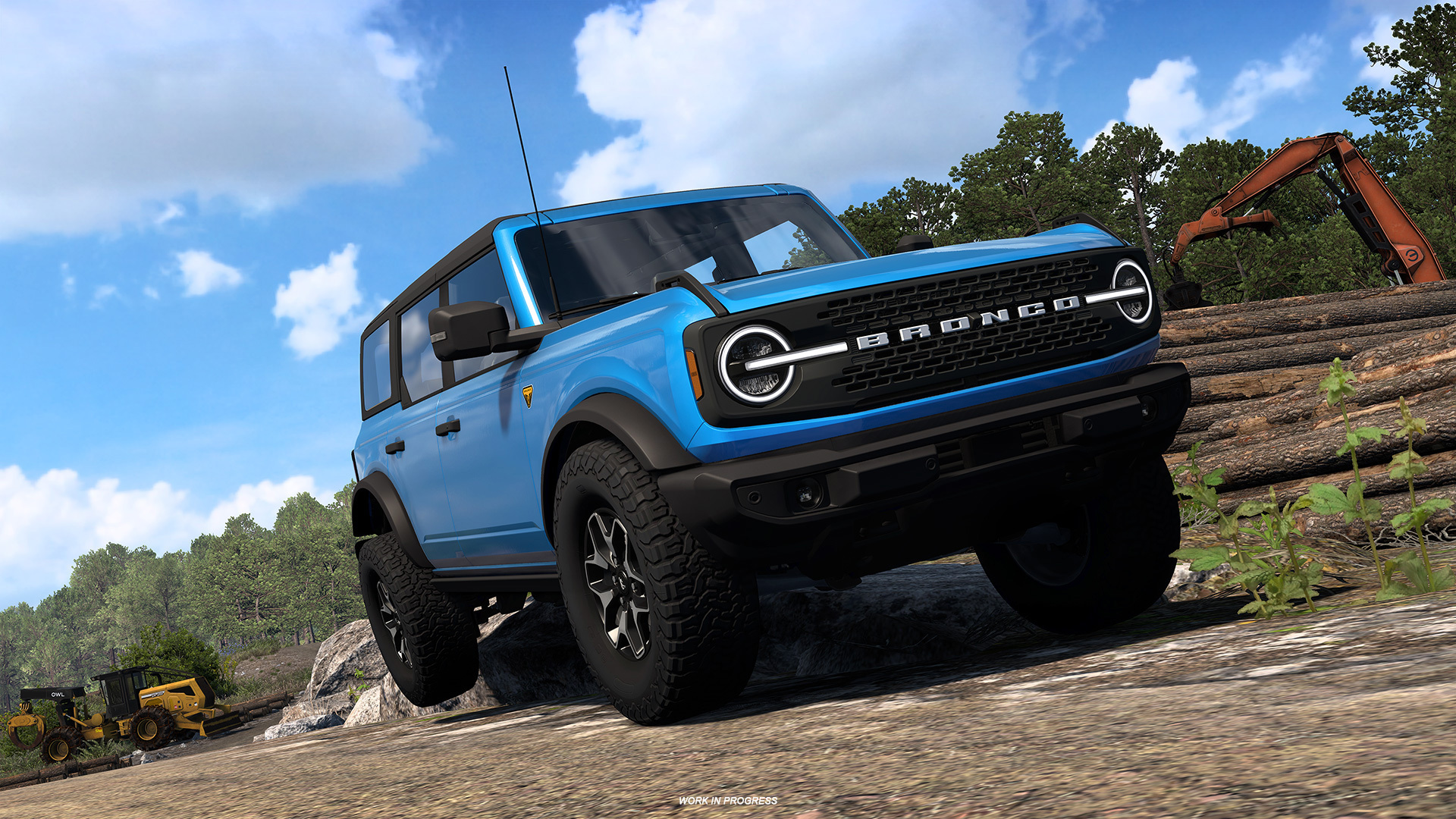
A primary focus of this update is throttle modulation. Power delivery is now calculated via a sophisticated engine torque map, paired with more authentic internal resistance when coasting. This results in a more natural momentum and a smoother cruising experience. Furthermore, we’ve introduced nuanced mechanical behaviors; wheels now exhibit realistic camber and caster during off-road maneuvers, reflecting the genuine physics of solid axle suspensions. The auditory experience has also been synchronized, with turbocharger spooling sounds now reacting dynamically to engine load.
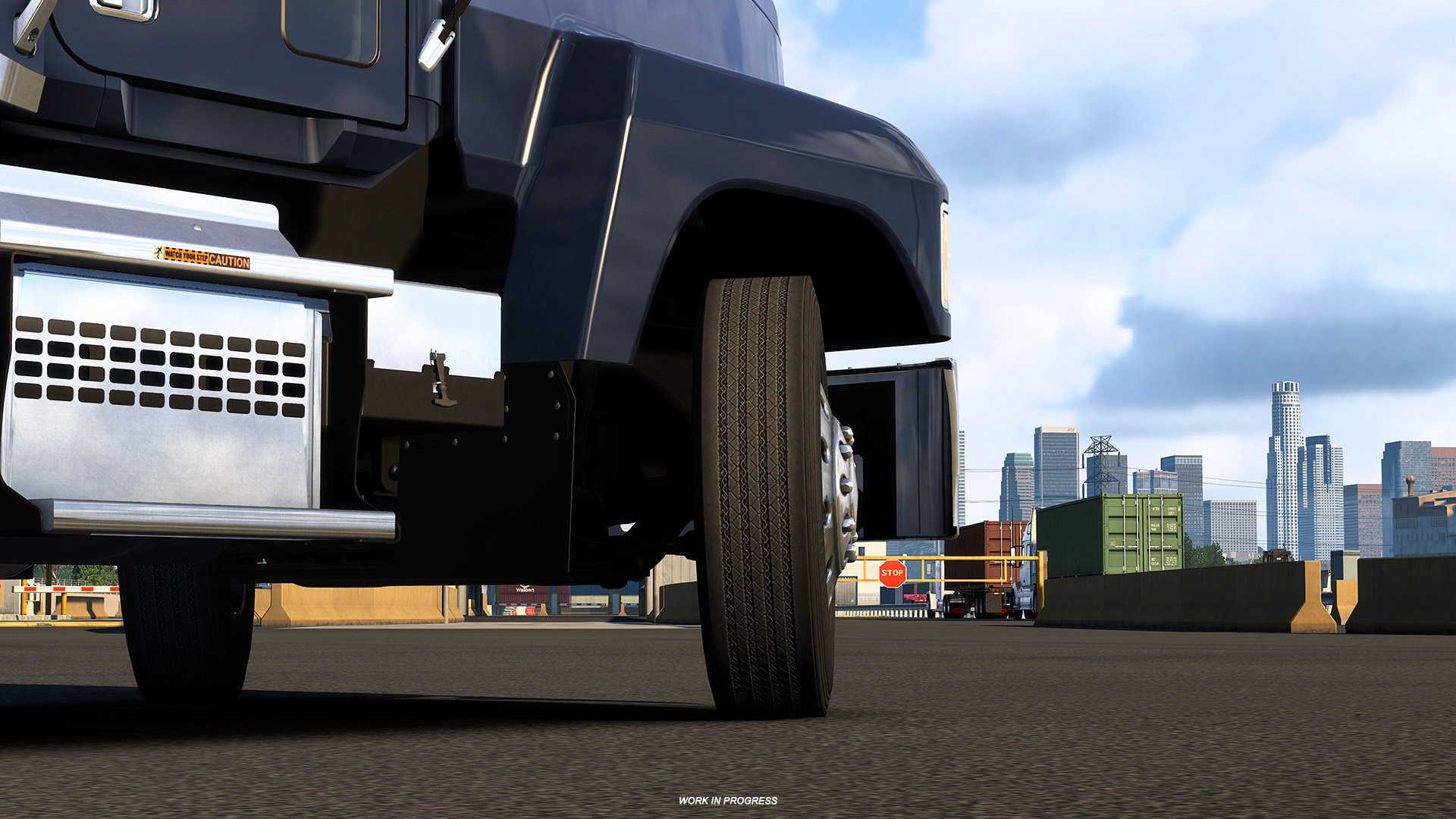
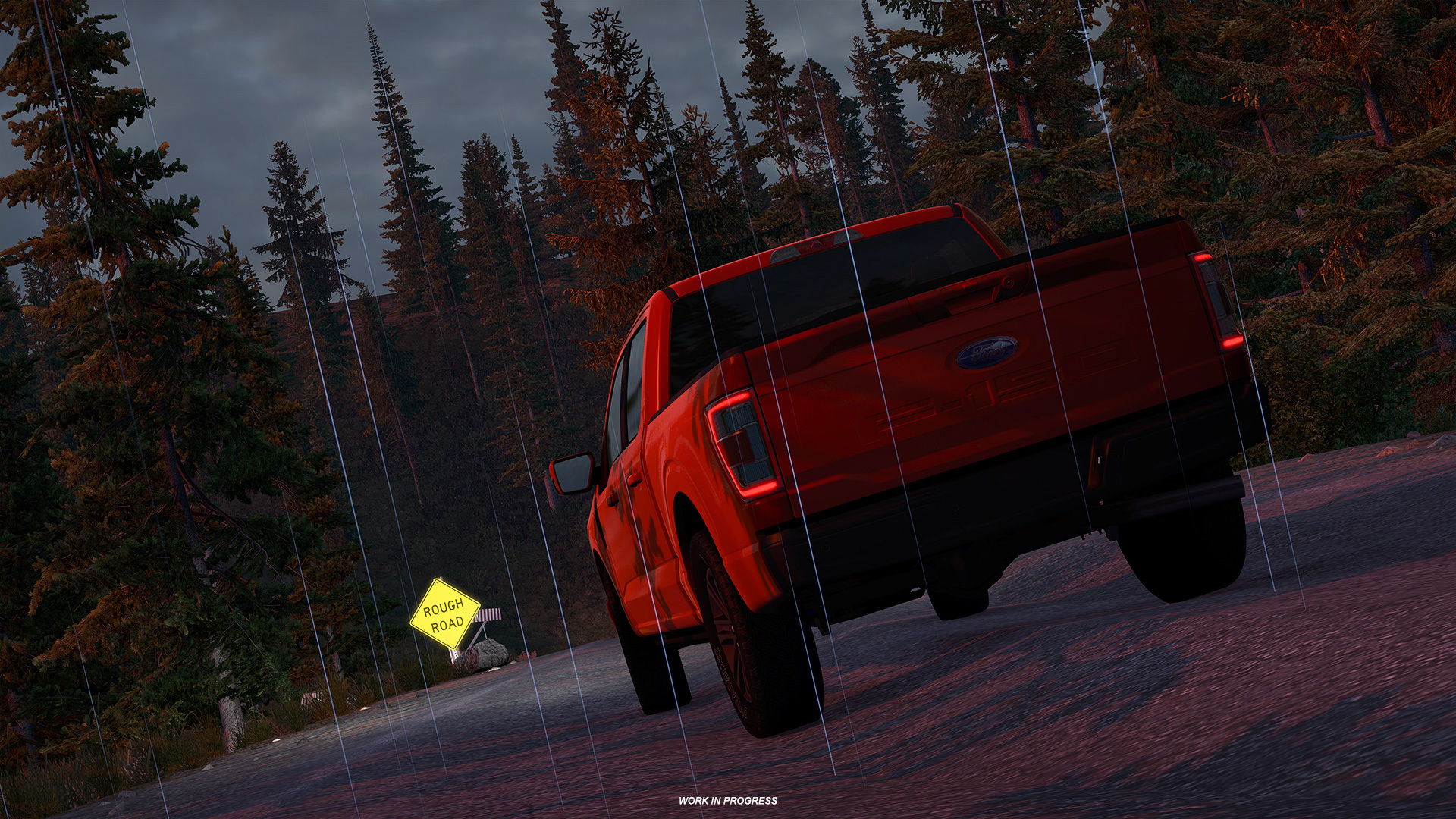
Players will also notice that engines now rev slightly to generate torque before the vehicle begins to move, adding a sense of weight and life to the machinery. To complement this, a hill-start assistance system has been integrated to ensure reliability when pulling away on steep inclines.
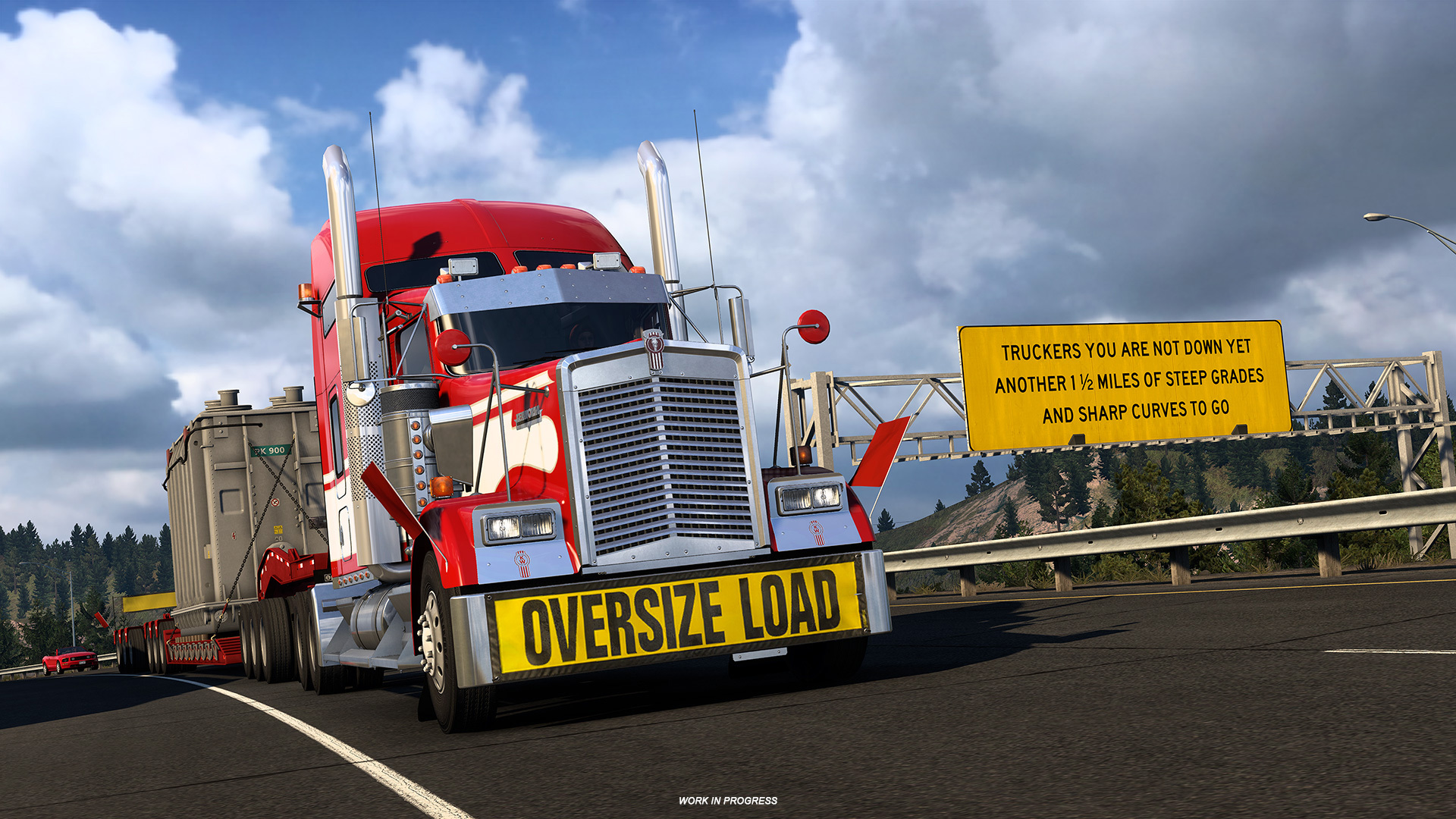
For those using keyboard controls, we’ve developed a “double throttle” system to mitigate the traditional all-or-nothing input style. By holding the throttle key, the game applies partial acceleration for steady cruising; a quick double-tap then engages full power for overtakes or steep climbs. This optional feature, found in the settings, offers a far more relaxed and precise way to navigate the world without a dedicated pedal set.
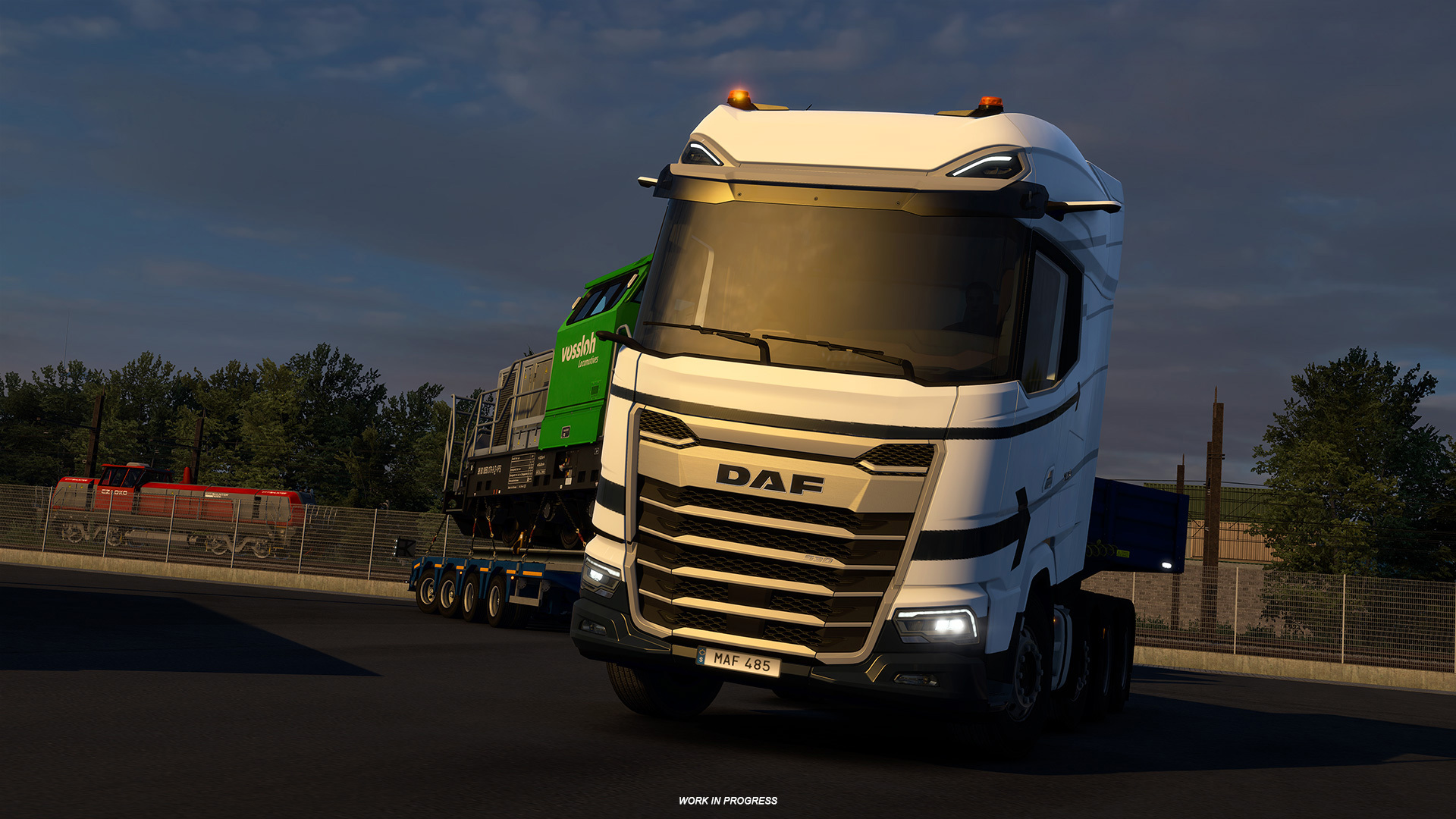
Adapting a system originally designed exclusively for heavy trucks was no small feat. “Extending a deep-rooted simulation beyond its original parameters required a massive effort,” Pavel explained. This led us to revisit road collision geometry, particularly in American Truck Simulator. We have refined the collision meshes on nearly all highways to eliminate “sawtooth” friction anomalies that occurred on curved surfaces. This ensures smoother wheel contact and more predictable handling during high-speed lane transitions.
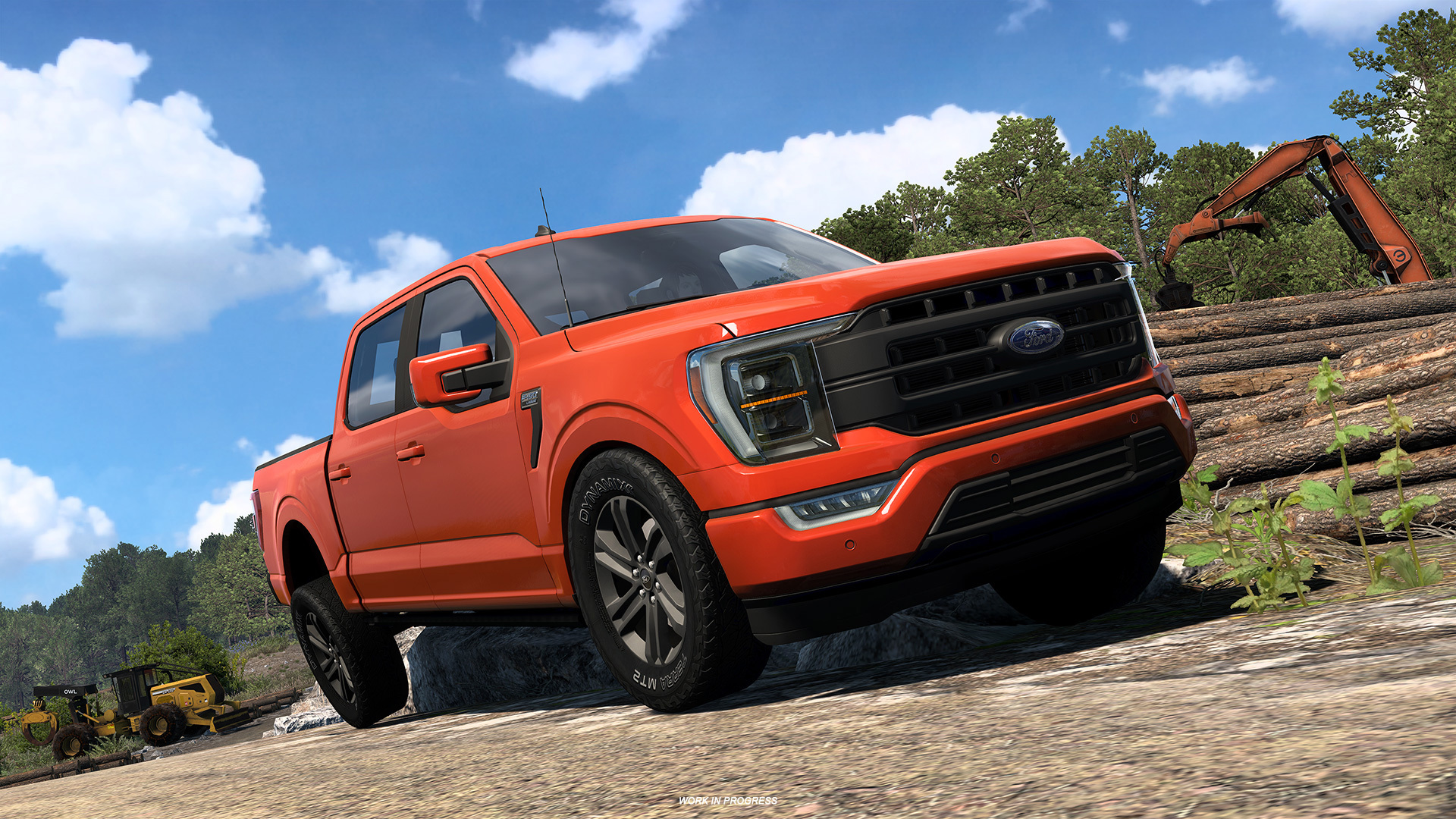
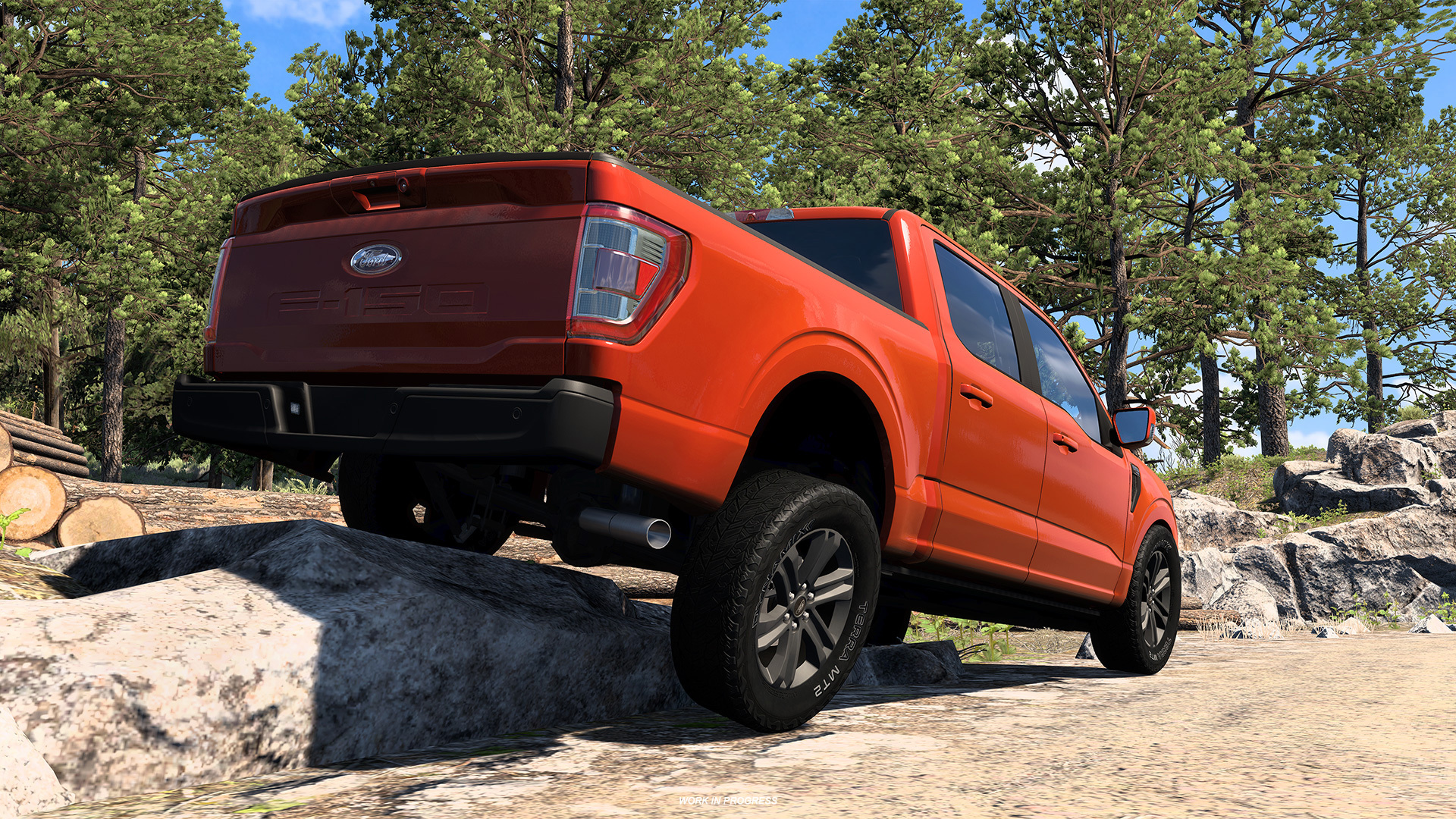
The 1.58 update serves as the foundation for a new era of content. As we venture into the territory of high-performance vehicles for the Road Trip expansion, we are pushing our engine into unexplored realms of power and torque. Our philosophy for Road Trip is not to compete with hardcore racing sims, but to provide a fresh, accessible lens through which to explore our meticulously crafted world. We aim to strike a balance where driving remains immersive and believable while staying enjoyable for players of all skill levels.
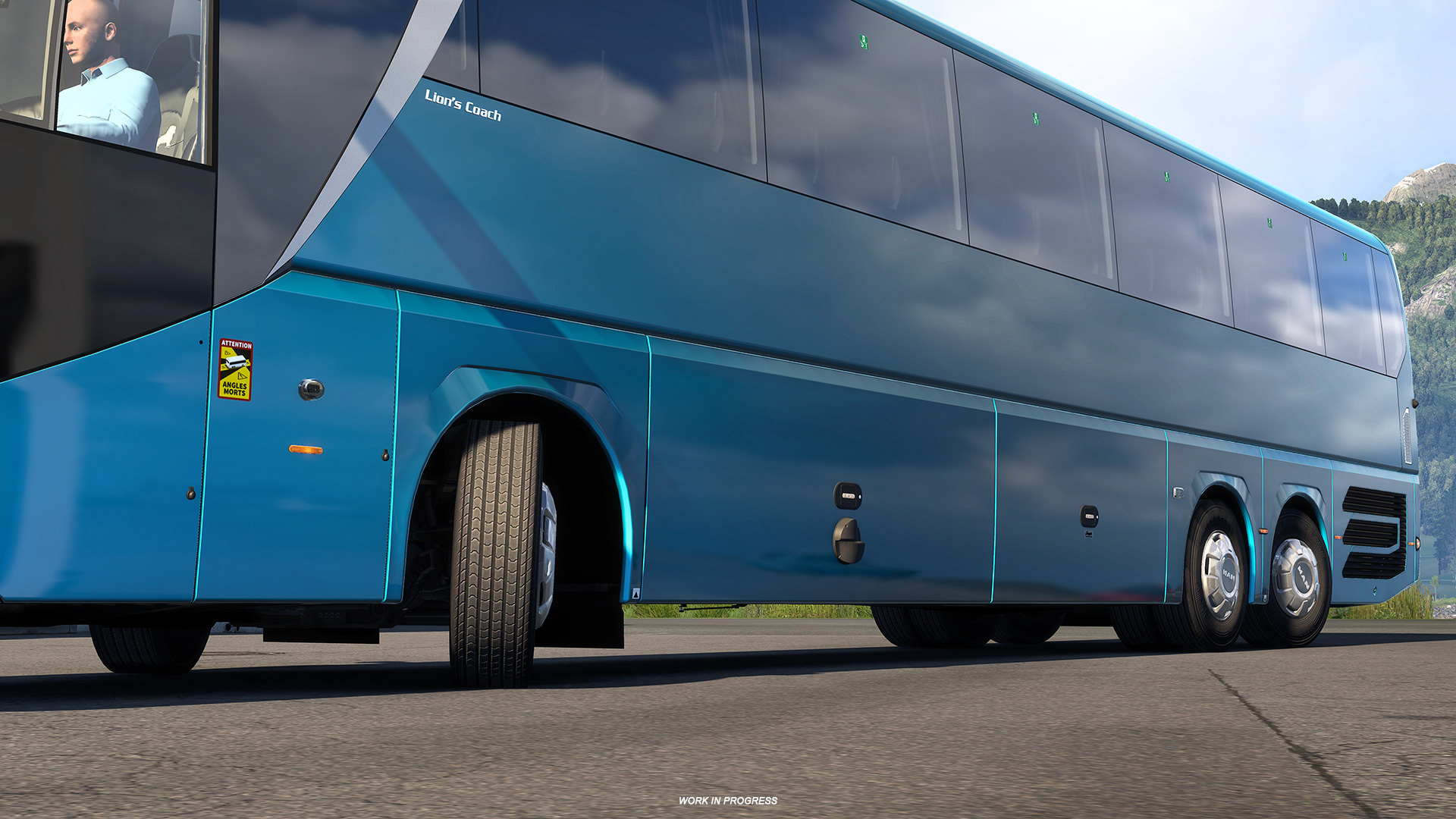
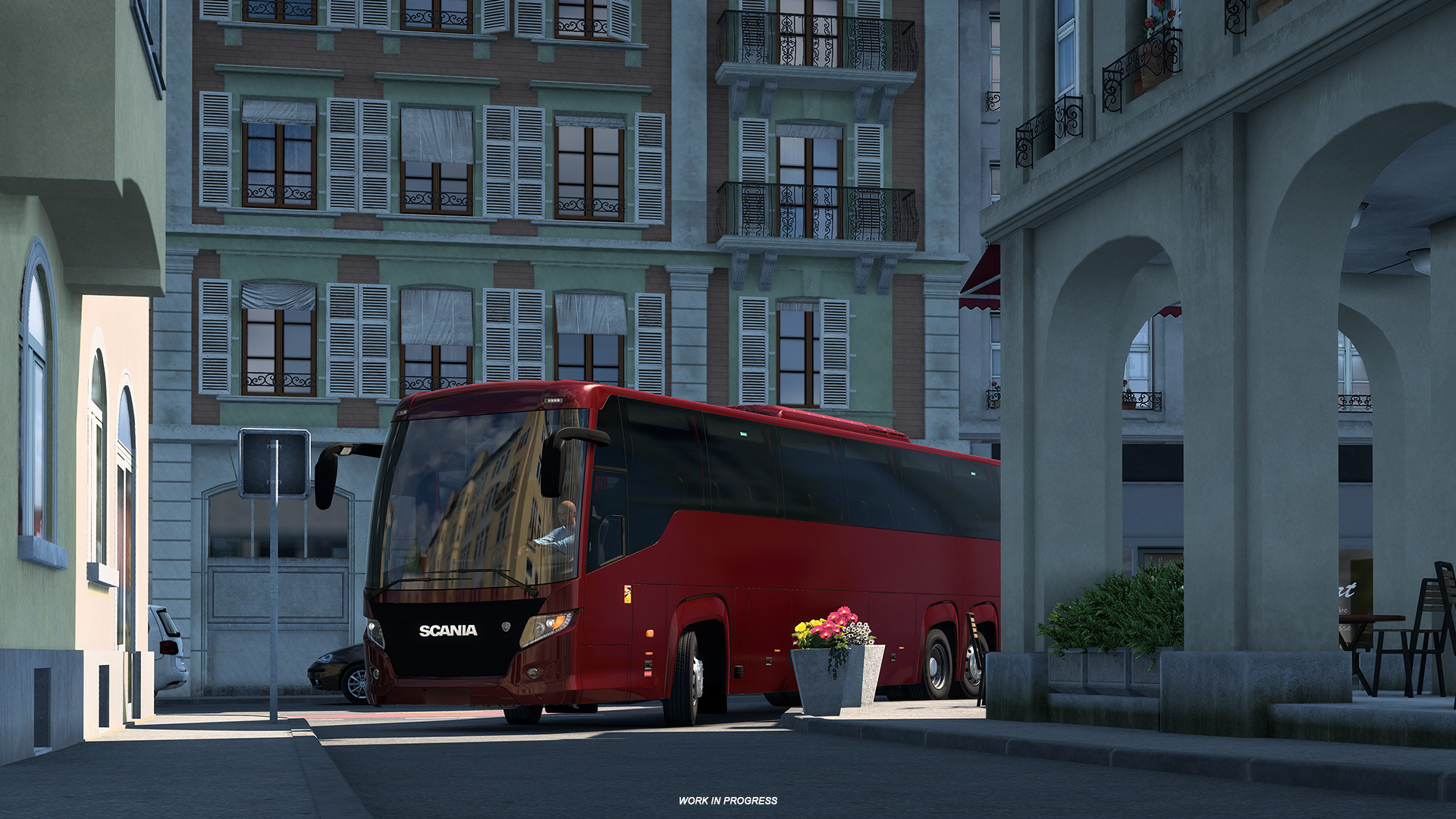
We invite our dedicated community to join the upcoming Open Beta for version 1.58. Your feedback is vital to our development process and helps us fine-tune these systems for the final release. Thank you for your continued support—see you on the road!
Related articles
 Indiana Research Expedition
 Euro Truck Simulator 2: Version 1.61 Update Released
 SCS On The Road: Iceland Research Trip
 American Truck Simulator: Update 1.61 Released
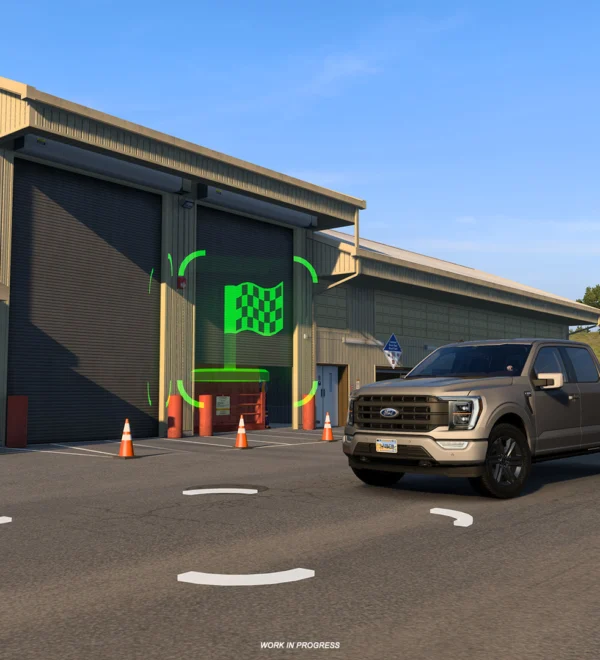 Freight Market & Quick Jobs Road Trip
 World of Trucks: Events Resume
 World of Trucks: Resuming Events
 Community Stories: Trucker Cassie