
Todd Howard: Elder Scrolls 6 is Now Bethesda’s Primary Focus
Bethesda’s Stellar Expansion and the Road to The Elder Scrolls VI
Bethesda recently confirmed that Starfield is set to make its PlayStation 5 debut on April 7, bringing a suite of fresh content and technical refinements to the expansive space odyssey. In a wide-ranging conversation with IGN, Studio Head Todd Howard offered more than just Starfield updates; he provided tantalizing glimpses into the current state of The Elder Scrolls VI. While Howard remained guarded regarding the game’s narrative and locale, he elaborated on the studio’s internal milestones and his evolving philosophy on RPG progression.
The development cycle for monumental titles like Starfield and The Elder Scrolls VI is notoriously long. Howard explained that Bethesda typically utilizes a lean pre-production team for the first few years to cement the project’s foundational vision. Once the roadmap is finalized, the studio scales up significantly. “We’ve reached that pivotal stage with The Elder Scrolls VI where the core workforce is fully engaged, our external partners are integrated, and the direction is crystal clear,” Howard told IGN, marking a major shift in the project’s momentum.
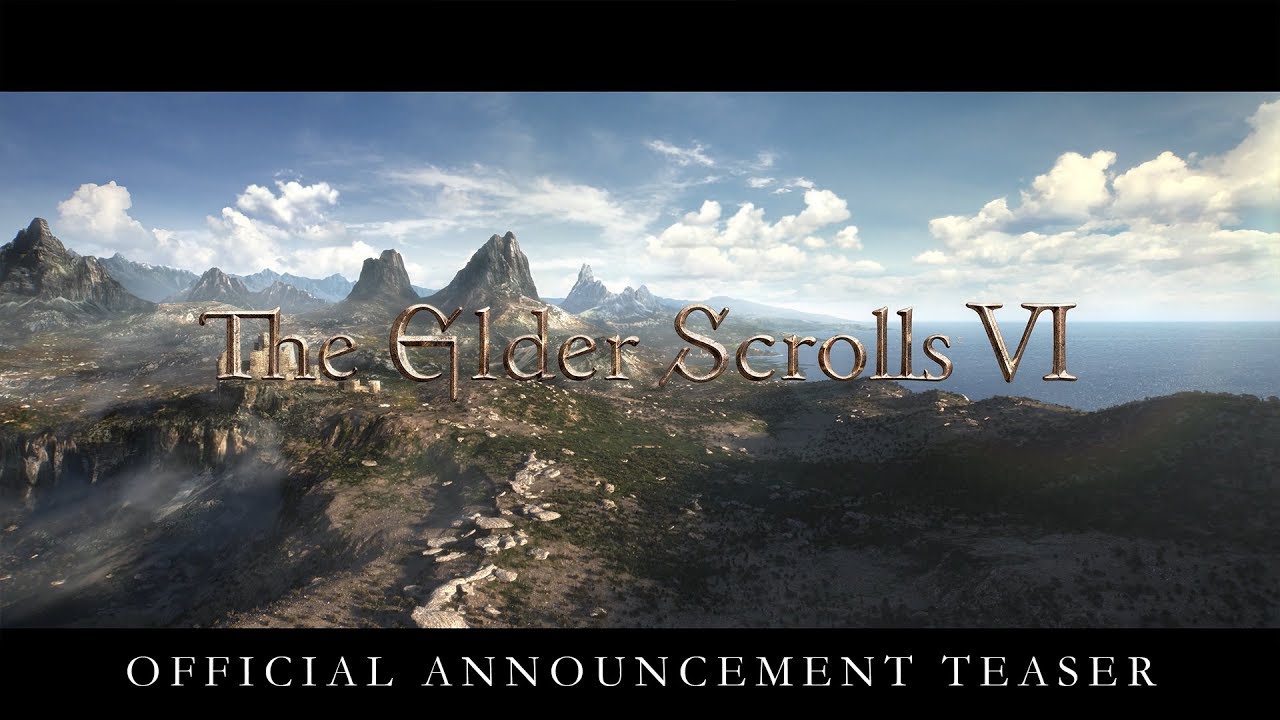
While the studio maintains active support for live-service projects like Fallout 76 and The Elder Scrolls Online—in addition to ongoing Starfield expansions—the next chapter of the mainline Elder Scrolls series has clearly become the primary focus. Howard’s comments suggest that the game has moved far beyond the conceptual phase of its 2018 reveal. In fact, it has reached a tangible, playable state within the studio walls.
“We are in a productive phase where the game builds are consistently operational,” Howard remarked. He noted that the team is now at a point where they can play through the evolving world, testing new features and assets on a near-daily basis, which indicates a significant leap forward in the development pipeline.
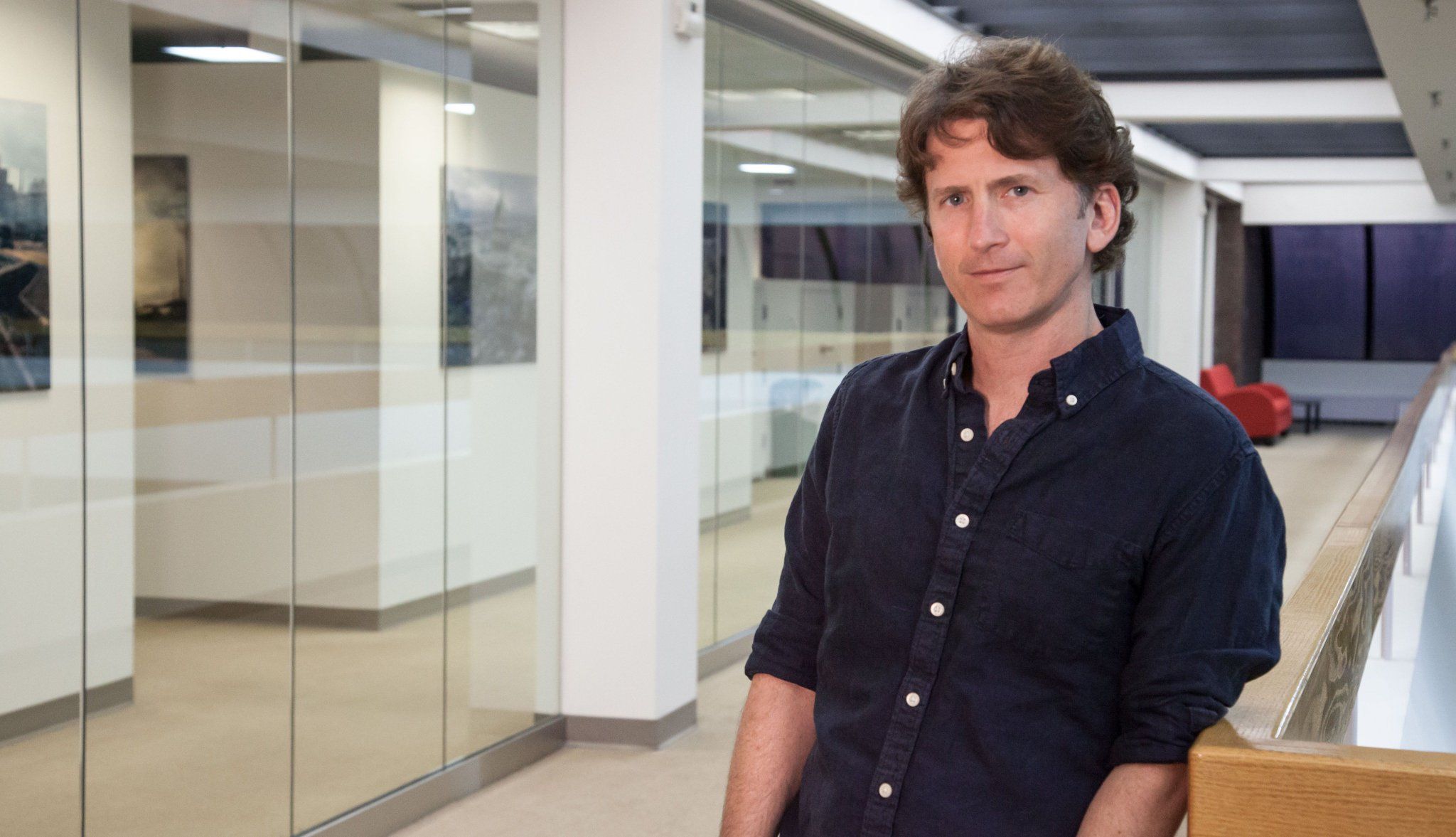
The interview also delved into the future of role-playing mechanics. Howard reflected on the design of Oblivion, specifically expressing a desire to avoid the “trap” of permanent character-building errors. He noted that while Skyrim and Starfield moved toward more flexible, open-ended systems, there is still a debate about the value of specialized builds.
“I’ve always been wary of the idea that a player could realize hours into the game that they made an irreversible mistake with their character,” Howard observed. He suggested that for The Elder Scrolls VI, the team is exploring a “best of both worlds” approach—finding a balance where choices feel impactful and resources are scarce, yet players still have the agency to recalibrate their path without starting from scratch.
Currently, Starfield lacks a formal respec system for skill points, but Howard’s latest insights hint that The Elder Scrolls VI might lean into more forgiving progression mechanics, allowing for a more dynamic and less restrictive adventuring experience.
Source: Polygon
Related articles
 Blizzard Says Diablo V Is in Development
 Sony Closes PS5 Hacking Loopholes, Affecting Users on Older Firmware
 Remedy Reveals Control Resonant Sales Figures for First Three Weeks
 Stranger Than Heaven: Snoop Dogg Shows Protagonist Makoto How to Rap in New Story Trailer
 GTA VI Artist Describes Aftermath of 2022 Leak: It Felt Like Someone Got Inside Your Head
 AISLPC Opens Preorders for Pocket AIS Retro Gaming Handheld
 The Witcher 4 Will Release in a Physical Edition, but with a Catch
 Survival Game Enshrouded Exits Early Access With Version 1.0 Release