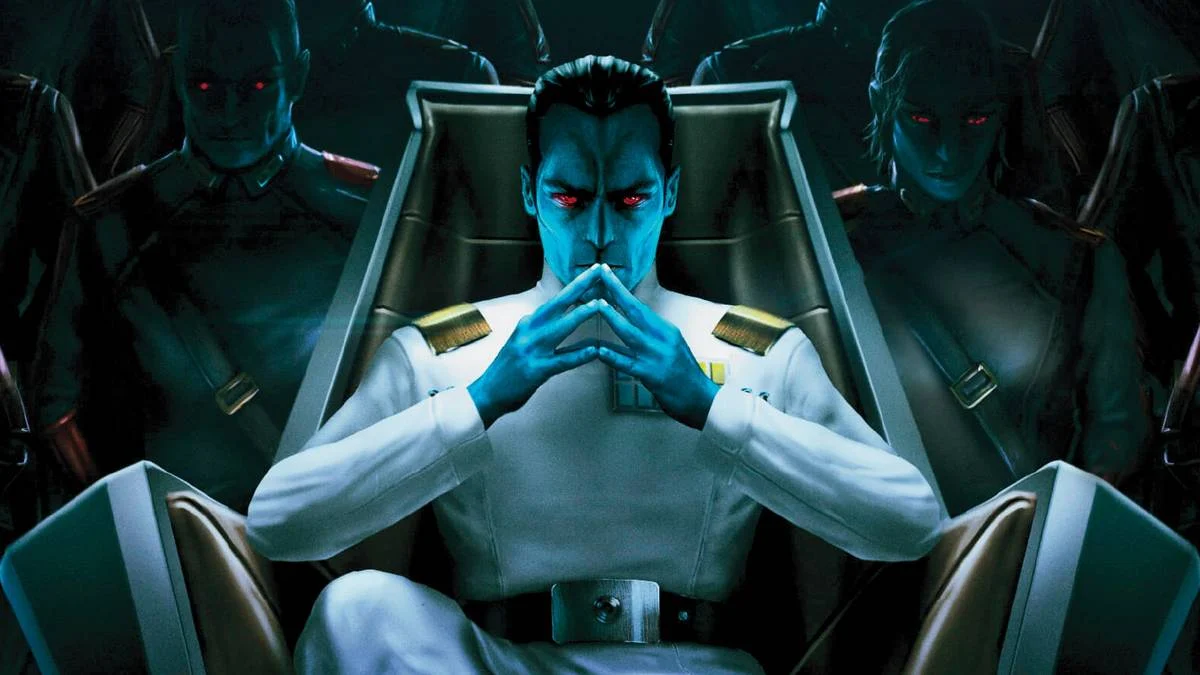
Thrawn vs. The Supernatural Is Star Wars’ Most Compelling Unresolved Conflict

Few figures in the Star Wars canon are as enigmatic as Grand Admiral Thrawn. Born Mitth’raw’nuruodo of the Chiss Ascendancy, this blue-skinned, red-eyed tactician stands apart from the typical Imperial despot. He is not a man driven by blind cruelty or rigid dogma, but by pure, calculated intellect. Rather than relying on brute strength, Thrawn treats the galaxy like a complex puzzle, studying the art, sociology, and habits of his adversaries to dismantle them systematically.
Since his debut in Timothy Zahn’s 1991 seminal work, Heir to the Empire, and his subsequent integration into the modern canon via Star Wars: Rebels, Thrawn has remained a remarkably consistent archetype. He operates on the firm conviction that any system—no matter how chaotic—can be mastered if observed closely enough. Yet, this unwavering commitment to logic hits a wall against the franchise’s most defining feature: the Force. It is fundamentally irrational, mystical, and unpredictable—a volatile variable that Thrawn has never successfully quantified.
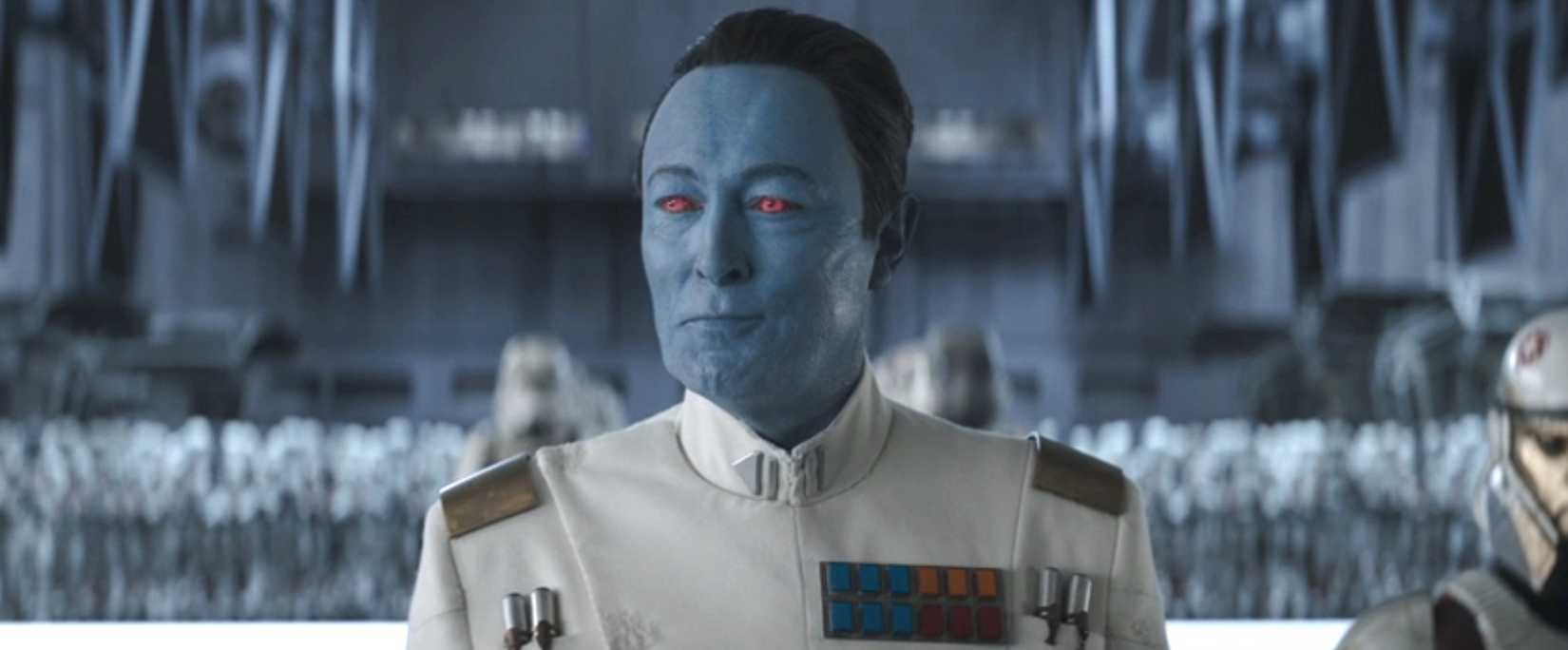
Thrawn’s inability to grasp the spiritual mechanics of the galaxy was made painfully clear during his clash with the Bendu in Rebels. As an entity existing between the light and dark sides, the Bendu defied every tactical framework Thrawn possessed. When the Grand Admiral attempted to neutralize the creature as a military threat, the Bendu responded with nothing but mockery. You cannot outmaneuver a power that has no interest in victory, only existence.
The Bendu’s haunting prophecy—that Thrawn would face a defeat wrapped in a “cold embrace”—manifested in the Rebels finale, where space-dwelling purrgil pulled him into exile. It was a stark reminder that Thrawn is not merely a strategist, but a man constantly fighting against powers he cannot comprehend. He was not beaten in a traditional sense; he was rendered irrelevant by a force of nature.
Following a decade-long absence, Thrawn re-emerged in the Ahsoka series. Stranded on the desolate, mystical world of Peridea, Thrawn has shown a begrudging evolution. By partnering with the Great Mothers—practitioners of Dathomirian witchcraft—he has begun to incorporate elements of the supernatural into his planning. Even so, the fundamental tension remains; the Great Mothers view the Force as a loose thread that Thrawn continues to struggle to weave into his otherwise flawless tapestry of control.
This dissonance has been part of the character’s DNA since the beginning. Whether he is utilizing ysalamiri to suppress the Force or manipulating the unstable clone Joruus C’baoth, Thrawn’s efforts are always characterized by a desperate attempt to force irrationality into a rational box. These experiments invariably collapse because they fail to account for the fluid, illogical nature of the Force.
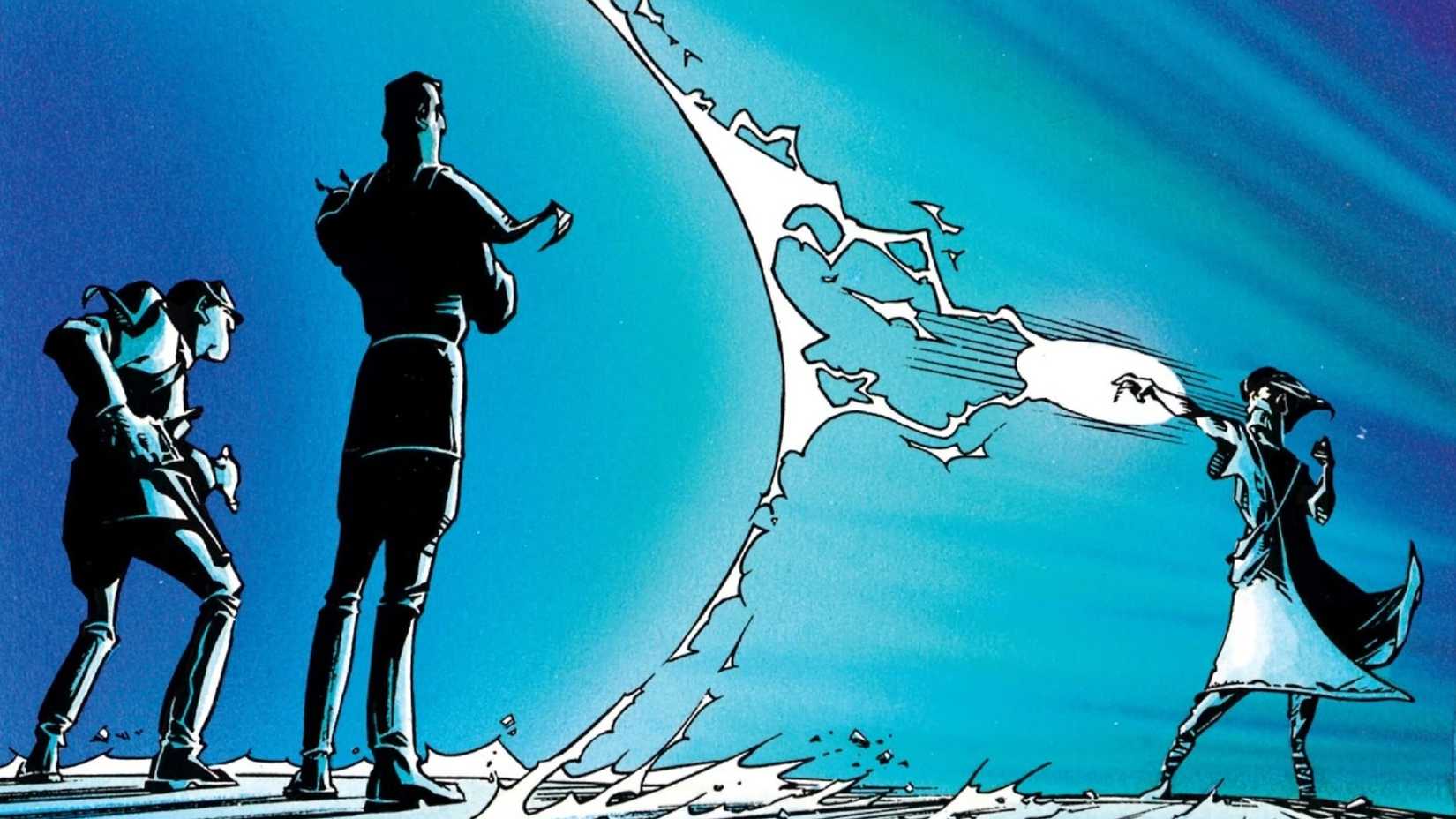
Ultimately, it is this friction that makes Thrawn such a compelling antagonist. He represents the pinnacle of rigid order and empirical logic, while the Star Wars universe is inherently governed by spiritual chaos. He views his foes as pieces on a chessboard, but forgets that the board itself is constantly shifting under the influence of the Force. Thrawn can triumph in any conventional war, but against the unknowable, his genius may be his ultimate undoing.
Source: Polygon
Related articles
 Tekken 8 Character Reina Coming to Fatal Fury: City of the Wolves in December
 Paul Verhoeven Joins New RoboCop Series as Producer
 Developers Find Method to Run PS5 Games on PC Without Emulation
 Crunchyroll Reveals Title and Plot Details for The Apothecary Diaries Anime Film
 Ghost of Tsushima Legends Anime Delayed to 2028
 Charlie Cox Addresses Future as Daredevil After Series Finale
 50 Cent and Noah Centineo Fight in Times Square Arcade Stunt
 Disney World and Disneyland Raise Ticket and Parking Prices