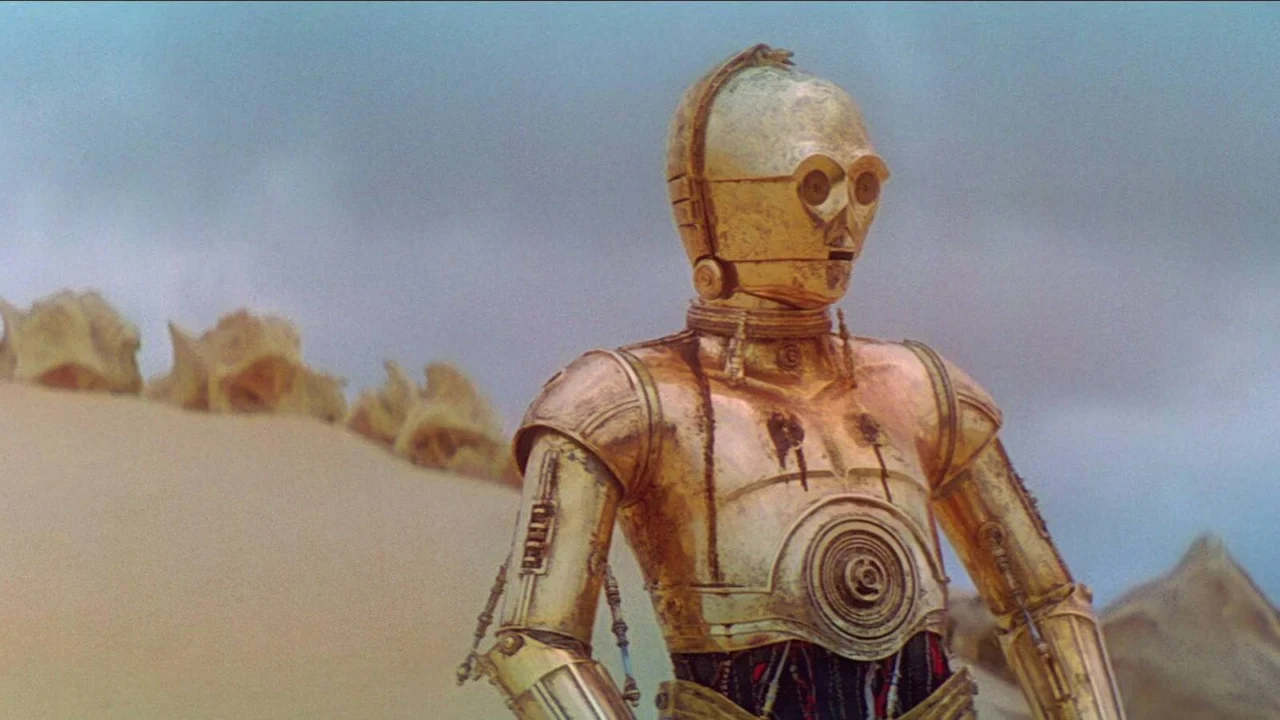
We need a Star Wars life-sim game
It’s May the 4th, and like clockwork, I’ve spent my day browsing through discounts on Star Wars titles, searching for an experience that offers something new. Yet, I’ve found myself pondering a glaring omission in the franchise’s gaming library: the total absence of a true simulation game. Whether it’s a life sim, a resource management builder, or a colony tycoon game, the Star Wars universe is ripe for the kind of cozy, systemic gameplay that lets you engage with its world on a deeper, more granular level.
While the franchise is defined by high-stakes conflicts between Jedi, rebels, and autocrats, the galaxy would cease to function without the untold millions working behind the scenes. There is an entire infrastructure of support staff and tradespeople whose stories remain largely untold. Just consider the possibilities:
- Cantina Management: Overseeing local watering holes or high-traffic hubs aboard massive Star Destroyers and Rebel flagships.
- Agrarian Life: Farming the outer rim—after all, even the most formidable Sith Lord needs to eat.
- Aerospace Engineering: Running the assembly lines that churn out starfighters to replace those lost in the heat of battle.
- Droid Craftsmanship: The intricate work of building, repairing, and customizing the galaxy’s mechanical labor force.
- Protocol Logistics: Managing the specialized droids that keep diplomacy and bureaucracy afloat.
- Domestic Maintenance: The unglamorous, essential work required to keep the galaxy—and its Jedi orders—clean and functioning.
Imagine the depth of a simulator tasking you with maintaining the logistical supply chain for the Republic during the Clone Wars, or building a restaurant empire that makes Dexter’s Diner look amateur. While “Star Wars: Laundromat” might not be a top-seller, a hybrid title—perhaps something akin to a Two Point management game blended with the base-building charm of Evil Genius—would be an instant hit.
The current state of Star Wars games mirrors the predicament Pokémon faced for years: a focus on narrow, action-oriented loops that ignore the rich potential of the setting’s periphery. Recent successes like Pokémon Concierge and Pokémon Pokopia demonstrate that audiences are hungry for “cozy” experiences that allow them to exist within these beloved universes in non-violent, everyday capacities. Players are eager to see what the mundane realities of life look like under twin suns or amidst the sprawl of a galactic capital. Give me the chance to live out a quiet life as a moisture farmer on a desolate frontier!
While I would relish a base-builder, a dedicated life simulation—a true “Star Wars” take on the genre—is the missing link. And to be clear, The Sims 4: Journey to Batuu does not fill this void; it was little more than a superficial dress-up expansion. I am imagining a robust, meaningful life sim: one where your origin, personality, and career choices dictate your path. I want to start in a humble, makeshift shelter and slowly upgrade it through hard-earned labor, whether as a herder scratching out a living on Tatooine or an ambitious nobody on Coruscant clawing their way to entrepreneurial success.
I realize why the status quo leans toward blockbuster, cinematic adventures. For stakeholders at Lucasfilm, the appeal of a big-budget, film-adjacent title like Jedi: Survivor is much easier to quantify than a “Coruscant Department Store Manager.” Convincing investors that a game about building the galaxy’s most efficient nerf farm can succeed without multiplayer grinds or predatory microtransactions is, admittedly, a steeper hill to climb.
However, the landscape is shifting. With a more diverse range of developers gaining access to the Star Wars license, we are seeing a move away from the rigid blockbuster templates of the last decade. While we aren’t at the stage of full-blown life sims just yet, the diversification of the brand is encouraging. Hopefully, as more creators are given the freedom to experiment, we will eventually see a title that trades the lightsaber for a wrench or a ledger, allowing us to explore the quieter, more intimate corners of the galaxy.
Source: Polygon
Related articles
 Tekken 8 Character Reina Coming to Fatal Fury: City of the Wolves in December
 Paul Verhoeven Joins New RoboCop Series as Producer
 Developers Find Method to Run PS5 Games on PC Without Emulation
 Crunchyroll Reveals Title and Plot Details for The Apothecary Diaries Anime Film
 Ghost of Tsushima Legends Anime Delayed to 2028
 Charlie Cox Addresses Future as Daredevil After Series Finale
 50 Cent and Noah Centineo Fight in Times Square Arcade Stunt
 Disney World and Disneyland Raise Ticket and Parking Prices