
Thirty Years Later, This Near-Perfect Neve Campbell Thriller Has Become a Cult Classic
The cinematic landscape is saturated with tales of witchcraft, offering a diverse array of perspectives within the subgenre. From whimsical cult favorites like Hocus Pocus and Practical Magic to the stylized satire of The Love Witch, and the deeply unsettling atmospheres of The Witch or the hypnotic dread of Suspiria, the options are vast. Yet, one film stands apart for its visceral, compelling exploration of female adolescence through a dark, supernatural lens.
As of May 3, director Andrew Fleming’s quintessential ode to the outsiders, The Craft, officially hit its 30th anniversary. Centered on four high school girls whose initial camaraderie, forged in witchcraft, devolves into a destructive, Lord of the Flies-esque power struggle, The Craft remains a perennial fixture on “best of” lists. With its magnetic performances, high-stakes teenage turmoil, and the iconic ritual of “light as a feather, stiff as a board,” it served as a formative experience for a generation of misfits upon its release.
Even though the film is undeniably a product of its era—marked by the ubiquitous presence of rotary phones and distinct ’90s aesthetics—it possesses a timeless quality that continues to resonate with new audiences decades later. Here is why it remains so enduring.
Our protagonist, Sarah (Robin Tunney), arrives in Los Angeles attempting to rebuild her life following a suicide attempt. Initially skeptical of finding genuine connection, she finds common ground with three marginalized peers: Bonnie (Neve Campbell), who is self-conscious about her severe burn scars; Rochelle (Rachel True), who bears the brunt of relentless racist harassment; and Nancy (Fairuza Balk), who navigates a volatile home environment of poverty and abuse. When Bonnie witnesses Sarah’s latent telekinetic ability, the group quickly inducts her into their burgeoning coven.
As their occult influence grows, the ethical consequences become dire. Following a false rumor spread by a classmate named Chris, Sarah casts a love spell that goes dangerously awry. A confrontation ensues, culminating in Chris being killed by an increasingly unhinged Nancy. Meanwhile, the others spiral; Bonnie falls into vanity, and Rochelle places a hex on her tormentor, resulting in the harrowing loss of the girl’s hair—a questionable act of vengeance, though entirely understandable given the circumstances.
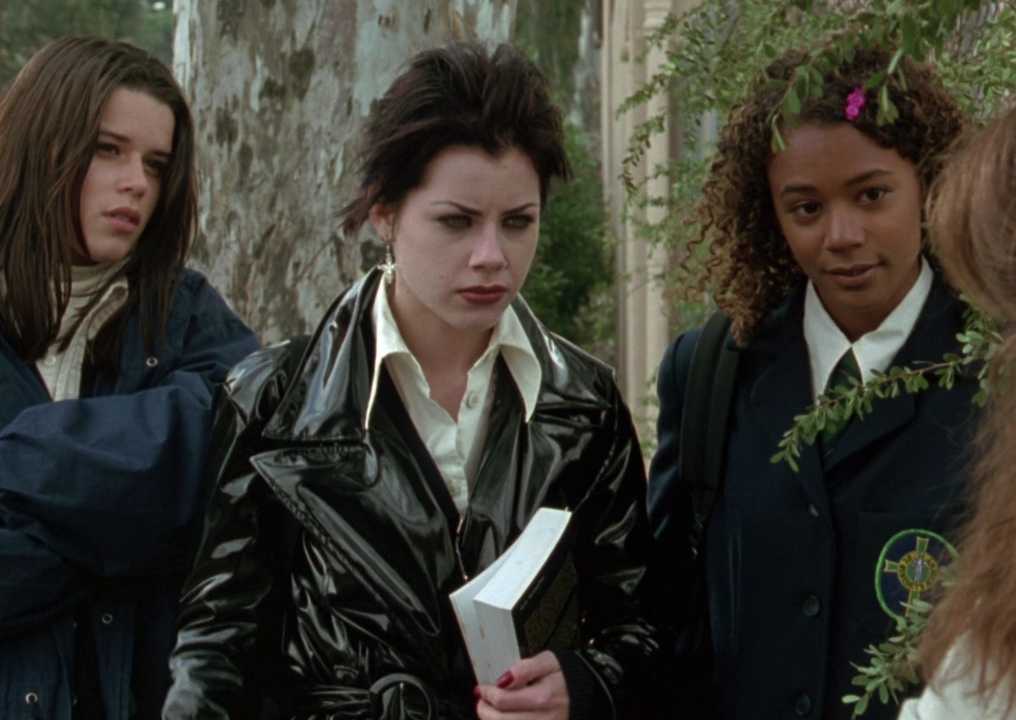
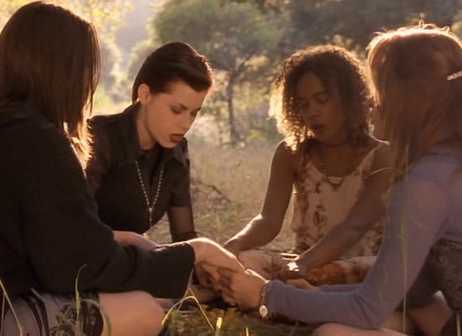
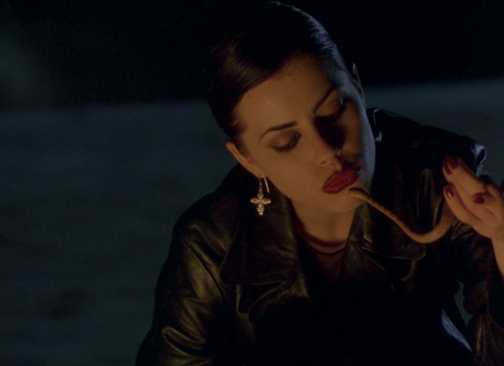
Ultimately, Sarah becomes alarmed by the group’s unchecked misuse of their newfound power. As she attempts to distance herself, the others turn against her in a campaign of psychological warfare that pushes her to the brink. Yet, because Sarah’s connection to the craft is more grounded and balanced, she manages to reclaim her autonomy in a final, climactic confrontation.
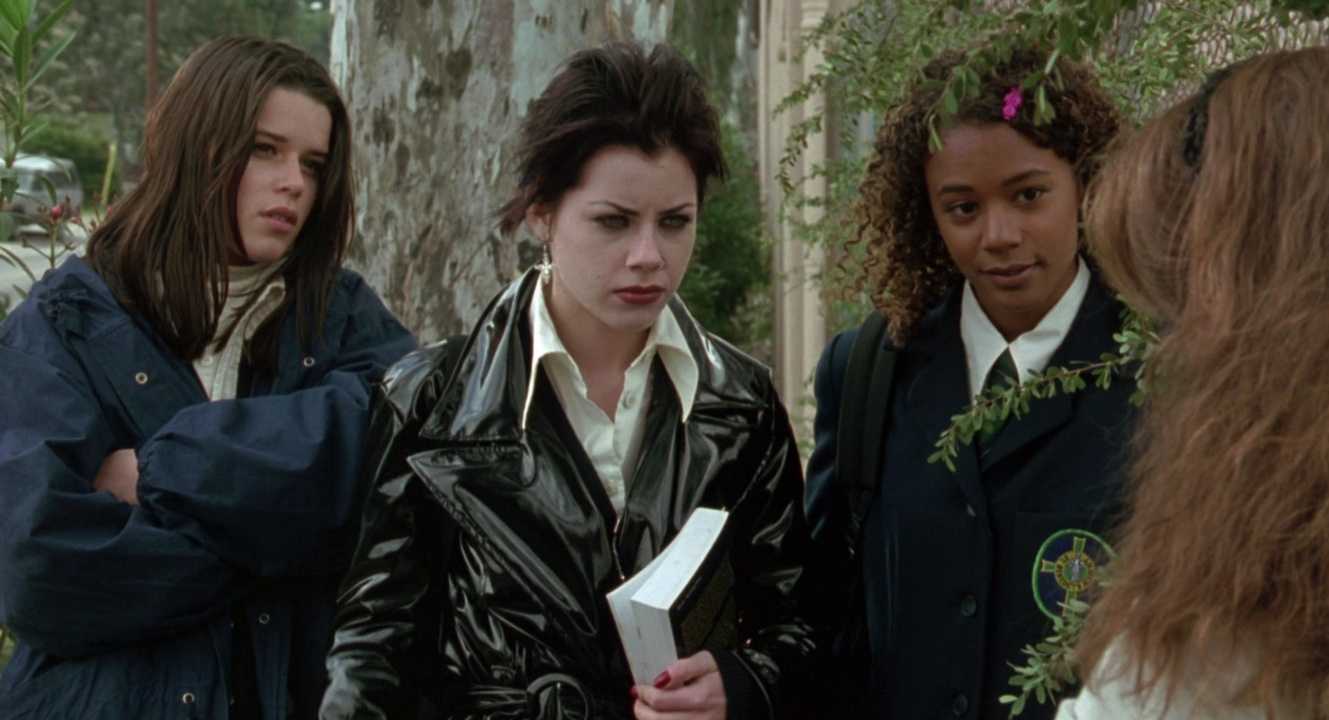
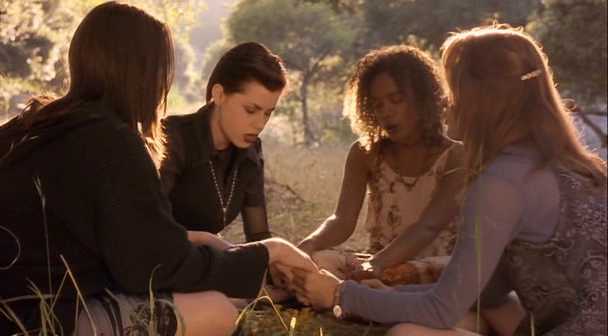
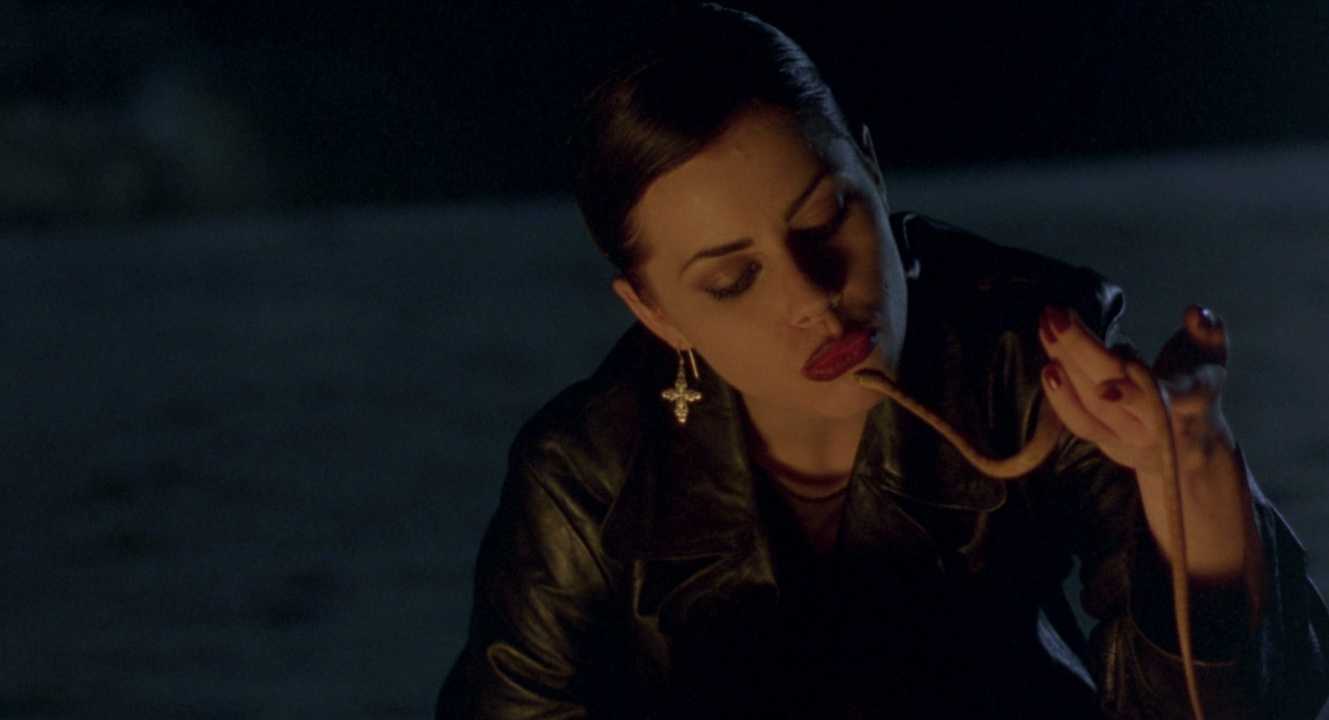
The staying power of The Craft lies in its human heart; it is impossible not to empathize with these four characters. Despite Sarah serving as our primary lens, the entire cast is painted with nuance. We see the weight of their respective traumas—from the institutionalized racism Rochelle faces to the systemic neglect shaping Bonnie—making their initial bond deeply moving. Their betrayal of one another feels all the more shattering because we understand the pain fueling their actions.
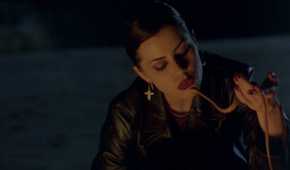
Explore Deeper Dives Into Occult Cinema
Even as Nancy descends into vengeful mania, she remains a figure of profound tragedy rather than a flat antagonist. We are intimately acquainted with her bleak origins, underscoring the irony that the very magic meant to liberate her ultimately consumes her spirit. It is this capacity for empathy, even amidst their most destructive impulses, that keeps The Craft as evocative and relevant today as it was thirty years ago.
Source: Polygon
Related articles
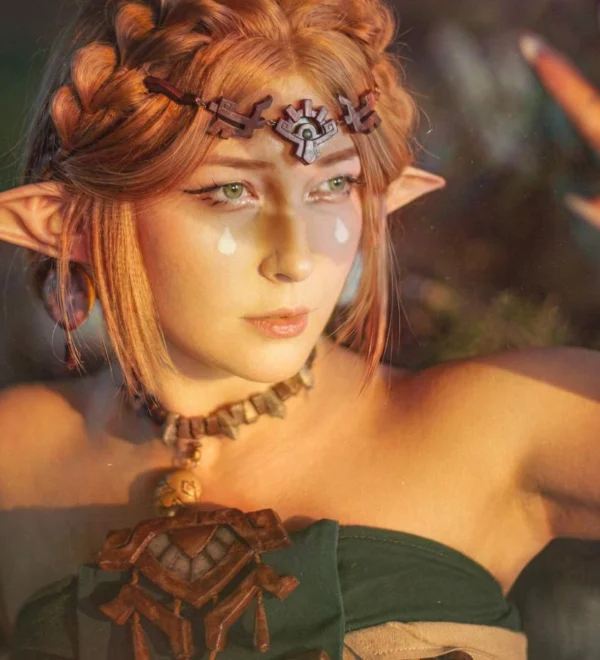 Cosplayer Shares Zelda Costume from The Legend of Zelda: Tears of the Kingdom
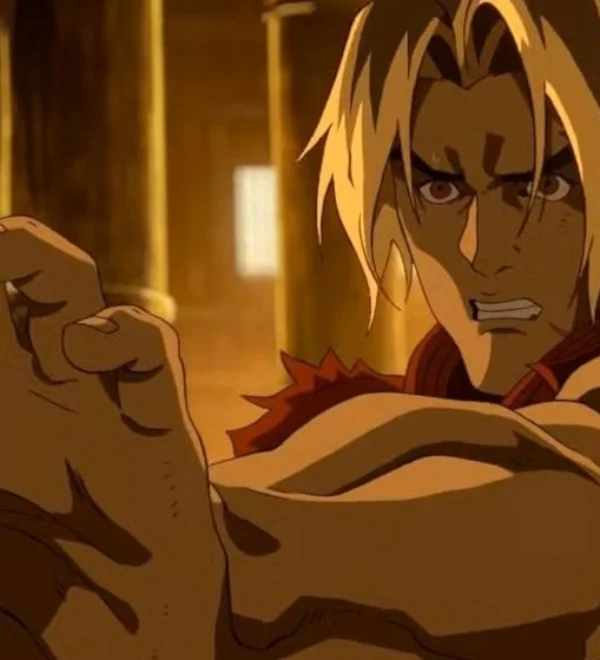 Street Fighter Movie Adaptation to Feature Anime Flashbacks Inspired by Akira and Ghost in the Shell
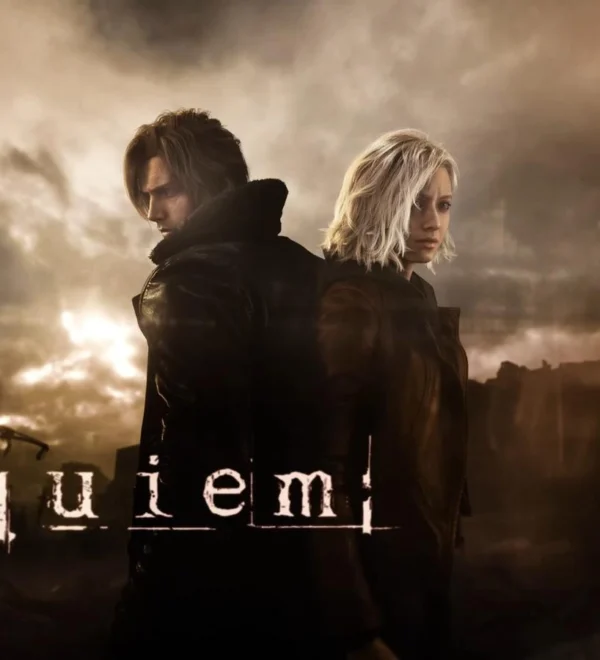 Resident Evil Requiem Producer Explains Inclusion of Grace Ashcroft
 Ace Combat 8 Developers Confirm Success With New Trailer Despite PC Issues
 In a Violent Nature 2 Sets 2026 Release Date
 Tekken 8 Character Reina Coming to Fatal Fury: City of the Wolves in December
 The Equalizer Begins Streaming on Netflix
 Paul Verhoeven Joins New RoboCop Series as Producer