
GameStop’s Reported eBay Acquisition Would Be a Disaster for Gamers
Whispers are circulating that GameStop is weighing a potential acquisition of eBay. For enthusiasts ranging from Pokémon Trading Card Game collectors to retro gaming aficionados, this prospect is deeply concerning; such a deal could trigger seismic, potentially damaging shifts across the entire hobbyist landscape.
The Wall Street Journal reported on May 1 that GameStop has been quietly accumulating eBay stock, positioning itself to make a formal takeover bid. While the specific financial terms remain undisclosed, eBay currently boasts a market valuation of approximately $46 billion.
Pursuing such an acquisition would be an incredibly ambitious gamble for GameStop, a company with a significantly smaller market cap of roughly $12 billion. Nonetheless, this move appears consistent with earlier reports regarding CEO Ryan Cohen’s broader strategy—a high-stakes bid to elevate GameStop’s market value past the $100 billion threshold, potentially securing a massive financial windfall.
A merger of this magnitude carries substantial risks. The sheer debt burden required to finance such an ambitious purchase could destabilize both entities, likely resulting in widespread staff reductions and destabilizing changes for their respective customer bases.
History serves as a cautionary tale; one need only look at the turbulence following Microsoft’s acquisition of Activision Blizzard. Within months, Microsoft Gaming slashed roughly 1,900 jobs, with further reductions occurring throughout 2024 and 2025, culminating in a complete leadership overhaul at Xbox in February 2026. Given how fundamentally that merger transformed the gaming giant, it is reasonable to expect that a GameStop-eBay union would similarly cause volatile, long-term disruption.
While eBay’s marketplace encompasses a vast array of goods, this merger would be particularly detrimental to the collectibles sector. eBay currently serves as a vital hub for trading cards, vintage consoles, and retro games. Should GameStop seize control, it would effectively monopolize the primary secondary market for these items, leaving collectors and enthusiasts with severely limited options.
This consolidation could negatively influence pricing, which is already inflated for high-demand items like Pokémon and Magic: The Gathering cards. Should this combined venture eventually falter, it risks dismantling essential storefronts that collectors, preservationists, and hobbyists rely upon.
Reports suggest a formal offer could materialize before the month concludes, with GameStop reportedly prepared to bypass management and appeal directly to eBay shareholders if necessary. Regardless of the tactical approach, the implications for the broader market appear overwhelmingly negative.
Source: Polygon
Related articles
 Valve Announces Dates for Upcoming Steam Sales and Festivals
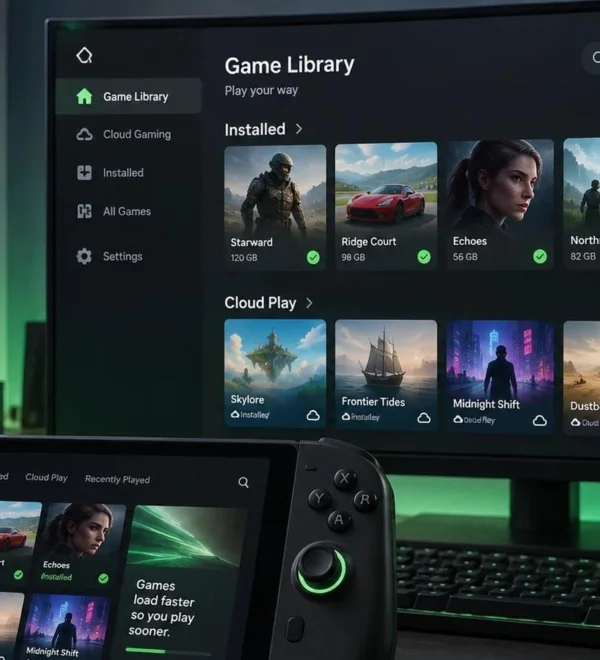 Microsoft Redesigning Xbox App for Windows 11 with Major Update
 It Takes Two Headed to Nintendo Switch 2 with Free Update Within Days
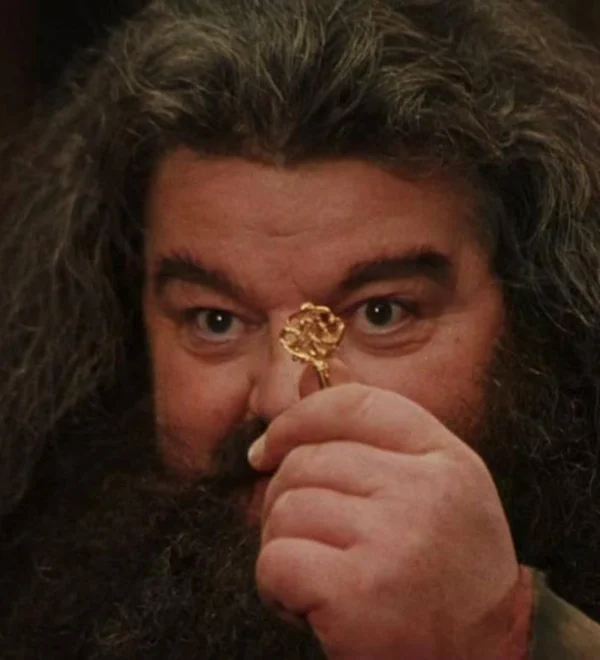 JND Studios Teases Hyper-Realistic Rubeus Hagrid Statue
 007 First Light Gets Performance Mode on Xbox Series S
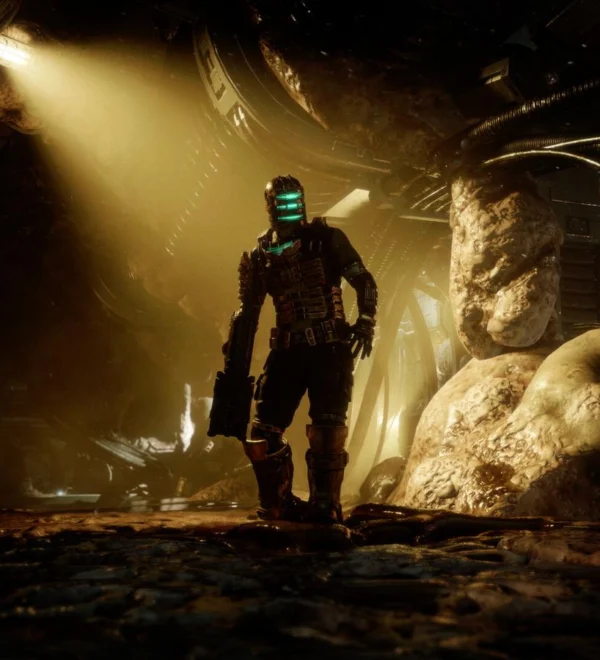 Remedy Begins Full Production on Max Payne Remakes
 New Crazy Taxi: World Tour Trailer Showcases Brazil
 Ubisoft Promotes Diversity, Equity, and Inclusion Director to Head of AI Implementation