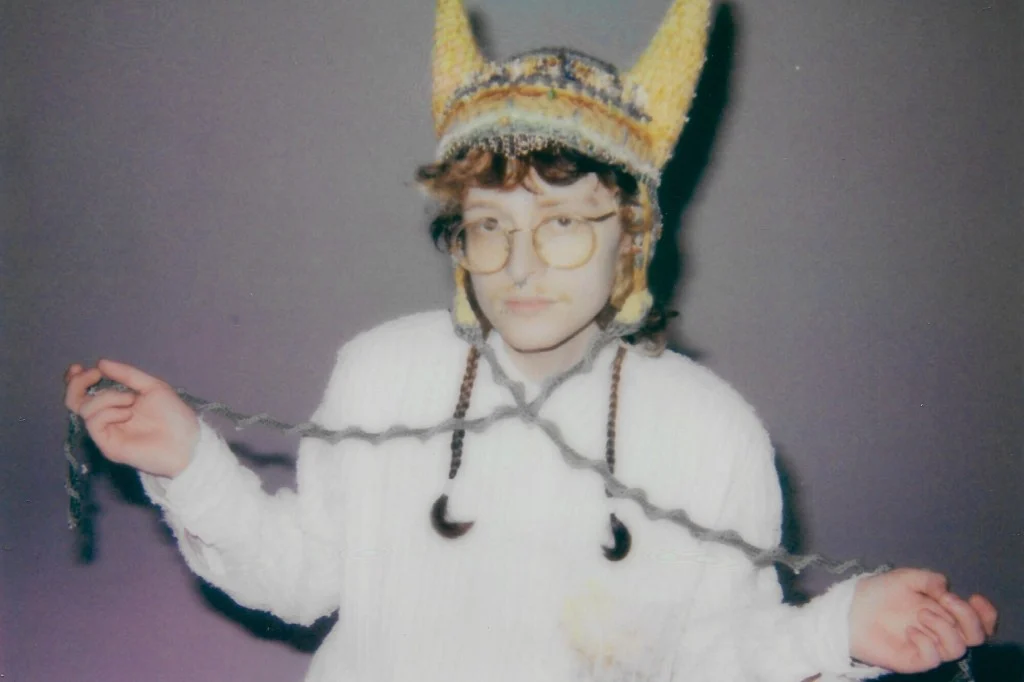
The Inspiration Behind Cavetown’s ‘Cryptid’ Music Video: Protests, Skin-Walkers, and Trans Defiance
Beyond the Shadows: Cavetown on the Allegorical Power of “Cryptid”
In the current cultural landscape, the conversation surrounding trans identity is louder than ever, yet the voices of trans individuals themselves are frequently sidelined by political theater. Robin Skinner, the creative force behind Cavetown, is shifting that dynamic. With the release of the music video for “Cryptid”—a highlight from the new album Running With Scissors—Skinner utilizes a rich, mythical allegory to depict a marginalized community that finds its strength not in aggression, but in the simple, radical act of existing.
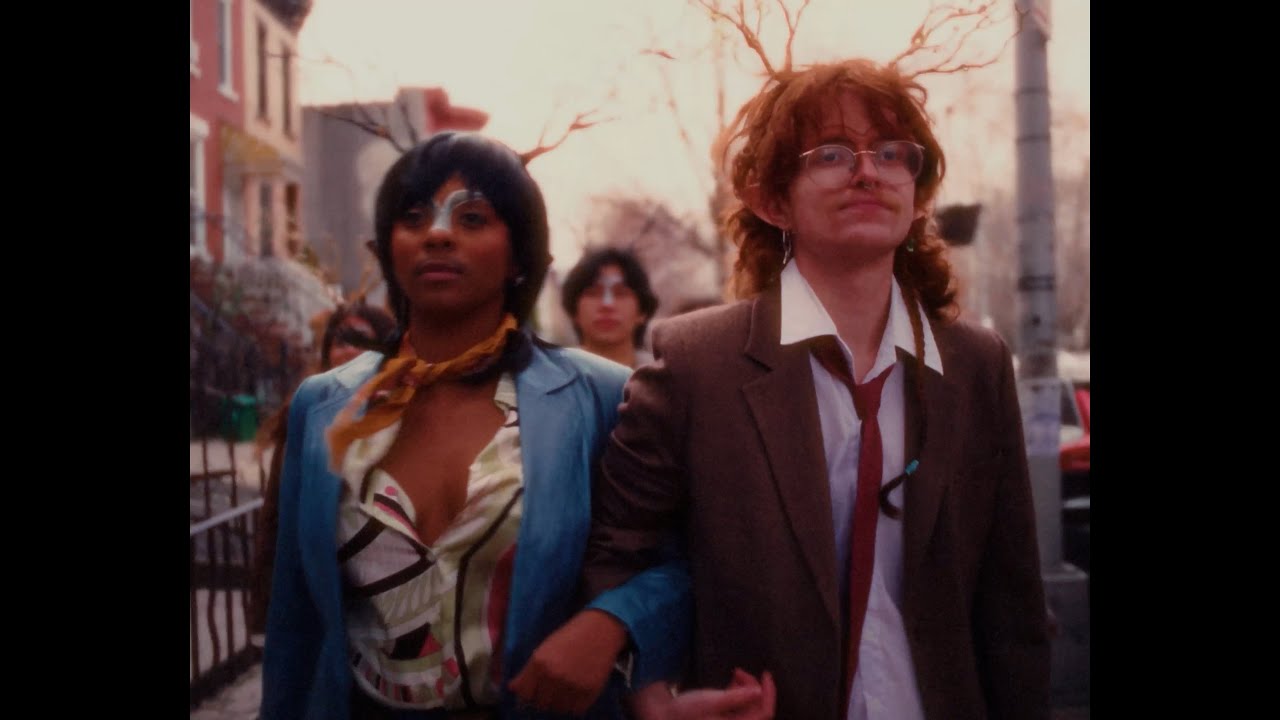
Directed by Australian visual artist Eden Mili, the video transforms the streets of New York and a Brooklyn roller rink into a sanctuary for deer-like beings who emerge from the shadows. Below, Skinner and Mili discuss the historical nods, the philosophy of “peaceful uprising,” and the personal evolution behind the track.
A Meeting of Creative Minds
Despite the cohesive vision of the video, the two of you didn’t meet in person until the cameras were rolling. How did this collaboration take shape?
Eden Mili: It was a bit of a whirlwind. The day of the shoot was actually our first face-to-face meeting, though we had spent a lot of time aligning our visions beforehand.
Cavetown: I had a specific atmosphere in mind for this world, but I needed a collaborator who could bridge the creative divide. When I saw Eden’s treatment, it stood out immediately. The aesthetic—the color palette, the typography, the sheer attention to detail—felt exactly like the world I had imagined. Most importantly, Eden understood that this wasn’t about violence. Other concepts I saw leaned into a “revenge” narrative where the cryptids attack their hunters. I wanted to move away from that. We aren’t trying to prove the stereotypes of “violent protesters” right. This is about a community demanding to be seen and refusing to be erased. Uprising is about presence, not destruction.
Decoding the Symbolism
The video feels deeply rooted in queer history. What were some of the specific references you tucked away in the frames?
Mili: We wanted to ground this fantasy in reality. For instance, the diner host—who represents the “hunter” or antagonist side—wears a name tag that says “Phyllis,” a nod to anti-trans activist Phyllis Schlafly. Later, the cryptids wear purple sashes, which are a direct homage to the sashes worn during the Stonewall Riots. I’ve spent a lot of time at protests, and they are overwhelmingly spaces of community and peace. I wanted to capture that specific energy of queer resistance.
The “Cryptid” look—specifically the deer-like features—is very striking. What led to that specific animal hybrid?
Cavetown: It started with the lyrics and the idea of “trail cam” footage. There is something about those grainy, distorted images of skin-walkers or forest creatures that reminds me of how trans lives are often viewed through a warped lens. People see snippets of our lives and twist them into something unrecognizable or threatening. I’ve always found deer to be the perfect metaphor: they possess a certain grace and beauty, but they also have a sharpness to them. They are peaceful, but they aren’t helpless.
Power and Presence
“Cryptid” carries a certain bite that feels different from your previous work. Is that a reflection of where you are emotionally?
Cavetown: It’s definitely born out of frustration, but a frustration that has evolved into empowerment. For a long time, I felt like I couldn’t speak up unless I had a “constructive” or world-changing solution. Now, I realize that my power lies in the simple fact that I exist. You can pass laws and try to legislate people out of public life, but you can’t destroy a community that is grounded in itself. This song is me saying, “You don’t get to define me. I deserve to be here.”
How did the actual filming process feel? Was it a cathartic experience for the cast and crew?
Cavetown: I was actually quite nervous. I’m still relatively new to New York, and I’ve spent a lot of my life feeling somewhat isolated from the very community I write songs for. Stepping into a room full of queer extras and collaborators felt like a big step, but it was incredibly rewarding. I made genuine friends on that set.
Mili: It was moving to see how people connected with the track in real-time. Even our actor playing the “Phyllis” character, Nadine, had a deep personal connection to the message. She shared a heartbreaking story about her son, who faced intense bullying after coming out. For her, being part of this project was a way to honor his memory and contribute to something that celebrates queer life.
Reflecting on “NPC” and Finding Home
Switching gears to another track on the album, “NPC” deals with a very different kind of isolation. Where did that concept originate?
Cavetown: That song is actually inspired by an imaginary friend I had as a kid named Mr. Nobody. He was this figure who was always “away on business”—the embodiment of absence. As I’ve spent more time touring and living out of suitcases, I realized I had become Mr. Nobody. Constant travel can make you feel like you aren’t really “anywhere.” Writing “NPC” helped me realize that I have to find a sense of home within my own body. No matter where the bus goes or what hotel I’m in, I am my own constant. That realization brought me a lot of peace.
Related articles
 Taylor Swift Says Nashville Songwriters “Raised Me” During Hall of Fame Induction
 Macklemore, Hozier and Kneecap Perform at Sold-Out Free Palestine Benefit Concert in Dublin
 G Flip Splits From Chrishell Stause After 3 Years of Marriage: ‘My Head and Heart Are Feeling Very Heavy’
 Seattle Seahawks Throw Shade at Taylor Swift and Travis Kelce After Ending Kansas City’s Undefeated Streak
 Jack Antonoff Was ‘Worried’ About Performing Songs He Wrote for Margaret Qualley After Their Split
 Jack Antonoff Criticizes Ed Sheeran for Bowing to a Billionaire in Macklemore Tour Controversy, Saying ‘Stand the F–k Up’
 Harry Styles Dances Through Differences With a Group of Strangers in “Coming Up Roses” Video
 Lana Del Rey Helps Stranger ‘Trying to Stay Out of an Abusive Relationship’ While Listening to Tate McRae