Nicolas Cage’s Jesus-Themed Horror Film Falls Flat

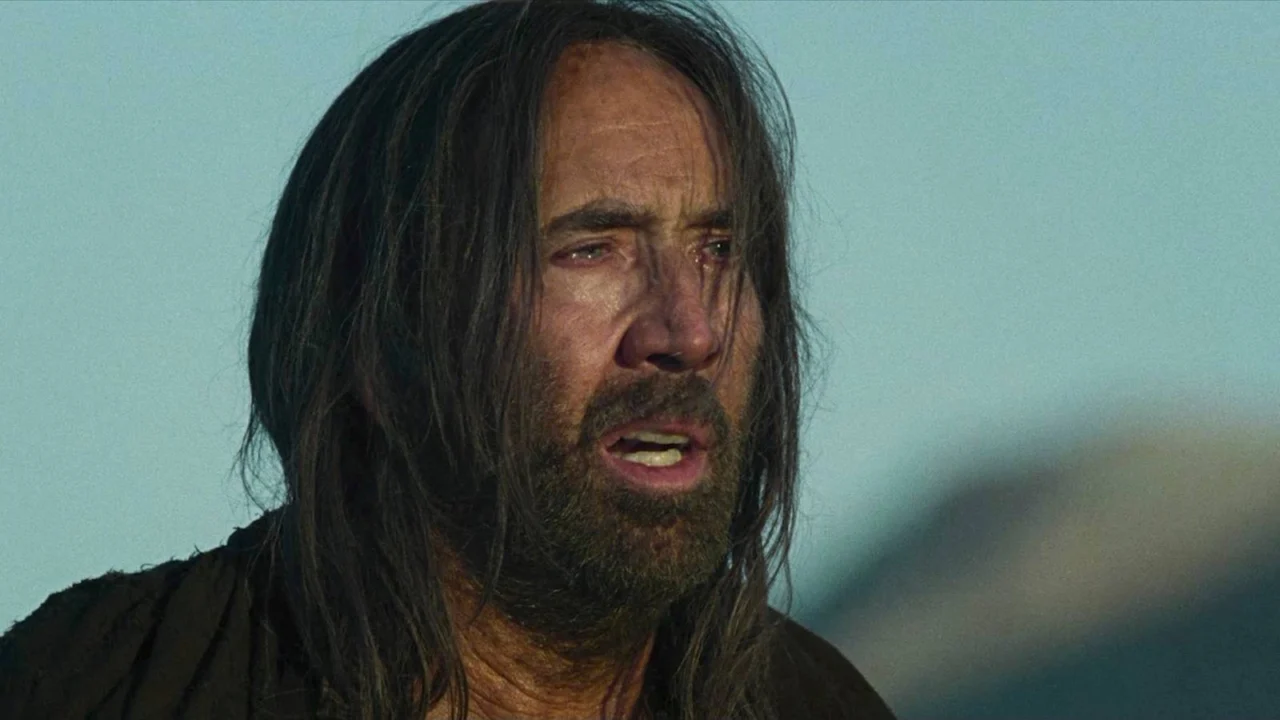
Nicolas Cage feels like an inspired choice for a daring, faith-tinged horror film — but not for the obvious reasons the internet might assume. He isn’t cast as Jesus in The Carpenter’s Son; the credits list him simply as The Carpenter. In the film he plays a guardian figure to The Boy (Noah Jupe), a teen adopted into their household, who begins to display unsettling, possibly divine abilities. Cage’s performance anchors the piece: his portrayal of a man burdened by faith lends the film a gravity that makes other casting choices harder to imagine.
In recent years Cage has been more selective with his projects, balancing prolific genre work with prestige turns in films from A24 and Neon like Dream Scenario and Pig. The Carpenter’s Son positions itself along that seam — a genre film that aims to be provocative and austere rather than gleefully campy.
https://youtube.com/watch?v=3GSUbJB0oOg%22+title%3D%22The+Carpenter%27s+Son+Trailer%22+frameborder%3D%220%22+allow%3D%22accelerometer%3B+autoplay%3B+encrypted-media%3B+gyroscope%3B+picture-in-picture%22+allowfullscreen+style%3D%22position%3Aabsolute%3Btop%3A0%3Bleft%3A0%3Bwidth%3A100%25%3Bheight%3A100%25%3B
Writer-director Lotfy Nathan establishes an intriguing premise: the story reads like an adaptation of a lost, apocryphal gospel chronicling a formative episode in Christ’s youth. The Carpenter, The Mother (FKA twigs) and their son drift between settlements to evade suspicion as The Boy’s powers reveal themselves. Nathan leans into a nomadic, fearful atmosphere — “Calamity follows us,” The Carpenter observes — and soon the family attracts dangerous attention, pulling them into a grim cycle of temptation and dread.
Tonally the film flirts with possession cinema — similar to The Exorcist in its dread — but its characters aren’t literally possessed. Instead, relationships fray under the weight of eerie visions and escalating hostility. The Boy forms a bond with a local girl (Isla Johnston, credited as “The Stranger”), whose own encounters with whatever haunts the town complicate the family dynamics. The Carpenter in particular is riven by doubt and anger, struggling to reconcile paternal duty with a mounting spiritual crisis.
Nathan handles the subject matter with obvious care, perhaps to a fault. His reluctance to sensationalize the story often leads him to obscure key moments in a wash of low-light cinematography and brooding silence. That restraint is defensible given the film’s religious contours, but it also yields a narrative that can feel withdrawn and overly cautious. Performances sometimes drift toward ritualistic stillness — FKA twigs, who hinted at range in other genre work, largely inhabits the film’s Marian quiet — broken sporadically by shocks of unsettling imagery.

That said, Cage occasionally slips into the kind of heightened performance some viewers expect from him — a raw, operatic outburst punctuates the film’s quieter stretches. There’s an extended scene, featured in the trailer, in which he cries that his faith has been “shattered,” a moment that treads the line between anguished authenticity and melodrama. Anecdotes from production — including an alleged incident involving bees while shooting in a cave — have already fueled the internet’s appetite for Cage lore, but the film itself rarely leans into carnival energy; it prefers a more sober register.
Compared to some of Cage’s more pulpy straight-to-DVD fare from the 2010s, The Carpenter’s Son aspires to something more austere, though it does not always sustain that ambition. Where those lesser films sometimes offered straightforward entertainment, this one trades in a slow-burning, devotional mood that can feel wearisome when it repeats the same emotional notes without variation.
As a critic I long resisted dismissive shorthand like “boring” because it fails to describe the specifics of a viewing experience. Even so, much of The Carpenter’s Son tested my patience: its rhythms lock into a steady simmer of distress that seldom escalates into catharsis or revelation. Cage remains compelling in scenes of spiritual torment, but even his intensity can’t rescue a script that prefers to linger rather than to interrogate or transform.
Release: The Carpenter’s Son opens in theaters on November 14, 2025.
Source: Polygon
Related articles
 Ryan Reynolds’ “Mayday” receives positive reviews from critics
 “Daddy’s Daughters” wedding sequel to be released in 2027
 Halle Berry and Colin Firth to Star in New Rom-Com
 Netflix Begins Filming New Dan Brown Adaptation
 Spider-Noir series canceled after first season
 Actors cast as Dobby and Tom Riddle for Harry Potter season two
 International “Doker” Film Festival Kicks Off in Moscow
 Milla Jovovich to Appear in the New Season of “Hot Rivalry”