
Microsoft is Changing DirectX: Machine Learning and the End of Game Stuttering
At GDC 2026, Microsoft unveiled a suite of groundbreaking innovations poised to reshape the PC gaming landscape. The presentation focused heavily on embedding machine learning algorithms directly into the graphics pipeline and resolving the chronic “shader compilation stutter” that plagues modern titles. Additionally, the company pulled back the curtain on the next evolution of hardware ray tracing.
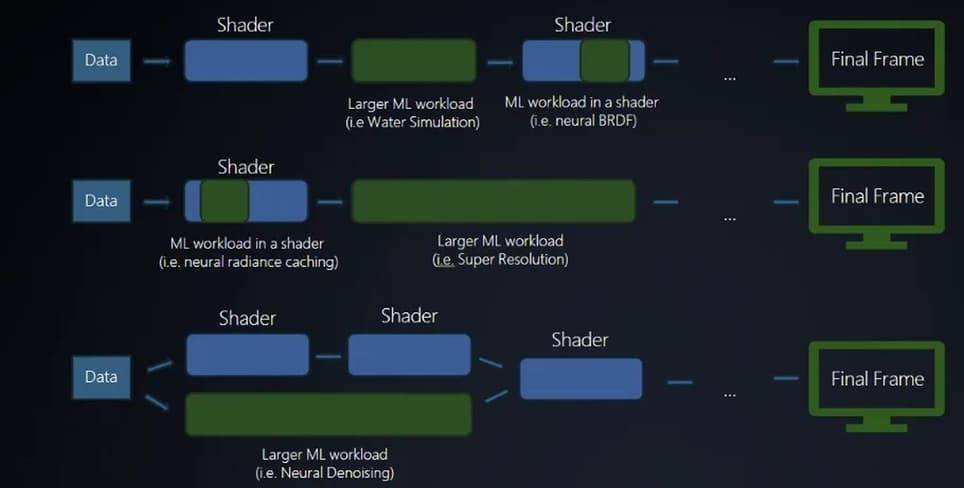
The integration of machine learning within the DirectX ecosystem is built upon several pillars. The new Shader Model 6.9 architecture introduces robust support for vector operations, alongside a debut feature called DirectX Linear Algebra. This allows developers to handle complex vector and matrix mathematics with unprecedented efficiency at the shader level.
Microsoft also demonstrated the DirectX Compute Graph Compiler, a tool designed to execute machine learning models with native GPU performance without requiring developers to manually overhaul their codebases. Public previews of these developer tools are scheduled to roll out in April and through the summer of 2026.
For the average player, the most significant announcement was Advanced Shader Delivery. This technology aims to eliminate the excessive load times and frame-rate drops caused by real-time shader compilation. Under this new system, developers can pre-package shaders optimized for specific hardware configurations and distribute them via digital storefronts alongside the game itself.
The keynote concluded with the introduction of DXR 2.0, the latest iteration of hardware ray tracing libraries. This standard is intrinsically linked to the Shader Model 6.10 instruction set and necessitates support for Opacity Micromaps. Initial preview builds for the standard are expected in late summer 2026, with major hardware vendors like NVIDIA, AMD, Intel, and Qualcomm already signaling their readiness to adopt these technologies.
Related articles
 Musicians Talk About Vampire: The Masquerade – Bloodlines Remake, but Fans Remain Skeptical
 Battlefield 6 Developers Respond to Memes About Paid “AI Slop” Skins and Explain Design Choices
 SPINE Gets New Trailer Focused on Main Character Customization
 Unofficial Android Port of Call of Duty 4: Modern Warfare Reportedly Runs at 60 FPS in Gameplay Videos
 Cyberpunk 2077 Co-Op Mod in Development, Gameplay Trailer Released
 Toxic Arc Raiders Players Found a Way to Harass Others in PvE Mode
 First Look at Drova II Torn Lands, Sequel to the Pixel Art Gothic-Like RPG
 CDPR Didn’t Expect Such Big Interest in The Witcher 3 Remaster, Which Set a New Record