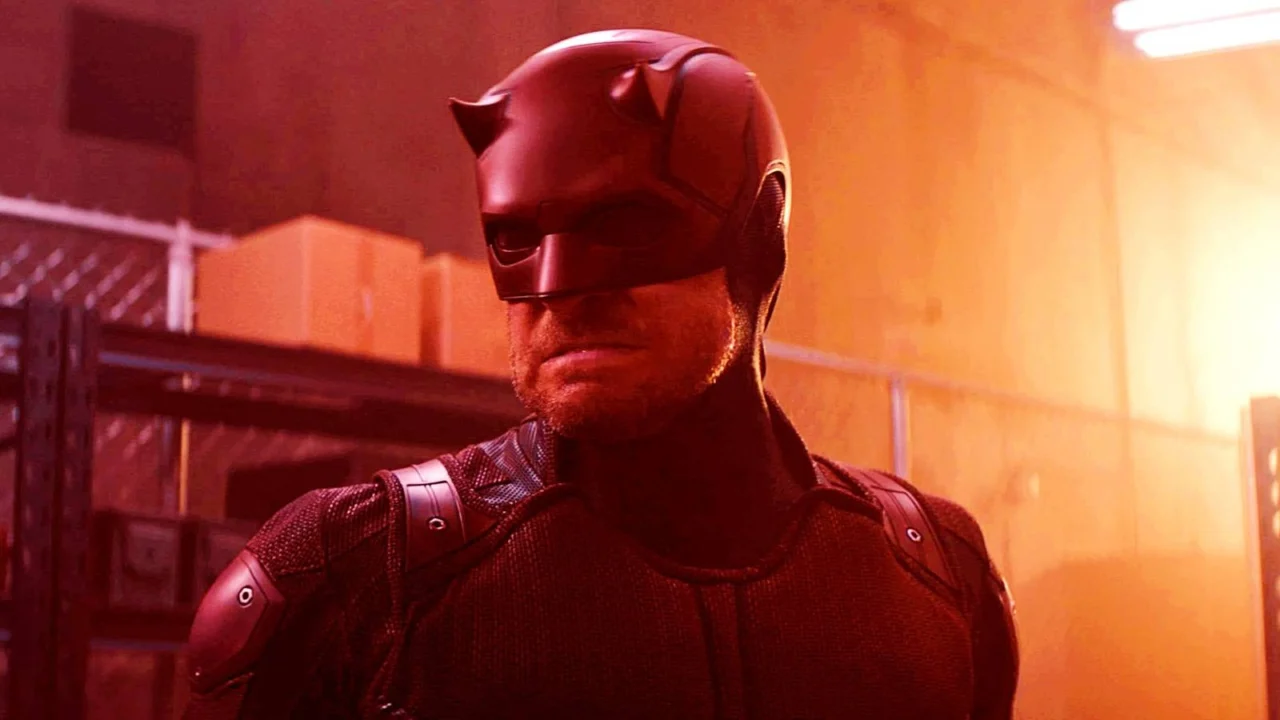
Marvel’s Best 2026 Series Ended on a Ridiculous Note

Throughout the latest season of Daredevil: Born Again, the show has leaned heavily into explicit political parallels. Mayor Wilson Fisk, portrayed by Vincent D’Onofrio as an volatile, authoritarian businessman, serves as an unmistakable stand-in for Donald Trump. Despite Charlie Cox publicly framing these similarities as “purely coincidental,” they have become impossible to ignore. The introduction of the Anti-Vigilante Task Force (AVTF)—a paramilitary unit operating with impunity to terrorize citizens and vigilantes alike—serves as a thinly veiled allegory for ICE.
Yet, in its closing moments, Daredevil: Born Again takes a jarring, inexplicable turn. The finale not only sabotages the season’s established political commentary but also inadvertently validates—or at the very least, excuses—the January 6, 2021, attack on the U.S. Capitol.
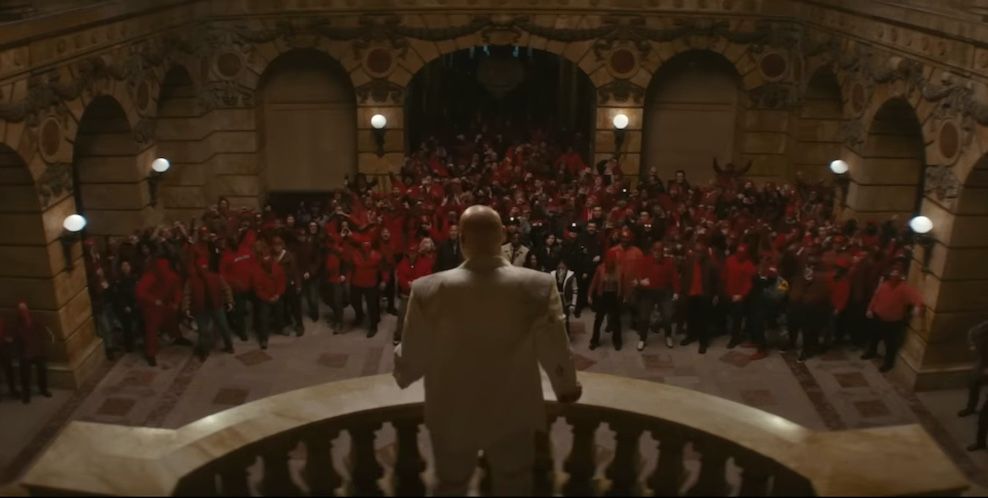
Image: Marvel Studios
In the climactic finale, Matt Murdock defends Karen Page in court. When Murdock uses the trial to publicly unmask himself and implicate Fisk in a series of crimes, chaos ensues. Following an assassination attempt on Fisk’s assistant, a tense standoff develops between the AVTF and a crowd of Daredevil supporters inspired by journalist BB Urich. It culminates in a scene where these protesters storm the courthouse—a visual recreation of the January 6th insurrection that is difficult to misinterpret.
To put it bluntly, the showrunner’s intent is baffling, and the resulting narrative is deeply unsettling.
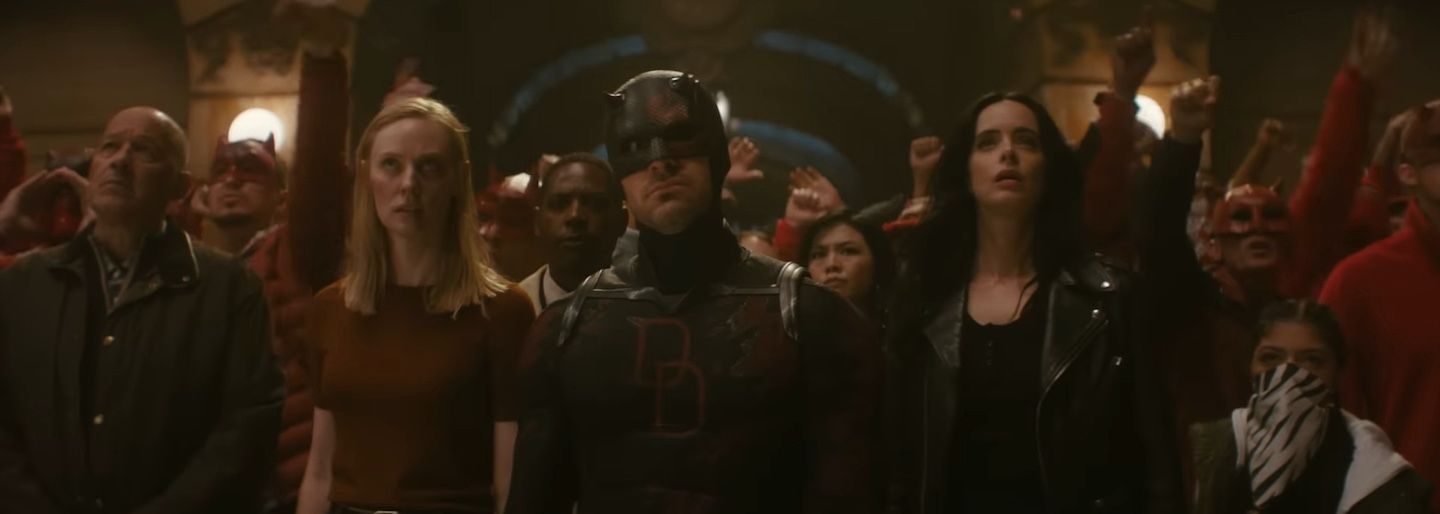
Image: Marvel Studios
If Fisk and the AVTF represent the dangers of fascism and state-sponsored hatred, why place the show’s protagonists and their supporters in the position of those attempting to overthrow the government? The visual cues are heavy-handed: protesters donning red devil masks, red handkerchiefs, and notably, bright red baseball caps reminiscent of MAGA iconography. Whether this was intended as a critique of mob mentality or a clumsy attempt at irony, the message is dangerously muddled.
The sequence also leans into damaging tropes, such as the debunked myth that authorities willingly facilitated the breach of the Capitol. Furthermore, depicting Fisk as a brawling anti-hero fighting the mob creates a strange, inverted “revenge fantasy” that bears no resemblance to the historical reality of January 6th, where the orchestrator watched from a distance.
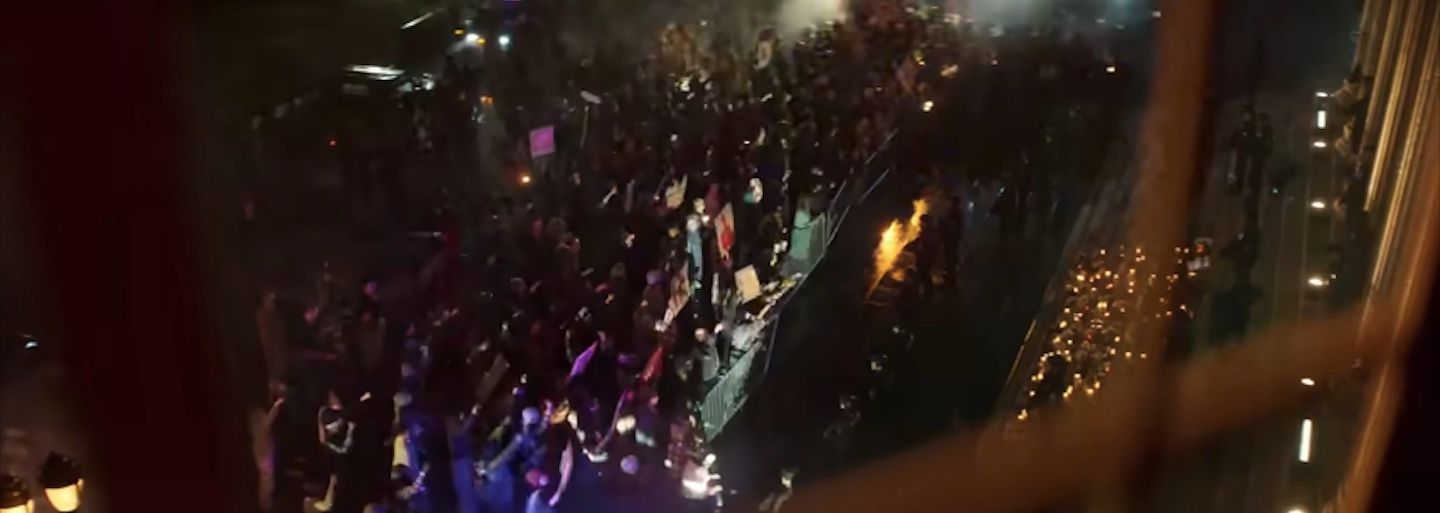
Image: Marvel Studios
In an interview with Entertainment Weekly, the showrunner explicitly admitted to drawing inspiration from that dark day in history, stating that “history tends to repeat itself if not learned from.” However, the execution undermines that sentiment entirely. By equating the citizens of New York—previously established as victims—with the insurrectionists who sought to dismantle democracy, the finale offers a insulting, incoherent moral framework.
Ultimately, when Daredevil finally intervenes and shouts, “We’re better than this!”, the audience is left wondering why the show felt the need to drag its characters through the mud of such a volatile real-world tragedy to get to that point.
Source: Polygon
Related articles
 Valve Announces Dates for Upcoming Steam Sales and Festivals
 Microsoft Redesigning Xbox App for Windows 11 with Major Update
 It Takes Two Headed to Nintendo Switch 2 with Free Update Within Days
 JND Studios Teases Hyper-Realistic Rubeus Hagrid Statue
 007 First Light Gets Performance Mode on Xbox Series S
 Remedy Begins Full Production on Max Payne Remakes
 New Crazy Taxi: World Tour Trailer Showcases Brazil
 Ubisoft Promotes Diversity, Equity, and Inclusion Director to Head of AI Implementation