How Critical Role Makes the World of Aramán Matter — One NPC at a Time

New Critical Role Dungeon Master Brennan Lee Mulligan has been quietly building a sprawling, morally fraught Campaign 4 — a godless Aramán born from the fallout of a divine collapse and punctuated by the harrowing execution of Thjazi Fang. The first four installments immersed viewers in the labyrinthine streets of Dol-Makjar, a metropolis thick with backroom deals and political maneuvering. Last Thursday’s episode marked the series’ first non-Overture installment to venture beyond the city limits, giving us a clearer sense of the wider world.
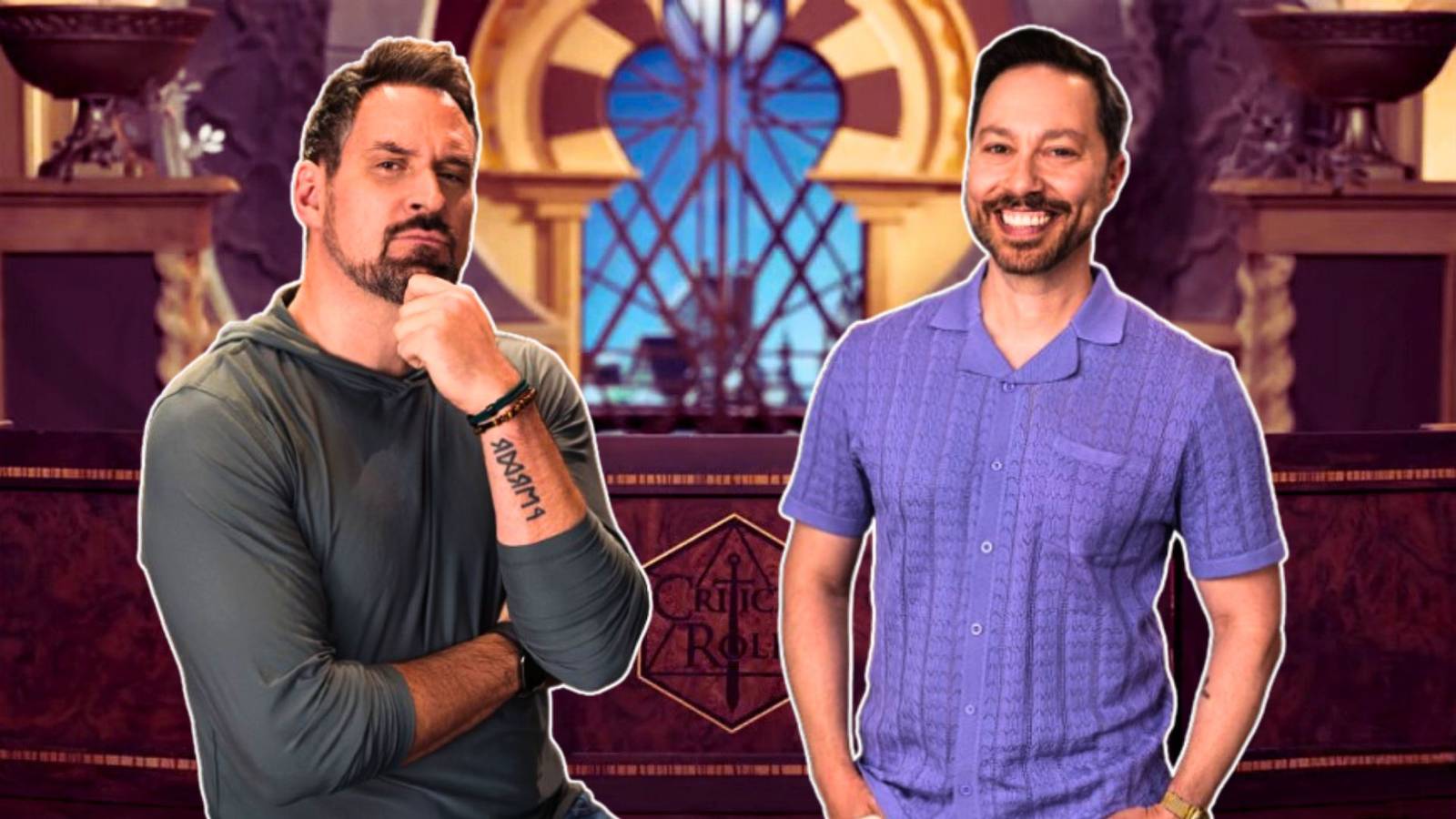
On this outing the focus rested on the Soldiers table — Teor Pridesire (Travis Willingham), Thimble (Laura Bailey), Wicander Halovar (Sam Riegel), Kattigan Vale (Robbie Daymond), and Tyranny (Whitney Moore) — as they traveled north toward Timmony in pursuit of Cyd Pridesire, Teor’s missing brother. Though the episode ran shorter than recent entries, it delivered a central revelation: Aramán still contains people worth defending.
That emphasis matters because Mulligan’s opening chapters are unusually bleak. The campaign begins under a shadow: an execution followed by a funeral for a character the cast had come to care about. In previous Critical Role campaigns, even the darkest moments were tempered by an underlying current of hope; Campaign 4 intentionally leans harder into hopelessness at first, which makes moments of kindness feel that much more significant.
 Image: Critical Role
The Overture episodes have sketched a landscape still reeling from the cataclysm that felled the gods. Dol-Makjar has become a battleground for the Sundered Houses, an entrenched faction attempting to hollow out the Revolutionary Council’s authority through privatization, fake cults, and even using necromancy to terrorize households. In such a setting it’s easy to ask whether Aramán is worth saving — the world sometimes reads like a tabletop campaign turned dystopia.
Episode 5 counters that cynicism by introducing two compact but resonant NPCs: Brookmeadow and Ulbid. Brookmeadow is a fae who, mistaking Thimble for a captive of the ‘big people,’ spirited her away toward a hidden enclave called Hawthorn’s Glade. She ferries Thimble along a stream and uses an air bubble to converse and shield her, then frees her once she recognizes Thimble and the rest of the group as allies — also cautioning them about the dead that prowl the woods and roads. The exchange is brief but rich: it reveals that displaced fae have banded together into fragile communities, and it conveys worldbuilding through character interaction rather than exposition.
Ulbid is the other memorable figure: an ancient, eccentric gnome whose roadside observatory looks more like a junkyard than a home. His odd habits — including the candid admission that he watches travelers — unsettle characters like Kattigan and Teor, and I expected Mulligan to eventually reveal some darker twist. That reveal never came. Instead, Ulbid is driven by a quieter sorrow: his three daughters left to fight in a decades-old war roughly 15 years ago and never returned. He keeps vigil on the roads in the stubborn, heartbreaking hope they might come home.
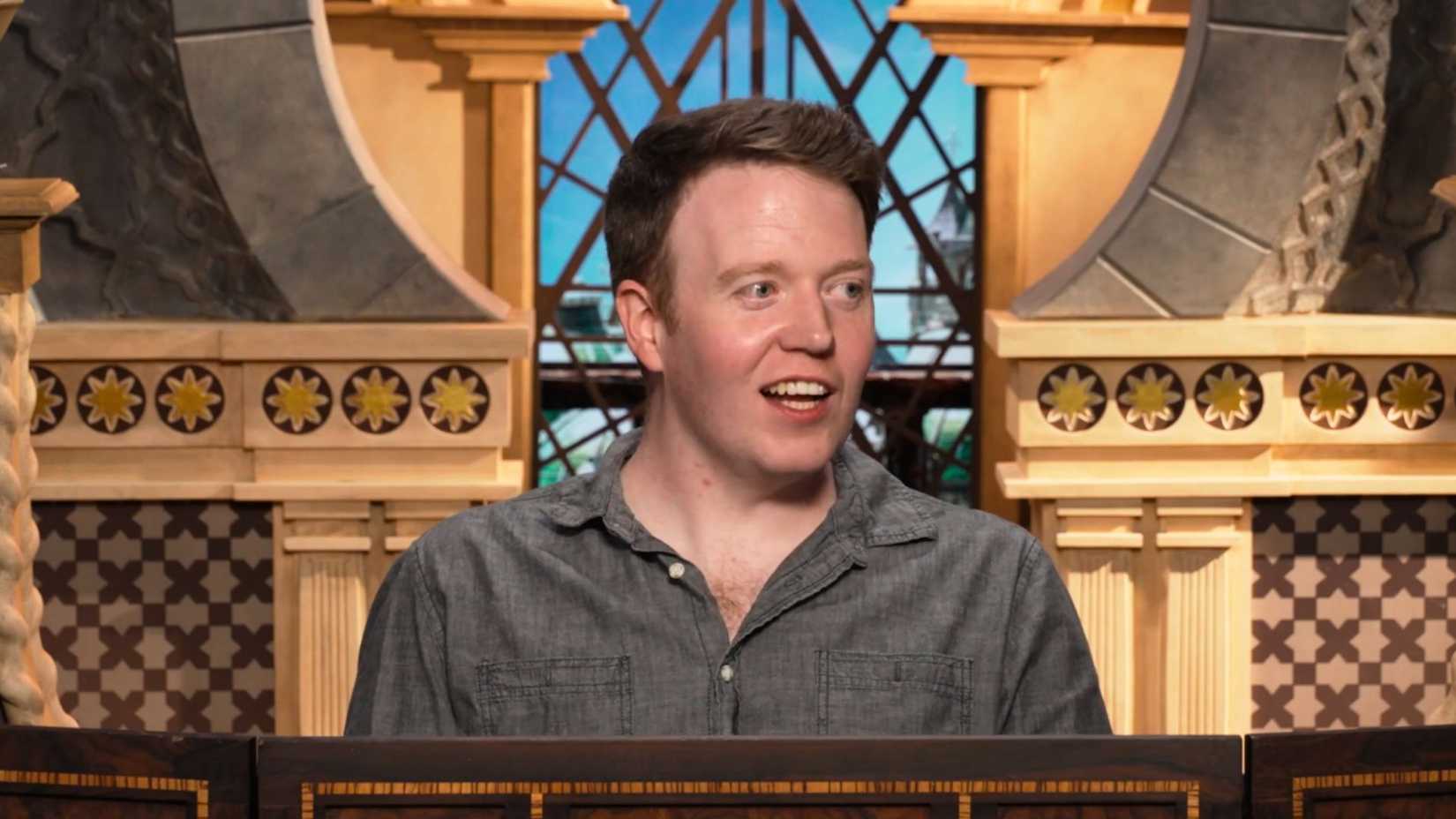 Image: Critical Role/Beacon
For a GM like Mulligan — who has a reputation for pulling emotional punches — the Ulbid beat works precisely because it refuses the easy, cruel twist. After the episode, the players admitted on Cooldown that they had braced for a darker reveal; instead, Mulligan let Ulbid’s grief stand as a quiet testament to the campaign’s human cost. Moments like these underscore why Mulligan reminded viewers that the stakes matter: the world feels worth defending because people in it are worth saving, not just because of abstract politics or cityscapes.
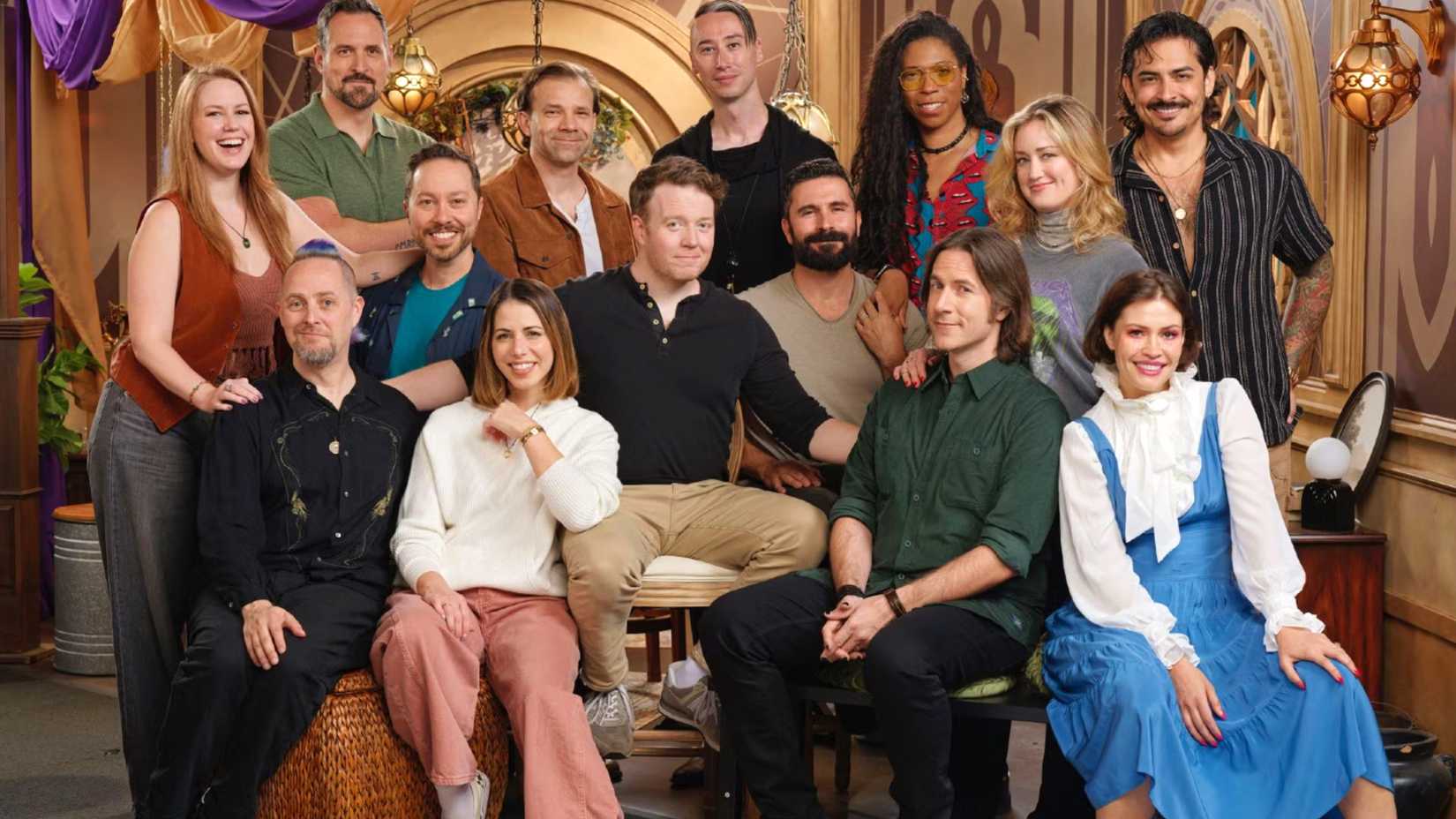 Image: Critical Role
These two small, poignant encounters do more than tug at the heartstrings: they communicate essential lore about Aramán and illustrate a design principle that’s central to effective worldbuilding. You can craft magnificent histories and elaborate mechanics, but if your players or audience can’t care about the people living in that world, those details fall flat. By introducing Ulbid and Brookmeadow — characters who embody loss, resilience, and the quiet work of caring for others — Mulligan gives players and viewers a human anchor in a grim landscape.
Ulbid’s vigil for daughters lost to war and Brookmeadow’s willingness to risk herself to protect a stranger both suggest that even after the Shapers’ War and the fall of the gods, the people of Aramán build small, fragile communities to survive. Those communities are what make the campaign’s conflicts meaningful, and they’re the reason I’m eager to keep exploring this world.
Source: Polygon
Related articles
 The New “Narnia” Will Be One of Netflix’s Most Expensive Projects
 New Cameron Diaz Film to Be Released in December
 “Obsession” Has Grossed $500 Million
 “Spider-Man: Brand New Day” Eyes Historic Record
 National Treasure 3 Officially in Development
 “Yellowstone” Creator Taylor Sheridan Accused of Plagiarism
 Jaafar Jackson discusses the sequel to “Michael”
 Meghan Markle Excluded from New Season of “The Gentlemen”