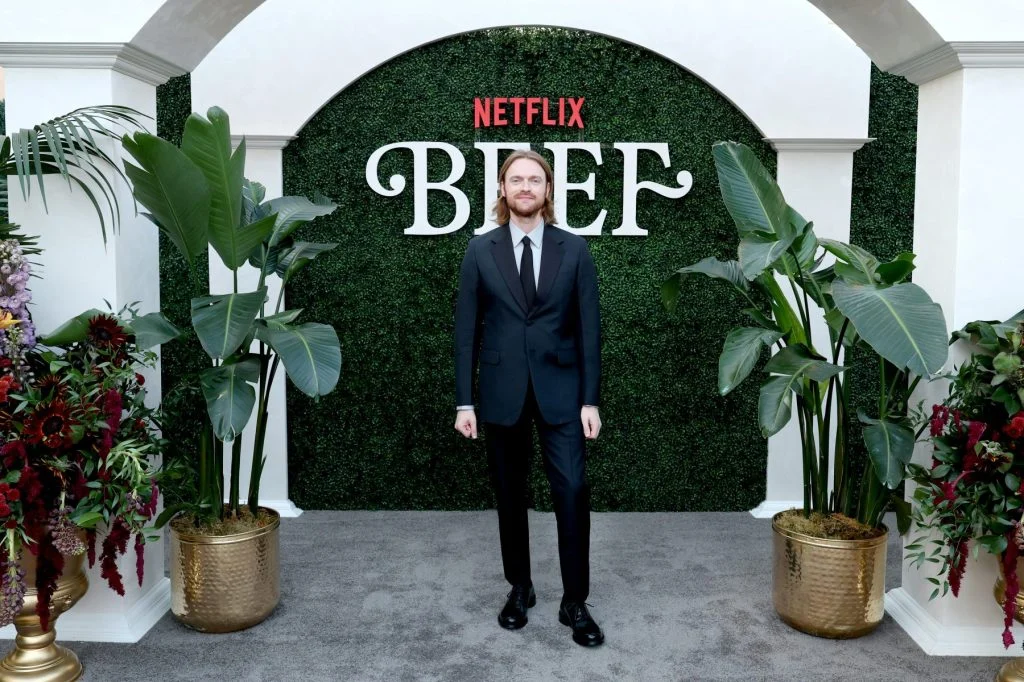
FINNEAS on Scoring the New Season of ‘BEEF,’ Finding His Voice & His EGOT Ambitions
Finneas O’Connell: From Grammy Powerhouse to the Gritty Soundscape of ‘BEEF’ Season 2

Could an Emmy be the next jewel in Finneas O’Connell’s already glittering crown? At just 28, the polymathic producer, artist, and activist has effectively reached the halfway point to an EGOT. With 11 Grammys and two Academy Awards—thanks to the soaring success of “No Time To Die” and Barbie’s “What Was I Made For?”—Finneas is operating at a level few artists ever achieve.
Now, he sets his sights on the small screen. This week, his atmospheric score for the highly anticipated second season of Netflix’s BEEF arrives via A24. Returning on April 16, the anthology series shifts its lens to a new ensemble cast, including Oscar Isaac, Carey Mulligan, Charles Melton, and Cailee Spaeny, exploring the raw friction of contemporary life, class disparity, and the dark undercurrents of the American dream.
Finneas spent an exhaustive year internalizing the series, crafting a soundtrack that is as jagged and contemplative as the show itself. It is a sonic progression from his previous scores for The Fallout and Disclaimer, marking a new chapter in his filmography. Perhaps most notably, he even steps in front of the camera, delivering a hilariously biting, self-deprecating cameo that fits perfectly within the show’s cynical worldview.
Beyond his musical prowess, Finneas remains one of the few prominent voices in pop culture who refuses to stay silent on socio-political issues. In an era where many artists opt for neutrality, he finds inspiration in projects like BEEF, which peels back the veneer of modern existence to expose the systemic inequities lying just beneath the surface.
A Conversation with Finneas
You make a memorable, if not entirely flattering, appearance in the new season. Was playing a “version” of yourself as unlikable as it seemed?
It was a absolute blast. When you’re in the California entertainment bubble, there’s an inherent privilege that can feel quite hollow. The show leans into that, using cameos from people like Michael Phelps or Benny Blanco to highlight that world. Honestly, I’d have felt far more self-conscious playing an “idealized” version of myself. Leaning into the absurdity of a pompous, cynical caricature felt liberating.
Does composing for a series feel fundamentally different from the creative process behind your solo albums, like For Cryin’ Out Loud!?
They’re distinct experiences. A soundtrack is an immersive world you’re building to serve a narrative. I’m incredibly proud of this music as a standalone project, but it’s inextricably linked to the viewing experience. I like to think of it like the great film scores of John Williams—melody is the anchor. Whether it’s ambient synth layers or rhythmic percussion, those themes are there to pull the audience deeper into the character’s psyche.
You’ve become a voice for social causes. Do you ever feel the pressure to step back from that, or does the current state of the world make it impossible to remain quiet?
I feel a deep sense of empathy for those navigating a system that feels increasingly rigged against them. Whether it’s participating in community efforts or speaking out on policy, it just feels like the right thing to do. If I have a platform, I want to use it to highlight the human cost of things like our broken healthcare system. It’s not just an obligation; it’s a reflection of the world we’re all living in.
What’s on the horizon for 2026?
It’s a busy year. Beyond the release of this score, I’m deeply focused on new music with Billie, which has been incredibly rewarding. And, on a personal note, I’m getting married, which is the most exciting milestone of all. We’re in a great place creatively, and I’m just grateful for the opportunity to keep building these worlds.
Related articles
 Seven Takeaways From Head Trip 2026
 Jonas Brothers Perform During 9th Inning of Banana Bowl Amid Screaming Fans
 Zach Bryan Announces New Project Featuring Song With Lana Del Rey and Reveals Release Date
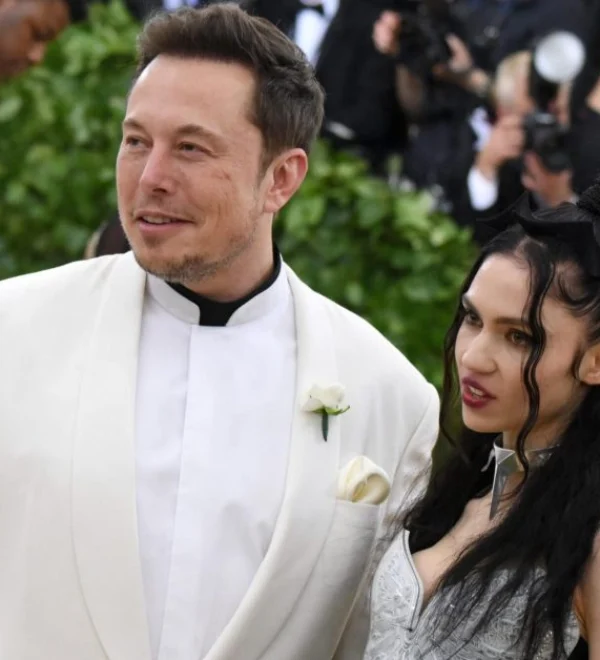 Grimes Says She Is Not Releasing Songs About Elon Musk on Upcoming Album Psy Opera Yet
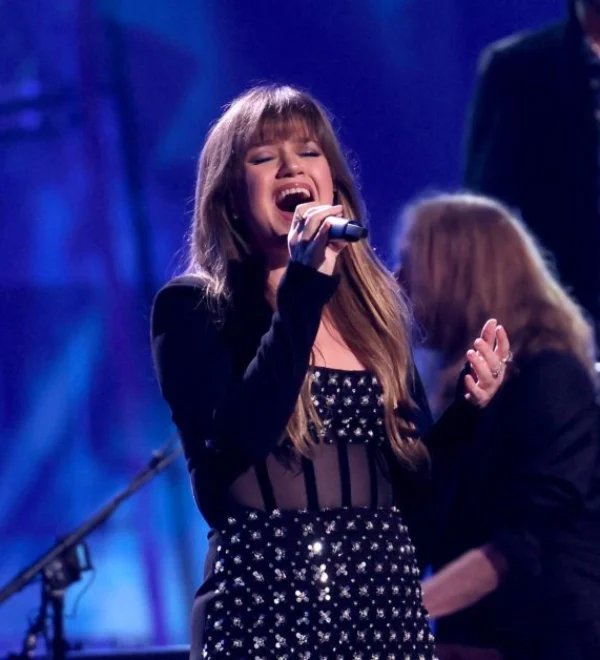 Brooklyn Store Responds After Kelly Clarkson Doubles Down on Feud Saying They Wish Her the Best
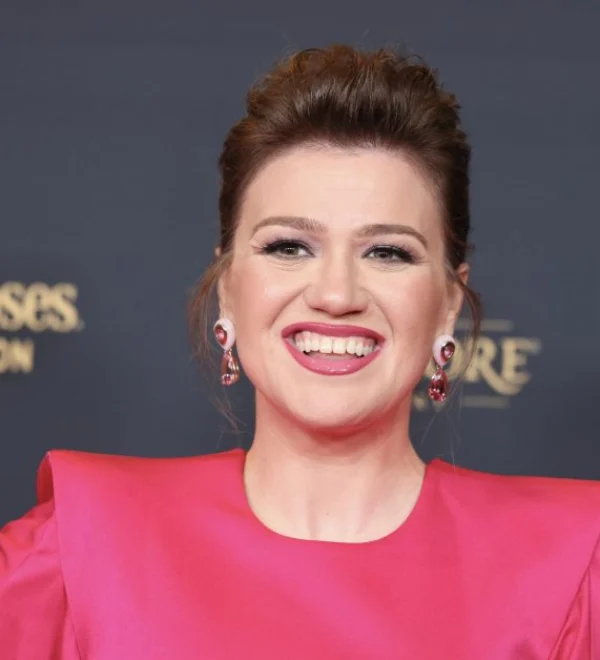 Kelly Clarkson Responds to Brooklyn Store Dispute With New Statement
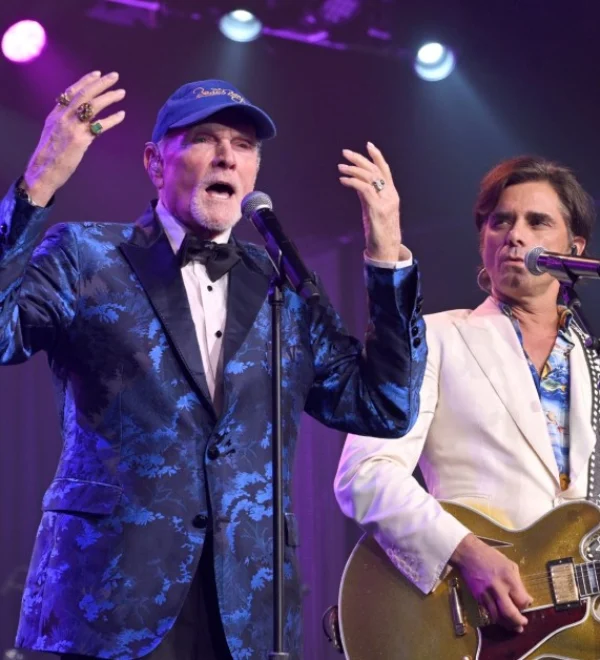 John Stamos Says Mike Love Is Facing Serious Health Challenges
 Troye Sivan’s ‘She’s the Best’ Voted Fans’ Favorite New Music of the Week