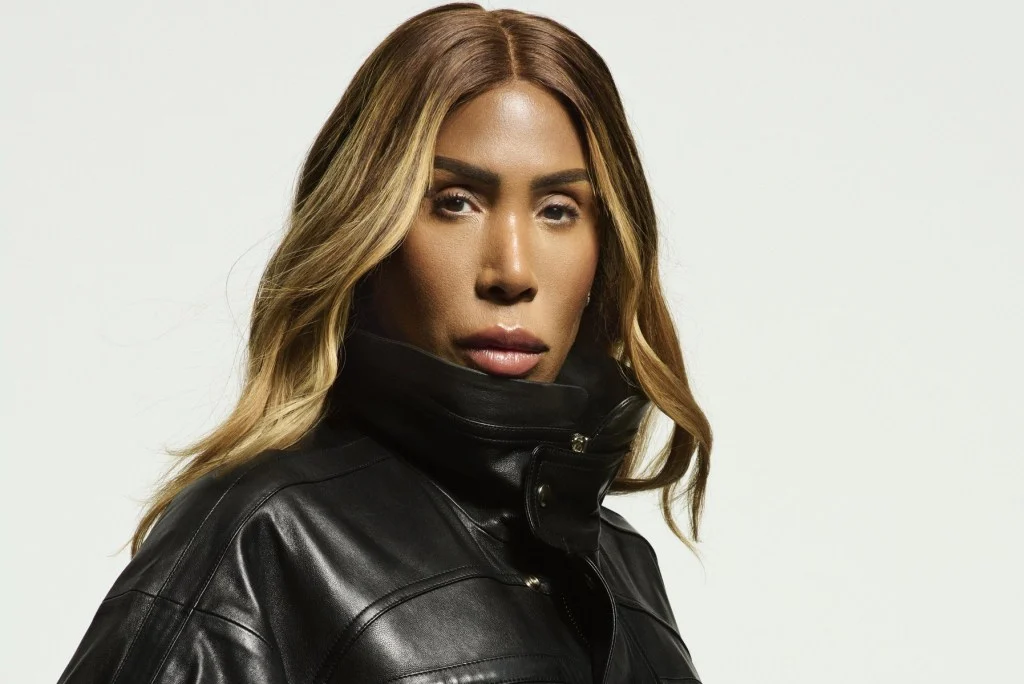

“I wanted to pursue a project that truly pushed me beyond my creative boundaries,” Honey Dijon shares with Billboard from her London residence, reflecting on her artistic evolution.
That ambition has culminated in The Nightlife, the esteemed producer’s third studio album, arriving today (April 16). With a diverse roster of contributors—including Chlöe Bailey, Greentea Peng, and Jacob Lusk—the 14-track collection draws from her three years of life in London. Yet, the record reaches much further back, exploring the foundations of the club culture she experienced in Chicago and New York, celebrating the sanctuary and sense of belonging that nightlife has offered to the LGBTQ+ community for decades.
Now a global fixture on the circuit, Dijon’s summer itinerary features high-profile festival slots at Time Warp Miami, Field Day, Italy’s Adriatic Sound Festival, and Chicago’s ARC. These performances follow an intimate series of club dates specifically curated to debut the album in the very settings that inspired its creation.
Here, Dijon delves into the lessons gleaned from her work with Beyoncé, the distinction between mere entertainment and true club culture, and why, while luxury and art are satisfying, the journey toward self-love remains her greatest achievement.
1. Where are you finding yourself today?
I’m home in London, enjoying a rare, sunny 19-degree afternoon. I had a Pilates session, grabbed a matcha, and enjoyed a long, peaceful walk. It finally feels like spring.
2. What was the first record you ever claimed as your own?
The memories of crate-digging with my father are so vivid. The first 12-inch I ever bought was “Bostich” by Yello.
3. How did your parents view your career path?
My mother worked in airline reservations, and my father managed a drugstore before moving into city landscaping—a very grounded, working-class upbringing. They were incredibly proud, especially after my Grammy win. Losing my father the same year I won was bittersweet, but it remains a deeply meaningful moment for our family.
4. What was your first significant non-musical purchase?
A Cartier Clou bracelet. I remember being on tour in Manhattan for my birthday and treating myself to the rose gold version. I still wear it today.
5. Essential listening for a newcomer to electronic music?
I’d suggest a mix of influences: Danny Tenaglia’s Tourism, my own The Best of Both Worlds, Lil Louis and The World’s Journey With the Lonely, and That Total Age by Nitzer Ebb.
6. What are you currently listening to?
I’ve been spinning Jill Scott’s new project—her track “Don’t Play” is essential. My heavy rotation also includes Prince’s “Pink Cashmere,” “Make It Last Forever” by Inner Life, and Cameo’s “The Sound Table.”
7. When did you last feel truly content?
Last night, dining with old friends from New York. There’s something profound about disconnecting from our phones and simply laughing, gossiping, and being present. I went home feeling completely grounded.
8. Why was now the right moment to release The Nightlife?
Collaborating on Beyoncé’s Renaissance—specifically writing “Cosy” and “Alien Superstar”—changed everything. Working alongside my “Bernie Taupins,” Luke Solomon, Chris Penny, and Lance Dari, we refined our approach to melody and narrative structure. I didn’t want to release a predictable third house record; I wanted to explore “progressive R&B” and bring an analog warmth to the production, inspired by the storytelling found in yacht rock.
9. What message does this album convey?
It’s a tribute to the sanctity of nightlife. While the industry has turned DJing into a form of high-stakes entertainment, I want to remind listeners that this is, at its heart, a culture. It is a vital space for queer people, women, and people of color to find freedom away from the heteronormative gaze. It’s church. It’s a sanctuary.
10. What does the “International” life really feel like?
The track “International” is my reality check. People see the glamour, but the reality is an endless cycle of travel, sleep deprivation, and living out of suitcases. It takes a toll, and that song is an honest look at the grind behind the jet-setting lifestyle.
11. How do you define your success?
Success is having the autonomy to live life on my own terms, especially as a marginalized trans woman of color. I am here to honor the pioneers who came before me. I didn’t take the easy road to fame via social media algorithms; I put in the work. Surviving, staying true to my sound, and providing a platform for upcoming diverse artists—that is the real legacy.
12. What advice would you offer your younger self?
You never needed to outsource your worth to external validation. Relationships and fame are fleeting; you are your own center of gravity. Fall in love with yourself first. If I could hug that 15-year-old version of me, I would simply tell them: you were enough all along.
 Seven Takeaways From Head Trip 2026
 Jonas Brothers Perform During 9th Inning of Banana Bowl Amid Screaming Fans
 Zach Bryan Announces New Project Featuring Song With Lana Del Rey and Reveals Release Date
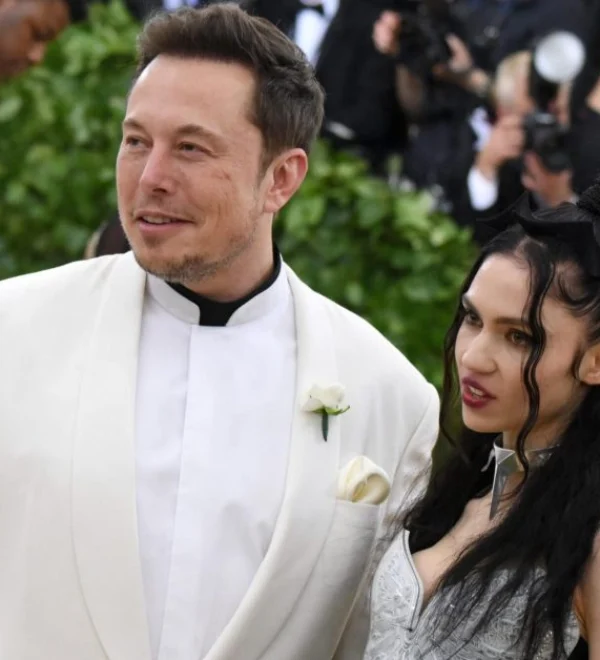 Grimes Says She Is Not Releasing Songs About Elon Musk on Upcoming Album Psy Opera Yet
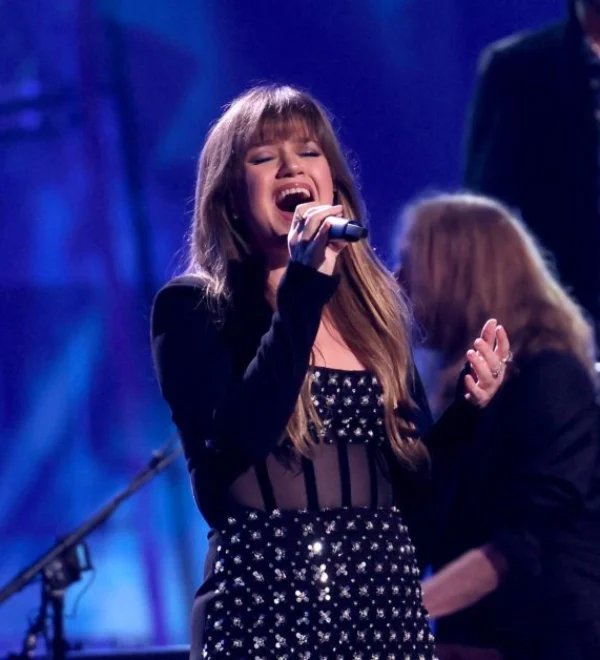 Brooklyn Store Responds After Kelly Clarkson Doubles Down on Feud Saying They Wish Her the Best
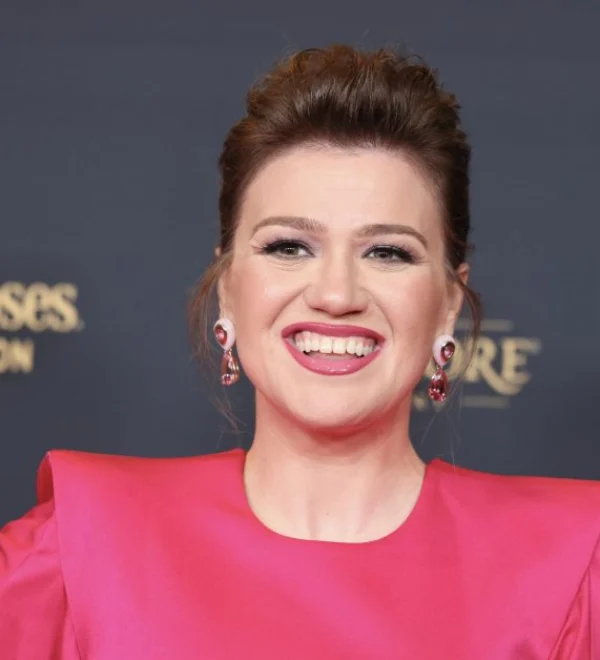 Kelly Clarkson Responds to Brooklyn Store Dispute With New Statement
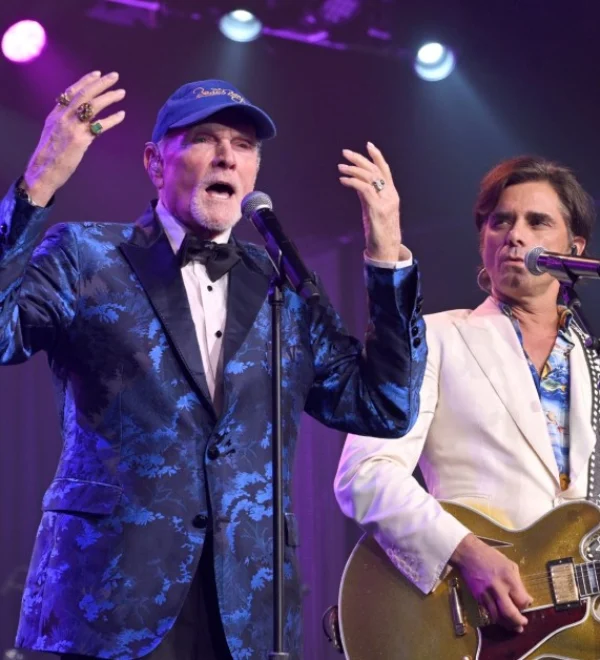 John Stamos Says Mike Love Is Facing Serious Health Challenges
 Troye Sivan’s ‘She’s the Best’ Voted Fans’ Favorite New Music of the Week