
Director Explains Bone Lake’s Bizarre Ending

If you’re in the mood for a gore-forward slasher that leans into absurdity and grim laughs, Bone Lake is likely on your radar. Directed by Mercedes Bryce Morgan, the film opened in theaters on October 3 and pairs a deliberately provocative title with an equally audacious premise.
Ed. note: Spoilers follow for the ending of Bone Lake.
From its opening sequence — which finds characters sprinting through the woods in various states of undress and promptly receiving crossbow bolts in painfully comedic places — the film signals that it wants audiences to squirm and snicker in equal measure. Even the finale, which leaves the surviving couple battered but laughing together, trades conventional catharsis for a darkly comic take on survival and intimacy.

The film centers on Diego (Marco Pigossi) and Sage (Maddie Hasson), a couple already strained by poor communication, unfulfilling sex, and unequal financial burdens. Their attempts at a reconciliation weekend are upended when Will (Alex Roe) and Cin (Andra Nachita) arrive unannounced — polished, flirtatious, and seemingly intent on disrupting the couple’s fragile equilibrium.
What at first feels like a clash of temperaments — the awkward, working-class pair versus the wealthy, overtly sensual interlopers — soon slides into psychological cruelty. Will and Cin manipulate the insecurities between Sage and Diego, seeding rumors and feigning knowledge of betrayals to destabilize them.
That escalation reveals a far darker motive: Will and Cin aren’t accidental guests — they own the Bone Lake estate and prey on visitors. Their scheme is twisted and personal. The two are siblings whose incestuous relationship was discovered and forcibly ended by their family; in retaliation, they lure couples to the property to provoke infidelity and then mete out savage punishment. In their warped logic, exposing and destroying other relationships vindicates the validity of their own forbidden love.
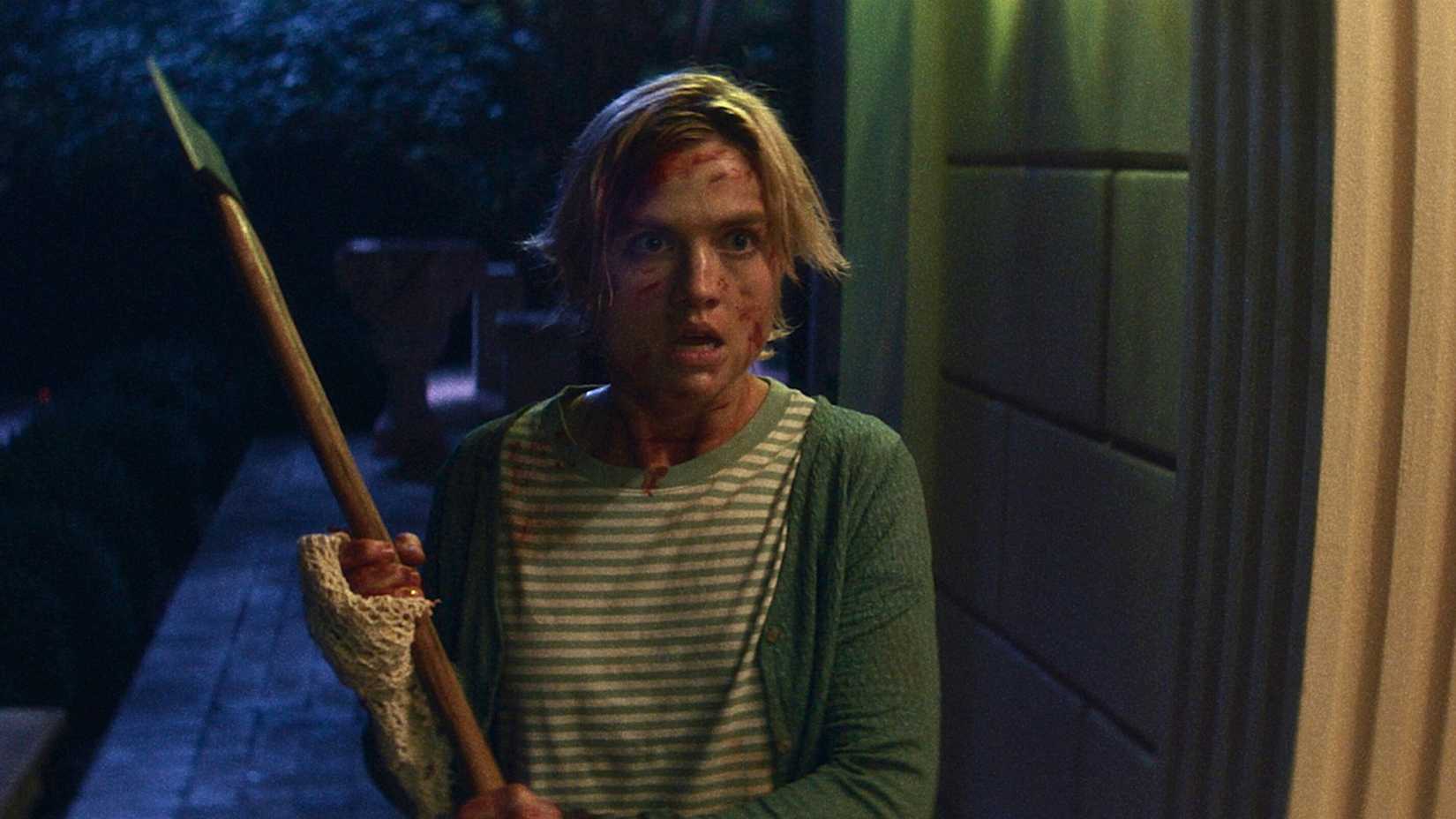
Will and Cin underestimate Sage and Diego. Despite their earlier dysfunction, the couple do care for one another — a bond that becomes painfully clear once their lives are threatened. But Bone Lake rarely plays these developments straight; the film opts for camp and gallows humor over earnest melodrama.
As the weekend devolves into violence, Sage and Diego are forced to work as a team. Where their relationship once seemed a yawning divide compared to Will and Cin’s apparent closeness, the tables turn: improved communication and mutual resolve allow Sage and Diego to fight back. After a brutal confrontation in which Diego reclaims the stolen wedding ring intended for Sage, the pair dispatch Will with a chainsaw and consign Cin to a watery grave at the lake’s bottom.
Bleeding and bruised, the two survivors sit together at the stern of a boat — physically wrecked but emotionally nearer than they’ve been in the film. Diego slips the ring onto Sage’s finger; when she inspects it, the two erupt in nervous, almost disbelieving laughter, a moment that blends relief, shock, and a strange, fragile intimacy.
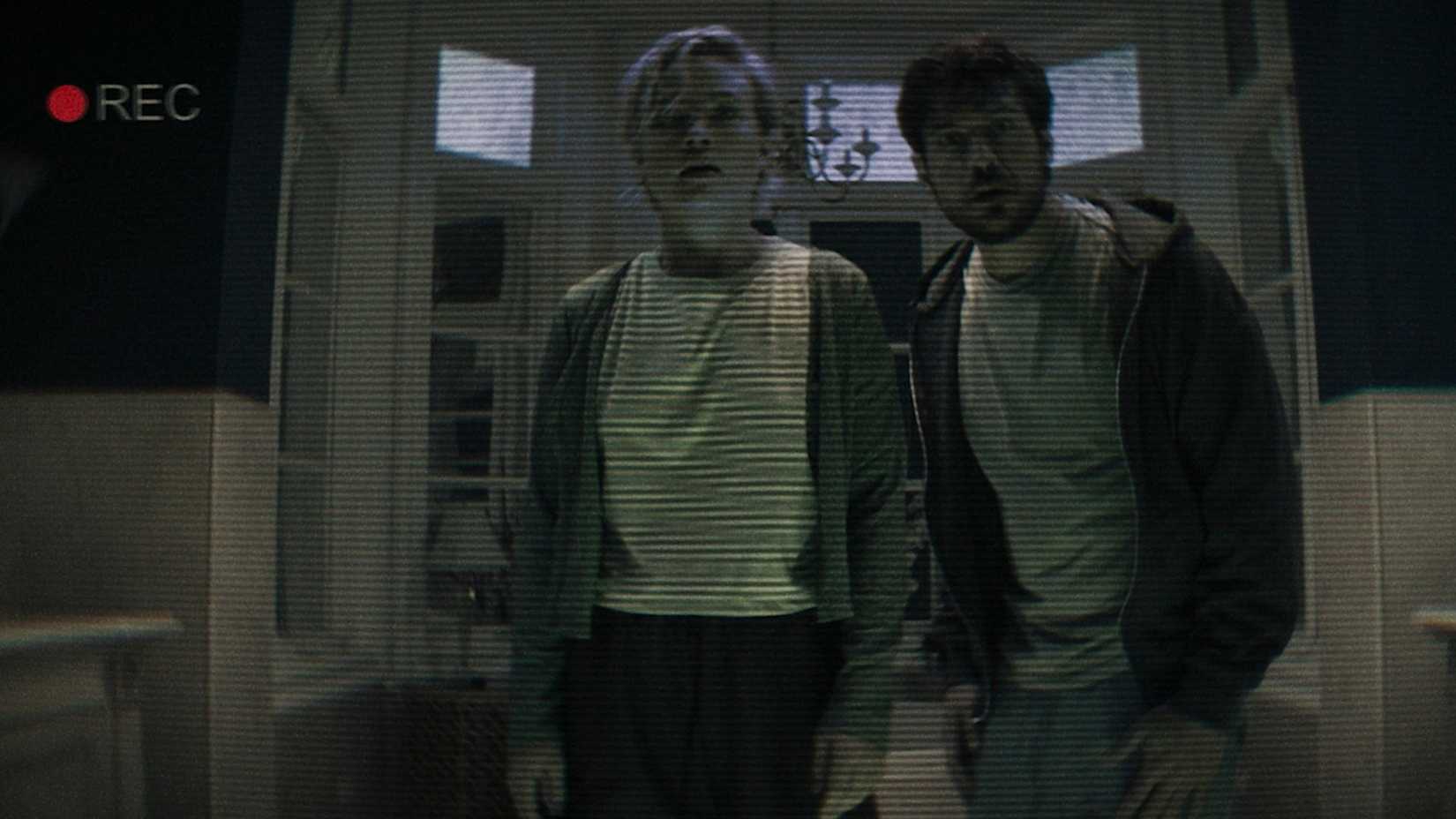
The contrast between the couples’ proposals underscores the film’s subversive tone. Will’s engagement to Cin is staged as a fairy-tale tableau; Diego’s ring arrives after they survive a nightmare. But Diego’s proposal feels honest — a moment of clarity that follows terror, rather than deception or spectacle.
As director Mercedes Bryce Morgan told Polygon, that final scene doesn’t promise a neat happily-ever-after. “If you go through that situation with someone where you go through a murderous bloodbath, how do you come out of that? What do you do as a person? … I wanted to capture the euphoria of ‘thank goodness’ alongside the disorienting reality of ‘what the hell just happened? What now?’”
Source: Polygon
Related articles
 Lilly Wachowski disavows involvement in the new “Matrix” film
 Kane Parsons to Return to The Backrooms
 First Emmy Award Winners Announced
 Robert Pattinson calls ‘The Batman’ sequel ‘radical’
 A24 to release documentary on Elizabeth Holmes
 Nolan’s “Oppenheimer” Surpasses “Spider-Man” at the Box Office
 Natalie Portman Becomes a Mother for the Third Time
 Zach Cregger Will Not Direct Franchises After “Resident Evil”