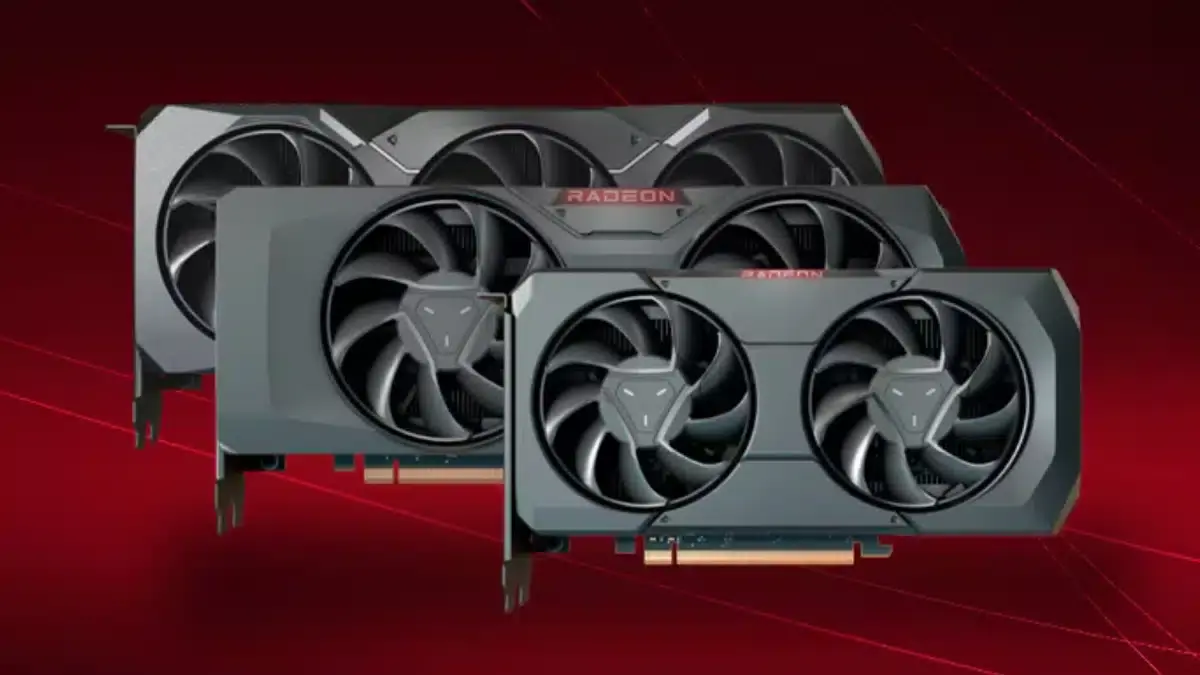
AMD is preparing to adjust graphics card prices in response to a memory-market crisis driven by the explosive growth of artificial intelligence.
AMD has informed its partners about an impending price increase for graphics cards, citing a steep rise in memory costs that has rippled across the electronics industry. According to the Chinese outlet Board Channels, this would be the second hike in GPU procurement prices this autumn: the first took place in October and had little effect on retail prices, but the forthcoming increase could be much more pronounced and touch the entire lineup, including Radeon gaming models.
The price surge stems from conditions in the DRAM and NAND markets. Memory makers have struggled to expand capacity fast enough to meet the surge in demand from AI applications. Over the past year, chip prices have more than doubled while supply remains tight. Major suppliers such as Samsung, SK Hynix and Micron are prioritizing higher-margin chips for servers and AI solutions, leaving the consumer segment deprioritized.
Like other GPU vendors, AMD must account for rising component costs in its product pricing. Sources say the company has already notified distributors that prices will be higher for the next GPU shipment, though precise timing and the extent of the adjustments have not been disclosed. Analysts estimate the increase could range from about 10% to 20%.
NVIDIA is reportedly in a similar position. Previous reports indicate the company is also weighing price hikes due to higher memory and component expenses. That suggests graphics card prices across the market could rise as early as the beginning of 2026, regardless of brand. The memory crunch is also being linked to speculation that the RTX 50 SUPER family might be canceled or, at minimum, delayed from its initial early-2026 release window, although NVIDIA has not issued an official statement.
Source: iXBT.games