
Xbox Project Helix: Microsoft Has Been Working on a Revolutionary Console for Over 10 Years
Last week, Xbox leadership officially confirmed the development of a next-generation hardware initiative dubbed Project Helix. This ambitious platform aims to harmonize the console and PC environments, enabling users to launch titles seamlessly across both Xbox and Windows ecosystems.
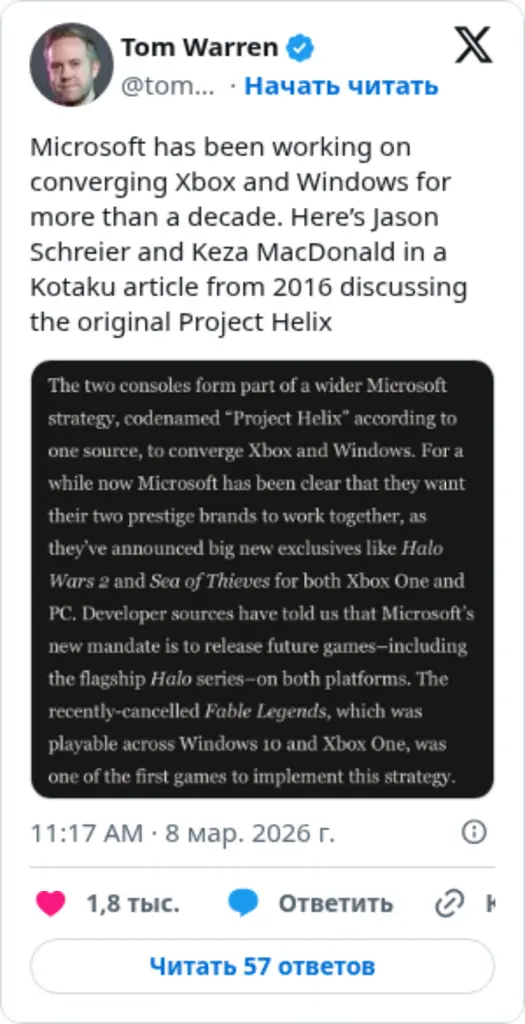
The conceptual roots of Project Helix trace back over a decade within Microsoft’s internal roadmaps. As early as 2016, industry veterans Jason Schreier and Keza MacDonald reported for Kotaku on Microsoft’s overarching strategy to dissolve the barriers between Xbox and Windows. This vision laid the groundwork for the company’s current policy of simultaneous multi-platform releases, evidenced by titles such as Sea of Thieves and Halo Wars 2.
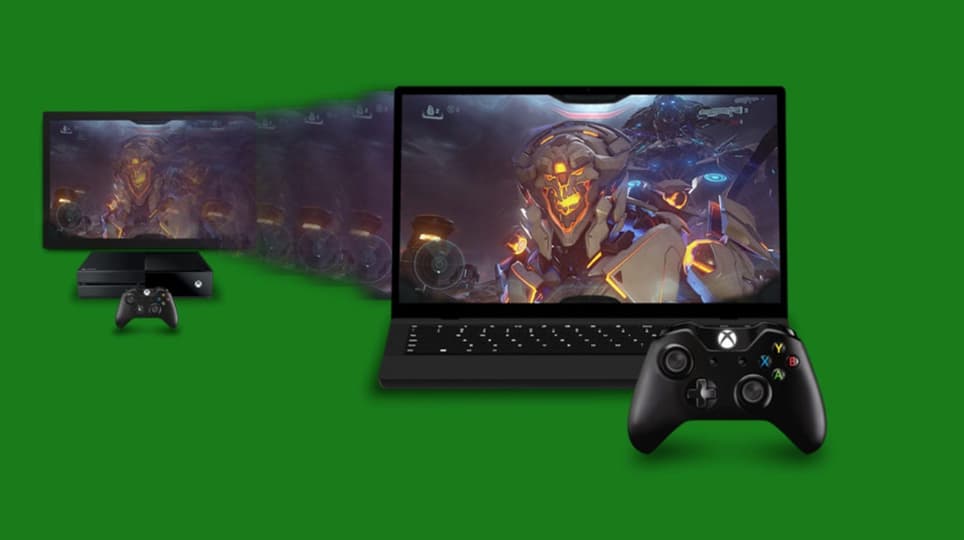
Project Helix represents a transformative vision for the future of interactive entertainment. If Microsoft successfully executes this transition, players will gain access to a hybrid device that bridges the gap between traditional console convenience and the versatility of a gaming PC. However, technical synergy is vital; as demonstrated by high-performance handhelds like the ROG Ally X, raw power is ineffective without a refined operating system and a cohesive ecosystem to support it. The success of this platform will hinge entirely on how intuitively it handles the gaming experience.
Related articles
 Hellraiser Creator Hints at New Projects After Hellraiser: Revival Success
 Final Trailer Released for Bleach: Thousand-Year Blood War – The Calamity Anime
 C.S. Lewis’ Heirs Comment on Greta Gerwig’s Narnia Film for First Time, Already Planning for Sequels
 Antonio Banderas Joins Nicolas Cage in 'True Detective' Season 5
 Fans Flood Cyberpunk: Edgerunners Showrunner With Requests to Bring Back David
 Scrapped Ben Affleck Batman Film Would Have Featured Batgirl and a Major Character’s Death, Deathstroke Actor Says
 Why D&D’s New Arcana Unleashed Feats Are Overpowered, and How to Fix Them Easily
 A Remaster of the Best Shrek Game Ever Has Just Leaked