
Will Netflix’s One Piece Season 2 Diverge From the Original Manga and Anime?

The highly anticipated second season of Netflix’s live-action One Piece has finally set sail, continuing the ambitious journey through the world created by Eiichiro Oda in history’s most successful manga. After shattering expectations and proving that anime adaptations can actually succeed—distancing itself from the notorious legacy of films like Dragon Ball Evolution—showrunners Matt Owens and Steven Maeda now face the daunting task of sustaining that magic in a more complex narrative arc.
The series occupies a precarious position, attempting to bridge a nearly thirty-year legacy with a fresh cinematic vision. For veteran fans, every narrative pivot is under the microscope; for newcomers, the world must feel cohesive and accessible. Rather than struggling with this dual identity, the second season suggests the production has chosen to lean into its own unique television logic.
Note: The following contains spoilers for Netflix’s One Piece season 2, as well as minor plot points from the original manga and anime.
In a bold move, the premiere episode introduces a sequence that wasn’t revealed until much later in the source material. Twenty-two years before the present timeline, Vice Admiral Garp (Vincent Regan) visits a condemned Gold Roger (Michael Dorman) in his Loguetown cell. Their conversation is heavy with history, culminating in Roger’s enigmatic request for his rival to protect his unborn child. While longtime enthusiasts recognize the gravity of this moment and the identity of that child, the live-action series frames this revelation with a very specific intent.
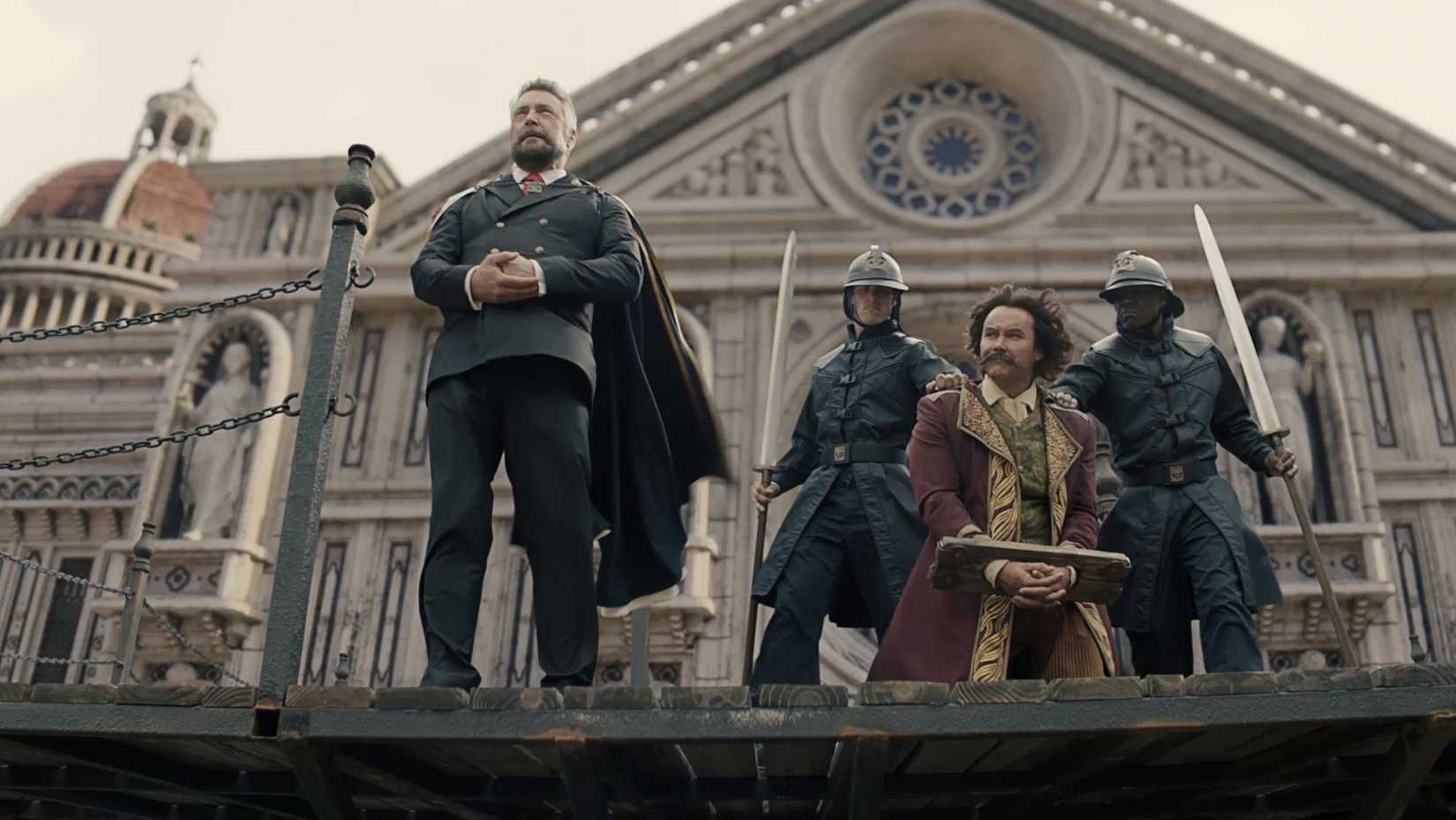
The adaptation masterfully crafts a narrative red herring, strongly implying to new viewers that Monkey D. Luffy (Iñaki Godoy) is Roger’s direct descendant. The parallels are reinforced throughout the season: Luffy’s defiant laughter on the execution platform mirrors the King of the Pirates, prompting Captain Smoker (Callum Kerr) to obsessively hunt the Straw Hats. By the finale, Dr. Kureha (Katey Sagal) deepens the mystery by revealing Roger’s true name—Gol D. Roger—and linking it to Luffy’s own middle initial, whispering that the “will of D. lives on.”
While the series isn’t necessarily rewriting the canon identity of Roger’s son, it is intentionally leading its new audience down a specific path. This narrative sleight of hand demonstrates a creative freedom that will become essential as the story enters the increasingly chaotic and high-concept environment of the Grand Line. To avoid becoming a mere CGI spectacle, the show must prioritize emotional resonance and grounded storytelling over a panel-by-panel recreation of the manga’s most outlandish moments.
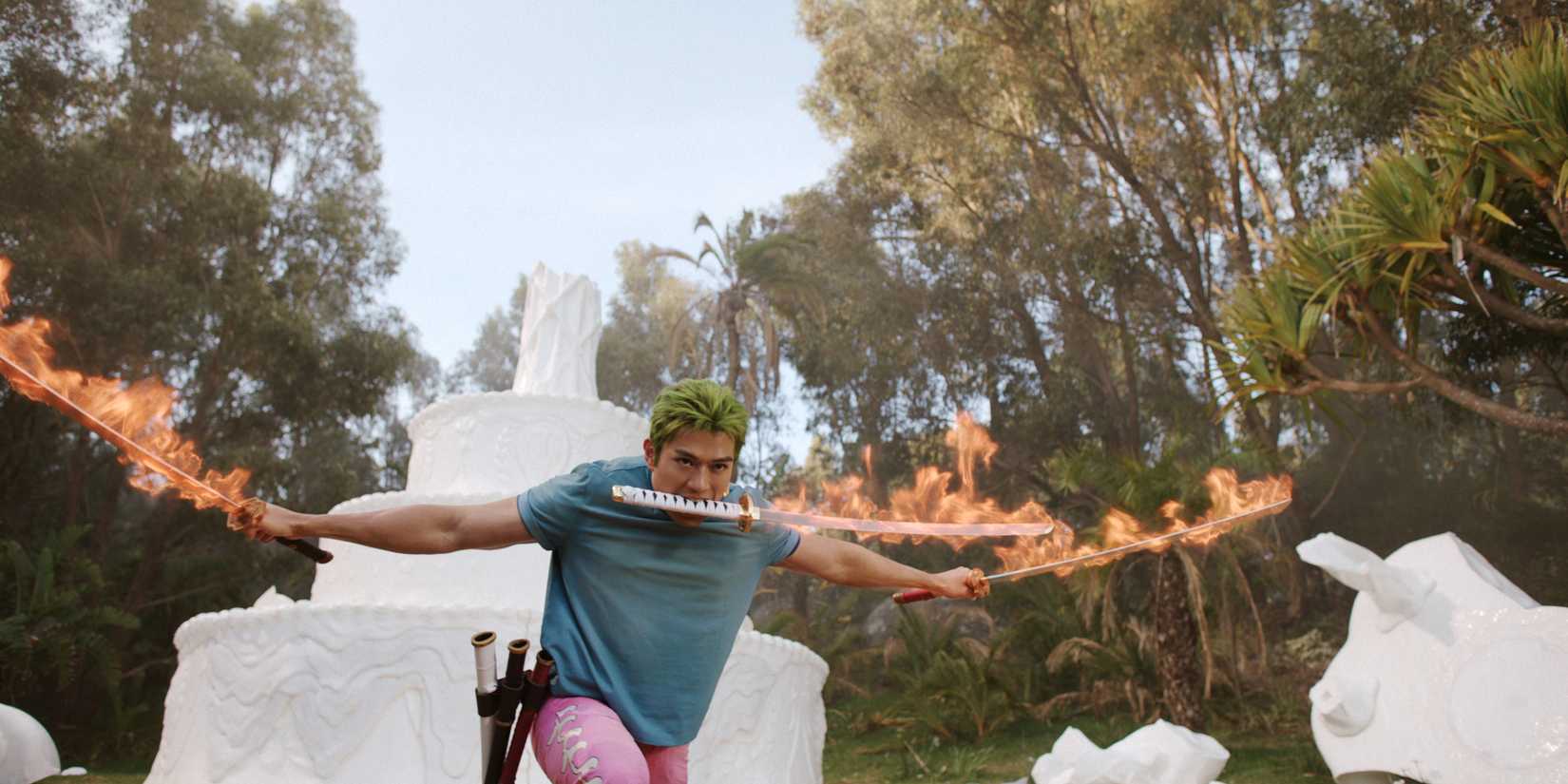
However, not every departure from the source material is a triumph. Some fans may find Luffy’s interaction with the island-sized whale, Laboon, somewhat diluted. Replacing the captain’s stubborn, violent attempt to “bond” via combat with a more conventional song feels like a slight softening of Luffy’s unpredictable nature. Similarly, the early introduction of characters like Nico Robin in Loguetown might ruffle the feathers of purists who prefer the original pacing.
Despite these minor grievances, season 2 remains a vibrant and polished experience. The visual effects have seen a massive upgrade in scope, yet they remain grounded enough to feel tangible. The production is filled with clever cameos and foreshadowing that reward attentive viewers without alienating the uninitiated.
Ultimately, Netflix’s One Piece is evolving into its own beast. By making calculated changes and manipulating audience expectations, the show is carving out an autonomous identity. It is a necessary evolution; for the live-action series to survive the long voyage ahead, it must be allowed to tell Oda’s story in its own voice.
Source: Polygon
Related articles
 Order of the Sinking Star Is Selling Better Than The Witness, Jonathan Blow Explains Earnings Caveat
 The Wolf Among Us Remastered to Launch Later on One of the Platforms
 Dan Houser Says His GTA: Vice City Writing Was “Awful,” Credits Ray Liotta With Making It Sound Good
 Call of Duty: Modern Warfare 4 Campaign Gets a Surprisingly Positive Early Response
 PlayStation 6 Memory Cost Reportedly Already Exceeds PS5 Console Price, Insider Claims
 Fake GTA VI Disc Editions Appear as Chinese Sellers Notice Demand for Full Physical Versions
 The Terminator Is Free to Watch on YouTube 42 Years After Its Release
 Steam Beta Update Speeds Up Startup Again, Fixes Vulkan Game Hangs on Linux and NCAA Football 27 Input Bug