
Why the Gothic Remake Is the Next Big RPG for Fans of The Witcher 3
Whenever the architects of The Witcher at CD Projekt Red discuss their creative lineage, one title is consistently cited as a foundational influence: Gothic, the 2001 cult classic. While it is easy to draw surface-level comparisons between two European-developed, medieval fantasy RPGs centered on gritty monster hunters, the developers have frequently emphasized that the connection between Geralt’s world and the Myrtana penal colony runs far deeper than mere aesthetics.
For enthusiasts of The Witcher 3: Wild Hunt, the atmospheric and uncompromising world of Gothic would normally be an essential recommendation. However, its release predates Geralt’s final adventure by nearly 15 years, presenting a significant barrier for modern players. The original game is approaching its 25th anniversary, and its archaic mechanics can make revisiting the Nameless Hero’s journey a daunting task for those accustomed to contemporary polish. Fortunately, THQ Nordic recently provided a solution by confirming the release date for the Gothic Remake. After six years in production, this modern reimagining is scheduled to launch on June 5, 2026.
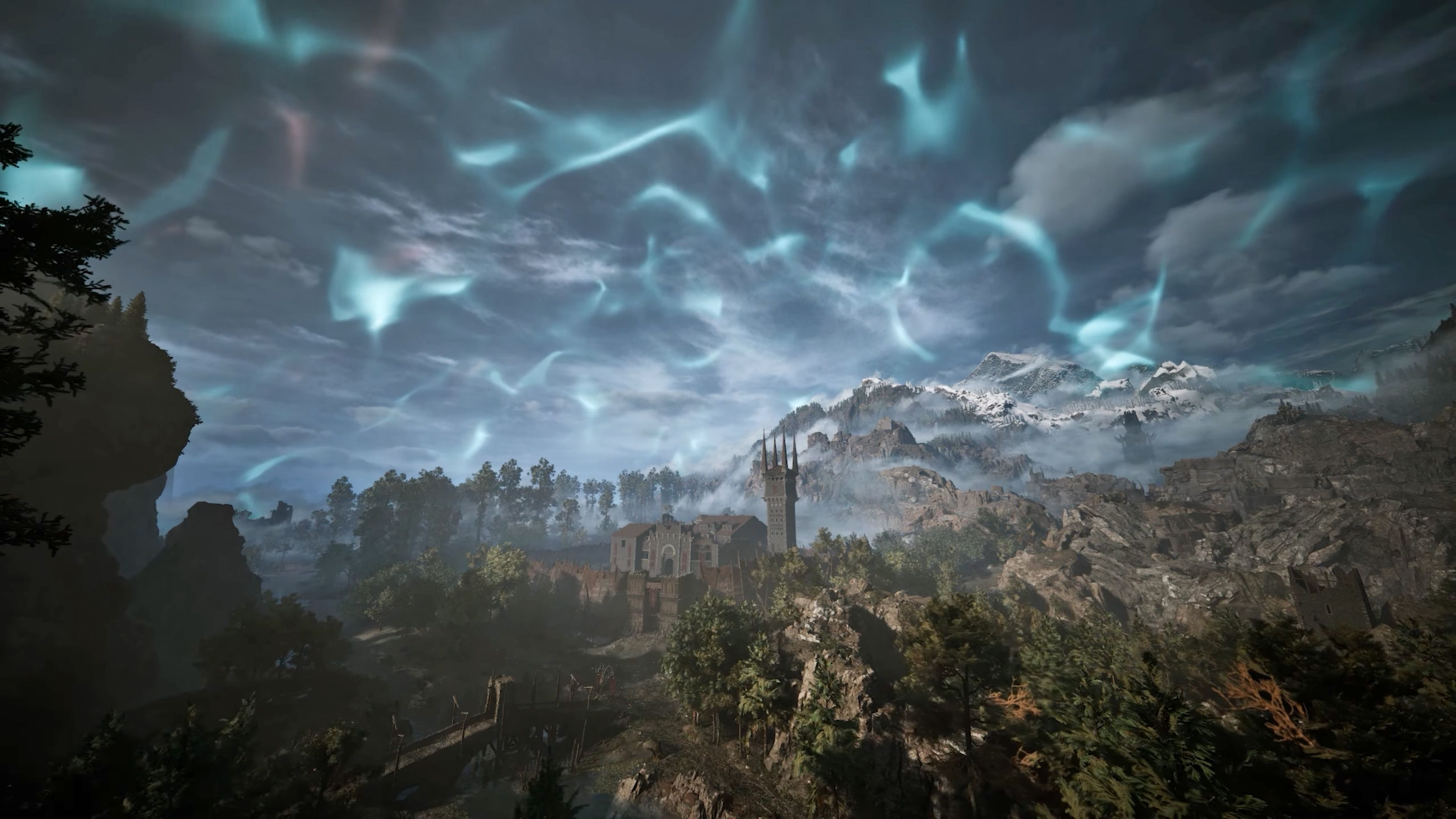
The bond between these franchises is also rooted in regional history. While developed in Germany, Gothic found its second home in Poland, where a young CD Projekt (then primarily a distributor) handled the localization. This high-quality translation helped the game achieve legendary status in the region—a phenomenon fueled by affordable pricing and iconic voice acting. The cultural footprint is undeniable; THQ Nordic’s promotional video regarding the remake’s Polish dubbing garnered six times the engagement of its English counterpart. Producer Jacub Rezmer even described Gothic as “the most Polish of non-Polish games,” noting that several original voice actors have returned to reprise their roles for the remake.
Beyond regional ties, Gothic and The Witcher 3 share a fundamental philosophy regarding storytelling and environmental design. As noted by lead quest designer Mateusz Tomaszkiewicz and director Konrad Tomaszkiewicz in past discussions, both games offer a sense of “bounded freedom.” Players are encouraged to roam, yet their progress is organically tethered to the narrative arc and the protagonist’s growing capabilities.
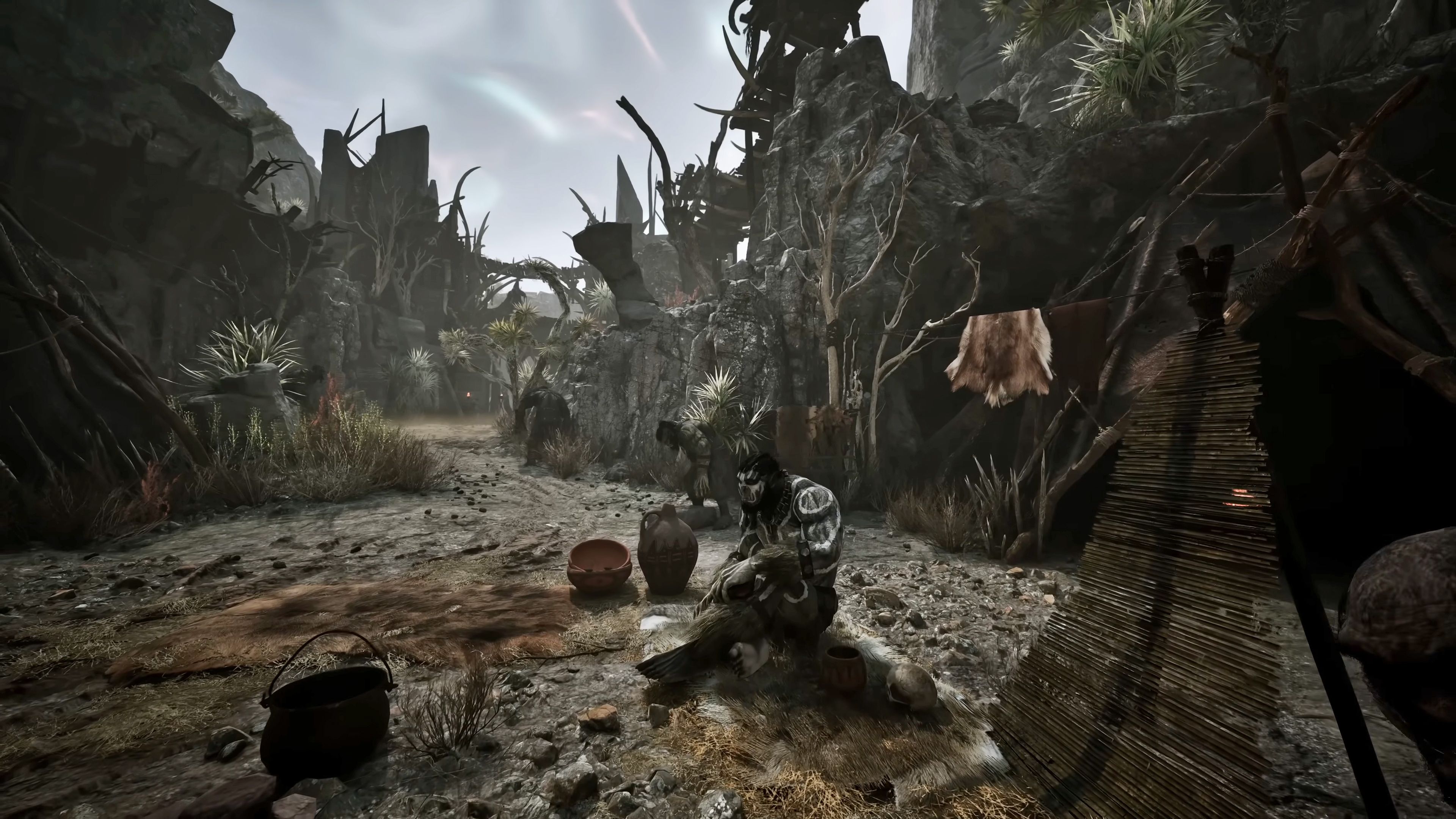
This design DNA is most evident in how both games handle world traversal. The Witcher 3 adopted Gothic’s conservative stance on fast travel; Geralt cannot simply zip across the map at will. He must first discover signposts, mirroring the rare teleportation stones found in the latter half of Gothic. This contrasts sharply with the “instant access” style of The Elder Scrolls IV: Oblivion. Witcher 3 designer Michal Madej once expressed a preference for the Gothic model, arguing that Oblivion‘s disconnected quests felt less cohesive. In Gothic and The Witcher, the main quest acts as a natural guide, eventually leading the player to every major corner of the map.
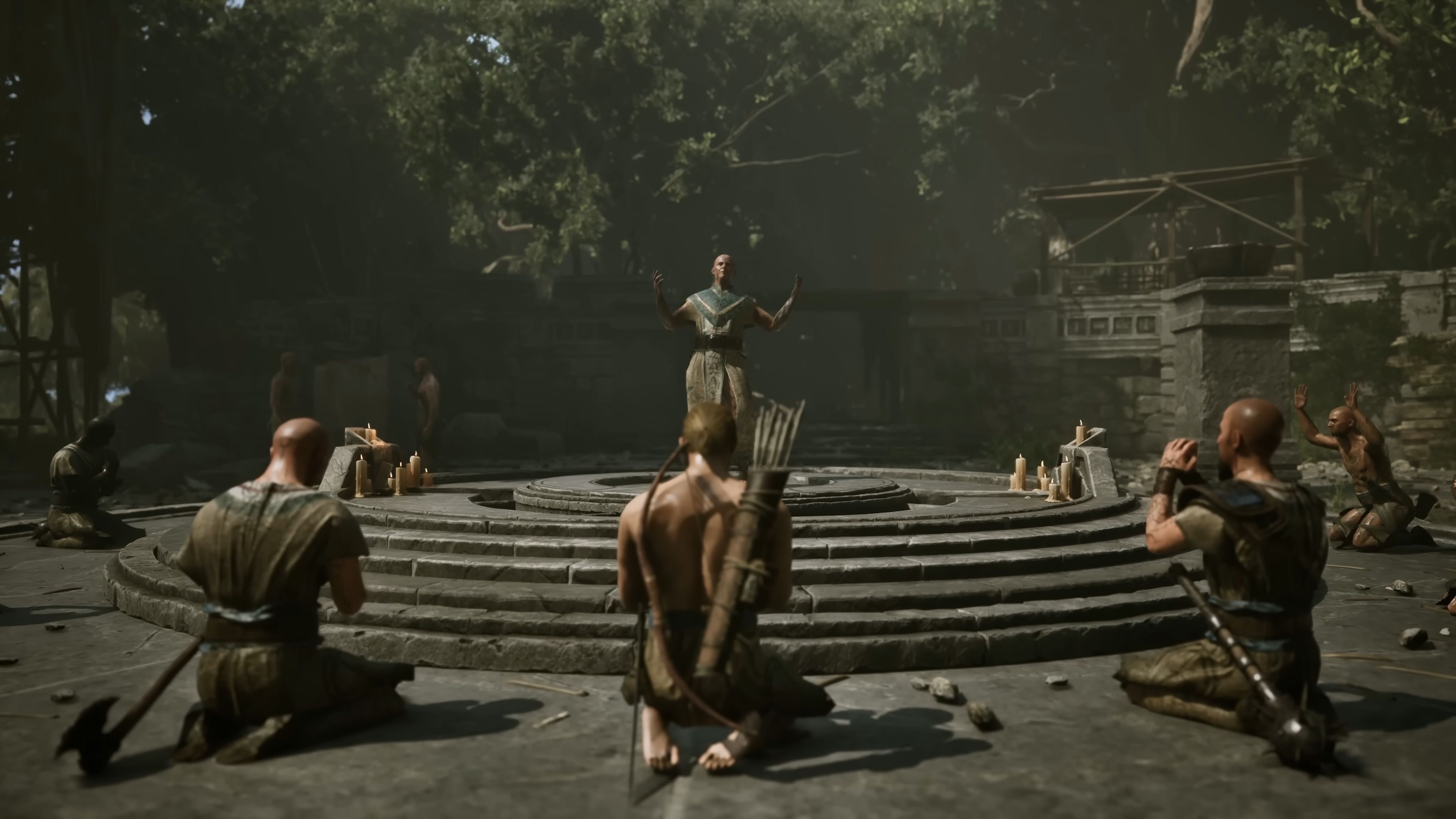
The two titles also share a visceral approach to danger. Eschewing the aggressive enemy scaling found in many modern RPGs, both games feature a world that does not wait for the player to catch up. In Gothic, straying off the path early on results in a swift death by high-level predators. While Geralt is a more capable combatant from the outset, he faces similar hurdles when encountering archgriffins or vampires before he is ready. This lack of scaling ensures that leveling up feels earned, providing a genuine sense of triumph when a player finally clears an area that was previously a death trap.
The upcoming Gothic Remake isn’t merely a graphical facelift. It intends to modernize the clunky controls of the original while integrating new questlines to bridge old narrative gaps. With members of the original team involved, the project aims to preserve the “soul” of the 2001 classic. For those currently enduring the long wait for The Witcher 4, this remake may offer the perfect opportunity to experience the blueprint that made Geralt’s adventures possible.
Source: Polygon
Related articles
 New «Avengers: Doomsday» Teaser Features Two Captain Americas and Fantastic Four Baseball Game
 One Piece: Grand Gourmet Restaurant Sim Launches on Mobile and PC
 Jenna Ortega Wants to Step Away From TV Series After Wednesday and Explains Why
 Two New Trailers Released for Mamoru Oshii’s Armored Trooper Votoms: Die Graue Hexe Ahead of Nov. 20 Premiere
 Lawrence Makoare, Who Played Lurtz in The Lord of the Rings, Says He Is Joining The Hunt for Gollum
 GTA IV Gets Experimental Android Port
 High Plains Drifter, Clint Eastwood’s Western, Now Streaming Free on YouTube
 New Edition of Battlestar Galactica: The Board Game in Development, With Cylons Returning