
Valve expresses concern as rumors of delays hit Steam’s console rival
The anticipation surrounding Valve’s next-generation hardware—encompassing the Steam Machine, the Steam Frame VR headset, and a refreshed Steam Controller—has been met with fresh uncertainty. Despite initial projections for an “early 2026” debut, Valve’s recent comprehensive year-in-review post indicates that the wait may be significantly longer than fans had hoped.
Addressing the status of the three upcoming devices, Valve noted: “While we are striving for a 2026 launch, the ongoing volatility in memory and storage markets has presented significant hurdles. We intend to provide more definitive updates once our manufacturing and pricing strategies are solidified.”
This hardware push was first unveiled last November, with Valve initially promising more granular details regarding the launch window early in the new year. However, as the first quarter of 2026 progressed without a formal announcement, the company was forced to acknowledge the shifting landscape of global logistics.
“When these products were first revealed, we expected to have finalized pricing and delivery dates by this stage,” Valve explained in February. “However, the industry-wide shortage of critical components has intensified. The rising costs and limited supply of storage and memory mean we must re-evaluate our shipping timelines and retail prices.” Despite these headwinds, the company maintained at the time that a release within the first half of the year remained the objective.
That confidence appears to have waned. Beyond retreating to a broad 2026 window, Valve recently adjusted the metadata in the Steam backend. Listings for the Steam Machine, Steam Frame, and Steam Controller now carry the vague placeholder “Coming Soon,” signaling a more fluid timeline.
Valve is currently grappling with the same economic pressures affecting all major PC and console manufacturers. The global surge in AI infrastructure has led tech giants to monopolize the supply of RAM and high-speed storage, driving prices to heights that threaten the viability of consumer electronics. Faced with these market conditions, Valve appears to be weighing three primary paths forward:
- Deferring mass production until component pricing stabilizes.
- Increasing the MSRP, which would compromise the Steam Machine’s positioning as an accessible alternative to high-end PCs.
- Scaling back its hardware ambitions to focus on its high-margin software ecosystem.
Whether Valve can navigate these supply chain complexities in time for a 2026 release remains to be seen. For now, the gaming community remains in a holding pattern, making do with the current Steam Deck while waiting for the next evolution of Valve’s hardware ecosystem.
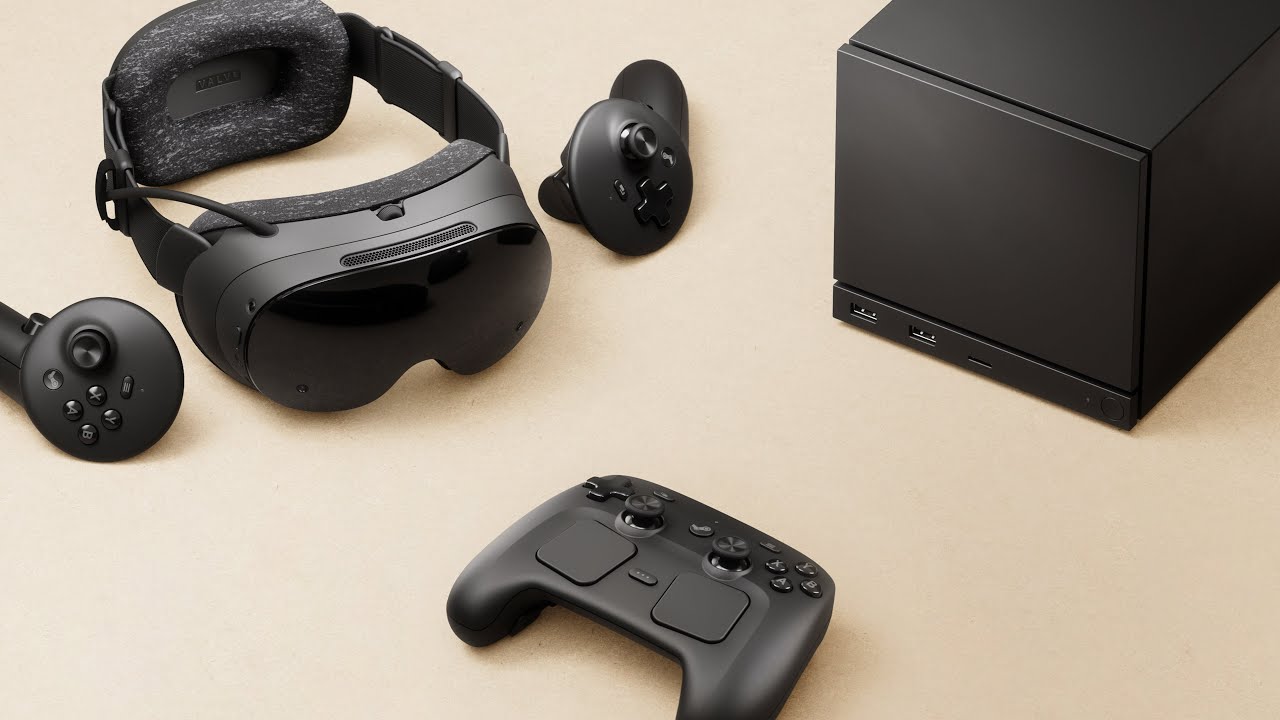
Source: Polygon
Related articles
 Silent Hill 2 Remake Developers Want to Find the Next Hideo Kojima
 AI Agents Used to Build Co-Op Versions of Single-Player Games, Including Fallout: New Vegas and Deus Ex
 Hacker voices38 Returns and Cracks Denuvo in Several SEGA Games
 Angel Series Now Streams Free 27 Years After Its 1999 Debut
 Enthusiast Reports 40% Performance Boost in The Elder Scrolls IV: Oblivion Remastered Using AI
 Outlast Testers Reportedly Ran Out of the Office to Cry and Refused to Return
 Modder Turns Diablo Into a 3D Shooter With Multiplayer and Scalable Interface
 Calvin and Hobbes Halloween Strip Remains Controversial 31 Years After Publication