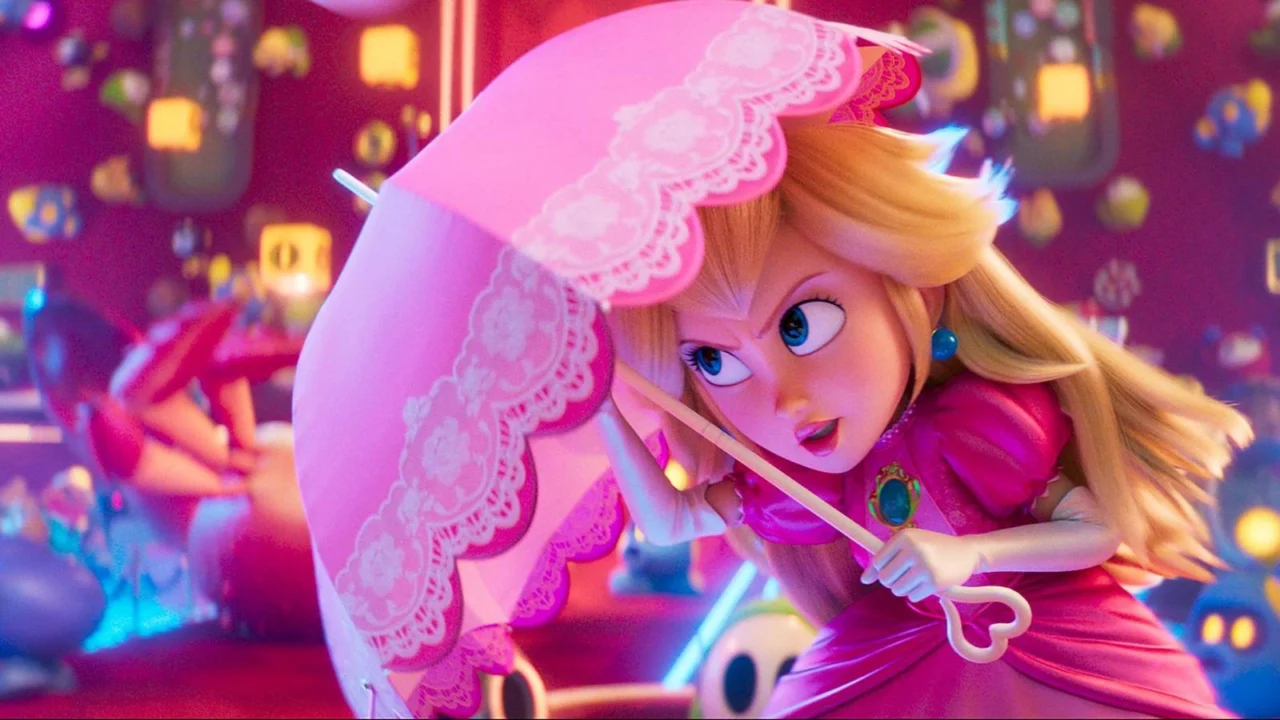
The Super Mario Galaxy Movie Needs No Defense

Patch Notes is our curated weekly digest of the finest Polygon stories, delivered every Friday and mirrored on the site each Sunday. You can sign up here.
Following a protracted marketing campaign of cryptic teasers, The Super Mario Galaxy Movie has finally made its grand debut. This latest venture between Illumination and Nintendo serves as a nostalgia-laden homage to Mario’s storied legacy—one that prioritizes breathtaking cinematic vibrancy over narrative depth. While casual audiences have met the film with enthusiasm and historic box office returns, the voice cast has been busy charming the press by discussing potential Wario actors and debating their preferred iterations of Luigi. For many, the film is a pure celebration.
Yet, a significant rift has formed. Specifically, professional critics have sparked a firestorm of controversy. Prior to its general release, a barrage of scathing reviews unceremoniously eviscerated the film. While Polygon’s Mike McWhertor offered a more measured, lukewarm perspective, critics at legacy outlets such as Variety and The New York Times lambasted it for a disjointed script and a cynical reliance on superficial callbacks. In a particularly biting zero-star critique, Kevin Maher of The Wrap dismissed it as a “supremely vacuous anti-movie.”
The statistical fallout is staggering: the film currently sits with a Metacritic score of 35—identical to the critical consensus of the infamous 1993 Super Mario Bros. live-action disaster. Mamma mia, indeed.
This reception has reignited the perennial “critics vs. fans” debate across social media. The exhaustion-inducing question—Why are critics so disconnected from the public?—is a sentiment likely as old as time itself. We see it echoed in every contentious thread regarding modern game reviews. I have no intention of relitigating the necessity of cultural criticism, a discipline designed to dissect artistic craft and analyze how media influences us. If critical analysis doesn’t interest you, you are free to ignore it.

However, there is a recurring defense circulating around this film that deserves scrutiny: the “it’s just for kids” excuse. This argument is often wielded to suggest that animated features should be immune to rigorous critical standards. The implication is that because a film targets a younger demographic, it is allowed to be inherently shallow, and that reviewers are failing by refusing to lower their expectations. If the children are entertained, the logic goes, the film has succeeded—regardless of its lack of character development or narrative weight.
This line of reasoning is a double-edged sword; it offers a backhanded compliment to the movie while simultaneously devaluing the entire medium of children’s entertainment. Why should we settle for mediocrity in the media that shapes young minds? Many of our most formative experiences come from childhood art. Sesame Street instilled a sense of communal responsibility; Aladdin inspired personal courage; and the Mario games themselves expanded our imaginations by presenting worlds of infinite wonder. These aren’t just distractions; they are impactful life lessons.
We should demand more from The Super Mario Galaxy Movie, not less. Maintaining a high critical bar is a sign of respect for a younger audience that is frequently underestimated. Children are incredibly perceptive and deserve stories that don’t treat them as mere consumers to be placated with bright colors. This is the philosophy that makes Studio Ghibli legendary; Hayao Miyazaki’s films are whimsical and charming, yet they challenge children to appreciate the spiritual complexities of the natural world.
You are, of course, allowed to enjoy the film and share that experience with your family. Even if the story is thin, the visual spectacle and Easter eggs offer plenty of enjoyment. But we should resist the idea that children must settle for a hollow marketing exercise disguised as a movie. Demanding excellence is, in its own way, an act of love.
The Super Mario Galaxy Movie is dazzling, candy-coated chaos
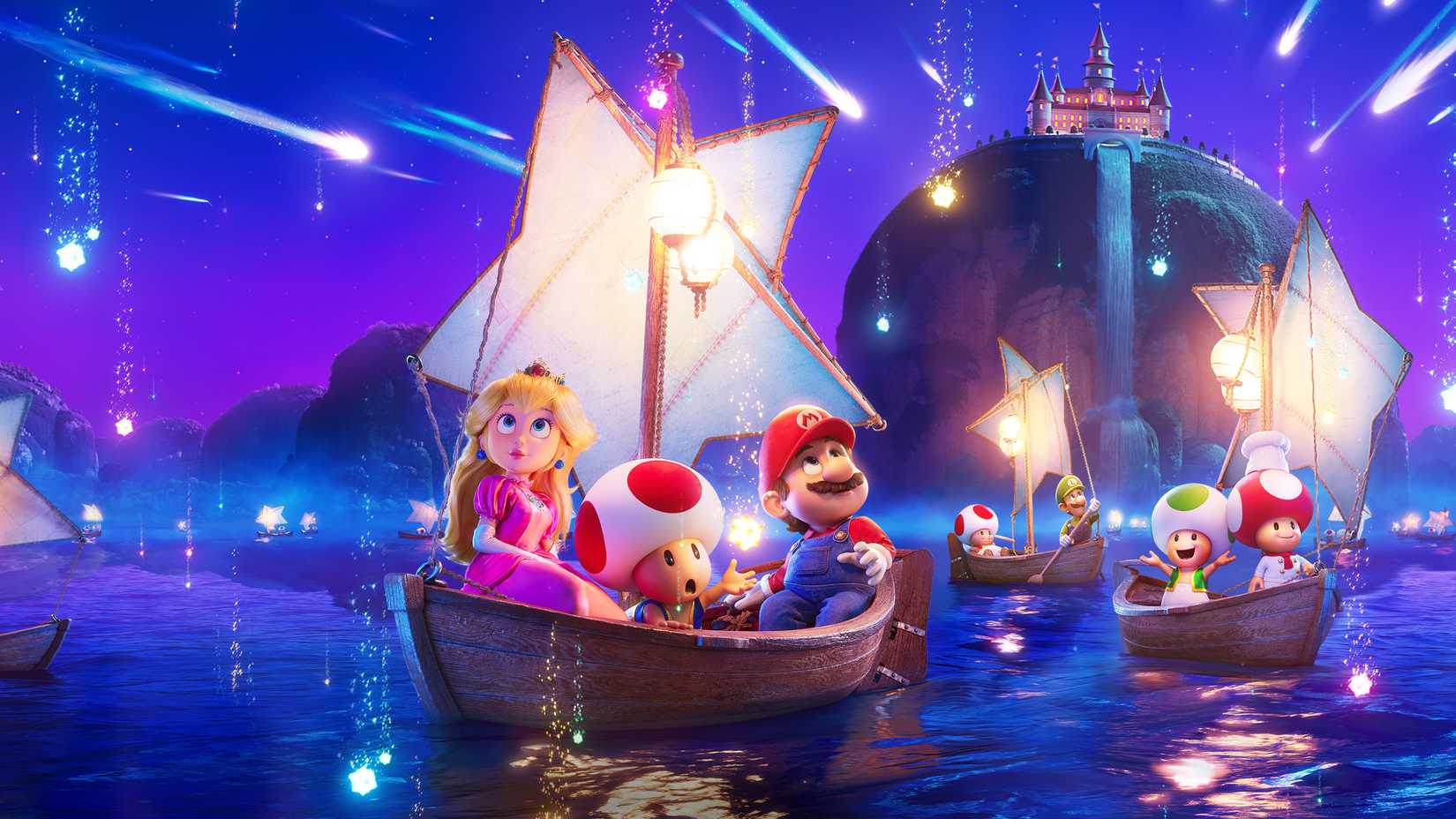
Michael McWhertor provides a grounded perspective on this visually stunning but narratively light sequel.
The Super Mario animated universe is growing, just don’t expect a Smash Bros movie any time soon, Shigeru Miyamoto says

In a recent interview, Shigeru Miyamoto and Chris Meledandri clarify the future of Nintendo’s cinematic ambitions.
The Super Mario Galaxy Movie’s post-credits opens up the Marioverse’s next level
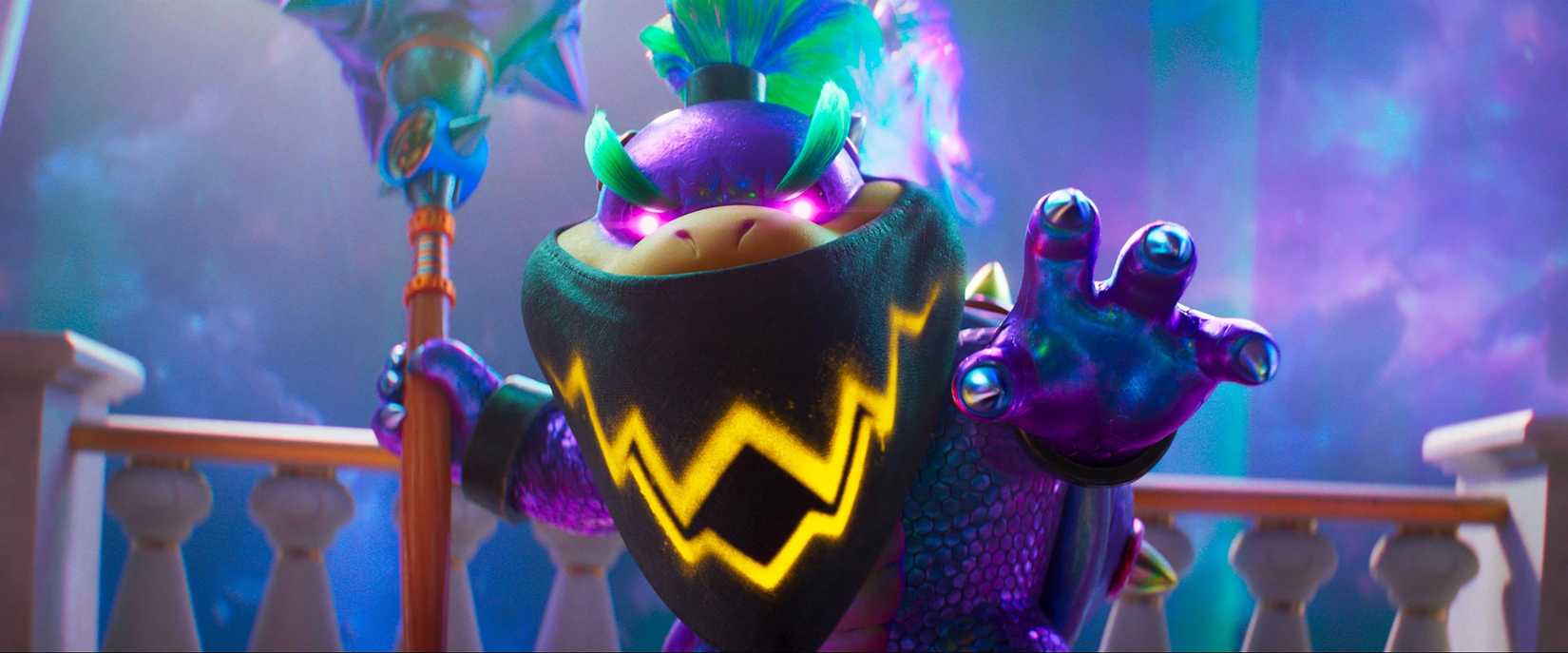
For those curious about the future of the franchise, here is a breakdown of what the post-credits sequence implies for the next chapter.
Plus this:
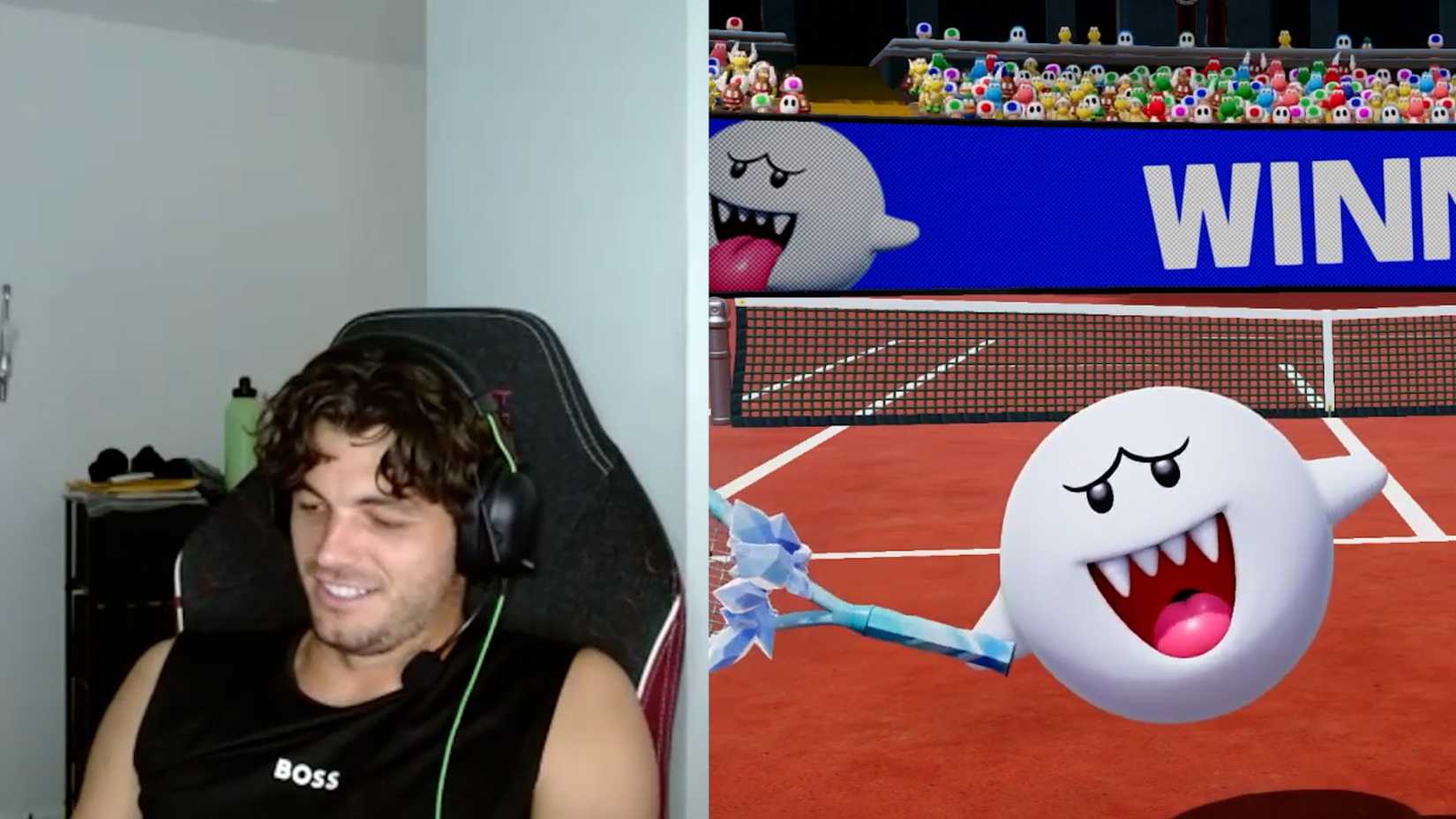
- A pro’s touch in Mario Tennis: Tennis star Taylor Fritz shows Simone de Rochefort no mercy on the digital court. Read the full match report here.
- The evolution of Nightholme: Ford James explores the origins of the innovative “extraction horror” genre in an exclusive interview from Lisbon.
- Disappointment in Life Is Strange: Reunion: Aimee Hart examines why the latest entry’s focus on fan service over substance falls flat.
- Magic: The Gathering Deck Reveal: Corey Plante provides an exclusive look at the Quandrix Unlimited decklist, featuring a controversial banned spell.
- A historic Super Mario Bros. discovery: This deep-dive video into a monumental 40-year-old glitch is essential viewing for every Nintendo enthusiast.
Source: Polygon
Related articles
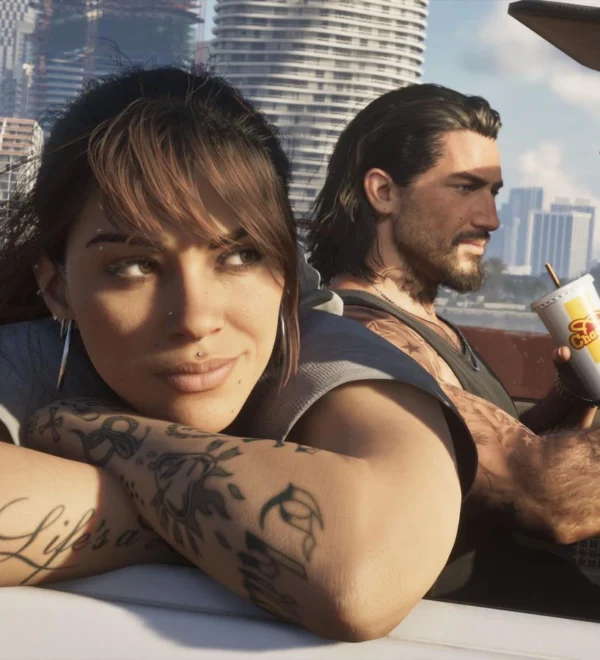 Reporter Claims to Have Seen GTA VI Ahead of Jason Schreier’s Major Article
 Sony Lawyers Target Hacked PS5 Consoles as Unofficial Game Store Shuts Down
 Battlefield 6 Accused of Using AI for Battle Pass Cosmetics
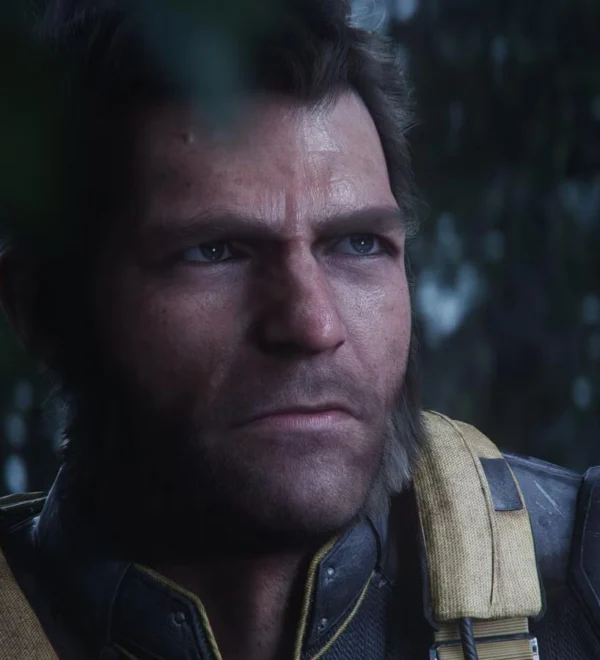 Analysts Estimate Marvel’s Wolverine Revenue at Nearly $193 Million
 Xbox is paying players to launch Gears of War: E-Day
 Modern Warfare 4 Will Reportedly Not Include a Platinum Trophy on PlayStation
 Sony Pulls Its Own Games From PS Store in Select Regions
 Marvel Series VisionQuest Resolves Major MCU Canon Issues