The Nightmare Before Christmas Director’s Underrated Gem

Every holiday season, Henry Selick’s The Nightmare Before Christmas becomes mandatory viewing for audiences everywhere. His other masterpiece, Coraline, recently celebrated its 15th anniversary with a high-profile return to cinemas and a never-ending stream of collectible merchandise. Yet, a third stop-motion gem from Selick’s filmography remains curiously overlooked despite its equal artistic significance.
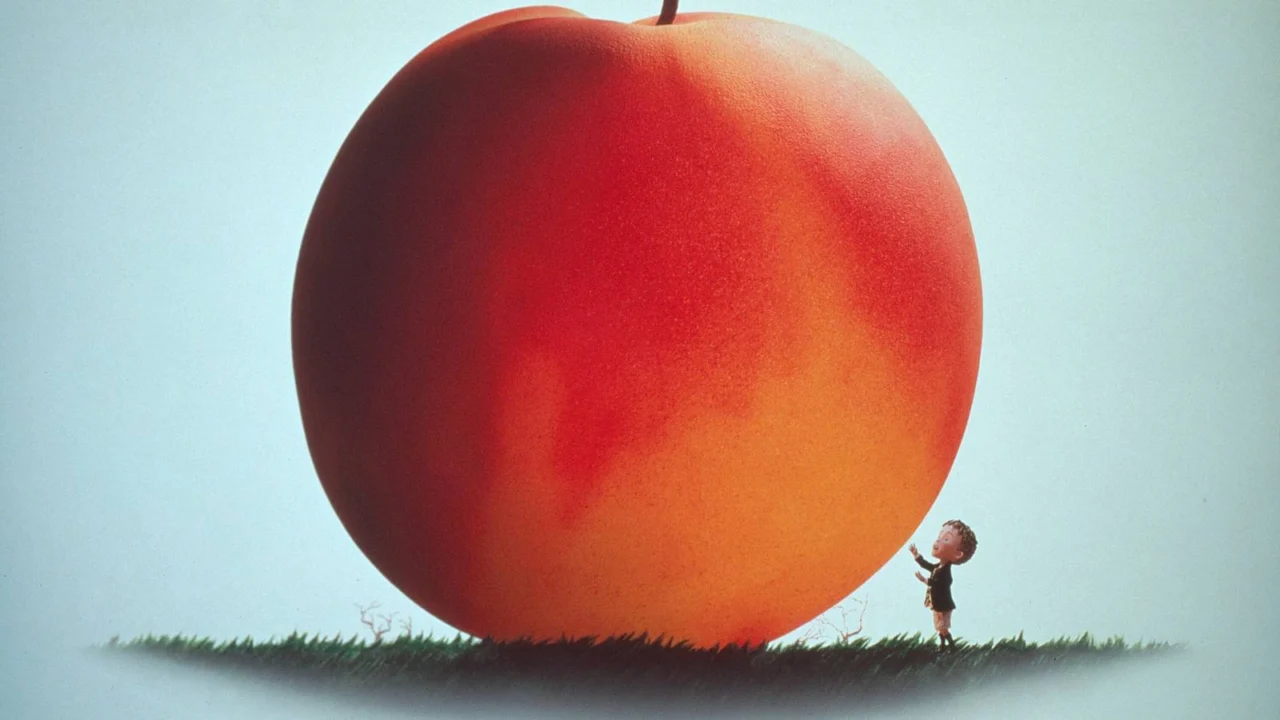
James and the Giant Peach, the Disney adaptation of Roald Dahl’s beloved novel, follows the story of a young orphan forced into servitude by his cruel aunts. His dreary life takes a fantastical turn when a withered tree in the garden sprouts a peach that swells to the size of a cottage, leading James on an extraordinary, surreal adventure.
 Image: Walt Disney/Everett Collection
Inside the fruit, James encounters a whimsical troupe of oversized, talking insects who become his chosen family. Their journey across the ocean—fueled by a clever seagull-powered flight mechanism—eventually leads them toward New York City, a destination James once dreamt of visiting with his parents.
The film is a triumph of mixed media, utilizing live-action sequences to frame the stop-motion narrative. The seamless transition where the live-action James transforms into his animated counterpart remains one of the most inventive sequences in the director’s career.
This project also marked a pivotal moment for Selick, as he integrated computer-generated imagery to handle the vast, rolling seas—a task that would have proven impossible using traditional stop-motion techniques. Rather than clashing, the digital water and the vibrant, textured stop-motion subjects create a dreamlike aesthetic that defines the movie’s unique atmosphere.
 Image: Walt Disney/Everett Collection
The character work is equally stellar, from the sophisticated Mr. Grasshopper to the gruff, Brooklyn-accented charm of Mr. Centipede. Miss Spider, voiced by Susan Sarandon, serves as the heart of the group, masterfully balancing maternal warmth with a subtle, unsettling arachnid edge.
 Image: Walt Disney/Everett Collection
Ultimately, the film captures the inherent contradictions of Roald Dahl’s prose—shifting effortlessly between joyous wonder and dark, sinister undertones. It manages to address heavy themes of loss and grief while maintaining a whimsical, adventurous spirit.
While Dahl famously disliked film adaptations of his work, one could argue that this project transcends the need for his approval by capturing the core essence of his storytelling. It is a stunning, deeply imaginative piece of cinema that deserves the same celebration and theatrical recognition afforded to Selick’s other iconic works. If any vision belongs on the grand scale of a cinema screen, it is the magic found within that gargantuan peach.
Source: Polygon
Related articles
 DOOM Composer Discusses Conditions for His Return
 PlayStation Store Price Increases Raise Global Concerns Among Gamers
 Arc Raiders ‘When Everything Falls’ Quest Walkthrough
 Sony Announces All-Black PS5 Console for November Release
 Kenshi Yonezu Sets New Record as Chainsaw Man Jane Doe Music Video Hits 100 Million Views
 ARC Raiders Sees Surge in Steam Popularity
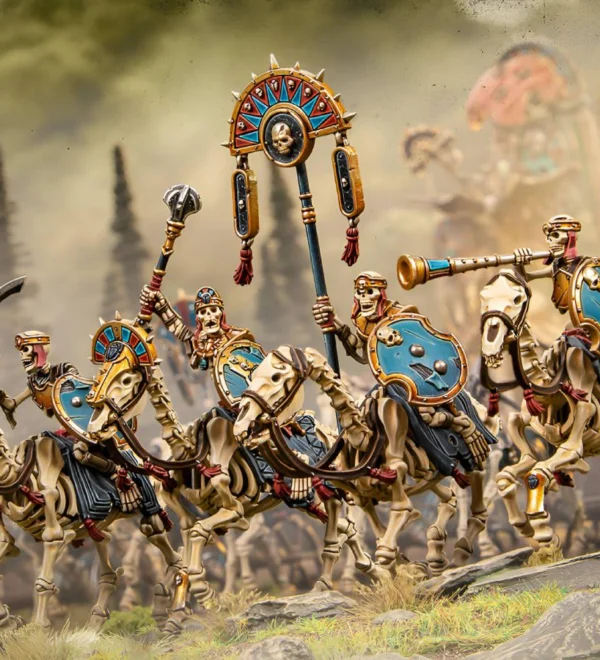 Games Workshop Unveils New Skeleton Horsemen Miniature Set for Warhammer: The Old World
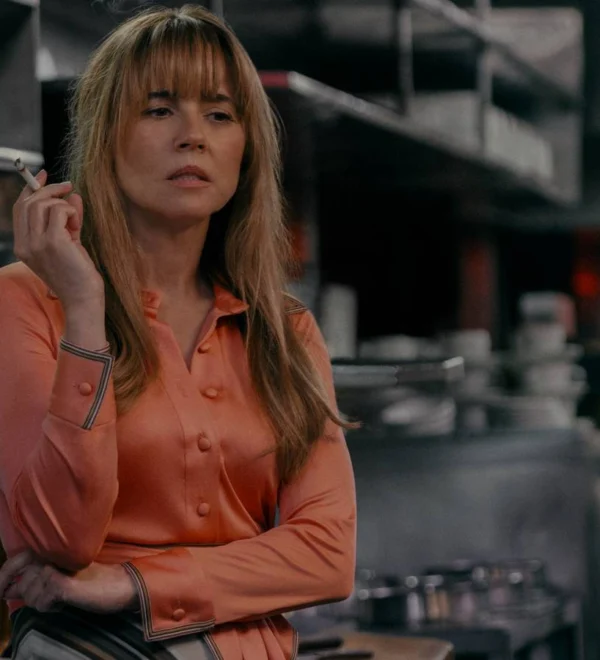 Crystal Lake Is a Surprisingly Good Friday the 13th Prequel Series