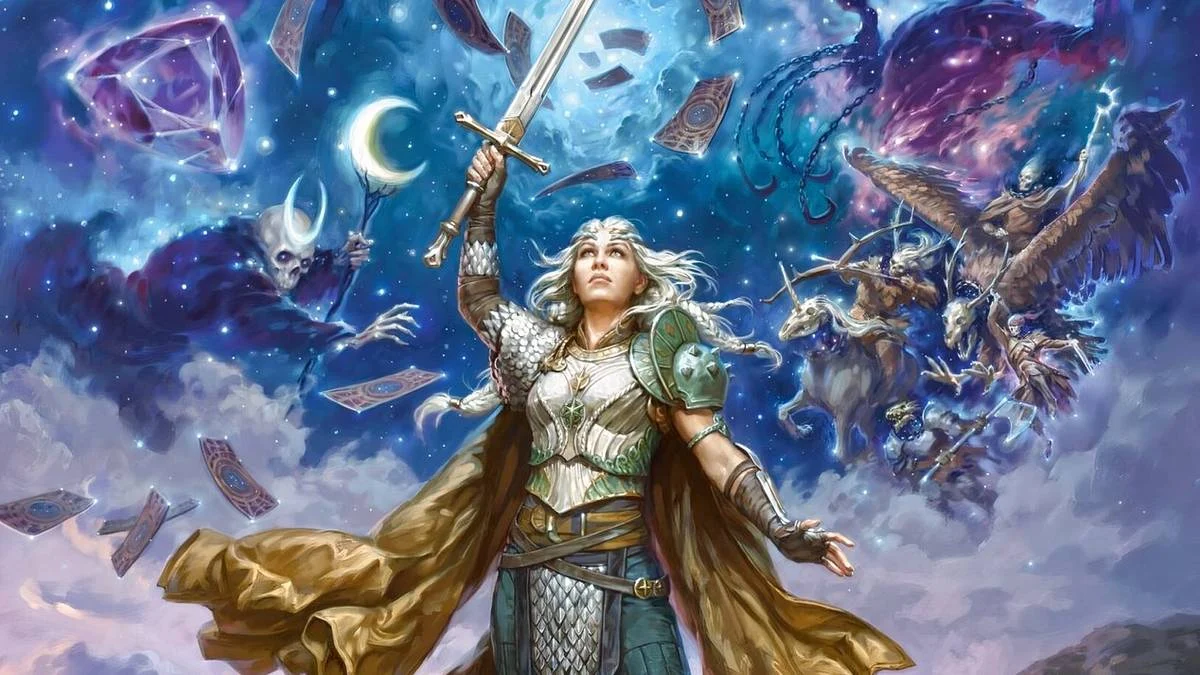
The 10 Coolest Swords of All Time in Dungeons & Dragons
Every Dungeons & Dragons campaign eventually finds itself centered on a legendary blade. Perhaps it is a malevolent relic that demands a heavy price, a divine instrument capable of felling deities, or simply that trusty, flame-wreathed longsword your fighter refuses to retire even after dozens of sessions. D&D has always embraced the core tenet of high fantasy: swords are undeniably iconic.
In celebration of all things sharp and enchanted, we are spotlighting the most impressive blades in D&D 5e. From legendary artifacts like Blackrazor and the infamous Sword of Kas to modern marvels like the Sword of Zariel, we are skipping the standard stat-heavy rankings. Instead, we are looking at the weapons that simply exude the most style, lore, and table-defining presence.
10
Flame Tongue / Frost Brand
Serving as the quintessential elemental armaments, the Flame Tongue and Frost Brand represent the perfect entry point for magical weaponry. These properties can be imbued into virtually any sword, transforming a standard steel blade into a conduit for elemental fury.
Mechanically, they offer distinct flavors of destruction. The Flame Tongue allows the wielder to wreathe their weapon in searing fire with a simple bonus action, punishing foes with an additional 2d6 fire damage while casting a warm, tactical light. Conversely, the Frost Brand offers a more tempered approach, dealing 1d6 cold damage while granting the wielder resistance to fire. Furthermore, it possesses the unique utility of extinguishing non-magical flames nearby. For fledgling adventurers, these weapons represent a significant—and flashy—leap in power.
9
Nine Lives Stealer
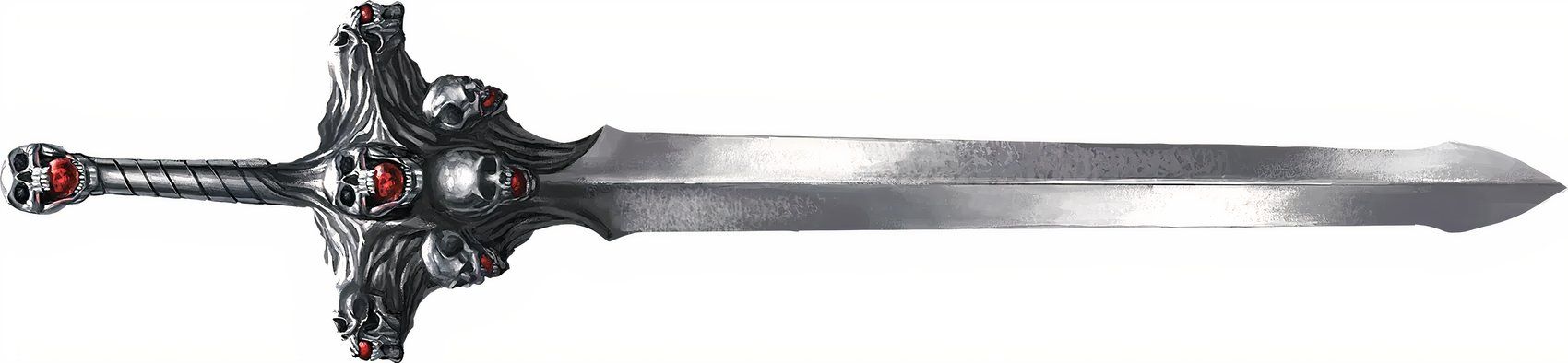
Imagine a weapon that offers a chilling, singular promise: the potential for an instant, lethal strike. That is the essence of the Nine Lives Stealer.
Often depicted with a hilt adorned by a macabre collection of screaming skulls, this blade grants a reliable +1 bonus to attack and damage rolls. However, its true notoriety comes from its “Life Stealing” property. When you land a natural 20 against an opponent with fewer than 100 hit points, they must succeed on a DC 15 Constitution save or face immediate, fatal soul-rending. This feature comes with a limited number of charges (typically 1d8+1), making every strike feel like a gamble with fate. Once the charges are exhausted, the blade’s most terrifying power vanishes, leaving behind a relic of past slaughter.
8
Holy Avenger
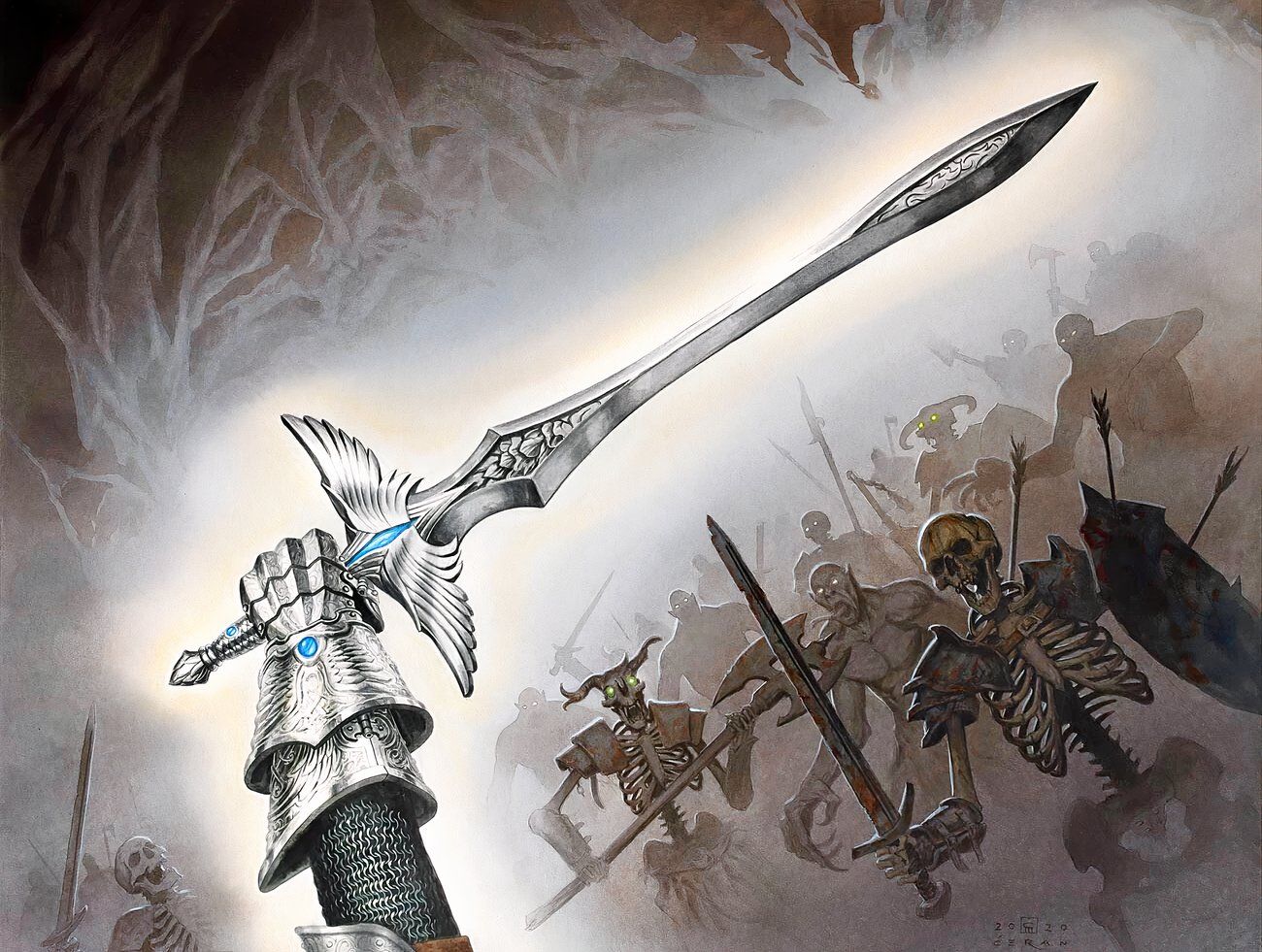
For those dedicated to the Paladin’s path, the Holy Avenger is the pinnacle of divine armaments. Providing a potent +3 bonus to attack and damage rolls, it truly shines when pitted against the forces of darkness, dealing an extra 2d10 radiant damage to fiends and undead. Yet, its most significant contribution is the protective aura it manifests, granting allies within reach advantage on saving throws against spells and magical effects—a radius that expands as the wielder grows in power.
This protection pairs beautifully with a Paladin’s innate Aura of Protection, creating a defensive fortress that can make an entire party feel invincible. When wielded by a determined knight in a campaign thick with the undead, the Holy Avenger turns the battlefield into a stage for glorious, righteous judgment.
7
The Sunsword
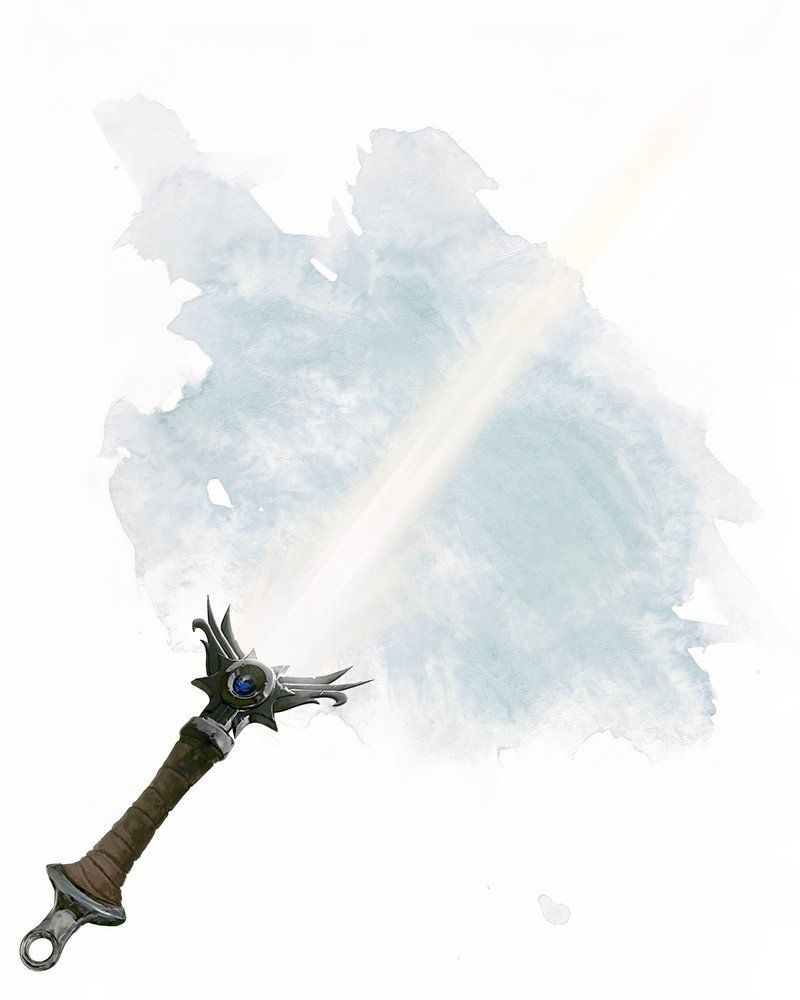
D&D’s take on the classic energy blade is the Sun Blade. Disguised as a mere hilt, it springs to life as a shaft of pure, searing radiance. It functions as a +2 longsword, dealing radiant damage and proving particularly devastating against creatures of the night.
The most famous iteration, found in Curse of Strahd, is the Sunsword—a tragic artifact born from a brother’s betrayal. Originally a crystalline blade wielded by Sergei von Zarovich, it was shattered by his brother, the vampire lord Strahd. Now, the sentient hilt remains, burning with a vengeful light and forever longing to destroy the man who murdered its master. It is more than just a weapon; it is an active participant in the campaign’s narrative.
6
Moonblade
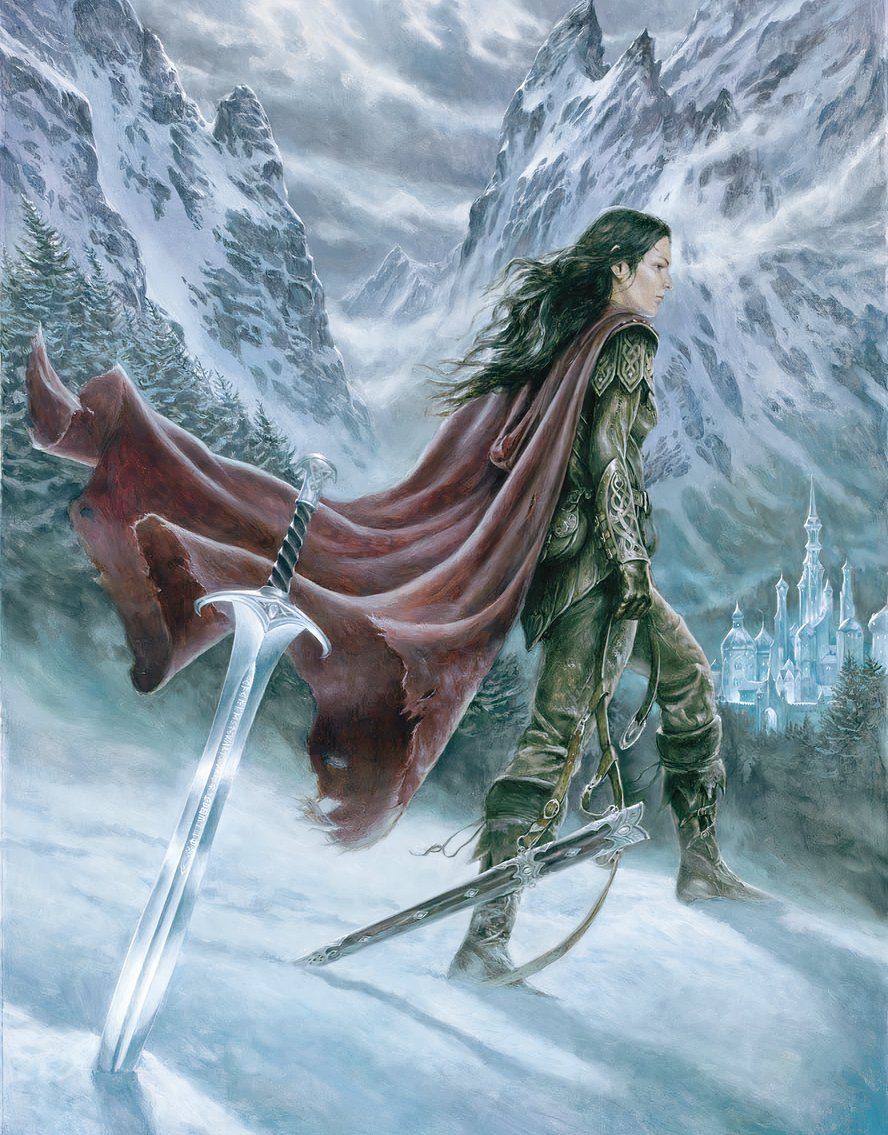
The Moonblade is an heirloom of elven nobility, a sentient longsword that chooses its master with deliberate intent. It remains dormant until a worthy heir is found, serving them until death before returning to its slumber.
What sets the Moonblade apart is its evolutionary nature. Each master it serves adds a new rune to the blade, granting it additional, randomized properties. While it starts as a +1 weapon, it can eventually reach +3 status, gain the properties of a Defender or Vorpal sword, or even store magical spells. For an elven character, holding a Moonblade is not just about power; it is about carrying the legacy of their lineage into battle.
5
Blackrazor
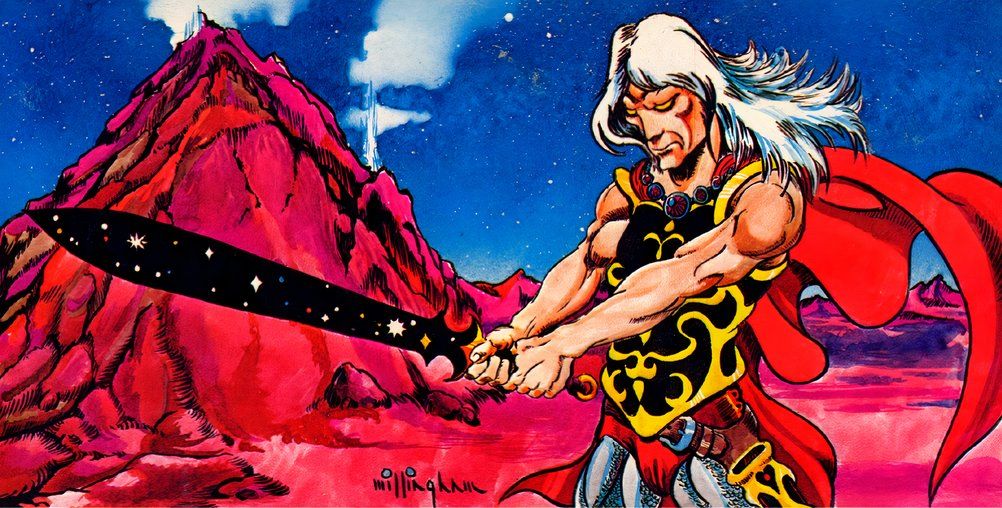
Blackrazor is a greatsword with an ego as large as its appetite for souls. This sentient, imperious weapon is the dark mirror of the Holy Avenger; it is undeniably powerful but demands a horrific price. If left unfed for three days, it will turn on its own wielder.
In combat, it is a monster. When you slay a foe, Blackrazor devours their essence, granting you temporary hit points equal to their maximum HP for a full day. During that time, you also gain advantage on attacks, saves, and ability checks—on top of an inherent +3 bonus. It is the ultimate weapon for a reckless barbarian, turning every encounter into a feast of bloodshed and power.
4
Vorpal Sword
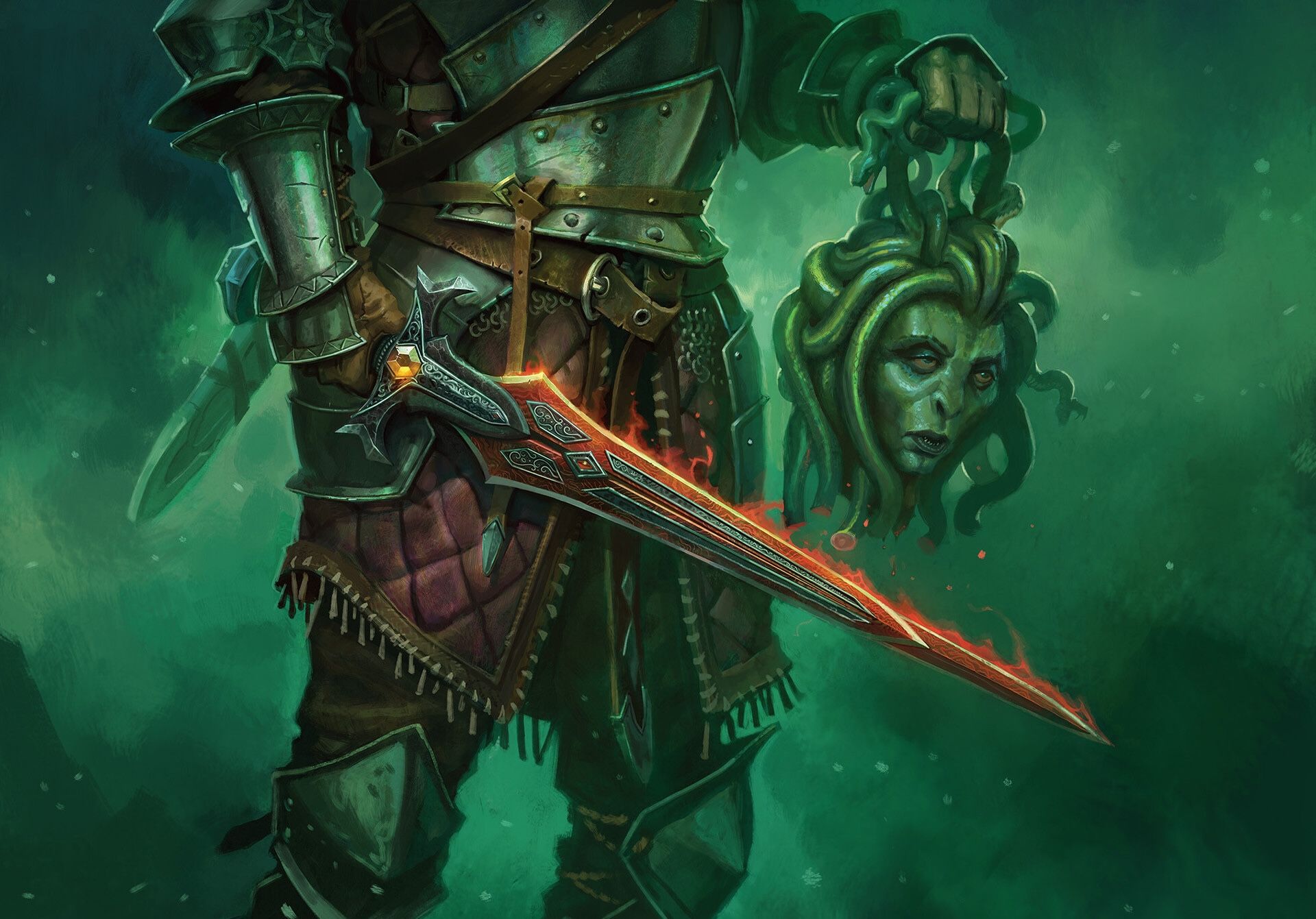
Inspired by Lewis Carroll’s “Jabberwocky,” the Vorpal Sword is a legendary weapon that ignores slashing resistance and carries a terrifyingly simple ability: a natural 20 on an attack roll results in an instant decapitation.
There is no feeling in D&D quite like the sudden, decisive end of a boss battle thanks to a lucky roll. It is the stuff of legends—that singular moment where the sword goes “snicker-snack” and a formidable threat is removed from the board in a single, brutal stroke. It remains a high-water mark for excitement at any table.
3
Blade of Avernus
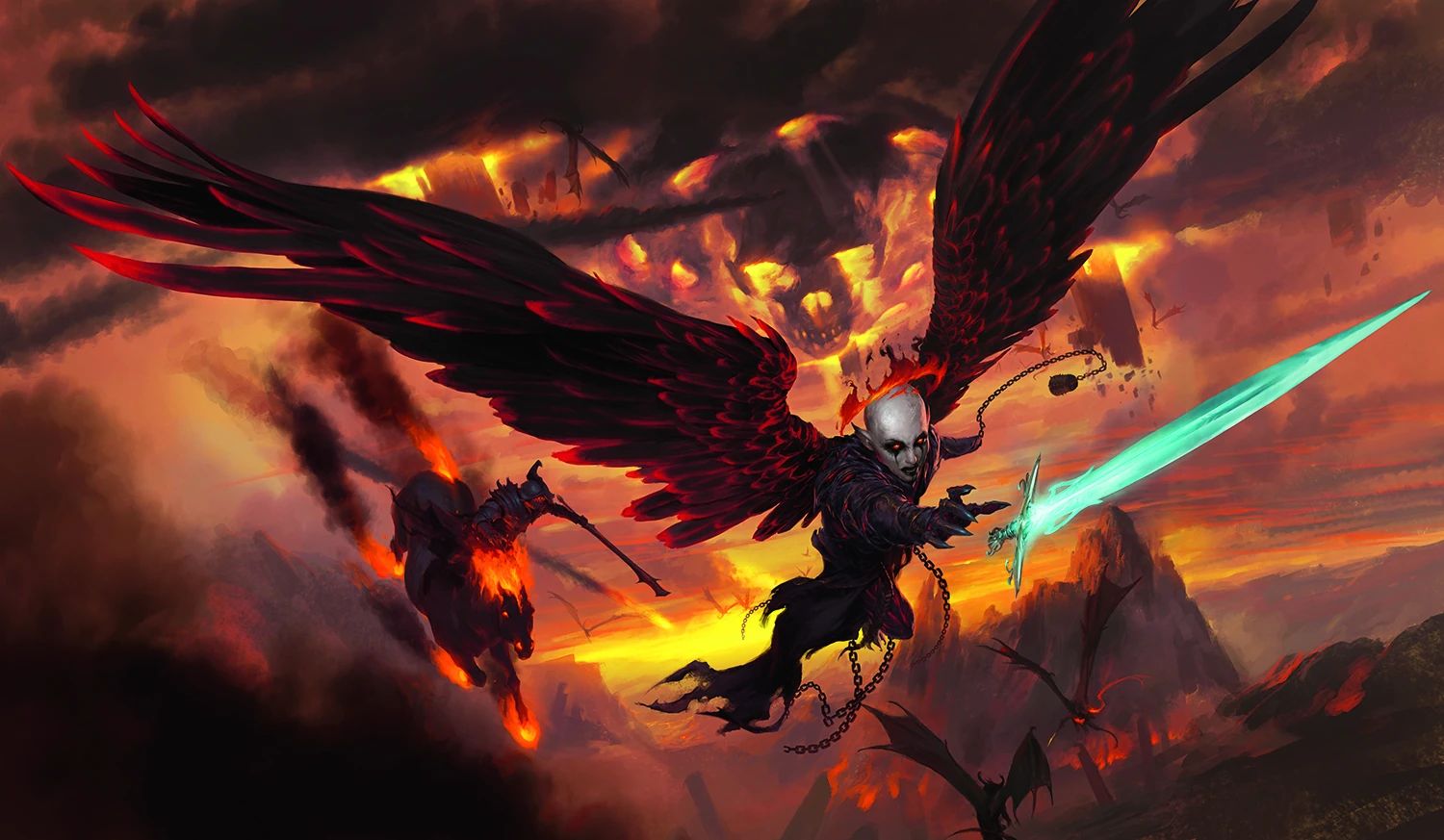
The Blade of Avernus is the ultimate prize of Baldur’s Gate: Descent Into Avernus. Forged from adamantine and dragon bone, this weapon symbolizes the tyranny of the archdevil Zariel. It acts as a Vorpal Sword, but it also grants the wielder terrifying influence, including the ability to command devils and teleport groups to safety.
Wielding this blade is a transformative experience, bestowing random beneficial properties while forcing a significant, detrimental one upon the user. It is a classic “devil’s bargain” in item form—immense power that comes at the cost of your soul and, potentially, the fate of the Nine Hells.
2
Sword of Zariel
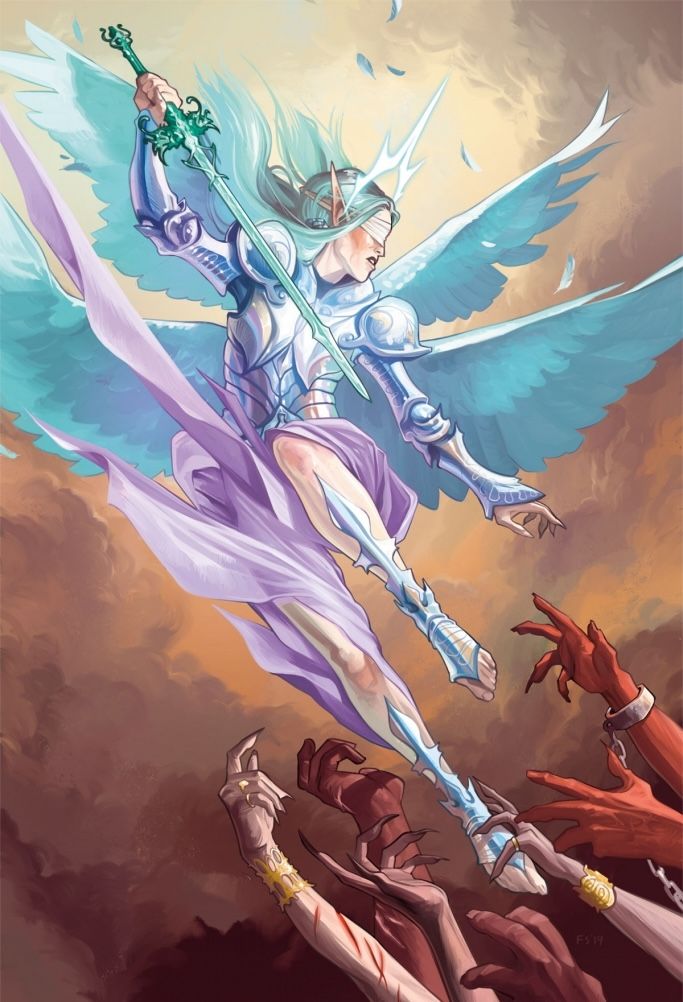
The Sword of Zariel is less of a tool and more of a catalyst for redemption. Once the celestial blade of the angel who would later become an archdevil, this weapon carries the weight of her lost purity.
Attuning to this sentient sword fundamentally changes the wielder. It forces their alignment toward Lawful Good, grants them golden wings, and surges their Strength and Charisma to superhuman levels. It is a weapon that doesn’t just make you better at combat; it reconstructs your identity. In a campaign defined by corruption, it stands as the singular, shining beacon of hope.
1
Sword of Kas
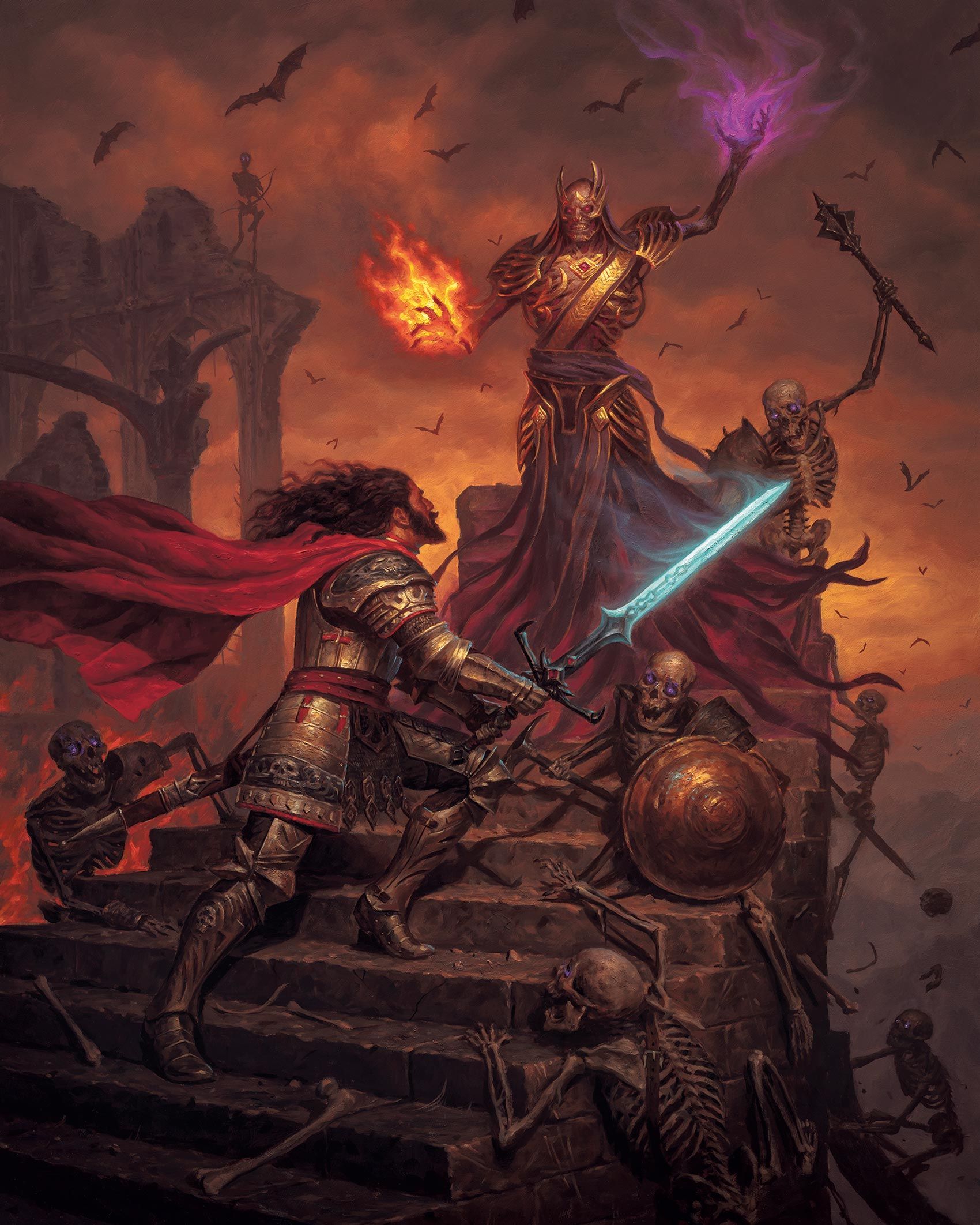
The Sword of Kas is a legend born of betrayal. It was the weapon used by Kas, the trusted lieutenant of the lich Vecna, to attempt a coup against his master. As such, the blade is infused with a singular, driving hatred for the Whispered One.
Mechanically, it is a Vorpal-grade weapon that tears through magical defenses and spells with ease. However, it is also deeply manipulative. Like Blackrazor, it is a cursed artifact that whispers to its owner, constantly encouraging violence and ambition. It is a sword that seeks to turn its wielder into the very tyrant they fight against, making it the most complex, dangerous, and undeniably cool weapon in the game.
Source: Polygon
Related articles
 Valve Adds Hero Baba and Bench to Deadlock as Game Sets New Steam Record
 Report Suggests Resident Evil Requiem DLC Plot Leaked Alongside Remakes of Resident Evil and RE Veronica
 Exclusive Riftbound Radiance Reveal – Ziggs, the Explosive
 Creator of Garry’s Mod Successor Admits Rough Launch and Responds to s&box Criticism
 The Detective Is Already Dead Season 2 Gets New Poster Ahead of Premiere
 Former Activision CEO Bobby Kotick Joins Skydance Board of Directors
 Nathan Fillion Says Superman Sequel Will Further Explore Lex Luthor
 The Lord of the Rings D&D Books Smash Crowdfunding Record