
Super Mario Galaxy: We had a great time despite obvious flaws (Review)
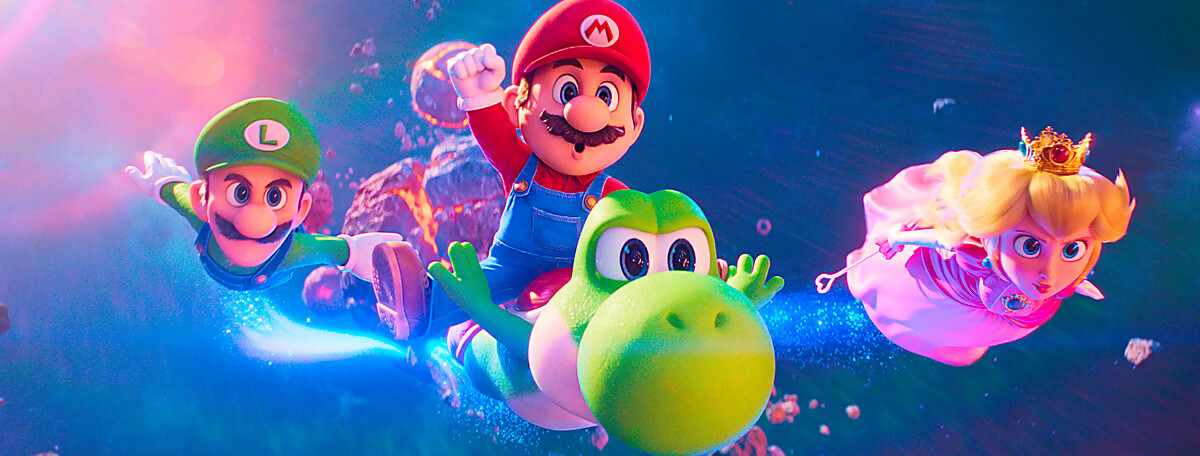
Hardly three years have passed since the Super Mario Bros. Movie shattered global records, hauling in a staggering $1.3 billion. Such a gargantuan triumph made a sequel inevitable, yet the speed with which Nintendo and Illumination have delivered this second installment is a testament to their industrial prowess. Adhering to the philosophy of striking while the iron is hot, this new venture arrives with a built-in advantage: it doesn’t require a complex script to fill theaters. Its predecessor proved that a lack of narrative depth is no barrier to commercial dominance. While audiences embraced the first film, critics were less kind, citing a disjointed plot and a lack of emotional stakes. The burning question now is: can Super Mario Galaxy bridge that gap? Has the partnership learned from past critiques to offer a more cohesive and narratively satisfying journey? Let’s dive in.
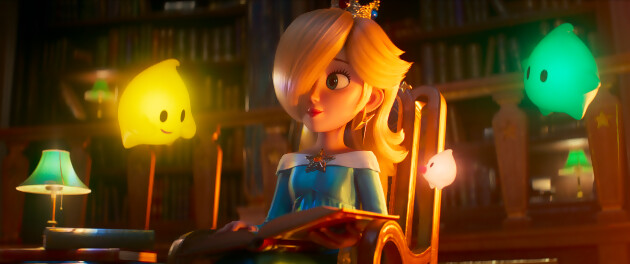
One of the primary strengths of Super Mario Galaxy is that it is liberated from the burden of world-building. With the foundations firmly established, the film enjoys a greater degree of creative freedom. It would be cynical to suggest the filmmakers didn’t try to elevate the storytelling; the plot here is noticeably more structured than the first film’s simple “save the brother” premise. Though still occasionally frantic, there is a clear attempt at emotional resonance, particularly through the character of Rosalina (Harmonie). By exploring her origins and addressing long-standing fan theories regarding her connection to Princess Peach, the film manages to weave in threads of mystery and genuine heart that were largely absent from the 2023 outing.
A Cosmic Expansion
The sequel represents a massive shift in scale, trading the Mushroom Kingdom’s rolling hills for the infinite reaches of the cosmos. This “bigger is better” approach clearly signals Nintendo’s ambition to craft a “Nintendo Cinematic Universe” (NCU). The crossover potential is realized through the inclusion of Fox McCloud from Star Fox. For long-time fans, seeing Pikmin and StarFox elements merge feels like a precursor to a Super Smash Bros. cinematic event. However, a significant marketing blunder dampened the impact; by revealing Fox McCloud in the trailers, Nintendo robbed the audience of a genuine “theater-shaking” moment. The character plays a vital role—far more substantial than a mere cameo—and deserved to be a surprise discovered on the big screen.
The Yoshi Disappointment
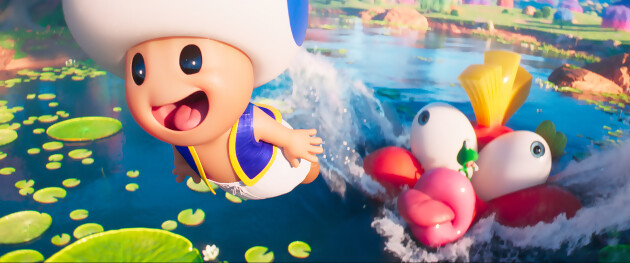
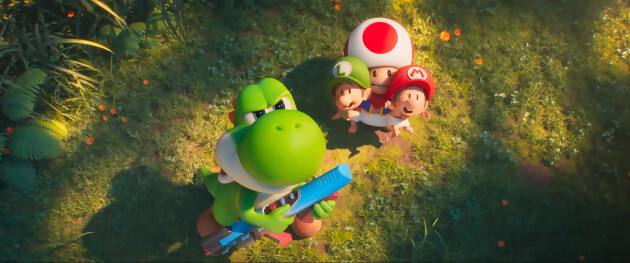
Unfortunately, the treatment of Yoshi is the film’s most glaring flaw. After being teased as a major addition in the first film’s post-credits scene, the iconic green dinosaur is relegated to a glorified extra. His introduction is rushed—taking place in a pyramid level inspired by Mario Odyssey—and his friendship with the brothers is established in mere seconds without any meaningful development. Despite being voiced by Donald Glover, Yoshi barely speaks, and his role as Mario’s legendary mount is almost entirely ignored outside of one brief sequence. To build up such a beloved character only to use him as background scenery feels like a missed opportunity, if not outright deceptive marketing.
A Frenetic Visual Feast
The film’s pacing is its other double-edged sword. It adopts a hyper-active, almost “TikTok-inspired” rhythm that rarely allows the viewer a moment to breathe. For 100 minutes, the screen is an explosion of neon colors, orchestral swells, and relentless action. While individual sequences are breathtaking, the cumulative effect can be exhausting. It feels as though the movie was designed as a series of “viral moments” rather than a flowing narrative. This breakneck speed often undermines the more personal themes of family and heritage the script tries to introduce.
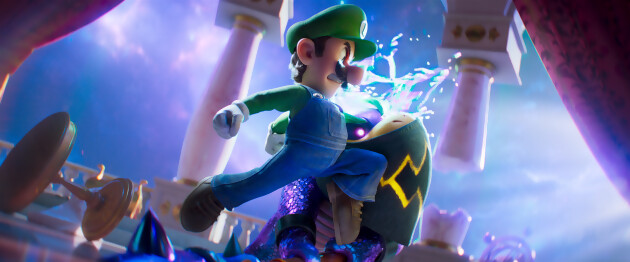
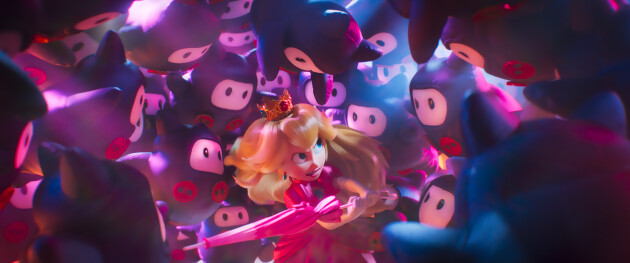
However, from a technical standpoint, Super Mario Galaxy is a masterpiece. Illumination has reached a new peak of aesthetic mastery. The animation is fluid, the lighting in the space sequences is phenomenal, and the camera work during battle scenes is inventive and immersive. It is a sensory delight that occasionally borders on the hypnotic.
Final Verdict
Ultimately, Super Mario Galaxy is a crowd-pleaser designed for family entertainment. It is a vibrant, sugary spectacle that provides an instant rush of joy. While it lacks the narrative sophistication of a Pixar or Ghibli classic, it succeeds in its mission to entertain. If Nintendo can learn to balance their incredible visual energy with a bit more structural restraint and respect for their secondary characters, the NCU could become something truly legendary. For now, it is a fun, albeit slightly overstuffed, cosmic ride.
OUR RATING: 7/10
Related articles
 Lords of the Fallen II to feature improved combat and reworked story
 Disney Survival Thriller Whalefall Fails to Replicate The Martian
 Dragon Quest Creator Uses AI to Make Game in 30 Minutes and Is Unfazed by Criticism
 Unofficial Port Brings Forza Horizon 2 to PC in 4K
 Valor Mortis: ‘The Scarecrow’ Quest Walkthrough
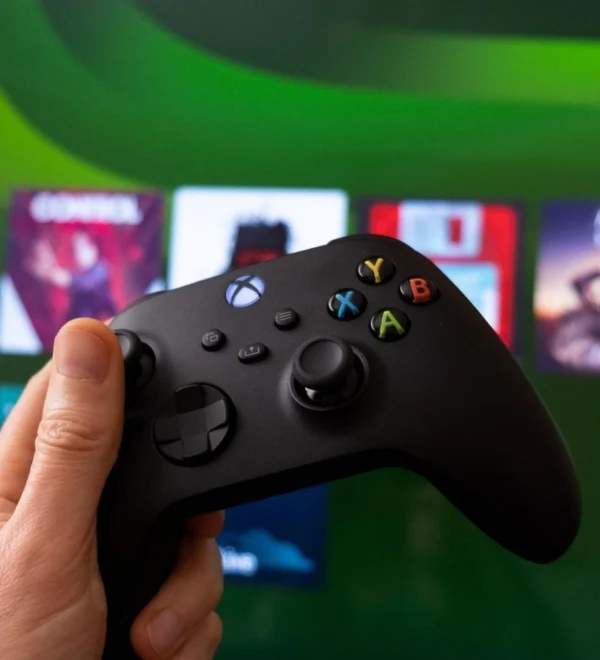 Microsoft Updates Xbox Cloud Gaming Requirements, Leaving Outdated TVs Behind
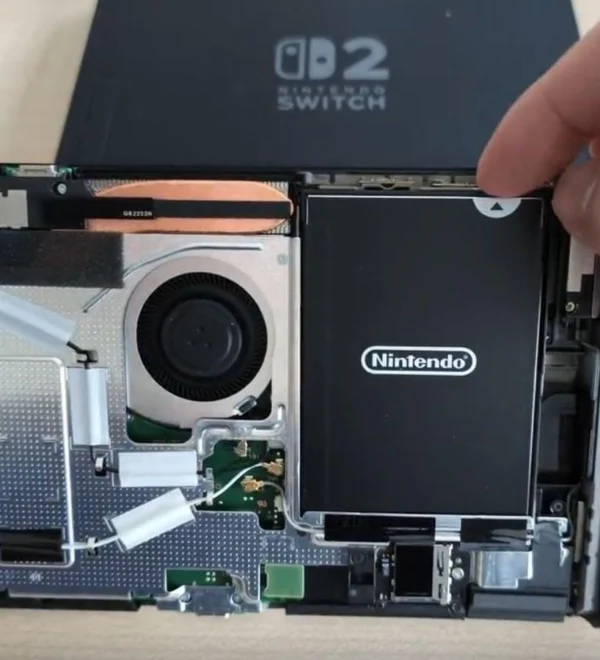 Nintendo Details Switch 2 Battery Replacement Process
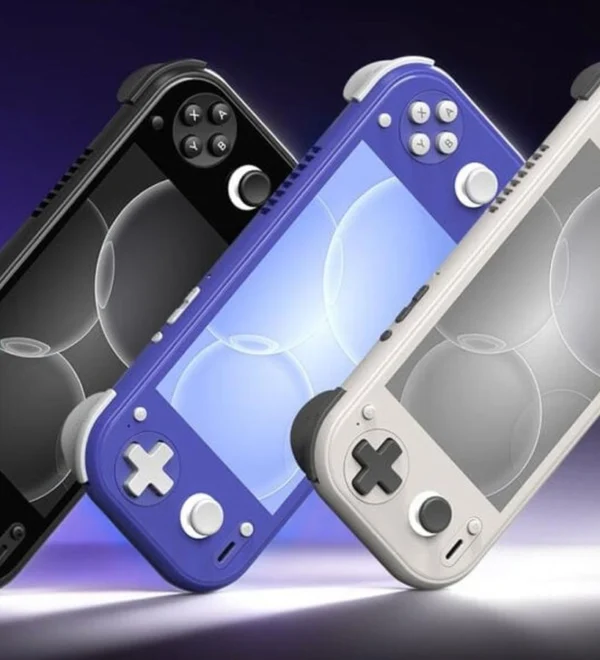 US Gaming Industry Demands Action Against Piracy Amid Threat to Cheap Retro Consoles