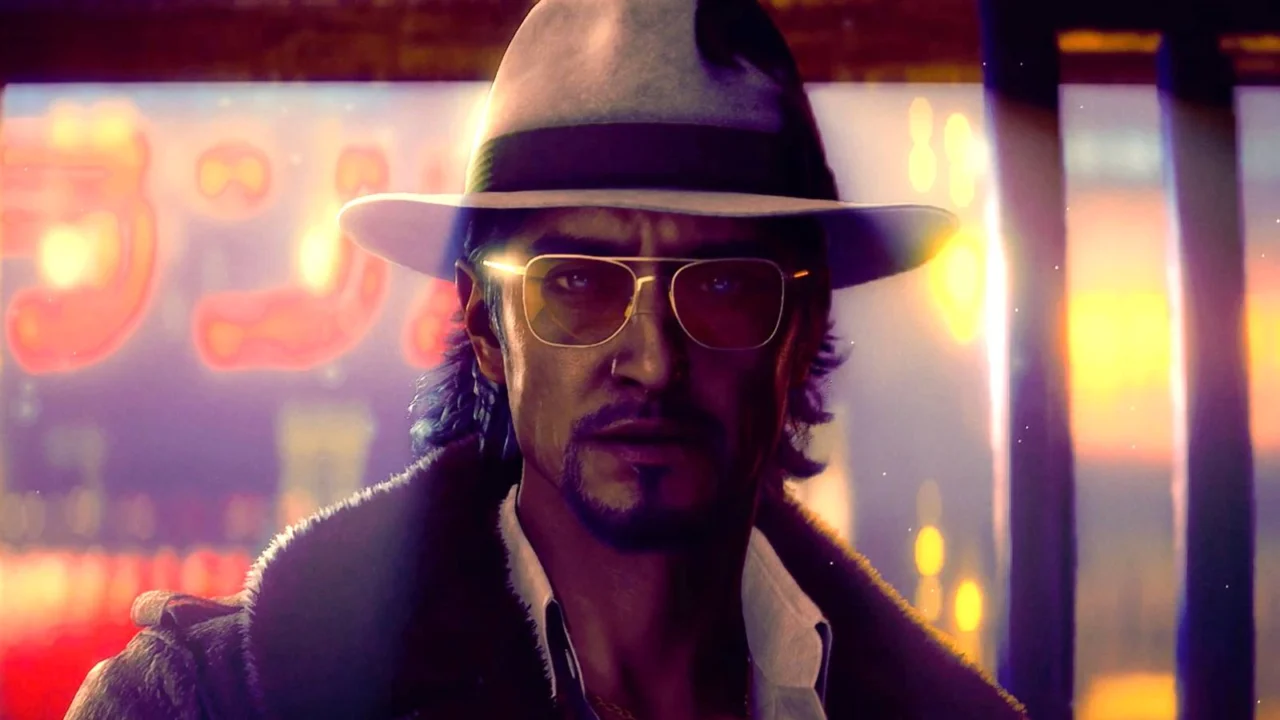
Stranger Than Heaven Receives Release Date Update and New Details — Here Is What We Know
Sega’s Ryu Ga Gotoku Studio, the visionary team behind the Yakuza/Like a Dragon and Judgment franchises, has finally unveiled their latest action-adventure project. During Wednesday’s “Xbox Presents: A Special Look at Stranger Than Heaven” showcase, the developer shared an extensive overview of the game’s cast, its five distinct historical settings, a robust entertainment management simulation, and its thematic connections to the broader Yakuza lore. The studio also confirmed that the title is slated for a “this winter” release window—placing it between late December 2026 and March 2027—and will be available on Xbox Game Pass from day one.
As dedicated RGG enthusiasts had long theorized, Stranger Than Heaven serves as a prequel, detailing the foundations of the Tojo Clan—the influential Tokyo-based criminal syndicate central to the arcs of Kazuma Kiryu, Goro Majima, and Ichiban Kasuga. The narrative spans half a century, chronicling the lives of protagonist Makoto Daito and his inseparable childhood friend, Yu Shinjo, as they transition from desperate stowaways to major players in Japan’s entertainment and underworld scenes.
The showcase provided a deep dive into the mechanics and narrative scope of the game. Here is a breakdown of what we discovered.
Stranger Than Heaven: A Tale of Two Paths
Executive Director Masayoshi Yokoyama outlined a story that commences in 1915 San Francisco. The protagonist, Makoto Daito, is a biracial individual facing harsh discrimination following the loss of his father and the subsequent illness of his mother. Desperate to flee the prejudice he faces in the U.S., Makoto attempts to build a new life in his mother’s homeland, sneaking aboard a cargo ship alongside his companion, Yu Shinjo.
They are intercepted by a charismatic, double-braided smuggler named Orpheus—portrayed with surprising flair by Snoop Dogg. Orpheus recognizes Makoto’s Japanese language skills and brings him under his wing as an apprentice. Meanwhile, Yu, played by actor Dean Fujioka, emerges as a stark foil to Makoto. While Makoto relies on brute force, Yu is cerebral and calculating. Though they diverge geographically—Makoto finding himself embroiled in the Yakuza scene of Hiroshima, while Yu navigates different avenues—their eventual reunion as business partners in Osaka sets the stage for a narrative resolution that promises to defy expectations.
A Century of Change: The Settings
Kokura, Fukuoka — 1915
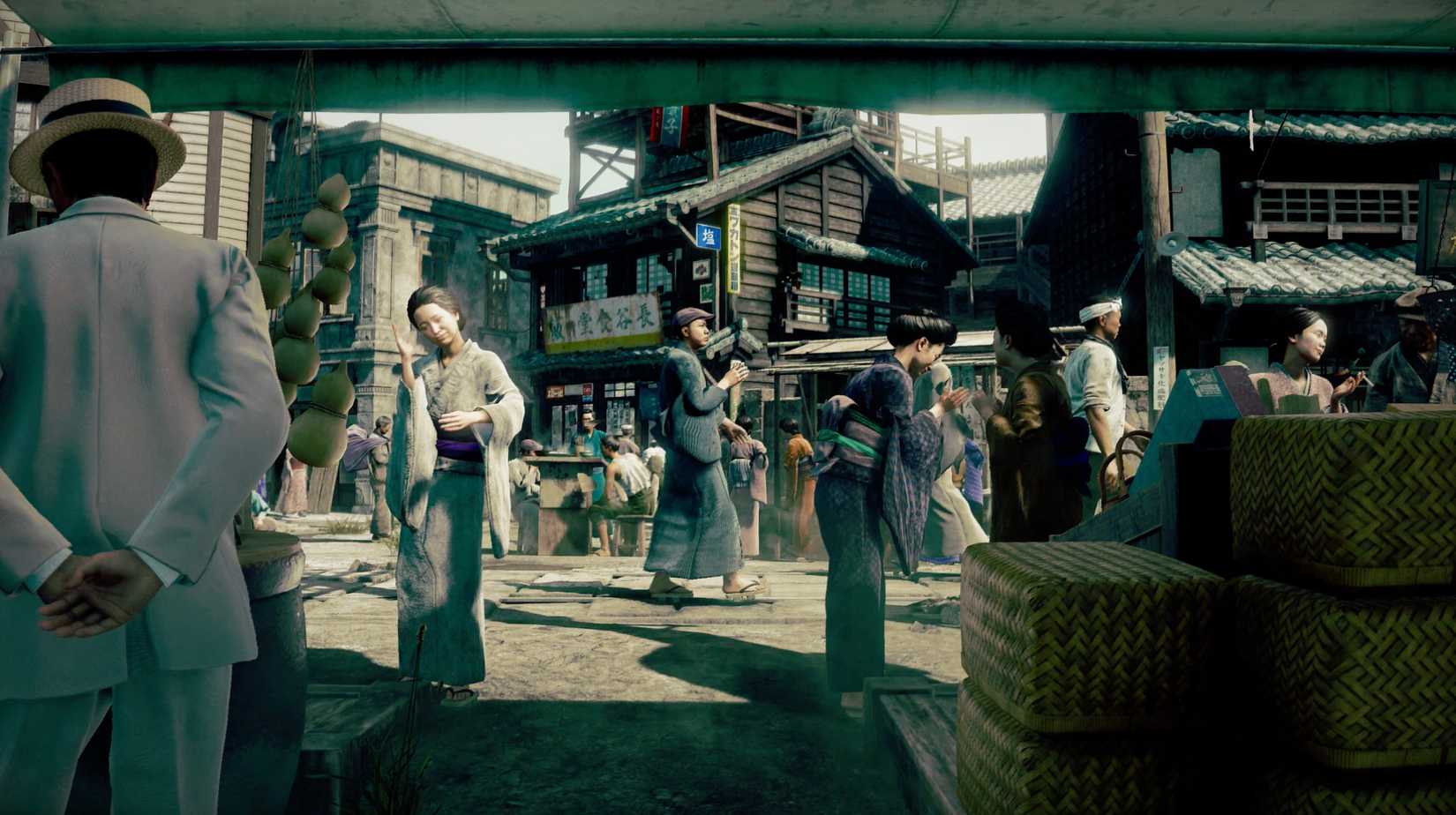 Image: Sega / RGG Studio
Upon arriving in Japan, the duo lands in this industrial hub. It is a bleak, bustling environment defined by smokestacks and labor, where the standard vices of the era—gambling and drinking—are rampant. Early footage highlights the desperate nature of survival in this period, even showing Makoto engaging in tense negotiations for companionship.
Kure, Hiroshima — 1929
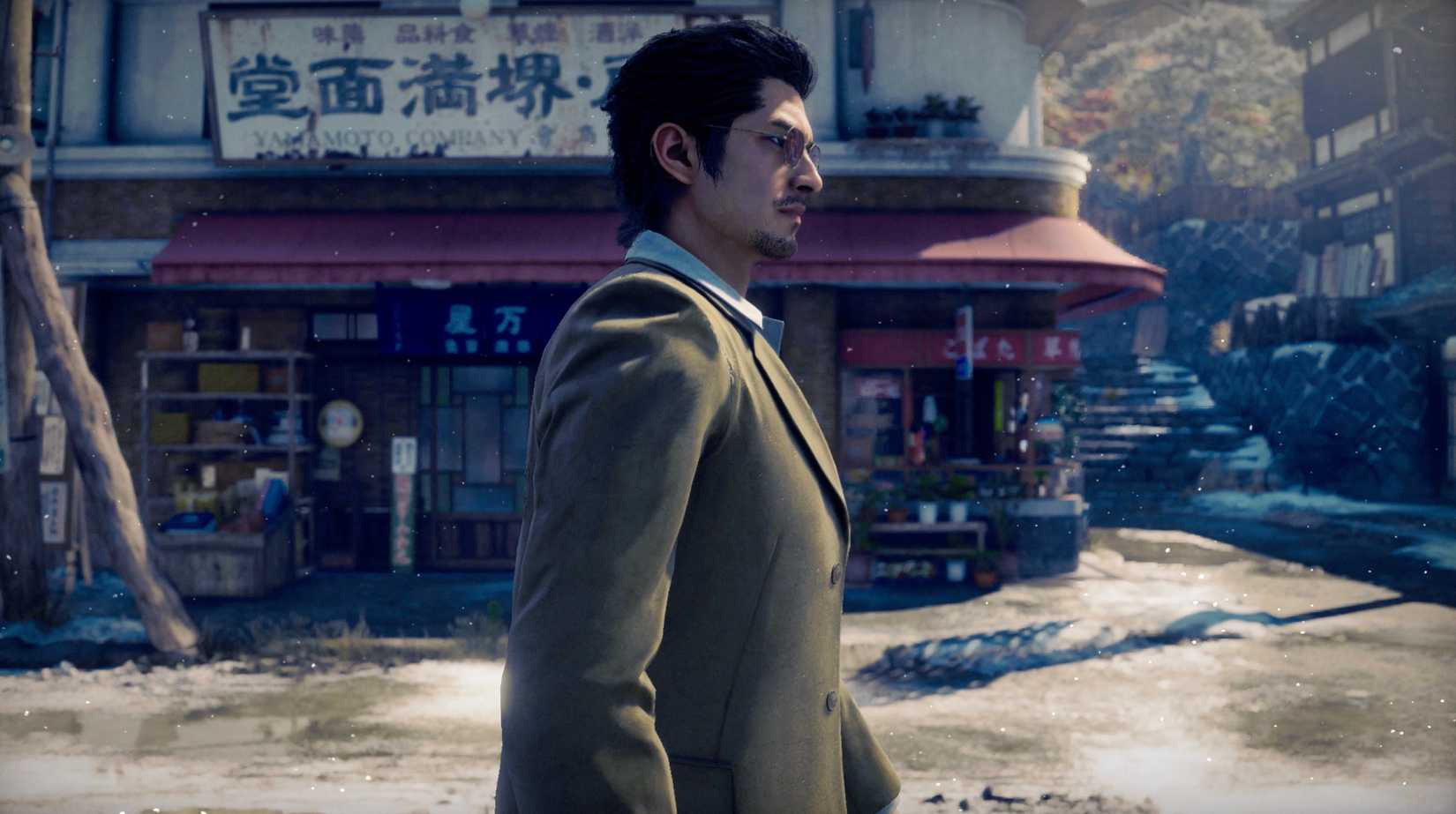 Image: Sega / RGG Studio
Characterized by its shipbuilding industry and unique topography of hills and waterways, Kure serves as the base for the Iwaki crime family. Given the historical ties between shipbuilding and government conspiracies established in previous entries like Yakuza 6, this location seems poised to unearth significant franchise lore. It is here that Makoto encounters a mentor figure, sparking his initial interest in the music and nightlife industries.
Minami, Osaka — 1943
 Image: Sega / RGG Studio
Osaka returns, but in a significantly different, wartime context. Makoto and Yu consolidate their business efforts here, amidst a growing international presence. Notably, the city sees an influx of Italian Mafia members, an international criminal faction previously unseen in the Yakuza series.
Atami, Shizuoka — 1951
 Image: Sega / RGG Studio
Post-war Japan is defined by the rapid adoption of American fashion and cultural trends. This seaside destination is where the narrative introduces Suzy, a singer portrayed by American Idol alum Tori Kelly, further cementing the game’s focus on musical themes.
Kamurocho, Tokyo — 1965
 Image: Sega / RGG Studio
The series’ legendary red-light district returns with a distinct mid-century aesthetic. While details are being kept under wraps, the studio has hinted that a major, game-altering secret resides in this location.
Showmanship and Sound
True to form, the game is packed with distractions, ranging from classic arm wrestling and gambling to a complex management sim centered on Makoto’s entertainment career. Players must recruit performers, compose music, and promote nightclub acts. Interestingly, players can “sample” ambient sounds from the environment—such as industrial machinery or city life—and incorporate them into original songs, highlighting the game’s eclectic soundtrack, which blends jazz, blues, and even modern hip-hop.
Tactical Combat Evolution
The combat system has undergone a radical overhaul. Producer Hiroyuki Sakomoto explained that players now control the left and right sides of the character independently, with specific triggers assigned to each limb. This system encourages a tactical, rhythmic approach to blocking and countering. As the decades pass, weapon technology advances, allowing players to upgrade their arsenal of blades and blunt instruments accordingly.
While the recent reveal focused heavily on the game’s dramatic and mechanical shifts, it left fans wondering if the series’ signature absurdist humor will return. Regardless, the prospect of navigating these historical eras—and perhaps witnessing the origins of beloved minor characters—makes Stranger Than Heaven one of the most anticipated titles for PS5, PC, and Xbox Series X this winter.
Source: Polygon
Related articles
 JND Studios Teases Hyper-Realistic Rubeus Hagrid Statue
 007 First Light Gets Performance Mode on Xbox Series S
 Remedy Begins Full Production on Max Payne Remakes
 New Crazy Taxi: World Tour Trailer Showcases Brazil
 Ubisoft Promotes Diversity, Equity, and Inclusion Director to Head of AI Implementation
 US Xbox Sales Hit Historic Low Amid Record Prices While PlayStation Sees Weakest Result Since 2013
 PlayStation Store Launches Players’ Choice Sale With Discounts Up to 85 Percent
 SEGA Casts Charlie Cox in New Game Despite Initial Preference for American Actor