
Roadside Research is the most brilliantly stupid game I’ve played in years
We are currently in the middle of a massive gaming windfall. The last few weeks alone have delivered heavy hitters like a new God of War, Nioh, and the latest Resident Evil. These blockbusters arrived right as instant indie classics like Cairn, Mewgenics, and Mio: Memories in Orbit were already vying for our attention. Yet, instead of diving into these obvious Game of the Year frontrunners, I’ve spent my evenings roleplaying as an extraterrestrial who is pretending to be a human, who is in turn pretending to manage a rural gas station—and failing spectacularly at every stage of the process.
Roadside Research, which hit early access for Windows and Xbox Series X on February 12, is a management simulator only in the most chaotic sense of the word. You and up to three companions play as aliens attempting to blend into society. Their ingenious disguise? Taping crude, amateurish sketches of human faces over their own. The goal is to run a backroads gas station to covertly monitor human behavior and transmit findings to your home planet. Between the low-poly aesthetic, intentionally clunky controls, and the emphasis on cooperative absurdity, Roadside Research fits perfectly into the emerging “friendslop” subgenre.
My journey into this strange world was entirely accidental. A friend reached out to see if I wanted to continue our Black Ops 7 co-op campaign. I was interested—the campaign is genuinely impressive in multiplayer—but I had recently cleared the massive Call of Duty file from my hard drive. Re-downloading 200 GB would take hours. Looking for a quick distraction, we noticed a bizarre-looking title on Game Pass that promised a tiny download size. We figured we’d kill a few minutes with something ridiculous.
That is how we found ourselves trapped in Roadside Research, a game where the controls feel like they are actively fighting your inputs and the internal logic is consistently baffling.

The gameplay loop begins with the standard management trope: generate revenue. You do this by selling snacks, sodas, and fuel, though neither task is straightforward. On the Xbox version, navigating the register requires a confusing mix of thumbstick and D-pad inputs. When you’re trying to count out exact change down to the penny, it becomes a high-stakes dexterity test. Pumping gas is even more cumbersome, involving a multi-step process of taking cash, unhooking lines, selecting fuel grades, and precisely timing the pump trigger. It is remarkably easy to accidentally ruin the entire transaction at any moment.
Profit allows you to expand your inventory, adding more shelves and increasingly strange products. Eventually, the game shifts toward its sci-fi premise, tasking you with photographing specific human archetypes or utilizing bizarre alien gadgets. High-level unlocks include things like “auto-probing toilet stalls,” leaning heavily into vintage sci-fi humor. However, if you’re too blatant with your technology, you’ll attract the attention of secret agents who will either end your run or force you into a grueling interrogation minigame.
The logistical nightmare never ends. Customers leave trash everywhere, which you must initially pick up piece by piece. You have to restock shelves from the backroom, order more supplies via a clunky computer, and scrub toilets that emit glowing green clouds. Occasionally, your own alien biology betrays you, leaving “goo” on the floor that must be cleaned before it tips off the authorities. At its peak intensity, the game mirrors the frantic energy of Overcooked or Moving Out.
We eventually decided to call it a night, assuming we had spent maybe an hour messing around. When we loaded the save the next day, the timestamp revealed we had actually been playing for three and a half hours straight.
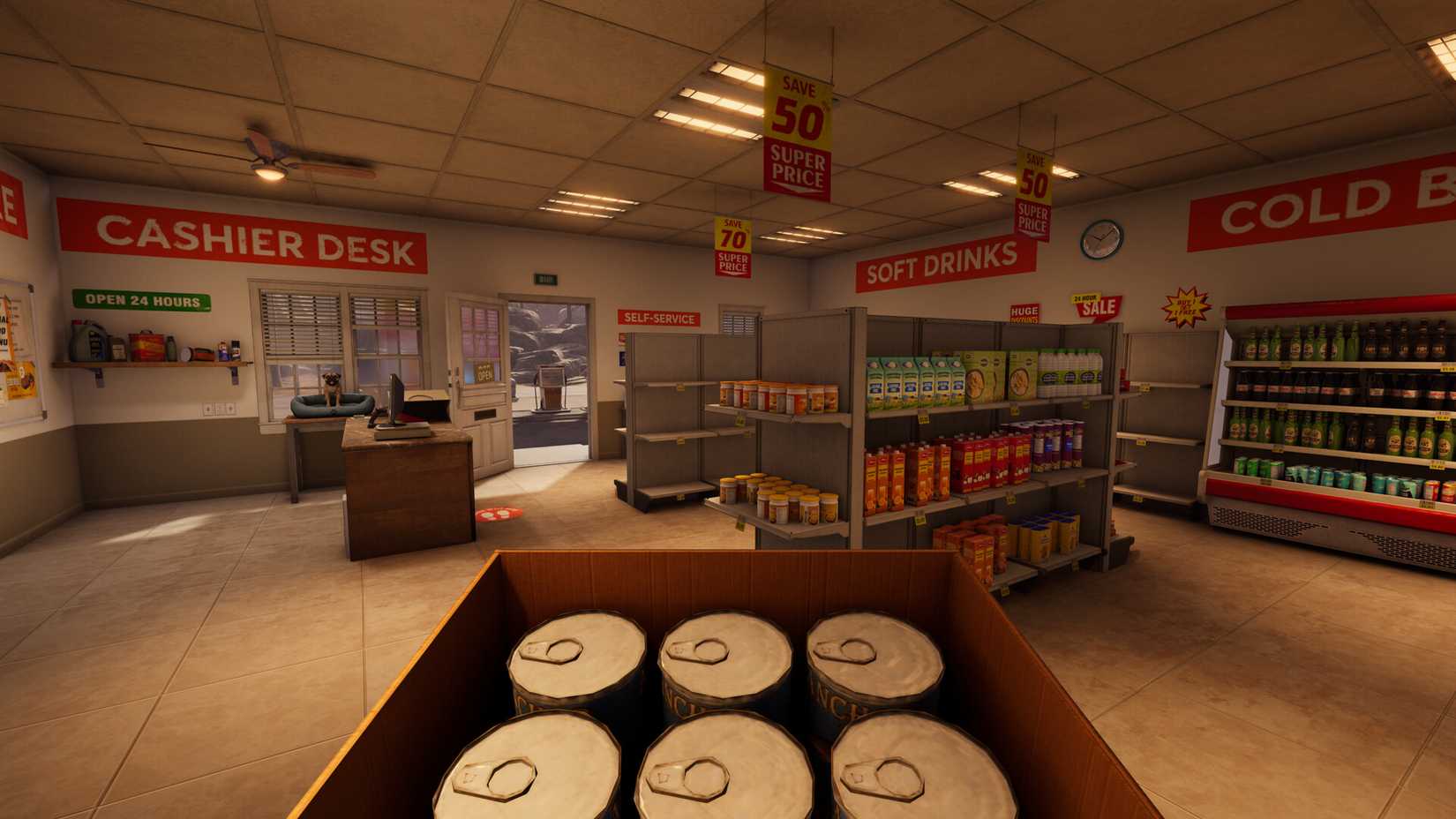
This has become our new nightly ritual. We’ve spent the last week stress-testing the game’s erratic systems to see what we can get away with. For example, you can gouge customers on prices, but if you go too far, your reputation plummets. Strangely, the humans seem to have very specific priorities. We raised gas prices to $7 a gallon—well above the national average—and nobody blinked. However, when we priced “Conk Light” (the game’s version of Diet Coke) at $7, the customers revolted with a fury I’ve rarely seen in a video game. They didn’t just leave bad reviews; they tanked our satisfaction rating so hard it felt like a personal vendetta. The lesson: do not mess with the soda prices.
The customers are equally erratic in their shopping habits. Shelves can only hold one type of item at a time, and you can’t switch products until the shelf is completely empty. We have one particular shelf with a single, lonely can of beans that has been sitting there for days. Customers keep buying beans from the other two identical shelves, leaving that one solitary can to block our inventory management like a curse.
We also eventually realized we didn’t have to pick up every scrap of trash by hand. You can purchase trash bags and bins, though the bins have inexplicably large footprints and cannot be placed anywhere near a wall or another object. If there was a tutorial explaining these quirks, we certainly didn’t see it.
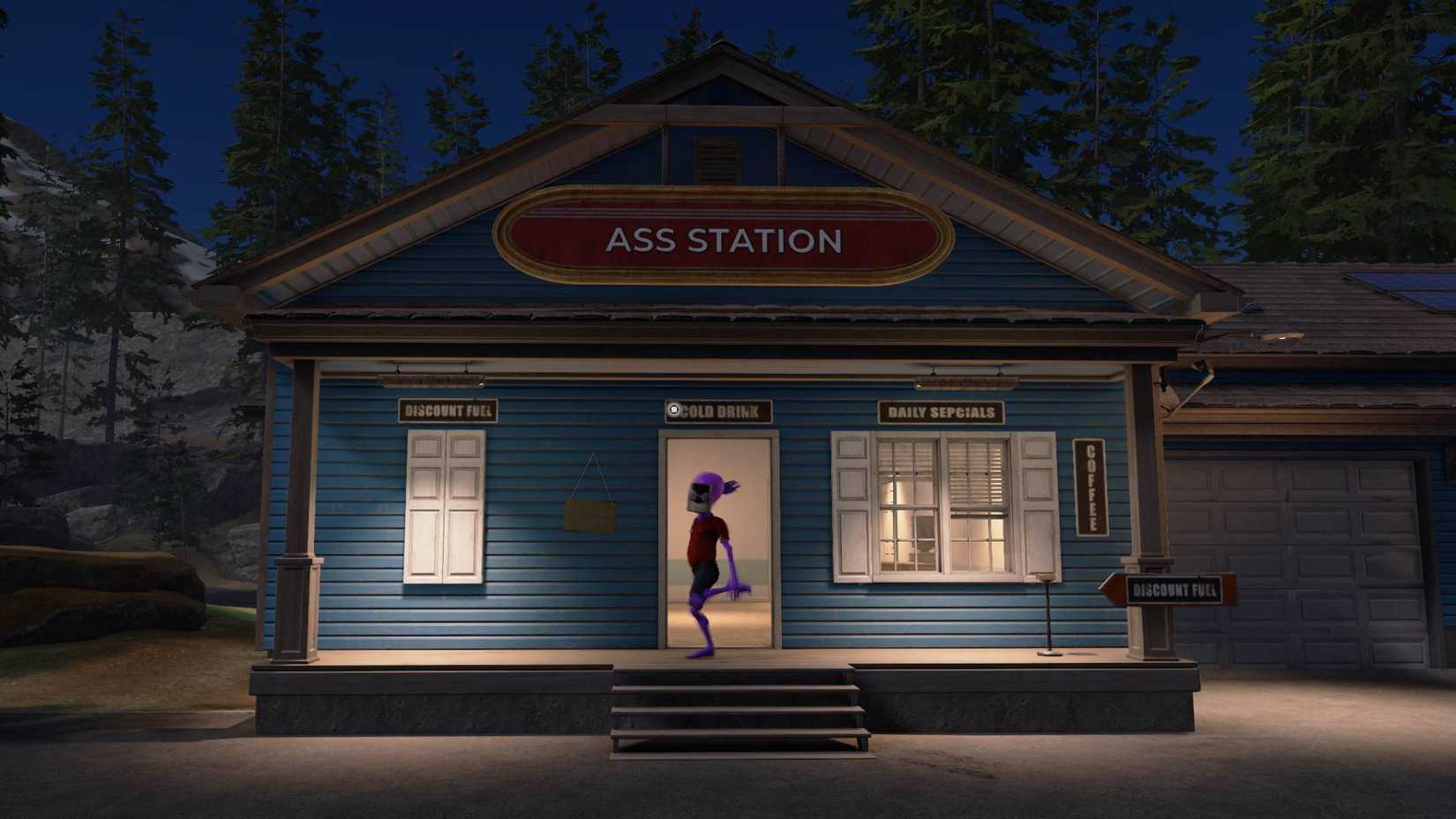
The game also features a high level of customization designed for pure nonsense. You can name your station whatever you like, and the name appears prominently on the building’s facade. Even better, you can draw your own designs on the paper masks your alien characters wear. With absolutely zero filters in place, the results are predictably chaotic and mostly unsharable in a professional setting.
Roadside Research is a game that feels like it could fall apart at any moment, yet it’s provided the most entertainment I’ve had all year. I realize I’m a bit late to the “friendslop” phenomenon—titles like Lethal Company and REPO have been dominating this space for a while. Even Peak managed to snag a Game Award nomination last year alongside massive titles like Battlefield 6. It’s a simple realization, but a profound one: a game doesn’t need a multi-million dollar polish if it facilitates a great time with friends. Sometimes, the jank is the point.
Source: Polygon
Related articles
 Helldivers 2 Receives Thousands of Negative Reviews After Update Breaks Popular Mod
 The Rings of Power Season 3 Gets a New Trailer
 Hacker Claims Jailbreak of New PS5 Firmware 14.20 Eight Hours After Release
 EA Shuts Down BioWare, Cancels Next Mass Effect Game
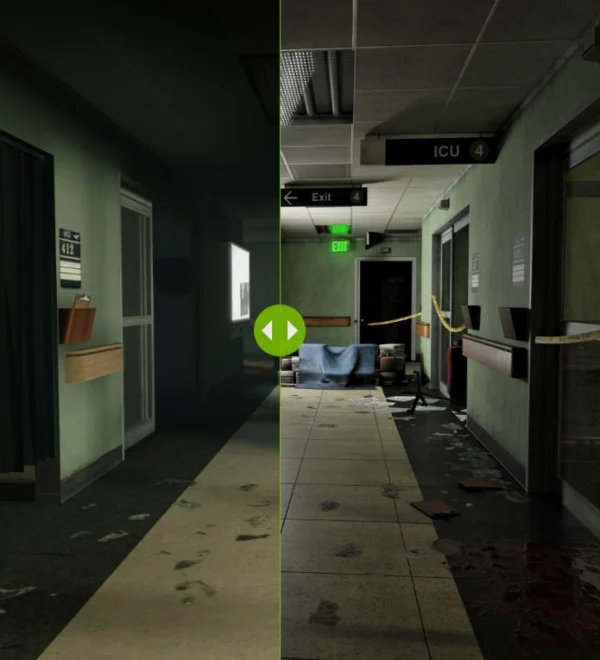 Left 4 Dead RTX Announced as NVIDIA Shows Enhanced Version of Left 4 Dead 2
 Diablo: Unbound, a Tabletop Dungeon Adventure With Random Loot, Announced
 Reddit user voices38 deletes account after court ruling allowing identity disclosure, and v0ices38 appears
 Borderlands and BioShock Are Being Removed From Steam Libraries After 13 Years, and Players Lose Licenses to Purchased Games