
Project Hail Mary Lives Up to the Hype as a Worthy Successor to The Martian
There is a persistent editorial cliché suggesting that most trend-focused journalism is sparked by a reporter trying something new, enjoying it, and concluding that they have stumbled upon a revolutionary cultural shift. The logic is simple: If I like this, surely the rest of the world is just discovering it too? (The “Boss Baby vibes” meme is essentially the internet’s way of mocking this exact phenomenon.) This tendency often makes critics hesitant to treat their personal interactions as broad data points.
With that caveat in mind, I recognize that my observations are anecdotal when I say that the fervor surrounding Phil Lord and Christopher Miller’s adaptation of Andy Weir’s Project Hail Mary feels uniquely intense. Over the last few months, a staggering number of people have approached me to express their excitement, usually followed immediately by a wave of trepidation. They are desperate for the film to succeed but terrified it might miss the mark. I haven’t witnessed this specific brand of collective cinematic anxiety since the lead-up to The Phantom Menace.
If you find yourself in that camp—fretting over whether Project Hail Mary can live up to the source material—you can breathe a sigh of relief. The film is a triumph that delivers everything a fan could hope for while remaining thoroughly accessible and entertaining for the uninitiated.
Much of this apprehension likely stems from the monumental success of Ridley Scott’s 2015 adaptation of The Martian. That film was a global phenomenon, earning $630 million and securing seven Academy Award nominations, including Best Picture. It remains a gold standard for modern science fiction by distilling Weir’s dense, meticulously researched technical passages into a gripping, charismatic adventure that satisfied both casual viewers and actual scientists. Replicating that lightning-in-a-bottle success with Project Hail Mary seemed like a statistical impossibility.
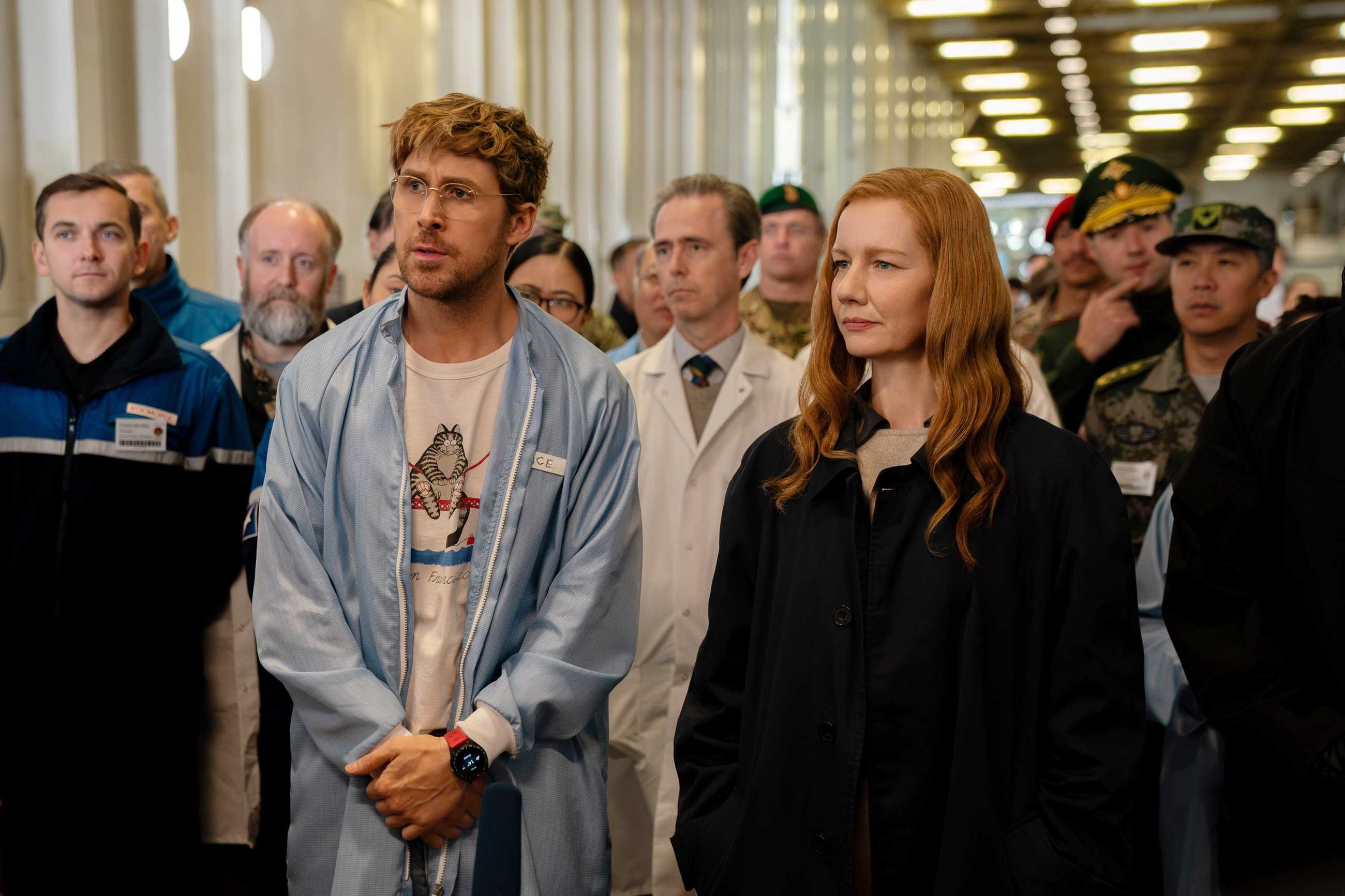
However, Lord and Miller—the creative minds behind The Lego Movie and the Spider-Verse franchise—possess a rare talent for blending high-octane action with genuine comedy. With The Martian’s screenwriter Drew Goddard returning to adapt the script and Andy Weir closely involved in the process, the project was in capable hands. Ryan Gosling steps into the role of Ryland Grace, a brilliant but hesitant scientist-turned-astronaut. While his performance offers a different energy than Matt Damon’s, he brings an equal amount of charm and a compelling mix of vulnerability and grit. This creative team understood the assignment and executed it with precision.
The story begins with Grace waking up in total isolation aboard a starship, his memory wiped by the side effects of a long-term coma. Through fragmented flashbacks, the stakes are revealed: Earth’s sun is being drained by “astrophage,” a stellar parasite that threatens to trigger a global ice age. The Tau Ceti system is the only nearby star seemingly immune to the infection, and Grace is Earth’s last-ditch effort to find out why.
While the marketing for the film revealed some of the book’s major plot shifts—a move that Weir noted was essential for the trailer—Project Hail Mary is less about the “twists” and more about the procedural thrill of problem-solving. It follows a brilliant mind applying the laws of physics and biology to survive impossible odds. This time, however, the mission isn’t just personal survival; it’s the salvation of multiple civilizations.
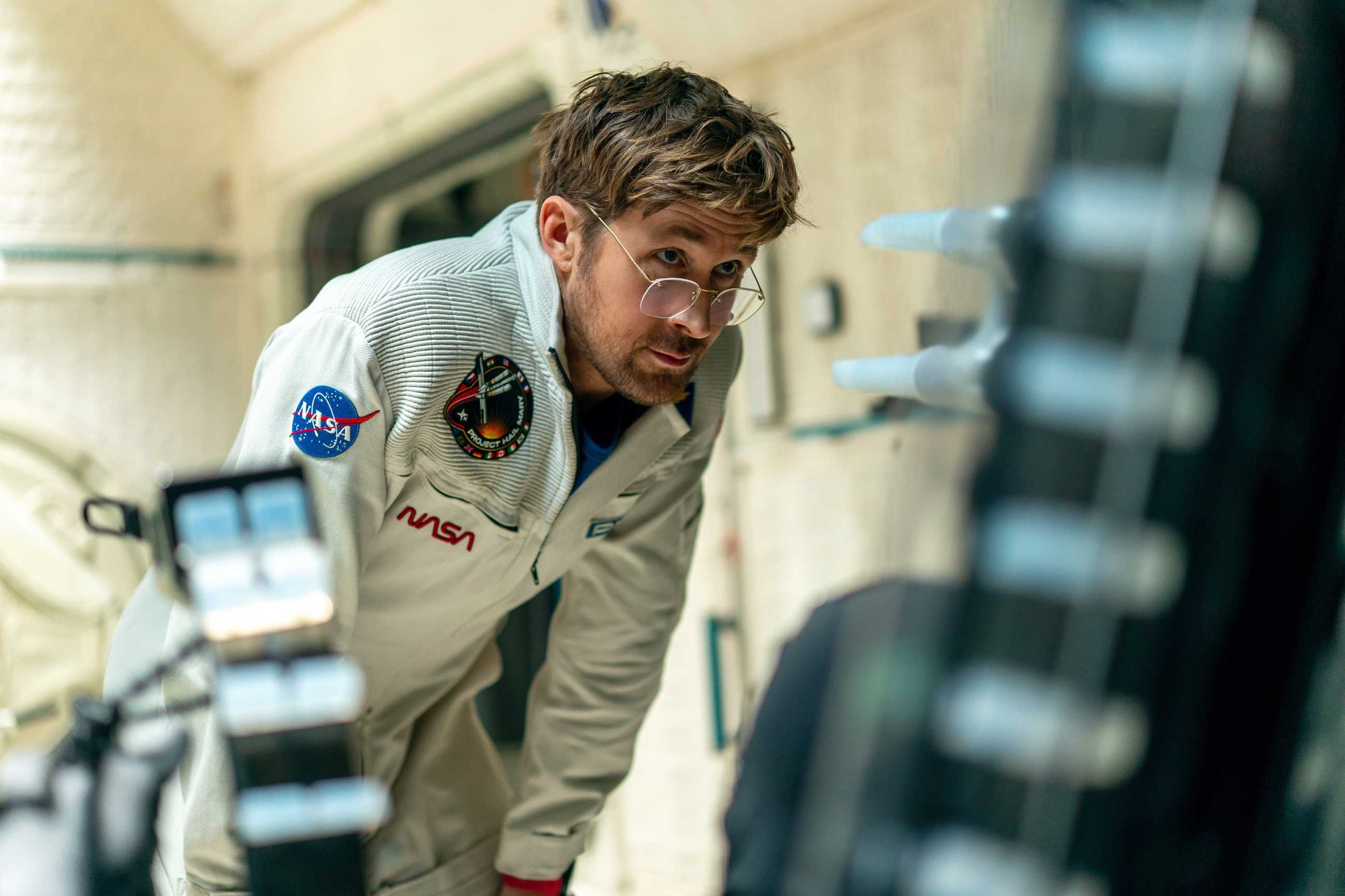
Lord and Miller’s version of the story streamlines the technical jargon, much like its predecessor, favoring an emotional core centered on Grace’s quirky, self-deprecating nature. He is an unlikely hero—someone who struggled with terrestrial social bonds but finds a profound connection with an alien counterpart named Rocky (voiced by James Ortiz). Their partnership becomes the heart of the film, proving that sometimes, you have to leave your own planet to find where you truly belong.
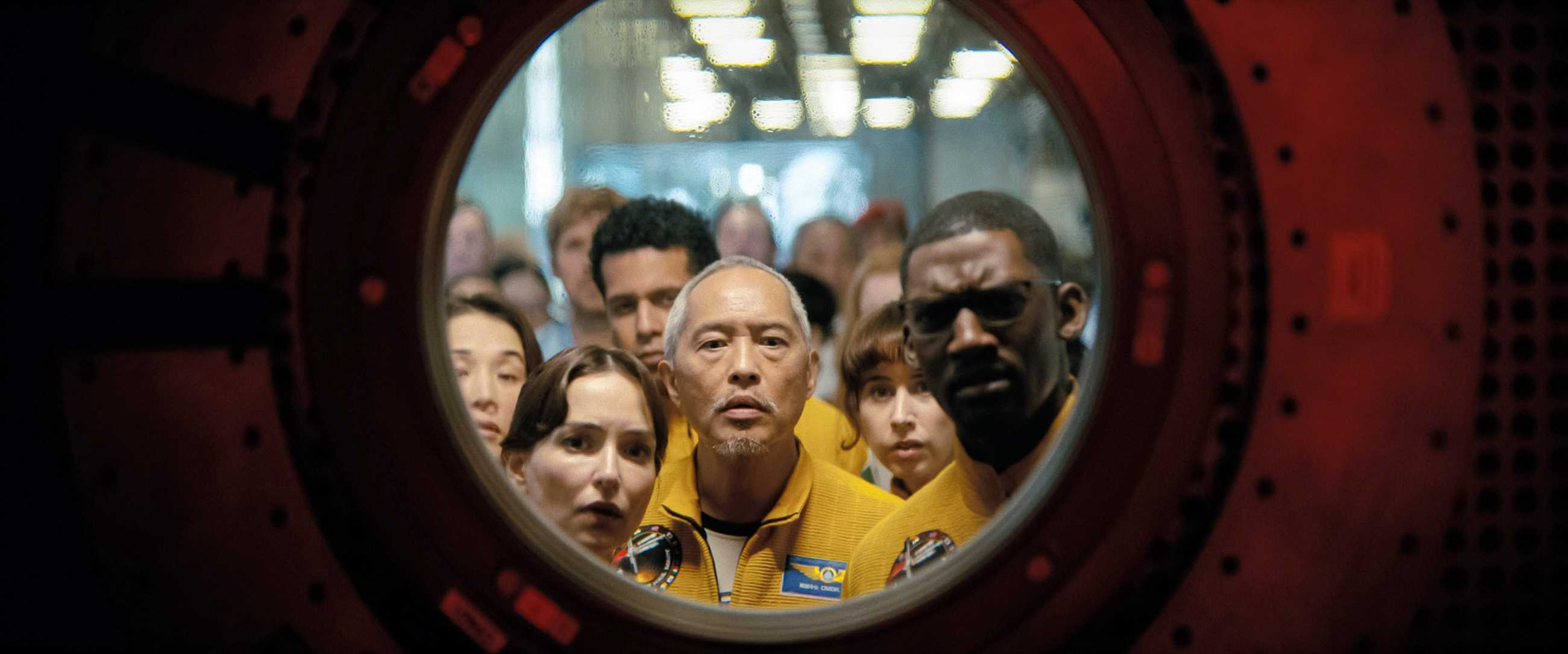
Ultimately, Project Hail Mary functions as a high-stakes “space bromance.” It captures the same visceral satisfaction as The Martian—the joy of witnessing competence and collective ingenuity in action—but expands the scope. The film balances its runtime with surprisingly relaxed, character-driven moments, such as a comedic montage of Grace rigging a makeshift lab or testing translation software to communicate with his new friend. These lighthearted sequences provide a necessary counterpoint to the looming cosmic danger.
This is Lord and Miller’s first directorial outing since 2014, and they have returned with a clear, unwavering vision. They resisted the urge to oversimplify Weir’s narrative or transform it into a generic blockbuster. Instead, they trust the audience to stay engaged across the 156-minute duration, relying on the strength of the characters and the unique chemistry between Grace and Rocky.
Rocky himself was perhaps the film’s biggest gamble—a non-humanoid puppet character who must be simultaneously alien, funny, and deeply soulful. He succeeds brilliantly, balancing high-level astrophysical collaboration with moments of pure, GIF-worthy charm. Anchoring a film’s emotional payoff on a musical, five-legged rock creature was a massive risk, but it pays off precisely because the filmmakers approached the material with genuine empathy and imagination.
It turns out that the fans’ anxieties were unnecessary. Project Hail Mary is a rare adaptation that is as heartwarming as it is eccentric, providing a satisfying, intelligent, and joyous cinematic experience.
Project Hail Mary arrives in cinemas on March 20.
Source: Polygon
Related articles
 Order of the Sinking Star Is Selling Better Than The Witness, Jonathan Blow Explains Earnings Caveat
 The Wolf Among Us Remastered to Launch Later on One of the Platforms
 Dan Houser Says His GTA: Vice City Writing Was “Awful,” Credits Ray Liotta With Making It Sound Good
 Call of Duty: Modern Warfare 4 Campaign Gets a Surprisingly Positive Early Response
 PlayStation 6 Memory Cost Reportedly Already Exceeds PS5 Console Price, Insider Claims
 Fake GTA VI Disc Editions Appear as Chinese Sellers Notice Demand for Full Physical Versions
 The Terminator Is Free to Watch on YouTube 42 Years After Its Release
 Steam Beta Update Speeds Up Startup Again, Fixes Vulkan Game Hangs on Linux and NCAA Football 27 Input Bug