
NBA The Run: Reviving the Arcade-Style Basketball Experience
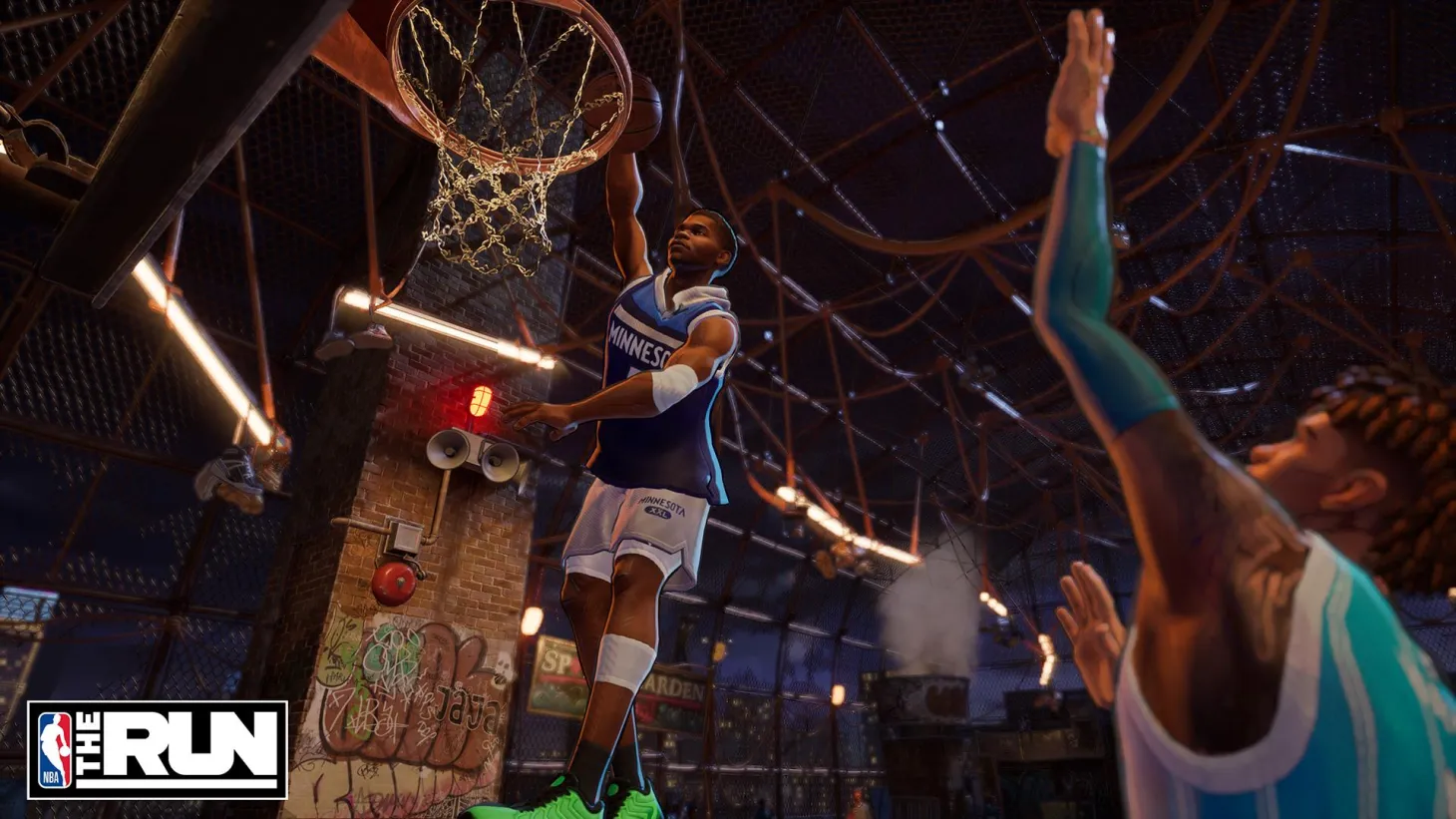
Arcade basketball once captured gamers’ imaginations with gravity-defying dunks and over-the-top physicality — think NBA Jam in the 1990s and EA Sports Big’s NBA Street and its celebrated sequel in the early 2000s. Over the last decade and a half, however, that distinctive, casual-styled subgenre dwindled, with EA holding the rights to both franchises but releasing no true successors since the late 2000s. For fans craving the fast, flamboyant streetball of old, a new team of industry veterans hopes to deliver exactly that with NBA The Run.
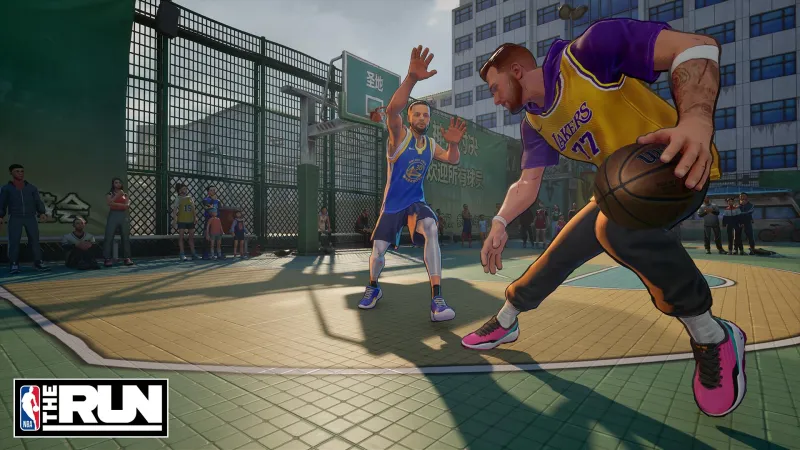
Play by Play Studios — founded by a group of former Electronic Arts developers — first revealed The Run under the name The Run: Got Next in 2024. Conceived as a 3v3 online streetball title featuring original characters and a clear nod to retro arcade mechanics, the project was driven by longtime fans of casual basketball games. Scott Probst, the studio’s founder and CEO, brought years of AAA experience to the effort, and the team soon realized their enthusiasm matched a much larger appetite among players.
“We were building the game quietly before it had a license, but the response convinced us it was something people still wanted,” Probst says.
That early excitement caught the attention of the NBA itself. A single LinkedIn message from an NBA representative quickly changed the studio’s scope — transforming a niche passion project into an officially licensed title with access to current stars and teams. For Play by Play, the opportunity to place their game on a bigger stage was an obvious and welcome step.
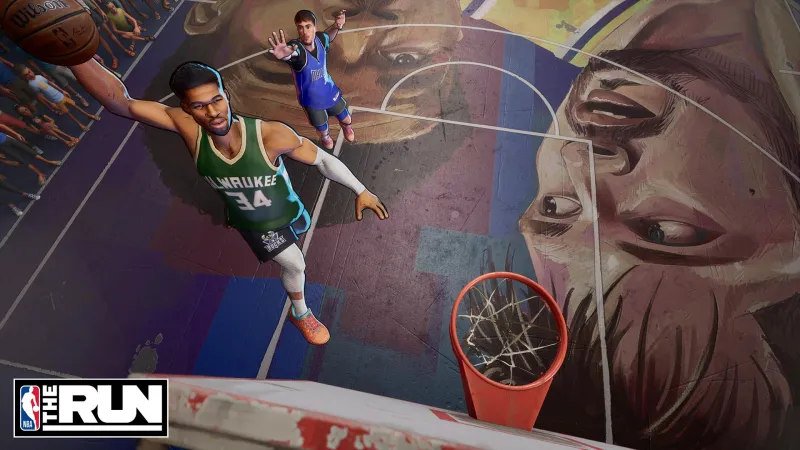
Following the licensing deal, the studio rebranded the game as NBA The Run while preserving its 3v3 online foundation. The original roster of fictional streetballers remains, but they now share the limelight with some of the NBA’s biggest contemporary names. Mike Young — who spent nearly two decades at EA working on franchises including Madden and contributing to the NBA Street series — serves as creative director and has steered the title toward a blend of old-school flair and modern multiplayer design.
Young emphasizes that while NBA The Run draws inspiration from classic arcade titles, it is not a direct recreation. The game channels the physicality and defensive intensity fans remember from arcade hoops, but pairs that with risk-reward tricks and stylistic plays intended to energize crowds and reward daring teamwork. Rather than merely performing static “cool” moves, NBA The Run aims to make showmanship part of meaningful gameplay — encouraging high-risk alley-oops, creative passing, and sequences that feel spectacular and consequential.
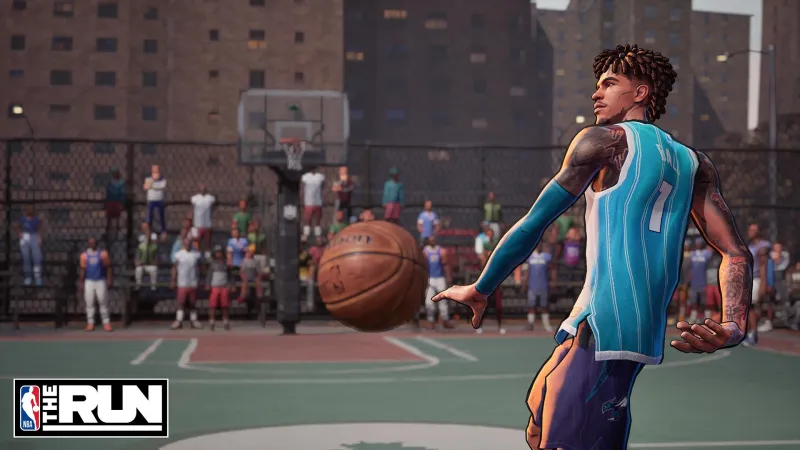
The design philosophy also reflects shifts in how people play today. Rather than relying on deep, simulation-style systems that can be daunting to newcomers, the team built NBA The Run around quick, social sessions that are easy to pick up and fun to play with friends. Drawing lessons from modern social-success stories, the goal is to create an approachable game where casual players can jump in, bond with friends, and enjoy short, electrifying matches without a steep learning curve.
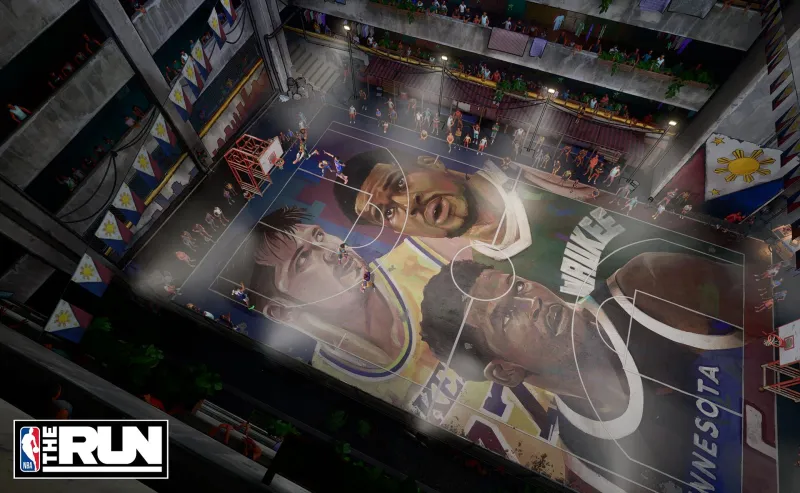
To heighten the throwback factor, New York DJ Bob “Bobbito” Garcia — the voice behind NBA Street Vol. 2 — has contributed to NBA The Run, helping to amplify the nostalgic atmosphere. The game, however, is firmly online-first. It forgoes a single-player career campaign in favor of persistent online play, leveraging rollback netcode and flexible matchmaking so you can squad up with friends or seamlessly join competitive matches. The result aims to recapture the camaraderie and chaos of classic arcade hoops, updated for today’s multiplayer expectations.
 Kingdom Come Creator Criticizes Game Studios Working with Sweet Baby Inc
 Steam Leak Reportedly Reveals Persona 6 Details
 51% of Game Studios Lose Money to Cheaters Amid Rising Costs
 Valve Explains the High Price of Steam Frame
 Dragon Quest Marks 40th Anniversary with Massive Milestone
 GhostWire: Tokyo Creator Invites Elon Musk to Play Her New Game
 Half-Life: Alyx Receives Major Update Ahead of Steam Frame Release
 Final Trailer Released for Laika Studio’s Wildwood