Last December, Larian Studios CEO Swen Vincke inadvertently stirred a hornet’s nest when he mentioned generative AI during a Bloomberg interview—and the backlash was immediate.
Vincke found himself at the center of a social media firestorm after revealing that his team utilizes generative AI as a springboard for conceptual research on the Divinity series. While he was careful to clarify that AI is never used to replace concept artists or produce final assets, serving instead as a tool for rapid experimentation, the revelation nonetheless ignited a fierce debate within the gaming community.
Offering a professional perspective on the matter is Adrian Chmielarz, co-founder and head of the Polish studio The Astronauts. Best known for the atmospheric The Vanishing of Ethan Carter and his prior contributions to high-octane titles like Bulletstorm and Painkiller, Chmielarz is currently overseeing the development of the rogue-lite shooter Witchfire.
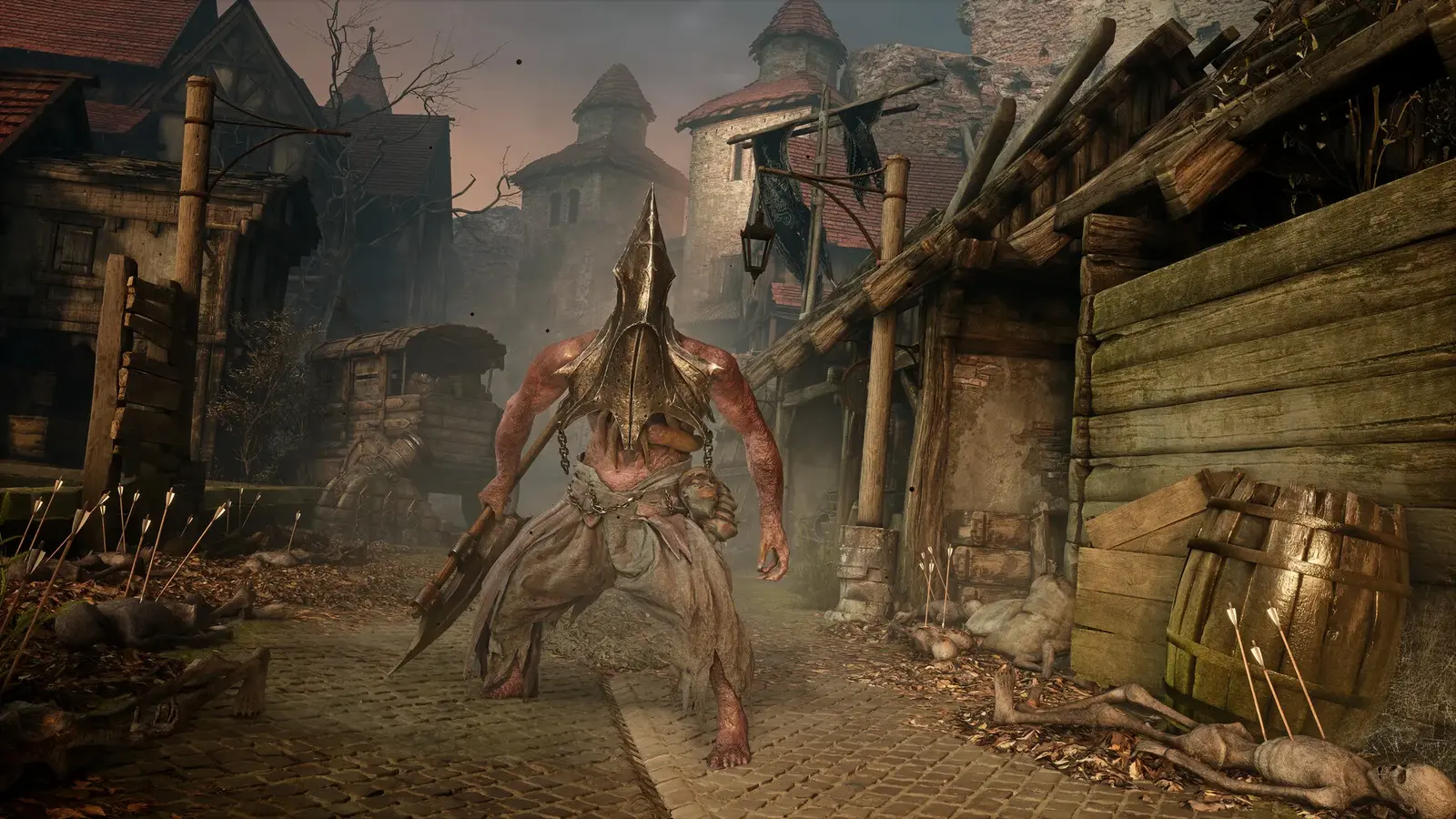
The Astronauts maintains a rigorous “No AI” mandate: every final asset, sound effect, and line of text in Witchfire is crafted exclusively by human hands. Despite this, Chmielarz views the Larian situation with nuance, suggesting that the studio was simply “a bit unfortunate” in how their comments were perceived.
Larian are certainly not the villains here. Judging by their statements on December 18th, they are deeply reflecting on the implications of this technology for the studio’s future. We shall see where they land.
While he doesn’t condemn using AI for initial brainstorming, Chmielarz recognizes why some fans are uneasy: the idea of a project growing from a “rotten seed”—AI-generated source material—can be inherently off-putting, even if the final product is manual labor. However, he maintains that if the finished work is entirely human-made and AI only served as a momentary spark of inspiration, the game should still be considered authentically AI-free.
Source: iXBT.games