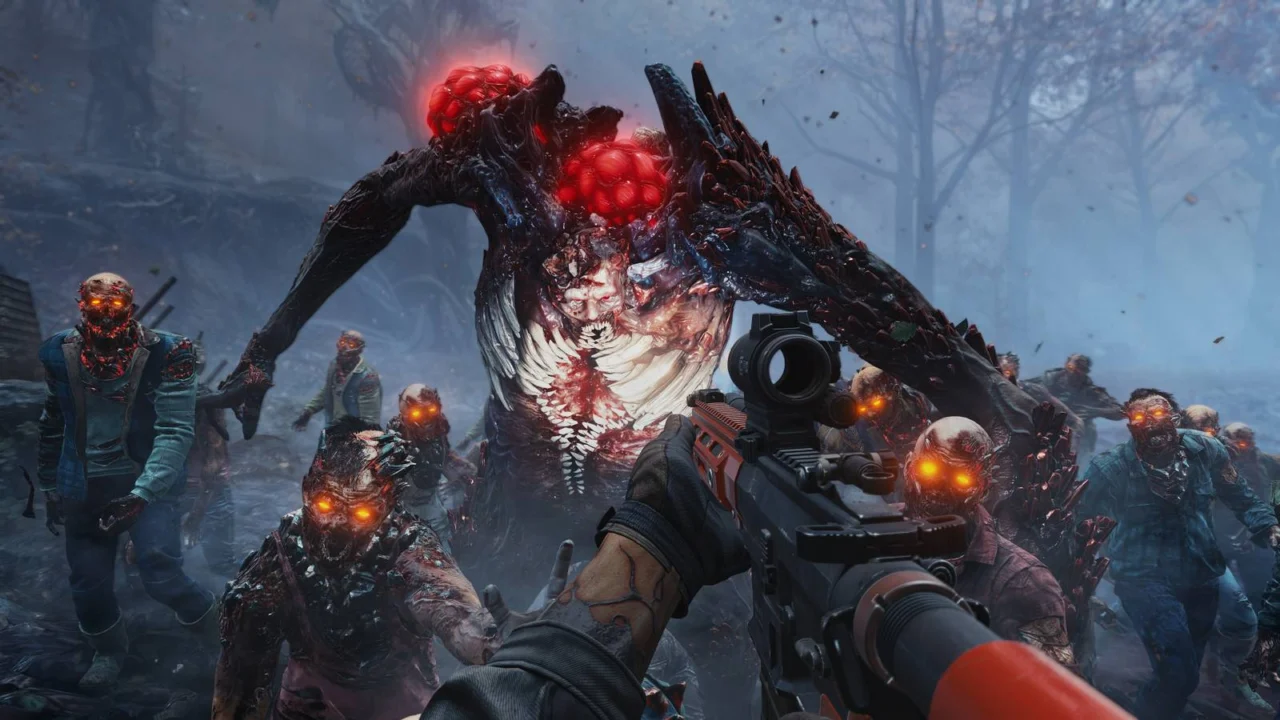
John Carpenter’s Toxic Commando Surpasses Expectations
Saber Interactive, the studio behind World War Z and MudRunner, has fused two seemingly incompatible gameplay loops into a singular, grimy experience: John Carpenter’s Toxic Commando. This latest entry in the cooperative shooter genre is a blood-soaked, mud-splattered riot that successfully bridges the gap between high-octane zombie slaughter and technical off-road driving. While it may lack the refined elegance of a Left 4 Dead, its chaotic charm and visceral feedback make it a surprisingly addictive romp, even when tackling the sludge-filled wastes solo.
To be clear, Toxic Commando is a social experience at its core. While the integrated AI teammates can hold their own during minor skirmishes, the game truly shines when you are joined by friends or a few adventurous strangers. The title is designed for a group that embraces the thrill of discovery, thrives on tactical experimentation, and possesses an insatiable hunger for thinning out massive, undead hordes.
The premise follows four specialized mercenaries deployed into a quarantined exclusion zone that has fallen under the influence of an ancient entity known as the Sludge God. Humanity’s reckless pursuit of subterranean power inadvertently awakened this deity, triggering a mutagenic infection that transforms the local population into everything from basic shamblers to towering, armored monstrosities. These commandos, who have also been tainted by the sludge, are now racing against time to neutralize the god before their own humanity fades away.
The protagonists of Toxic Commando aren’t exactly deep thinkers; their dialogue and actions suggest a much simpler philosophy: if it moves, shoot it, incinerate it, or flatten it with a multi-ton truck. Mission structures generally involve navigating treacherous terrain to reach specific waypoints, securing vital assets, or defending localized positions as hundreds of infected swarm from every corner of the environment.
 Image: Saber Interactive/Focus Entertainment
To facilitate this carnage, players have access to an arsenal of devastating firearms and class-specific supernatural abilities. The Strike class functions as the primary damage dealer, hurling explosive fireballs that clear out entire clusters of enemies. The Medic provides essential support, projecting a healing aura that restores allies while damaging any infected foolish enough to enter. The Defender deploys a massive energy shield to neutralize incoming projectiles, and the Operator utilizes a combat drone to provide suppressive fire. These roles are built for synergy, and the potential for creating “broken” team compositions adds a layer of depth to the gameplay.
Customization is a cornerstone of the experience, with each class featuring a sprawling skill tree. Saber Interactive has wisely prioritized player agency, allowing for the free reallocation of skill points. This flexibility encourages players to pivot between roles or fine-tune their builds without the fear of permanent mistakes. Whether you’re leaning into the Medic’s survivability or the Strike’s raw destructive power, the progression feels meaningful and rewarding.
The mission maps are semi-open playgrounds where the primary objective is often just the beginning. While the urge to speed toward the next marker is strong, the game rewards those who deviate from the path to hunt for “spare parts.” These resources are the lifeblood of your survival strategy.
 Image: Saber Interactive/Focus Entertainment
Consider an early mission where you must defend a fortified church. While your squad can rely on pure firepower, the smarter play is to scavenge the map for parts to repair the local defenses. Restoring automated turrets and traps creates a meat grinder for the incoming swarm, allowing you to conserve ammunition for the bigger threats. This layer of resource management transforms the game from a mindless shooter into a more tactical exercise in area denial.
Then there are the vehicles, which act as secondary characters. Drawing from their expertise with SnowRunner, Saber has implemented a robust driving system where the terrain itself is an adversary. You’ll find Humvees with winches to pull yourself out of deep mire, armored trucks that can plow through hundreds of zombies without losing momentum, and specialized vehicles that offer unique utility. A police cruiser’s siren can be used to bait a swarm into an ambush, while an ambulance acts as a mobile triage center for the squad.
Despite the legendary name attached to it, Toxic Commando doesn’t lean heavily into a complex narrative. John Carpenter’s primary contribution, aside from the initial concept, is the pulsing, synth-driven score composed alongside his son, Cody. The game’s aesthetic channels the nihilistic, gross-out horror of Carpenter’s “Apocalypse Trilogy,” while the banter and character archetypes feel more akin to the campy action of They Live. It is a “thinking-caps-off” kind of game—a gory playground that feels like a big-budget B-movie in the best possible way.
Ultimately, John Carpenter’s Toxic Commando is an earnest, messy, and exhilarating co-op experience that isn’t afraid to get its hands dirty. It punches well above its weight class, delivering pure, unadulterated fun for those who enjoy a bit of strategy with their slaughter.
John Carpenter’s Toxic Commando is scheduled for release on March 12 across PlayStation 5, PC, and Xbox Series X.
Source: Polygon
Related articles
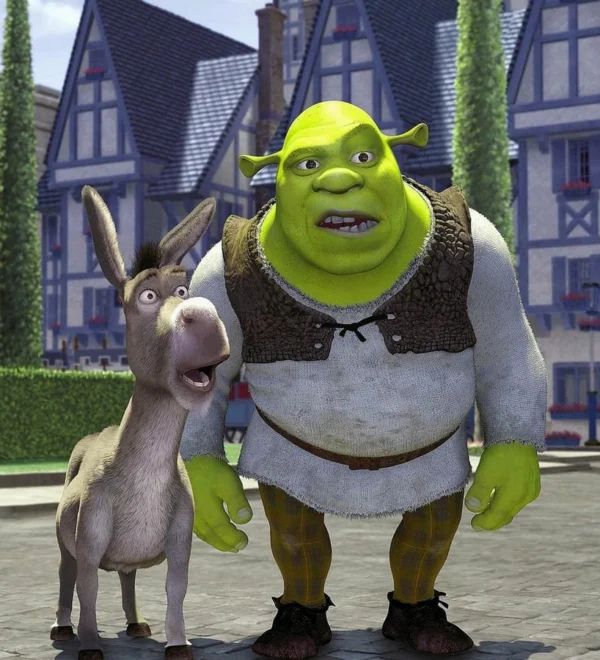 Shrek 2 Remastered Listed in Microsoft Store With Details on Improvements and Co-Op
 Model Shows Off Lady Dimitrescu Cosplay From Resident Evil Village
 Ken Kutaragi, Known as Father of PlayStation, Says Supporting Discs Indefinitely Isn’t Economically Viable
 Eight Best Vampire Books Not Written by Anne Rice, Ranked by Polygon
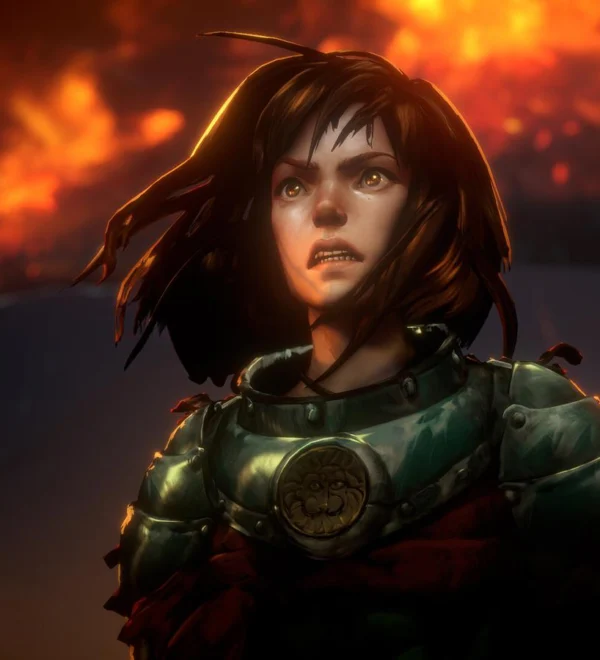 No Rest for the Wicked Delayed to March 2027, Developers Promise Twice as Much Content
 Warhammer 40,000 Creators Show Holiday Miniature of Red Gobbo on a Squigmobile
 Steven Soderbergh Steps In to Finish Principal Photography on “The Batman Part II” as Matt Reeves Steps Away
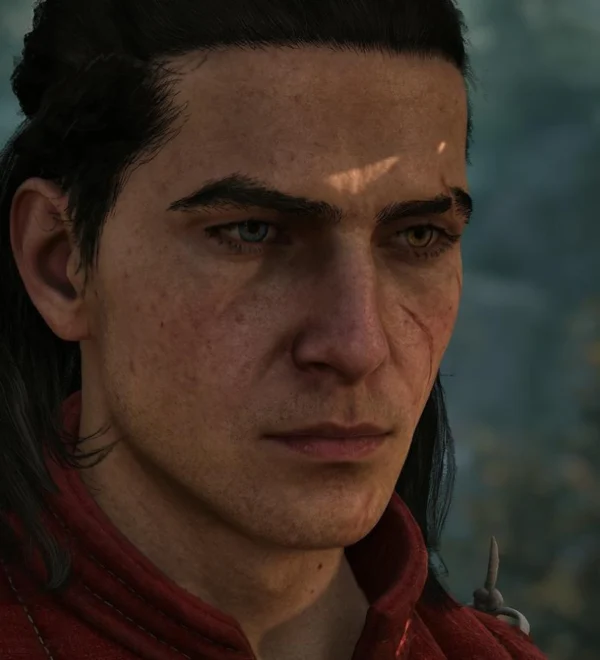 The Blood of Dawnwalker Patch 1.1 to Remove Regional Censorship and Add New Features