Warships of the Pacific: Development Diary
Greetings, Fellow Admirals!
I am Slurpen_Paradox, and I’m thrilled to welcome you aboard for an extensive preview of the Warships of the Pacific expansion! My colleague Jamor and I are eager to provide an intimate look at the vessels included in this DLC, alongside the fascinating historical narratives that define them. Prepare to weigh anchor as we navigate the rich content and maritime heritage packed into this update.
As the title implies, this expansion centers on the diverse naval forces that clashed across the Pacific theater. Players will gain access to a wide array of new ships for Japan, the United States, and the Commonwealth—including representation for the Royal Navy and the RAN. This developer diary highlights a curated selection of these additions. Furthermore, mirroring the regional focus of our latest expansion, we have integrated new vessels for Nationalist China, Communist China, and the Soviet Union.
I’ll now hand over to Jamor, who will showcase the exquisite unit art and provide historical context for these legendary vessels.
The Rising Sun Over the Pacific
Following the Meiji Restoration in 1868, Japan recognized that its status as an island nation necessitated a formidable navy for both defense and power projection. Despite being a late entry into the global naval arms race, aggressive innovation and investment propelled them to major power status, culminating in their victory over Russia at Tsushima in 1905. Today, Japan stands ready to contest supremacy on the high seas.
IJN Sentoku (I-400 Class)
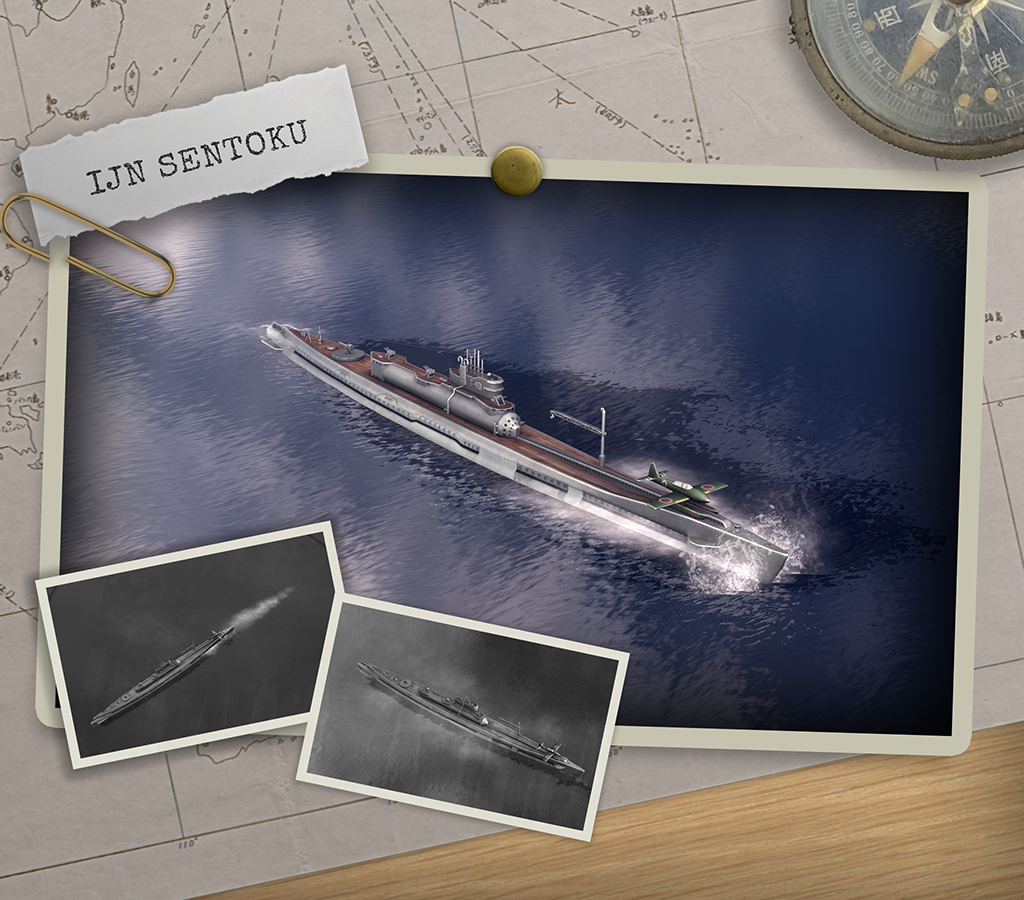
The I-400 class remains the largest submarines ever deployed during the Second World War. Commissioned in 1944, these “submersible carriers” could launch three Aichi M6A seaplanes. Boasting global range, they were designed to strike at the heart of the U.S. Navy and even the American mainland. While plans existed to sabotage the Panama Canal or deploy biological weapons, the war concluded before these specialized boats could execute their missions. All three completed vessels were eventually captured and utilized as target ships by the U.S. Navy.
IJN Shinano
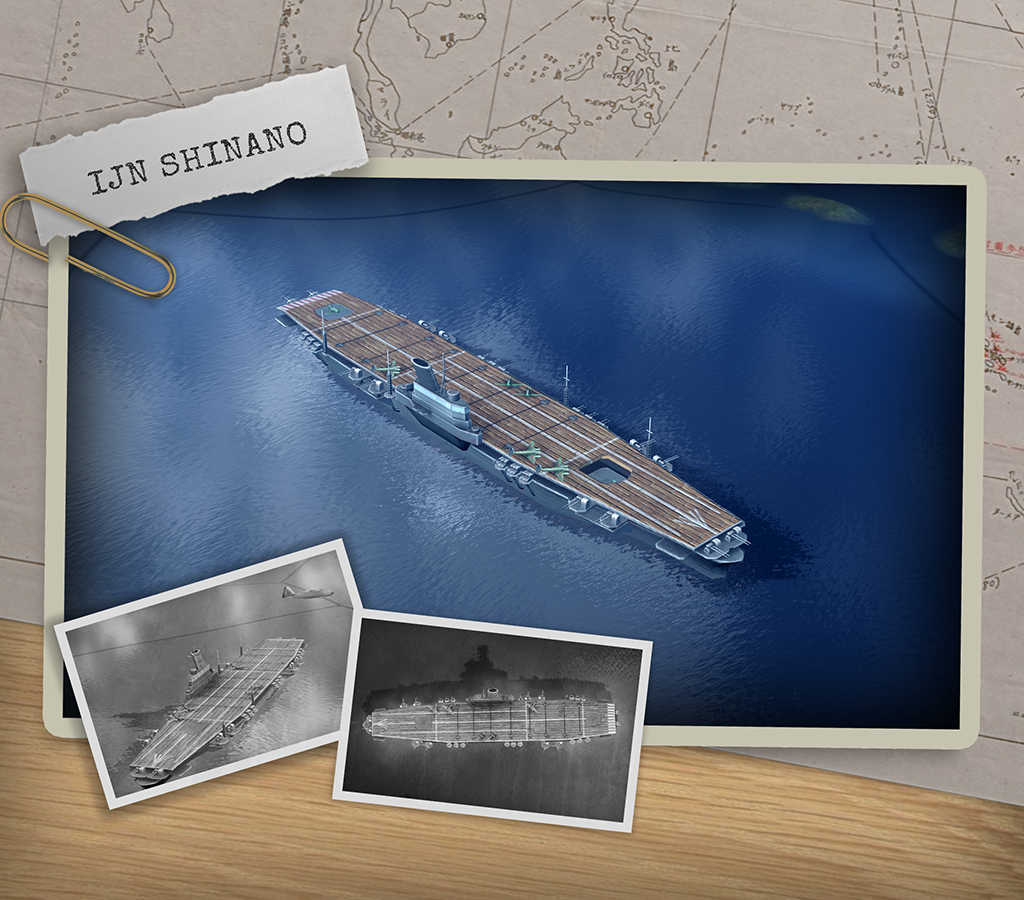
The Shinano’s service was as brief as it was tragic. Originally laid down in 1940 as a Yamato-class super-battleship, she was repurposed into an aircraft carrier following the devastating losses at Midway. Although she inherited massive armor and a 65,000-ton displacement, the improvised conversion resulted in a disproportionately small air wing. Rushed into service with an inexperienced crew, she was intercepted and sunk by a U.S. submarine during her initial fitting-out cruise in November 1944. One can only speculate on the impact this behemoth might have had in a proper fleet engagement.
IJN Ise
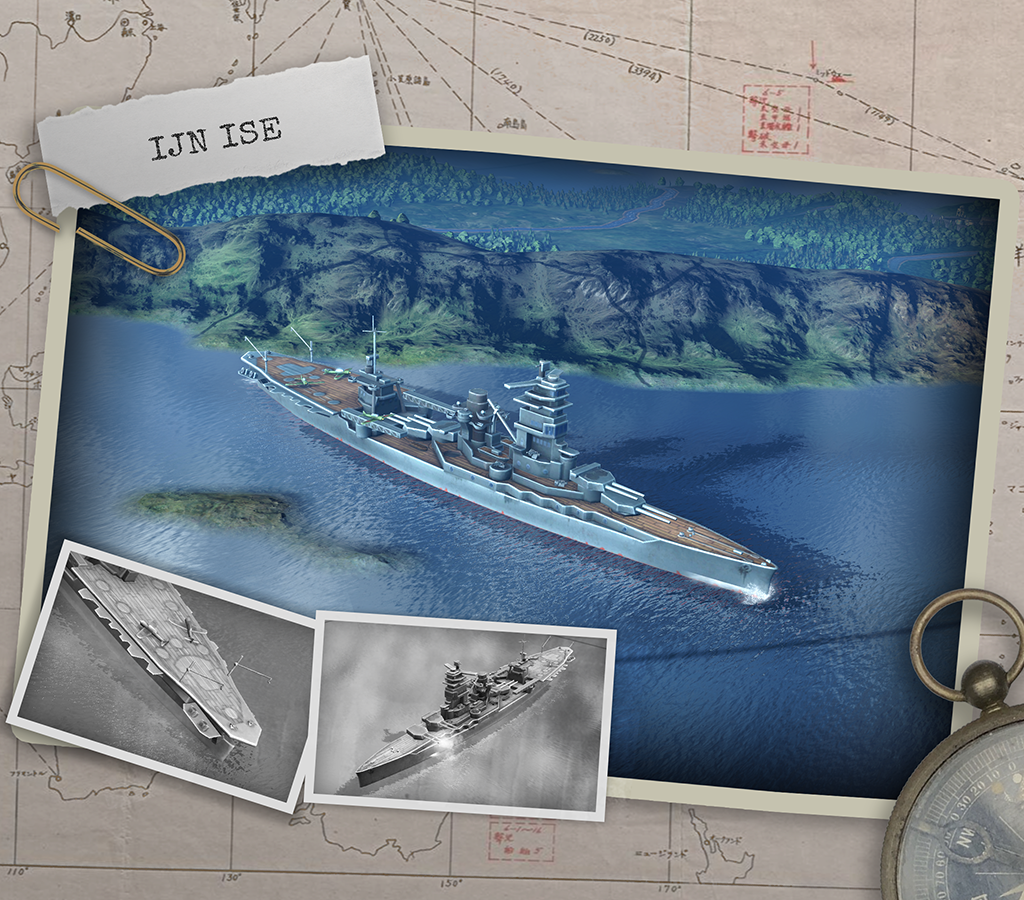
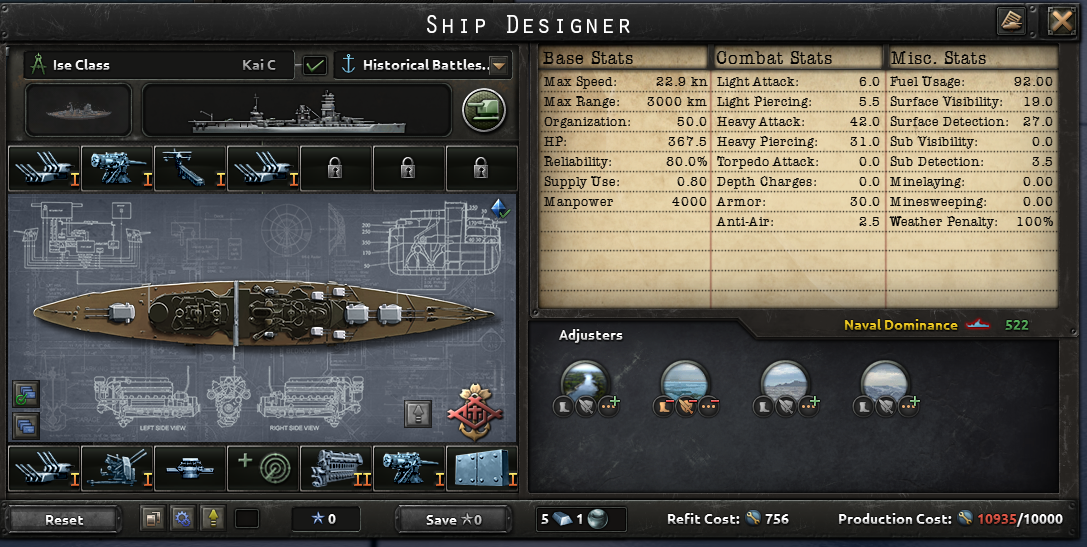
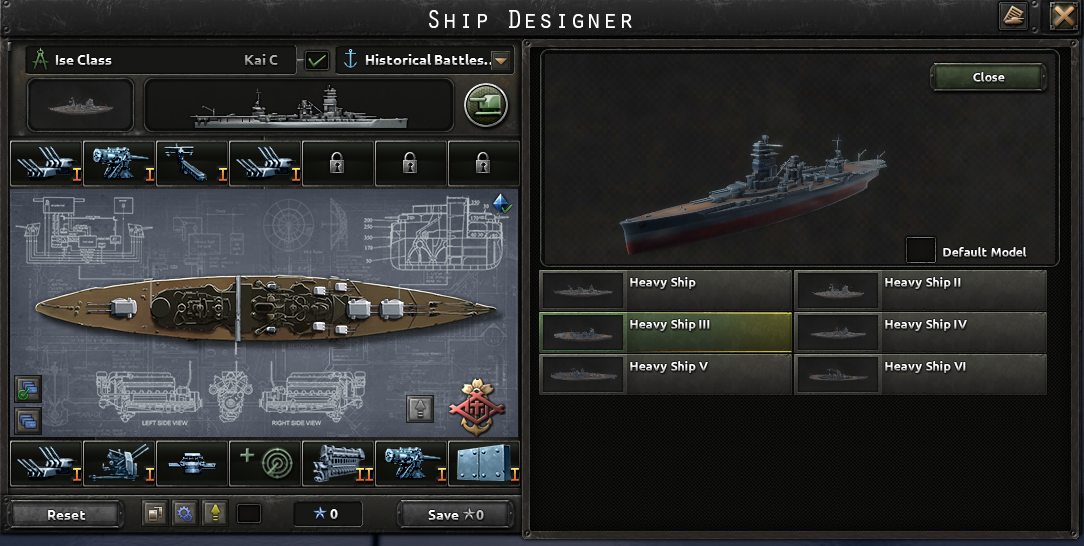
The Ise represents one of the most eccentric designs in a navy already known for visual flair. Featuring a staggering twelve 14-inch guns and a towering pagoda mast, she is an unforgettable sight. Our model showcases her 1944 configuration as a hybrid battleship-carrier—a desperate conversion that removed her aft turrets to accommodate a flight deck. While her utility as a half-measure carrier was limited, she remains a testament to the ingenuity born of necessity. Though she was ultimately destroyed by air raids while anchored, she remains a favorite among naval enthusiasts.
IJN Yukikaze
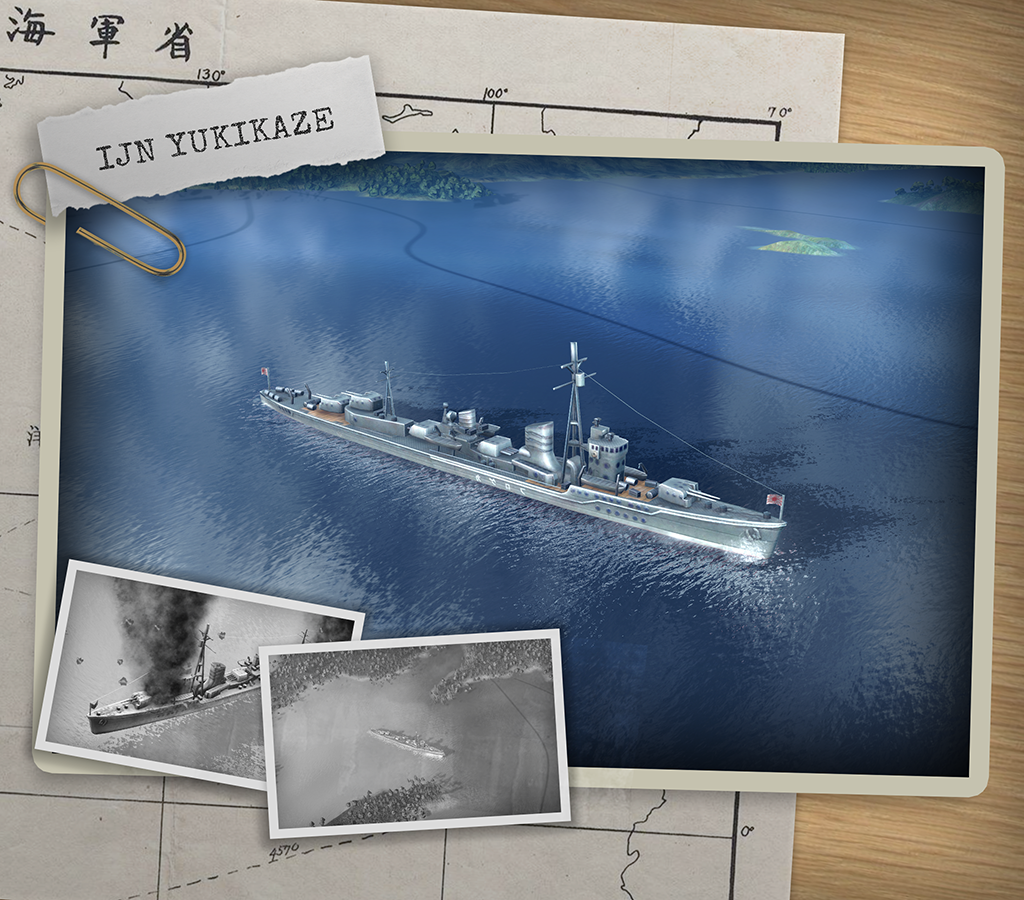
The Kagero-class destroyer Yukikaze was arguably the luckiest vessel in the Imperial Japanese Navy. The sole survivor of her class, she emerged from the war virtually unscathed despite participating in nearly every major engagement, from Midway to Leyte Gulf. She survived depth charge duels, suicidal escort missions—including the final voyage of the Yamato—and relentless aerial bombardment without ever suffering a major hit. Following the war, she was transferred to the Republic of China as the Dan Yang, serving until 1970.
The Resurgent Fleet
With unparalleled industrial capacity and a storied nautical heritage, the United States Navy possessed immense latent power. However, it faced the dual challenges of the Great Depression’s austerity and the strategic necessity of a two-ocean war. As global tensions reached a breaking point, the question remained: could the U.S. Navy mobilize fast enough to stem the tide?
USS Nevada
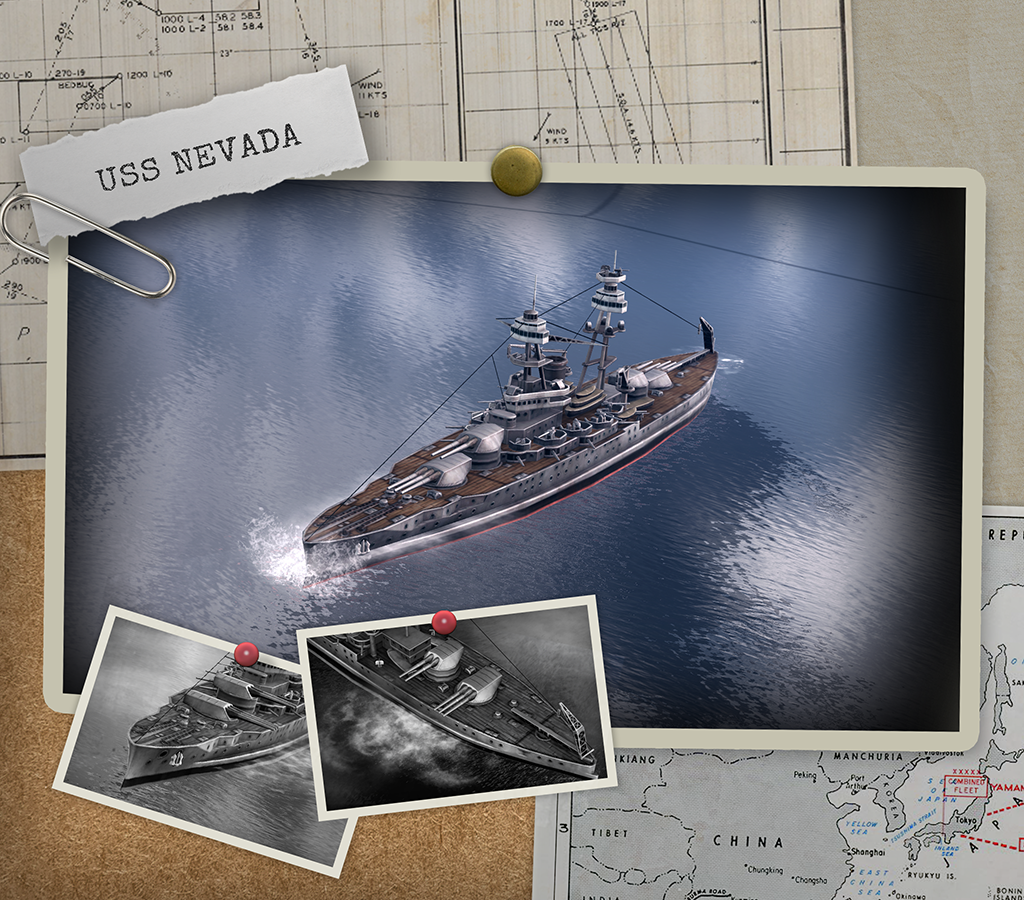
The USS Nevada (BB-36) pioneered the “Standard Type” battleship design, featuring the revolutionary “All or Nothing” armor scheme. Despite being the only battleship to get underway during the attack on Pearl Harbor, she was heavily damaged and intentionally grounded to prevent the harbor entrance from being blocked. In a stunning display of salvage expertise, she was raised, modernized, and returned to the front lines. She survived both world wars and even nuclear testing at Bikini Atoll, eventually requiring an aerial torpedo to finally sink her during gunnery practice in 1948.
USS Essex
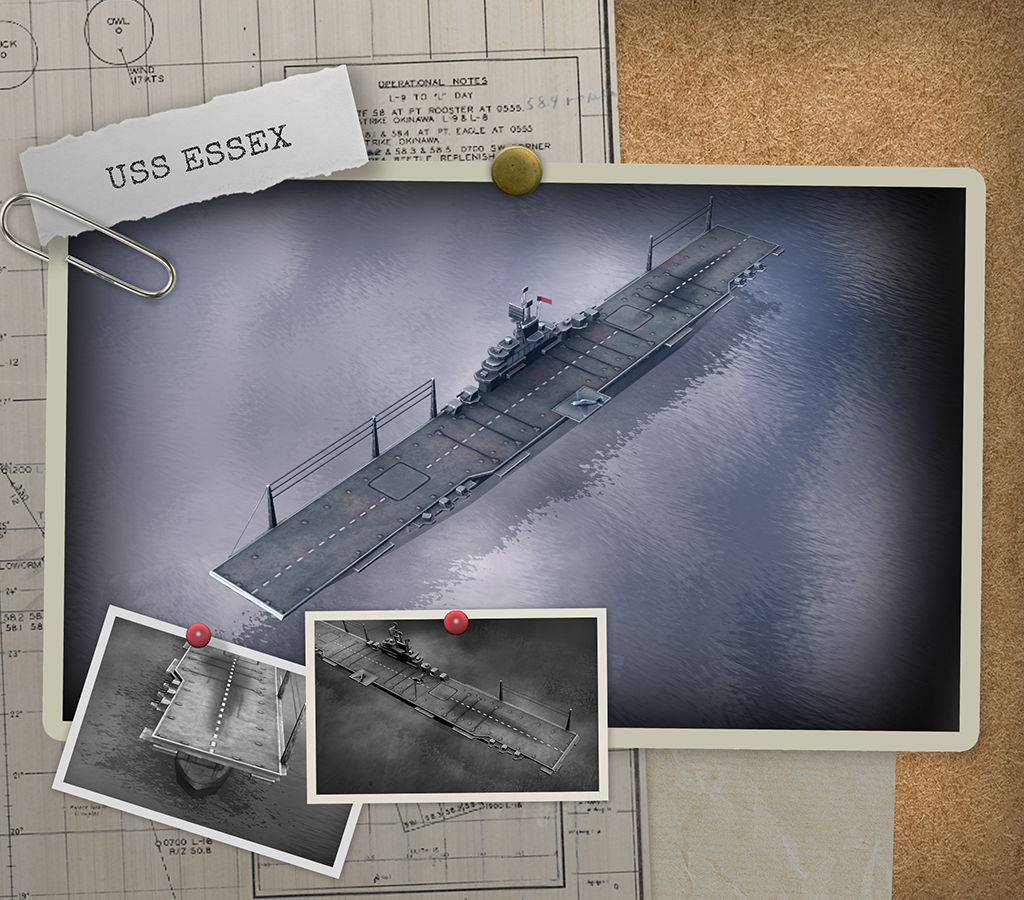
Commissioned shortly after the attack on Pearl Harbor, the USS Essex (CV-9) became the prototype for the class of carriers that would dominate the Pacific. Free from treaty restrictions, the Essex was larger, faster, and more robust than its predecessors. Despite surviving a kamikaze strike in 1944, she remained a mainstay of the fleet well into the Cold War, serving until 1969. The 24 ships of this class truly represented the industrial might of the United States.
USS Langley
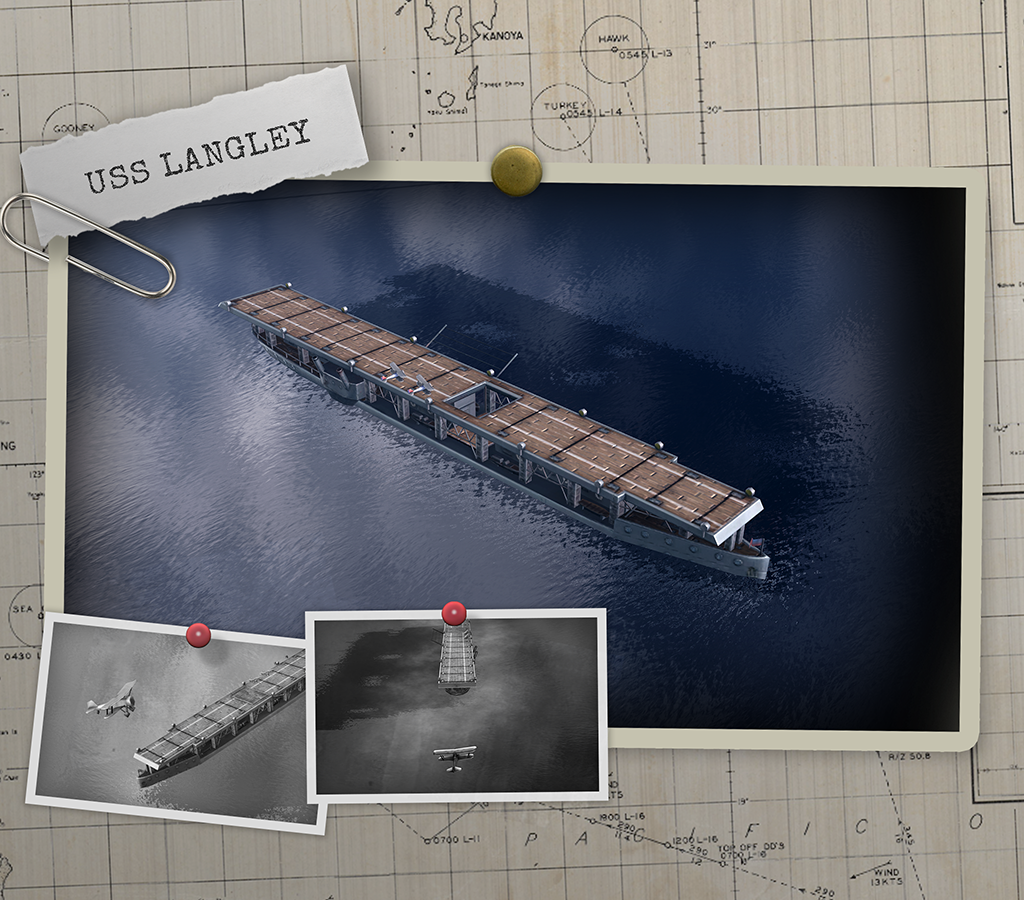
The USS Langley (CV-1) was the cradle of American naval aviation. Converted from a coal collier, she served as a floating laboratory where the tactics of carrier warfare were first forged. Though she was converted to a seaplane tender by the start of WWII, she met her end in 1942 while ferrying aircraft to Java, succumbing to Japanese land-based bombers. Her legacy, however, lived on in the formidable carrier groups that followed.
The Global Maritime Legacy
The British Commonwealth nations share a nautical tradition that spans centuries. Having built an empire on the strength of the “Wooden Walls,” the Royal Navy faced its most grueling test during the 20th century, defending global trade routes against a multifaceted threat.
HMAS Australia
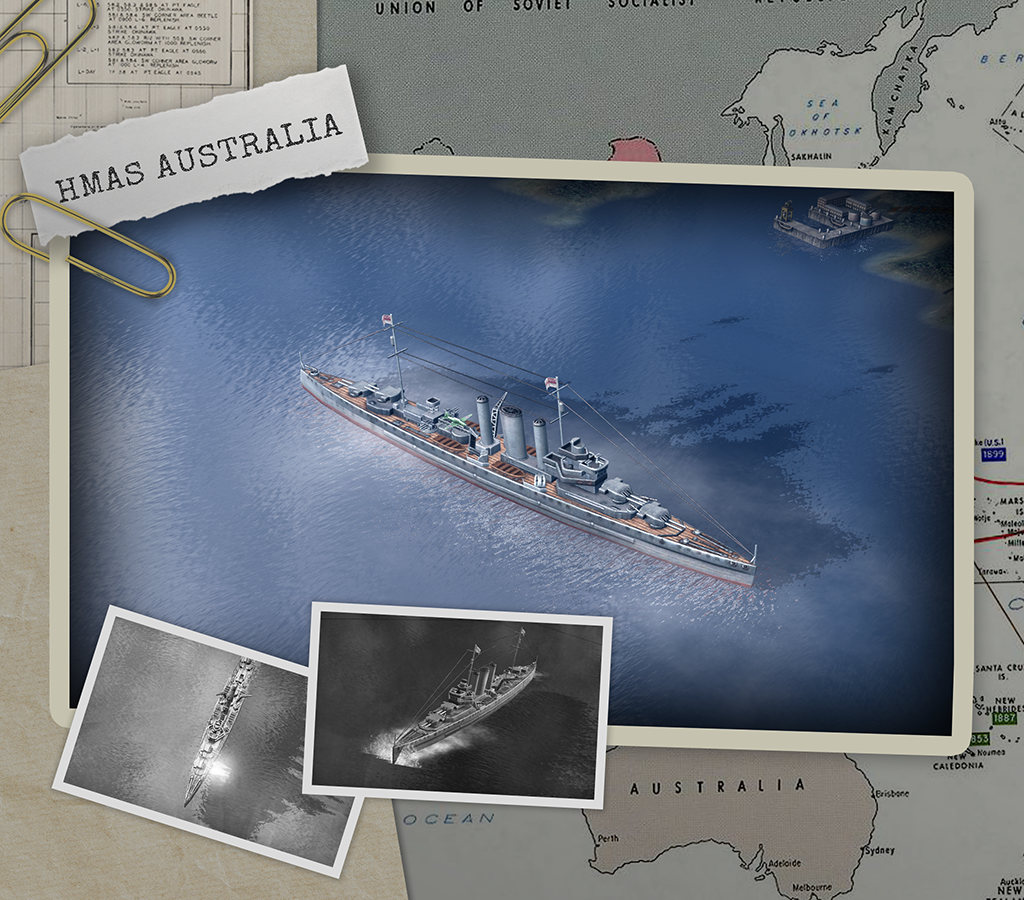
The County-class heavy cruiser HMAS Australia symbolizes the maturation of the Royal Australian Navy. Serving in both the Atlantic and the Pacific, she became a symbol of resilience. During the battles for the Philippines, she survived no fewer than six kamikaze strikes. Though battered, she returned to action each time, serving until her decommissioning in 1954.
HMAS Vampire
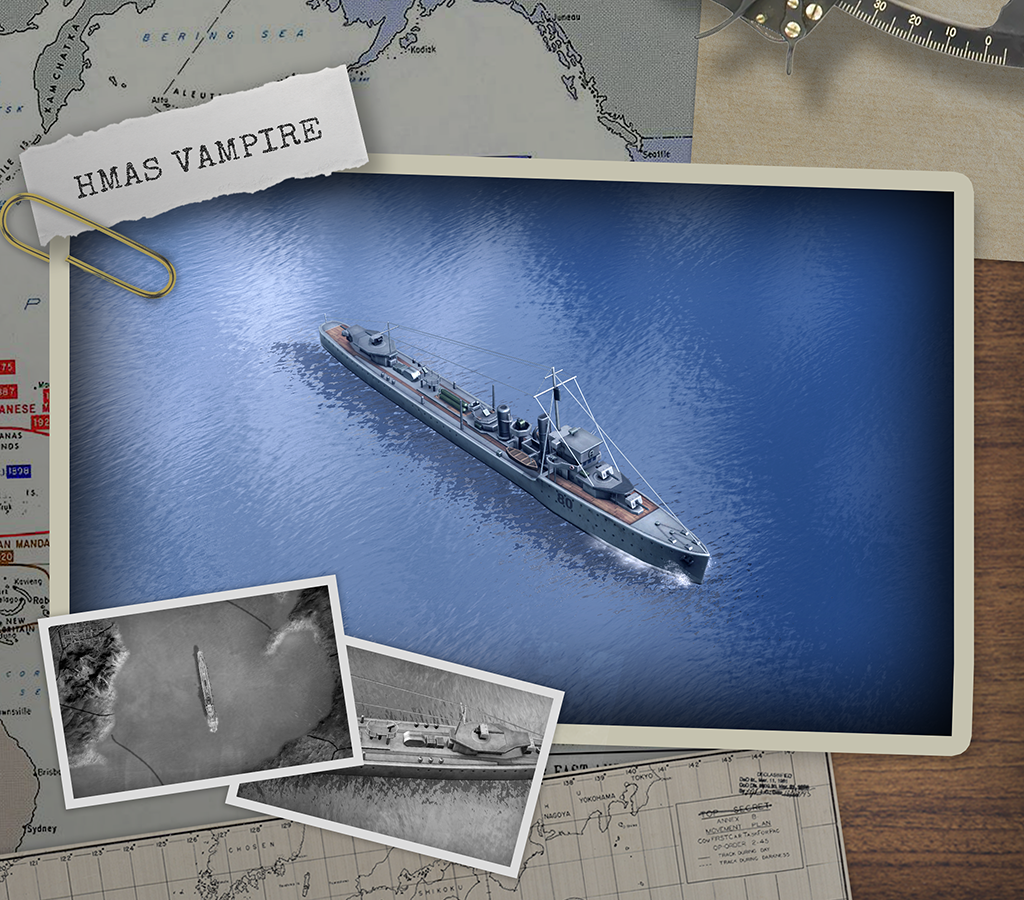
A veteran V-class destroyer, the Vampire was a stalwart escort in both the Mediterranean and the Far East. She was present at the tragic sinking of the Prince of Wales and Repulse, where she worked tirelessly to rescue survivors. Her own journey ended in April 1942, when she was overwhelmed by Japanese carrier aircraft off the coast of Ceylon, sinking with her colors flying high.
HMS Warspite
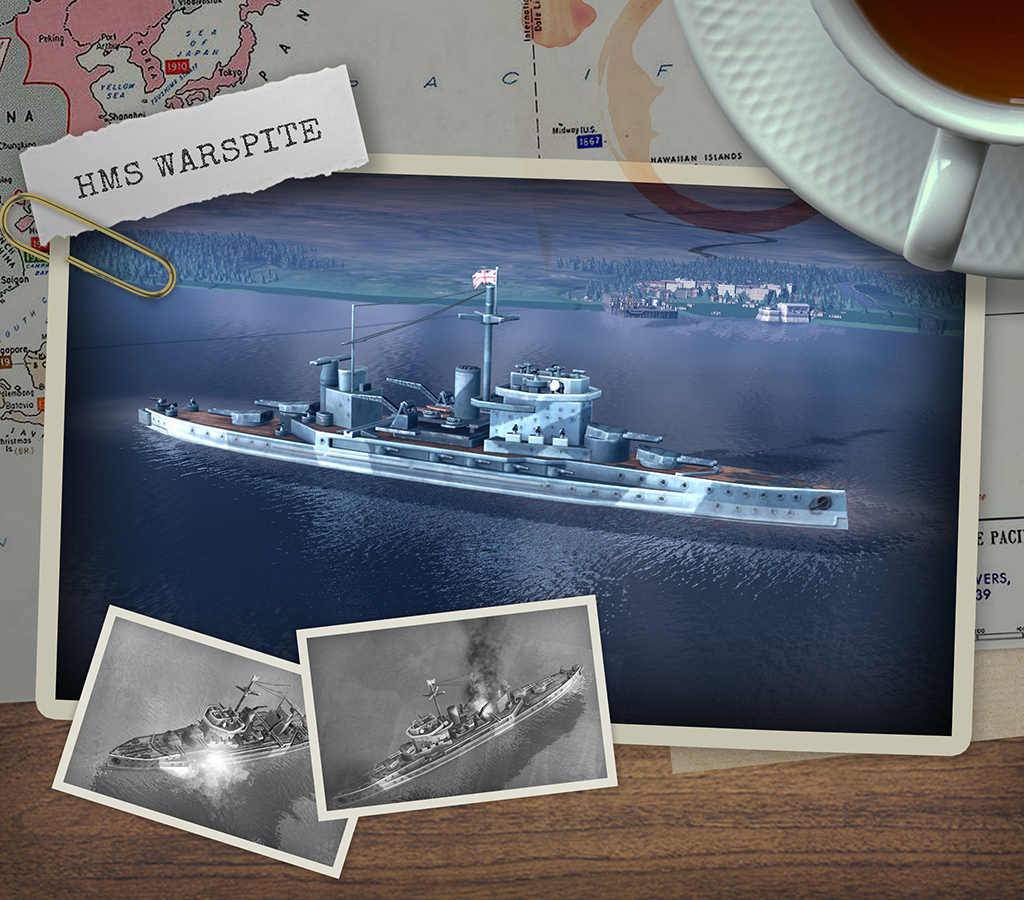
Affectionately known as the “Grand Old Lady,” the HMS Warspite was a legend of two world wars. From the smoke of Jutland to the shores of Normandy, her 15-inch guns were a constant terror to her enemies. She famously achieved one of the longest-range hits in naval history against the Italian fleet and provided pivotal fire support during D-Day, despite being crippled by a guided bomb earlier in the war. Only the scrap yard could finally halt her storied career.
Defying the Current
While the USSR and China are traditionally regarded as continental powers, they understood that maritime security was vital. These nations utilized specialized vessels to challenge superior naval forces in their home waters.
USSR M49
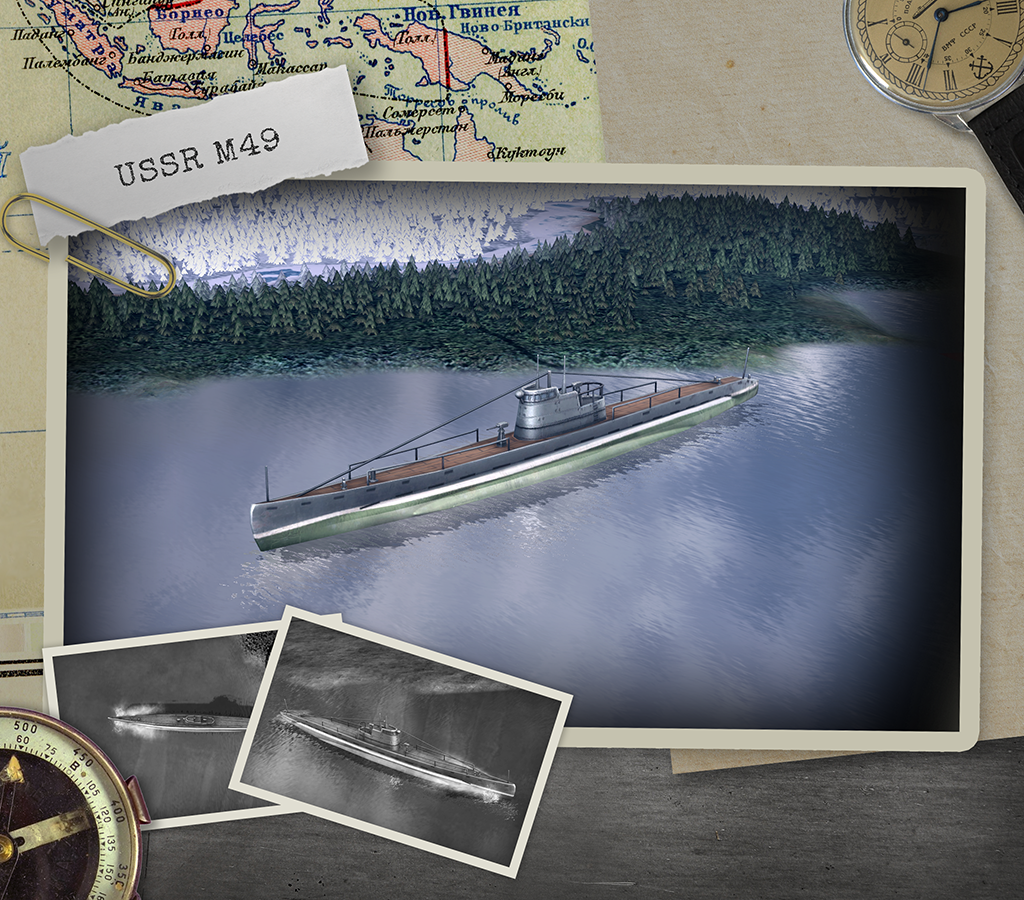
The M-class were compact coastal submarines designed for modular construction and transport via rail. While they lacked range, their small profile made them effective in the confined waters of the Black Sea and the Baltic.
USSR Shchuka
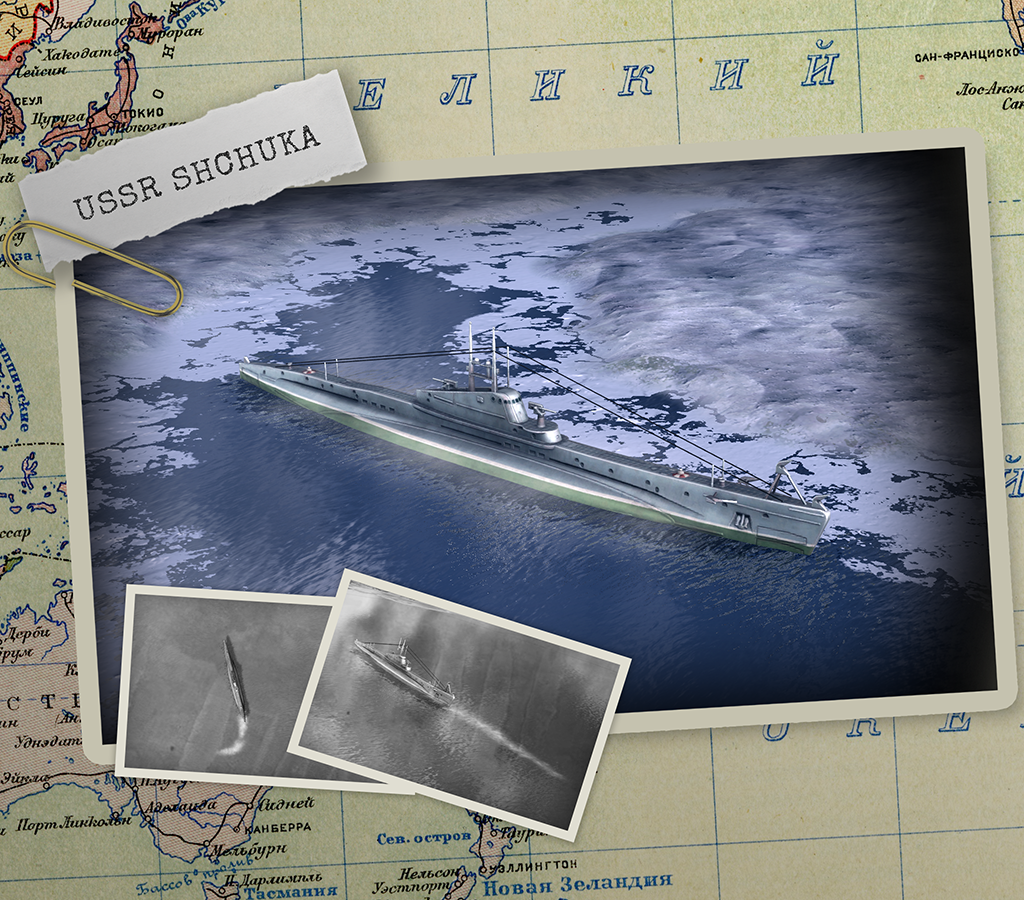
The Shchuka-class was the workhorse of the Soviet submarine fleet. Despite heavy losses, these vessels were instrumental in harassing enemy shipping. Post-war, several were transferred to the newly formed People’s Liberation Army Navy, serving as its first underwater strike force.
ROCN Ning Hai
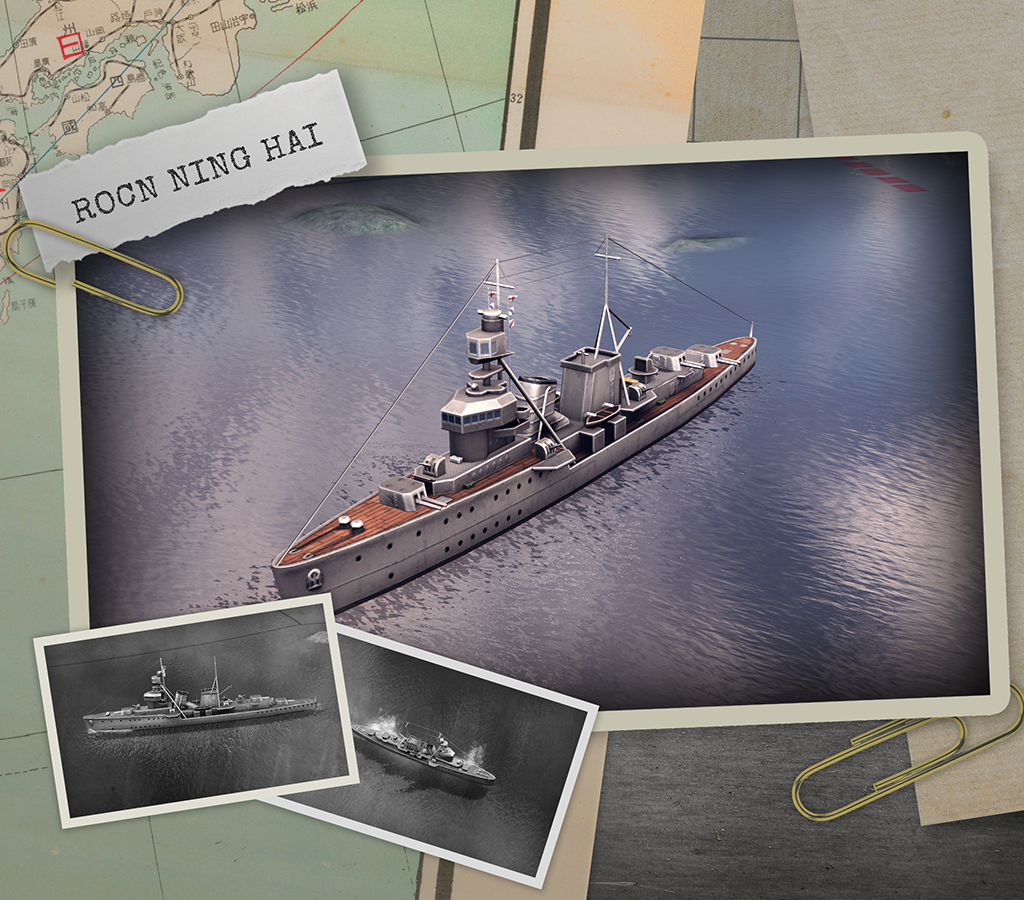
The flagship of the Republic of China Navy, the Ning Hai was a modern light cruiser purchased from Japan. Though she was sunk early in the conflict by Japanese aircraft, she was later salvaged by her builders and repurposed as an escort ship before being permanently retired by a U.S. submarine.
PLAN Anshan
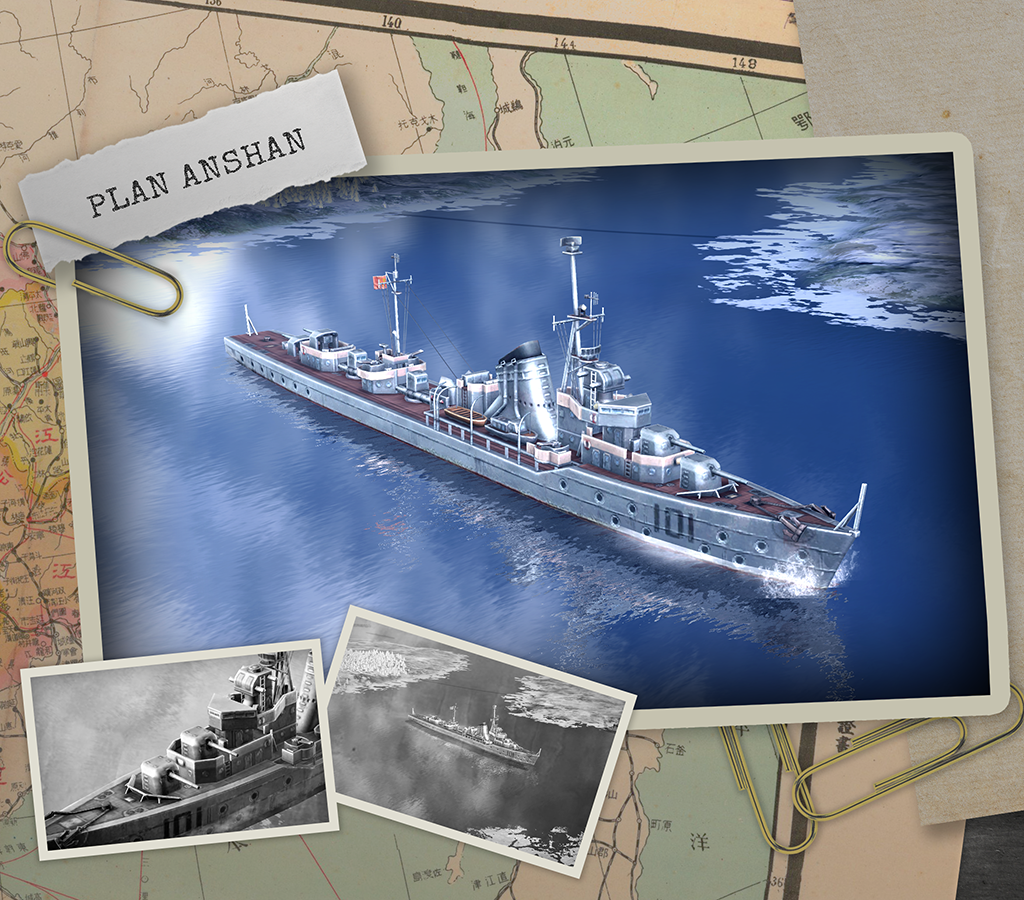
Formerly Soviet Gnevny-class destroyers, the Anshan-class represented the birth of the People’s Liberation Army Navy’s blue-water capability. These rugged ships served for decades, with some eventually being modernized with missile systems and preserved as museums today.
Dynamic Carriers and Visual Fidelity
In Hearts of Iron IV, aircraft carriers have always been impressive in scale, but we wanted to enhance their visual activity. All new carriers now feature unique animations: you can watch planes taxi and take off, elevators ferry aircraft between decks, and pilots execute dramatic landings caught by arresting wires.


Beyond the carriers, we’ve added immersive touches across the fleet. Ship flags now flutter realistically in the breeze, and sinking vessels will deploy flares in a final, desperate plea for assistance before disappearing beneath the waves.

Navigating the Ship Designer
Since the “Man the Guns” features have been integrated into the base game, all players can utilize the ship designer to access these new models. Here is how you can find them:
- Each model is linked to a specific nation, with several available for Commonwealth members.
- The IJN Sentoku is a unique project, appearing specifically as a submarine carrier for Japan.
- Models for heavy cruisers or battlecruisers appear dynamically based on the modules you equip, such as heavy battery cannons or reinforced armor tiers.

Standard light cruiser options before adding heavy armaments.
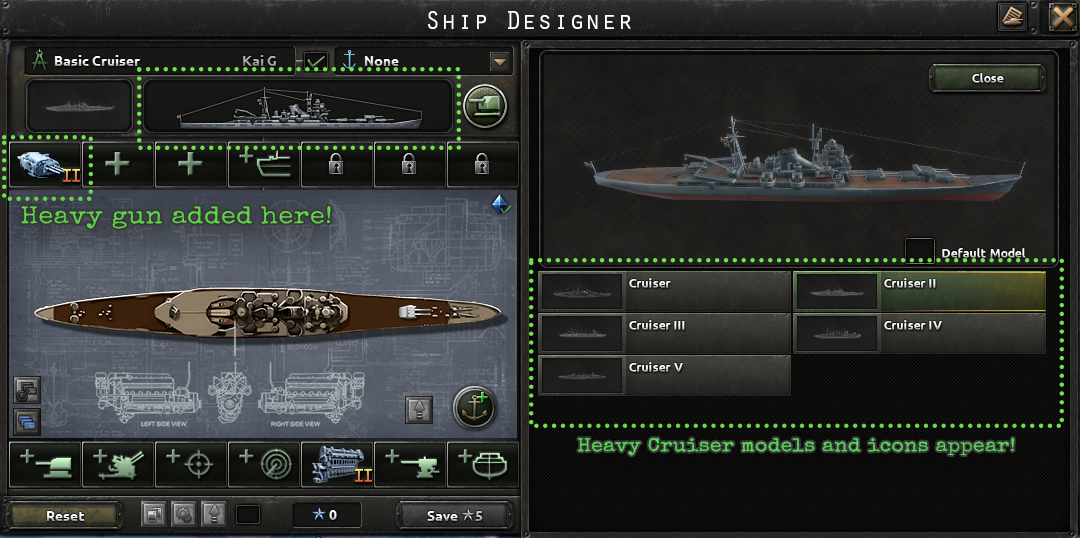
Heavy cruiser models become selectable once the heavy battery module is installed.
We’ve also streamlined the interface. The model selector now features a preview window and organized categories to eliminate clutter, making it easier to find the specific aesthetic for your fleet.
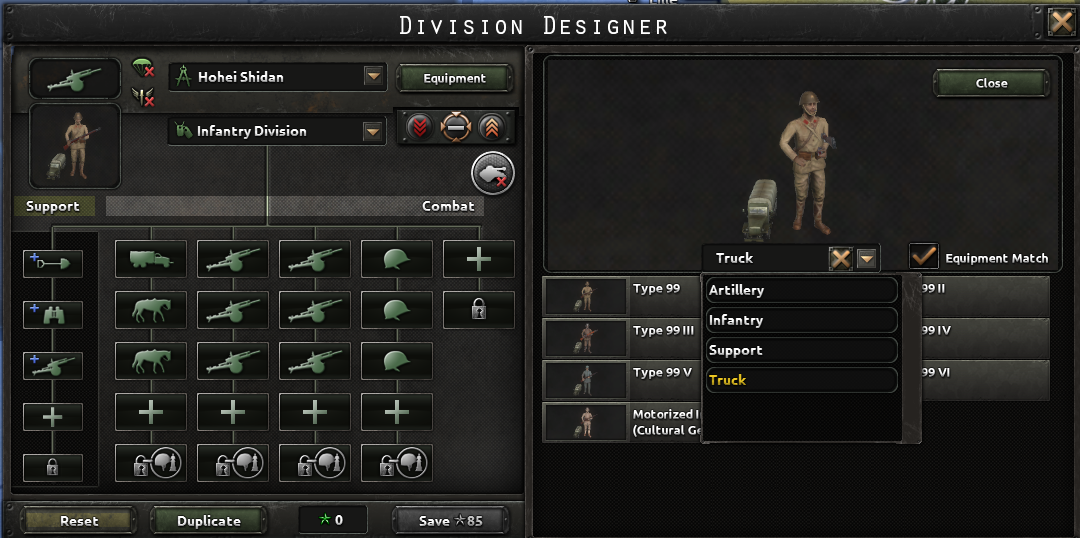
The new dropdown menu allows you to filter by equipment type efficiently.
Historical Fidelity
For enthusiasts of realism, we have assigned these new 3D models and 2D icons to their historical counterparts in the 1936 and 1939 scenarios. For vessels that entered the fray later, you can select their specific visuals manually within the designer.
Fleet Content Overview
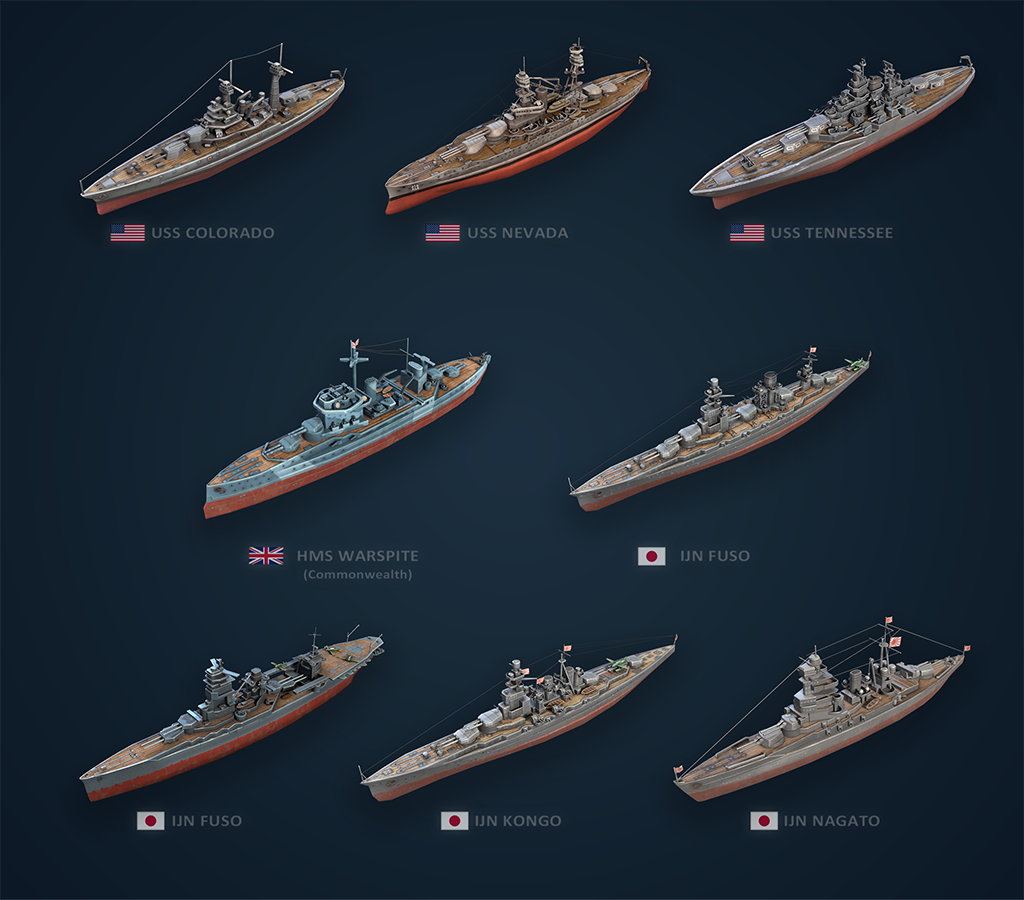
Below is a summary of the assets included in the Warships of the Pacific pack, categorized by ship type and national availability.
Battleships:
Carriers:
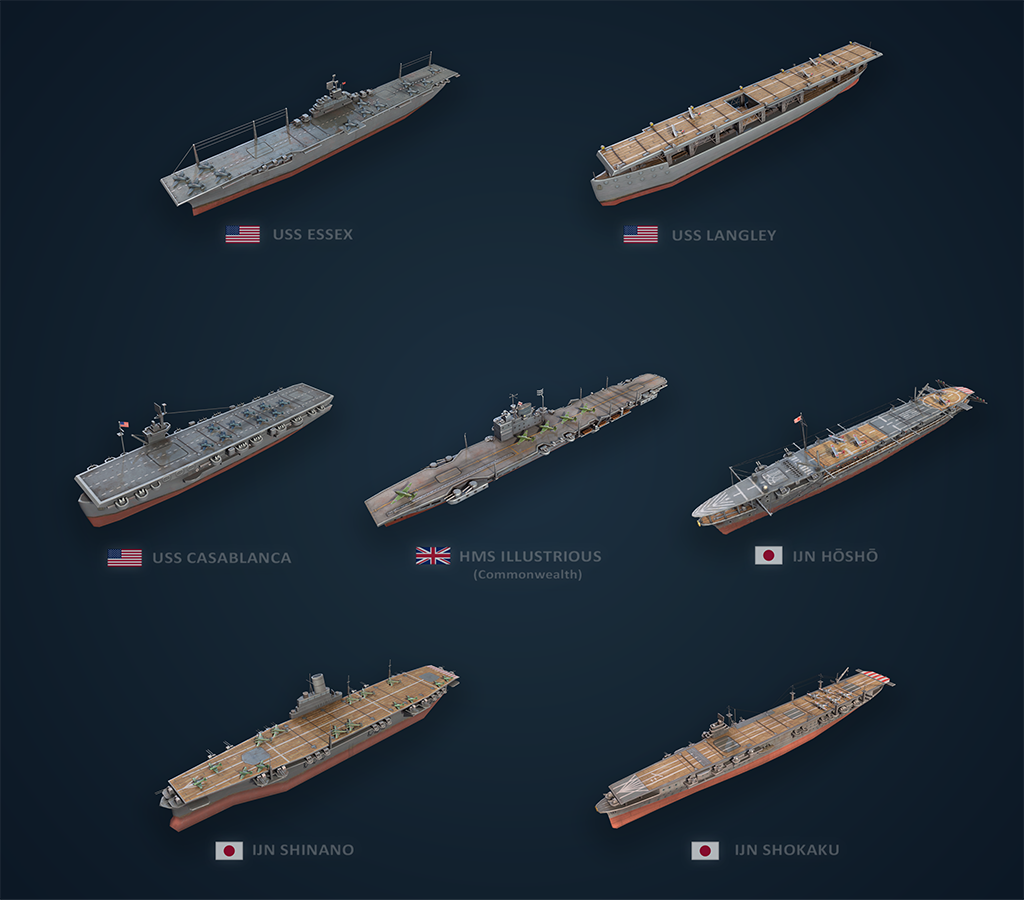
Cruisers:
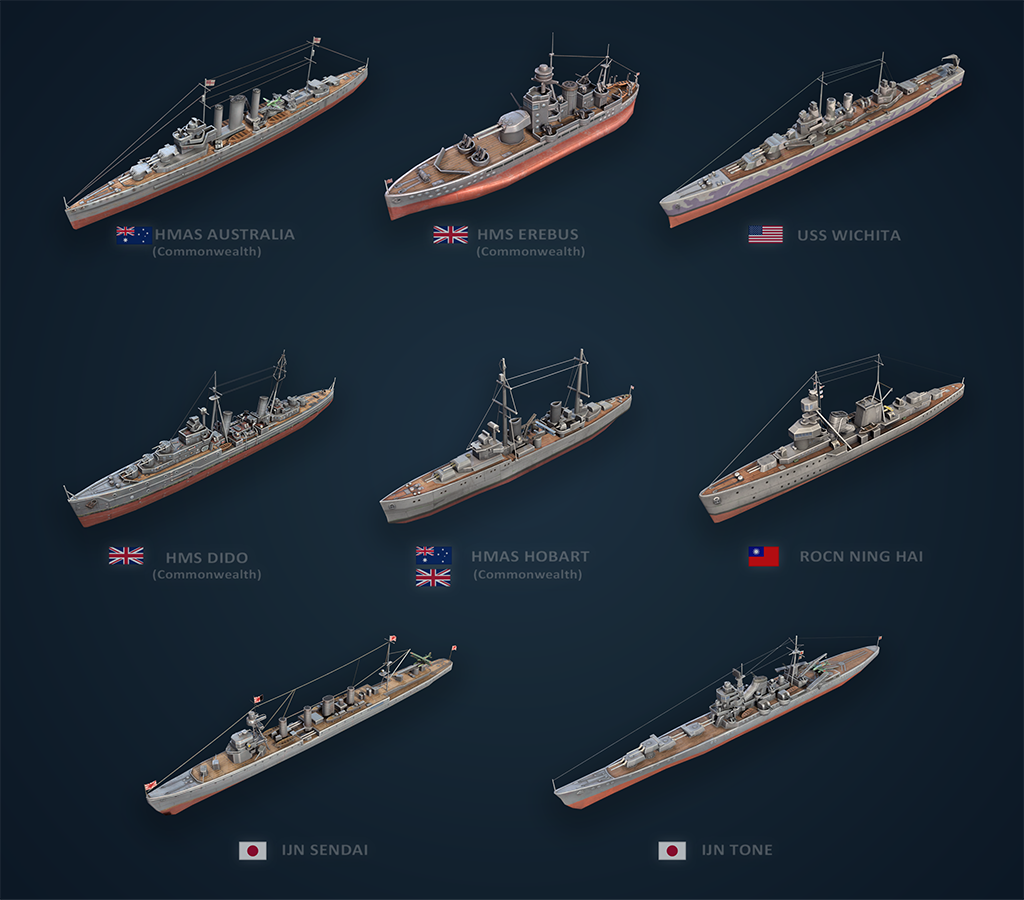
Destroyers & Submarines:
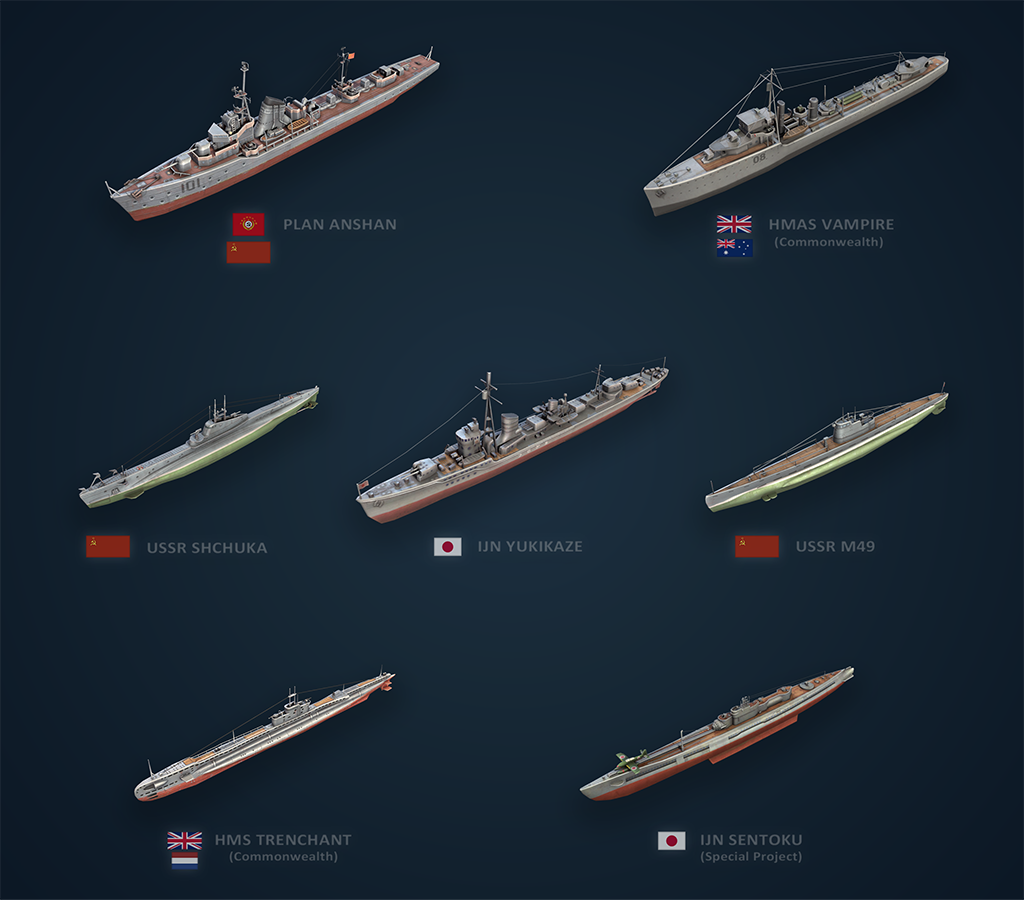
Each vessel is accompanied by a unique 2D icon, allowing you to easily distinguish your custom designs at a glance:
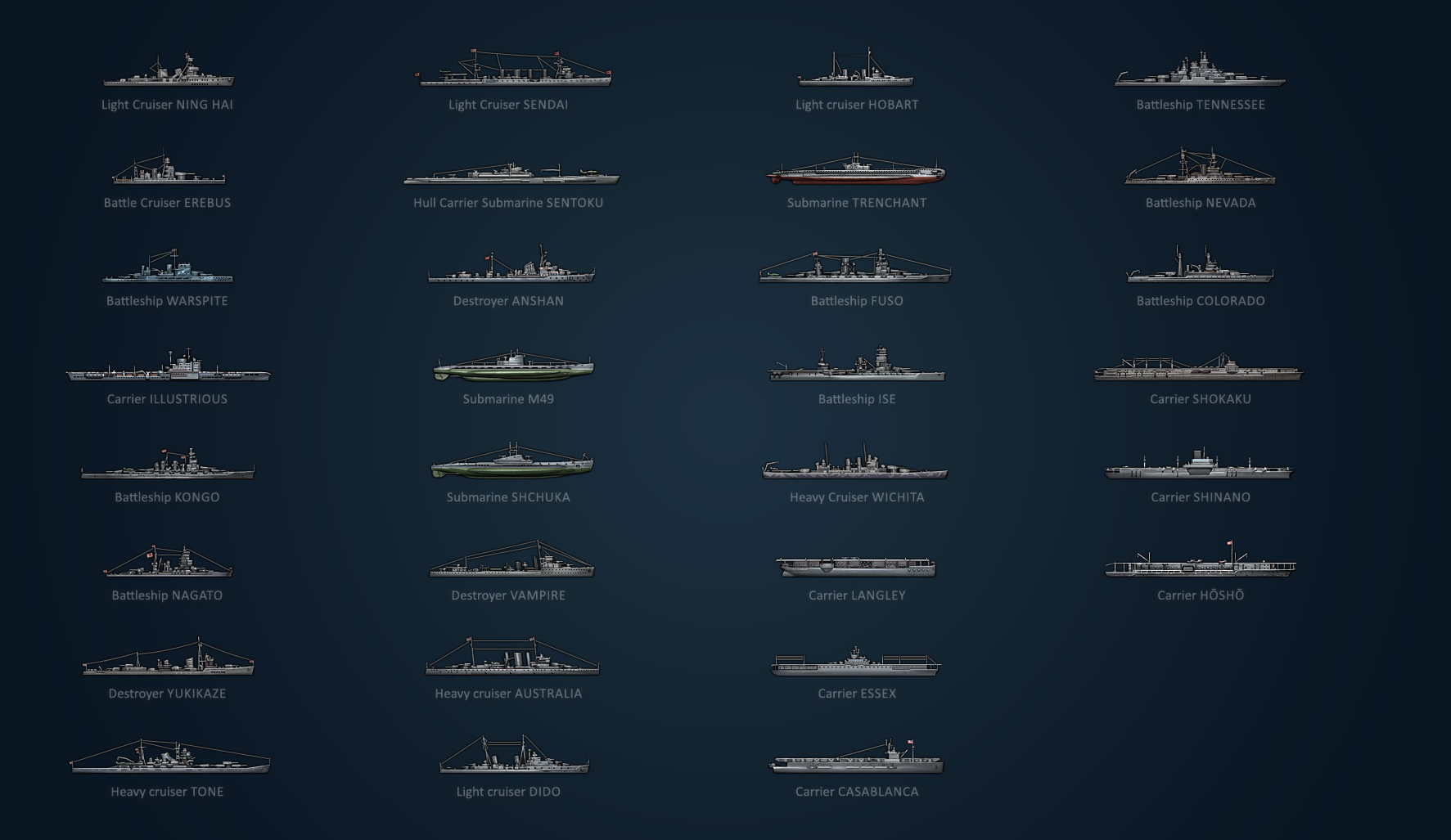
We have reached the end of our voyage for today! Thank you for following along as we explored these upcoming additions. May you have fair winds and following seas, Admirals!
Related articles
 HOI IV Developer Diary | Romania: A Flawed Democracy
 Developer Corner & Open Beta: Energy #2
 Hearts of Iron IV Dev Corner | Strikes!
 Hearts of Iron IV Dev Corner: Old Canada Questions Before New Canada
 Hearts of Iron IV Dev Corner | Energy
 Steam Autumn Sale 2026
 HOI IV Dev Corner | The Great Depression
 Hearts of Iron IV | Patch 1.19.3