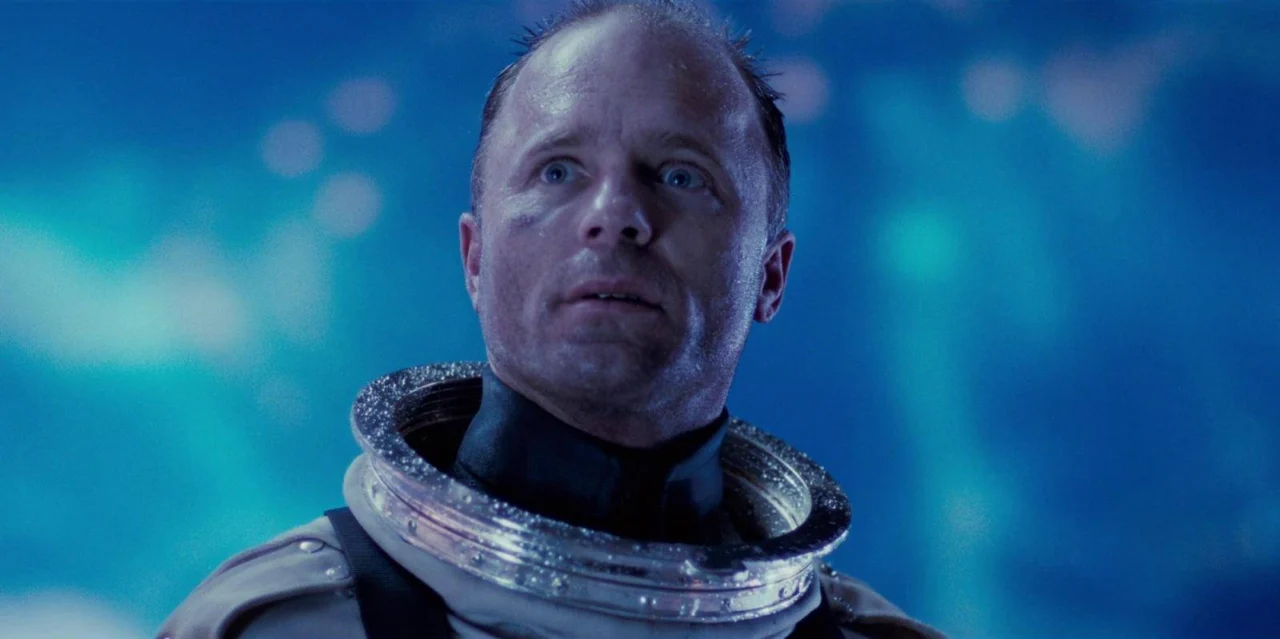
James Cameron’s Underrated Underwater Sci-Fi Thriller Is Now Streaming Free on Tubi

Long before James Cameron revolutionized cinema with Avatar: The Way of Water, his profound connection to the sea was already the bedrock of his creative identity. From his early days as a budding scuba enthusiast to his modern-day reputation as a pioneering deep-sea explorer, Cameron’s filmography has been perpetually soaked in aquatic themes. As he once shared with National Geographic, his lifelong romance with the ocean has been the primary catalyst for his most ambitious projects.
While Titanic remains his most famous maritime tragedy and Piranha II: The Spawning serves as a notoriously difficult debut, it is 1989’s The Abyss that truly encapsulates his obsession with the deep. This science-fiction masterpiece defies traditional genre boundaries, offering a visceral and hauntingly beautiful exploration of the unknown.
For those looking to dive into this underwater epic, The Abyss has recently surfaced on Tubi, where it is currently available to stream for free. Whether you are a seasoned fan returning to the depths or a newcomer ready for your first immersion, the film remains a staggering achievement in atmospheric storytelling.
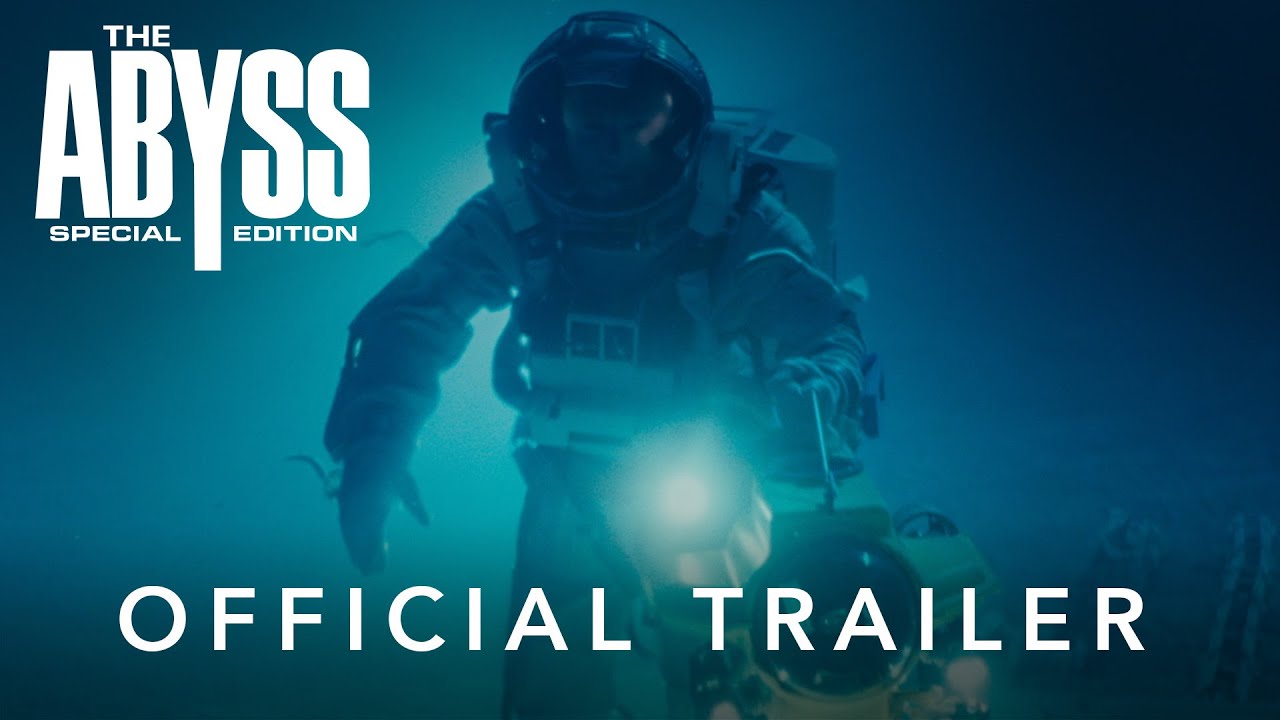
Upon its initial release, The Abyss secured nearly $90 million at the global box office. While critically well-received, its commercial impact seemed modest when compared to Cameron’s previous juggernauts like Aliens and The Terminator. The project was famously defined by an arduous production cycle; Cameron insisted on the construction of massive underwater tanks that were prone to ruptures, leading to a ballooning budget and an exhausted crew.
However, Cameron’s relentless drive resulted in a technical mastery that would eventually become his trademark. Beyond the visual spectacle and groundbreaking undersea effects, The Abyss functions as a precursor to the director’s environmental advocacy. It posits that the way humanity interacts with the natural world is a direct reflection of how we treat one another.
The narrative begins in 1994, following the discovery of a mysterious, unidentified object that sinks into the Cayman Trough. A Navy SEAL team is dispatched to recover the craft during a raging hurricane, utilizing the privately-owned “Deep Core” drilling platform as their base. The mission is complicated by the arrival of Dr. Lindsey Brigman (Mary Elizabeth Mastrantonio), the platform’s designer, whose estranged husband Bud (Ed Harris) happens to be the foreman in charge.

The situation rapidly deteriorates as a submersible power failure reveals the presence of “Non-Terrestrial Intelligence” (NTIs) dwelling in the trenches. What follows is a sequence of harrowing events, including the recovery of a nuclear warhead and a devastating rig flood that claims lives and cripples the station’s systems.
While these elements might suggest a standard creature feature, The Abyss subverts expectations by portraying the NTIs as benevolent observers rather than predators. Cameron is less interested in jump scares and more focused on the inherent horror of human violence and the futility of aggression. The film captures the suffocating claustrophobia of Cold War paranoia, suggesting that our own internal monsters are far more dangerous than anything found in the dark. In this high-pressure environment, the only path to survival is a return to fundamental humanism.
Interwoven with these high-stakes themes is a poignant love story. The fractured bond between Bud and Lindsey serves as the film’s emotional anchor, representing the hope that reconciliation is possible even in the direst circumstances. While the metaphorical abyss between people may seem impossible to cross, Cameron argues that a genuine effort to connect can save us all. It is a powerful, sincere message that makes this deep-sea odyssey a journey well worth taking.
The Abyss is currently available to stream on Tubi.
Source: Polygon
Related articles
 New Resident Evil Film Nears $400 Million at Global Box Office as Director Discusses Sequel Plans
 Austin Wintory Reveals Early Music Sketches He Wrote for Mass Effect 5
 Vincent D’Onofrio Denies Rumors of Kingpin’s Return After “Daredevil: Born Again” Finale
 Sandra Hüller Played a Role in Avengers: Doomsday
 GTA 6’s Rumored Lucia Actor Breaks Silence With Rare Live Appearance
 Warhammer Team Showcases Golden Demon 2026 Miniature Painting Winners at SPIEL Essen
 Delicious in Dungeon Season 2 Character Illustrations Shown
 Report: Sucker Punch, Developer of Ghost of Yōtei, Hit by Layoffs