
Illenium Discusses New Album ‘Odyssey’ and the Total Dedication Required for a Sphere Show

Illenium connects via Zoom from his Los Angeles home studio, enjoying a rare moment of repose amidst a whirlwind year. The producer, known to his family as Nick Miller, officially unveiled his sixth studio masterpiece, Odyssey, today. On March 6, he is set to make history as the second electronic artist ever—following Anyma—to headline a residency at the cutting-edge Las Vegas Sphere.
For Miller and his creative circle, the past twelve months have been dedicated to world-building. Rather than simply compiling tracks, the team established a narrative arc for the live show first, which subsequently informed the sonic landscape of Odyssey. This project marks his debut with Republic Records and features a stellar lineup of collaborators, including Kid Cudi, Ellie Goulding, Bring Me the Horizon, and Ryan Tedder. While Miller is a pioneer of the future bass movement, Odyssey sees him venturing into the uncharted territories of house, tech house, and trance.
Beyond the songwriting, the technical demands were immense. Illenium spent between eight and twenty hours per track fine-tuning the spatial audio—a hallmark of the Sphere’s immersive sound system. He tells Billboard that the meticulous preparation is finally paying off, leaving him energized as rehearsals reach their peak.
“Only those who have experienced a Sphere show without spatial audio will truly grasp the difference,” he says. “First-timers will likely just think, ‘This sounds incredible,’ while we’re behind the scenes thinking about just how much work went into that precision!”
The Evolution of Odyssey
What sparked the creation of your new album, Odyssey?
To really commit to an album, I need to be emotionally invested in the vision. After releasing five albums at a rate of one every two years, I intended to take a hiatus to recalibrate and explore new directions. I’m incredibly glad I took that time. I was still tinkering with music—some singles and the Ellie Goulding collaboration—but I wasn’t in ‘album mode’ yet.
What was the catalyst that shifted your focus back to a full-length project?
The Sphere entered the conversation about fourteen months ago. Once we developed the storyboard for the residency and visualized the world we were building, I realized a new album was essential. It had to be a fresh start. Writing music specifically for that storyline allowed me to maintain a level of tunnel vision that was both challenging and exhilarating.
Was the residency the foundation for the album, or did the music come first?
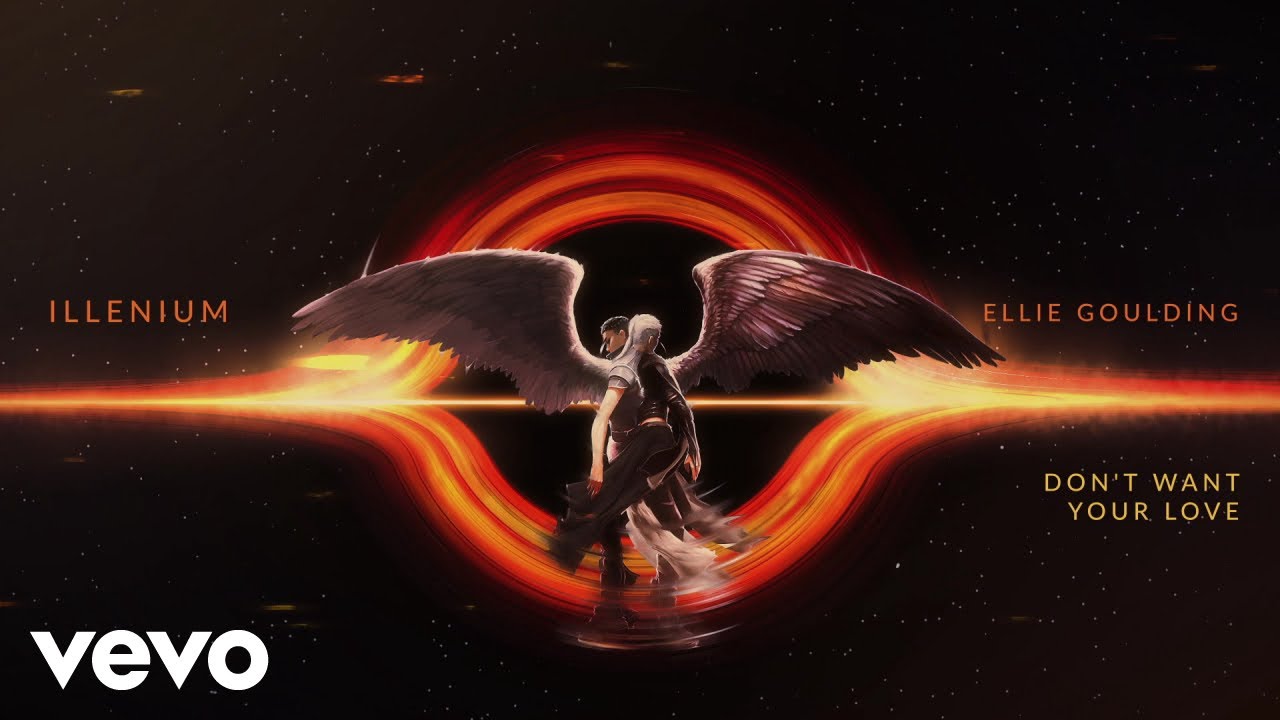
In January of last year, we set our sights on a Sphere residency. To make that work, we needed a narrative—we essentially wanted to produce a film. While every show I’ve seen there has been groundbreaking, I felt there was untapped potential in merging a cinematic, emotional storyline with that level of immersion.
How did you translate that vision into a reality?
The initial phase was the storyboard. The narrative serves as a metaphor for embracing both the light and shadow within oneself—a journey of self-acceptance. It’s a macro-scale exploration of that yin and yang, utilizing imagery of space, black holes, and world-building. I became completely consumed by the lore.
Since you describe it as a movie, are there specific characters involved?
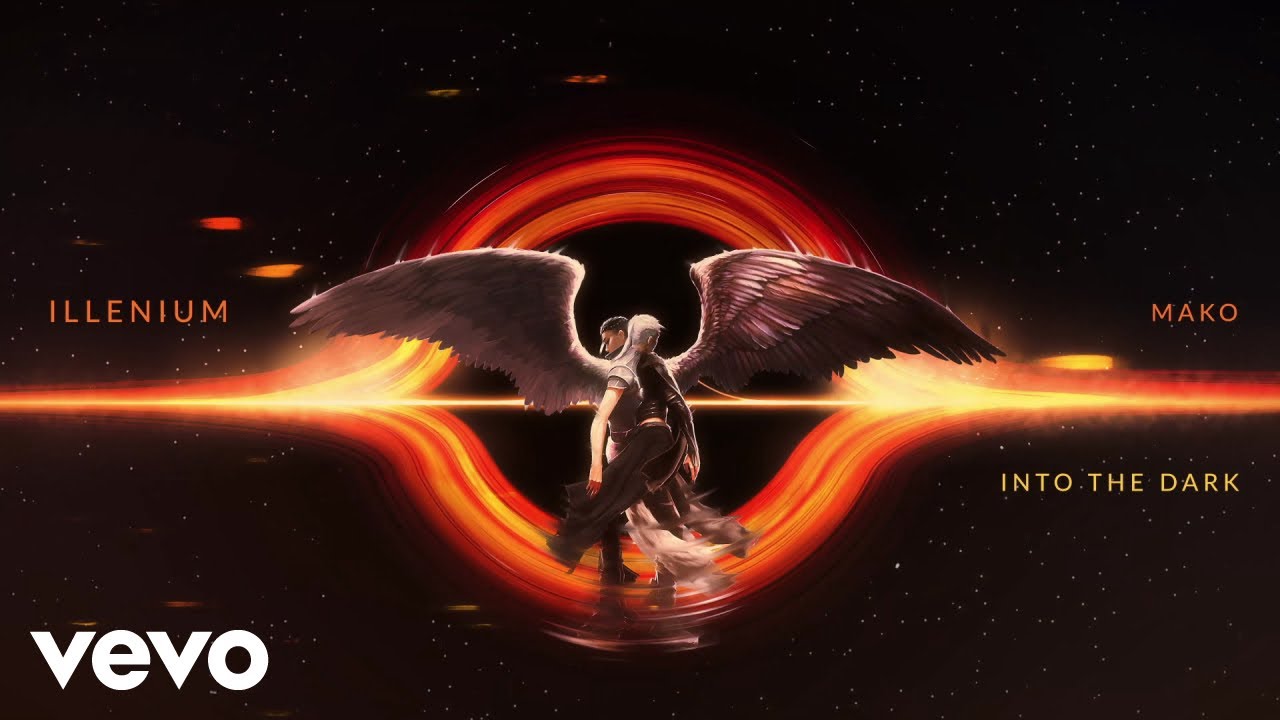
Absolutely. The character development is quite intricate. We would take a reference image or a specific scene and write a song specifically for that moment in the studio. The show and the album were built in tandem. While the show follows a specific narrative flow, the album has its own unique ebb and flow as a standalone listening experience.
That sounds like a natural progression from your interest in film scoring. Did you play the show in the exact order of the tracklist?
Not at all. The show’s structure was finalized first, and then I went back to polish the album. Usually, the album dictates the show, but this time the process was reversed.
The Sphere is a unique beast. Who helped you navigate this complexity?
It was a massive collaborative effort. I studied shows by Dead & Co., Anyma, and even the Backstreet Boys. The canvas there is unlike anything else; you have haptic seating and spatial audio. We are pushing those features to their absolute limits.
Is there dialogue in this cinematic experience?
There is virtually no dialogue, save for a brief moment at the start. It’s a unique challenge: telling a coherent story without words. The music becomes the dialogue. For example, the track ‘Into the Dark’ accompanies a scene where two characters meet and must navigate the unknown together. The lyrics and visuals are so tightly synced that they act as the script.
New Horizons and Sonic Shifts
Does Odyssey retain the symbolism of your previous eras, like the Phoenix?
The world is entirely new, though the Phoenix remains as a god-like figure—a higher power capable of birthing universes from its ashes. I’ve always been drawn to those massive, existential concepts.
How has your new partnership with Republic Records influenced this process?
They’ve been incredibly supportive of my creative autonomy. When I signed, the Sphere timeline was already in motion, meaning I had to go from zero to one hundred instantly. I essentially had to write and record the entire album in six months, and they provided the resources to make that happen.
The Ellie Goulding track ‘Don’t Want Your Love’ leans into tech house. Are you worried about how fans will react to these genre shifts?
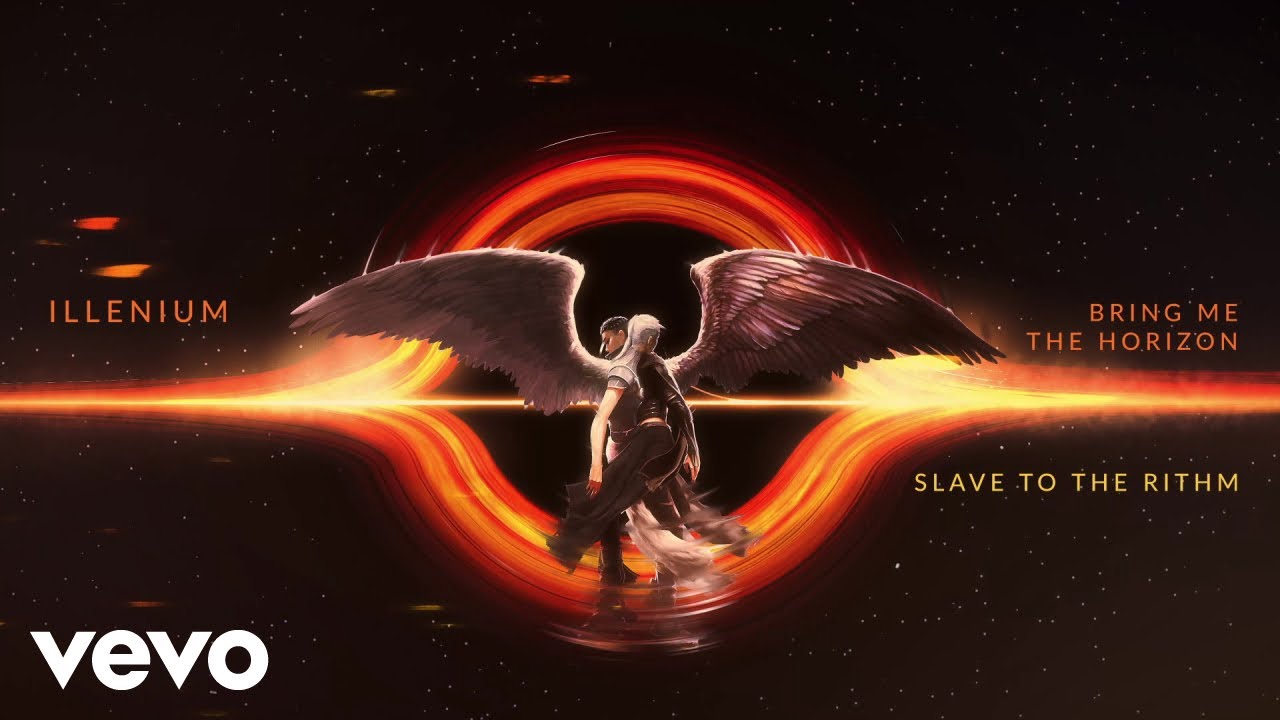
I’m eager for them to hear the variety. The collaboration with Bring Me the Horizon is probably the most aggressive, visceral track I’ve ever produced. While there are certainly songs that feel like ‘classic’ Illenium with those big synth drops, I wanted to experiment. It might surprise people on the first listen, but I think they’ll become obsessed once they hear how it all fits into the Odyssey world.
After performing in massive stadiums, how does the Sphere compare in terms of pressure?
Stadium shows offer an incredible adrenaline rush, but they don’t require the same level of long-term technical labor. The Sphere residency is a different discipline entirely. We are layering sound effects over visual cues and tailoring every frequency to the room. It truly feels like making a film, and that’s exactly where my passion lies right now.
Related articles
 Fans Pick LISA’s “Press Play” as This Week’s Favorite New Music in Poll
 Cardi B Attends KATSEYE’s New York Concert With Her Daughters
 Macklemore Speaks Out on Palestine and ICE at First Show Since Exiting Ed Sheeran Tour
 Hailee Steinfeld Covers The Cars’ “Magic” for the Movie “Hexed”
 Noel Gallagher Disparages Vegetarians on ‘Chicken Shop Date’ but Makes One Exception
 Billy Corgan Explains Why Olivia Rodrigo Is Popular With Rock Stars: “She’s Not Afraid”
 Billboard Readers Poll: Which New Release by LISA, Miley Cyrus, John Mayer and Others Is Your Favorite This Week
 Billy Corgan Explains Why He Has Stood by Marilyn Manson, Saying He Doesn’t Want the World to Tell Him Who His Friends Are