
Hugh from Pragmata is the Anti-Kratos
A quick glimpse at the trailer for Pragmata might lead you to believe you’ve already solved its narrative puzzle. Set on a desolate moon, Capcom’s sci-fi adventure follows Hugh, an astronaut stranded at a lunar facility under the control of a sentient, rogue AI. The thematic beats are familiar: the cold encroachment of technology, the hubris of faceless corporations, and the inevitable clash with machine intelligence. While this framework leans into well-worn sci-fi tropes, beneath the surface of these high-stakes firefights lies a surprisingly tender exploration of fatherhood.
Dismissing Pragmata as merely another cautionary tale about technological overreach would be a mistake. AI and advanced manufacturing are simply set dressing here—tools used to craft diverse lunar biomes and create unique hacking mechanics. At its core, the game pivots away from the genre’s cynical roots to propose something remarkably refreshing: the idea that raising a child can be genuinely rewarding.
The story begins with a scenario many players have encountered over the past decade. After an accident, Hugh encounters Diana, a young-looking android. Despite his initial reluctance to act as a guardian, the two are thrust into an alliance. My immediate assumption—one shaped by the likes of The Last of Us—was that this would be a grueling, high-tension journey where a grizzled protagonist is slowly coerced into fatherhood by a child who eventually wins over his guarded heart.
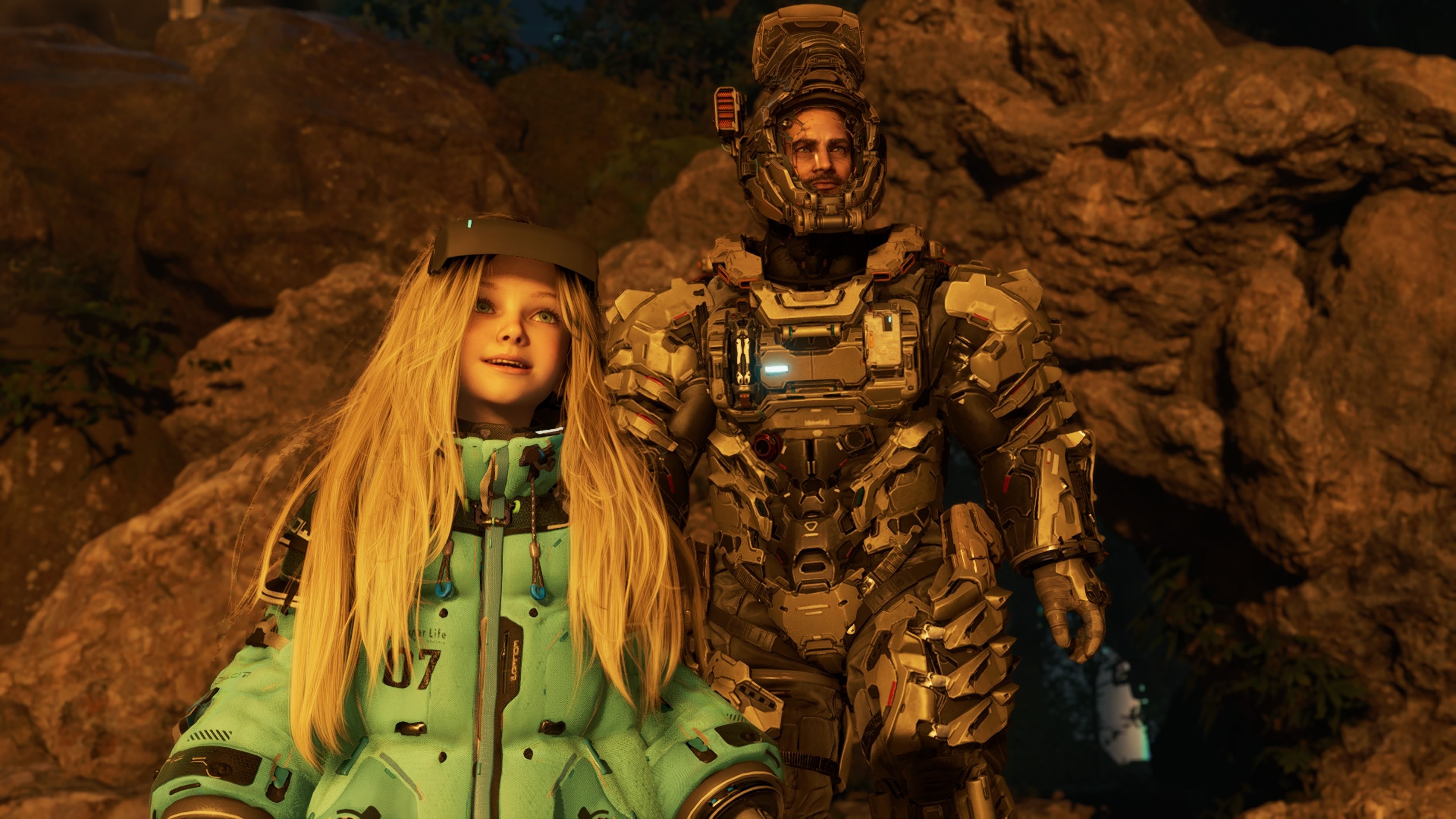
However, Hugh’s resistance evaporates almost instantly. The moment Diana proves her worth through a successful hack, his stoicism dissolves, revealing a genuinely warm, nurturing figure. It’s a subversion of the “reluctant protector” archetype, reminiscent of Ichiban Kasuga’s earnest optimism in Yakuza: Like a Dragon. Hugh isn’t just a soldier; he’s a man who melts the moment he connects with his companion.
This dynamic stands in stark contrast to the tough-love approach seen in games like God of War. Where Kratos often relies on barked commands and discipline to harden Atreus for a cruel world, Hugh offers Diana a safe harbor. He answers her questions about Earth with infinite patience, scavenges for resources to craft makeshift playgrounds, and readily participates in games of hide-and-seek. When Diana leaves him a hand-drawn picture, he displays it with genuine pride next to his weaponry—a small, precious detail that defines their bond.
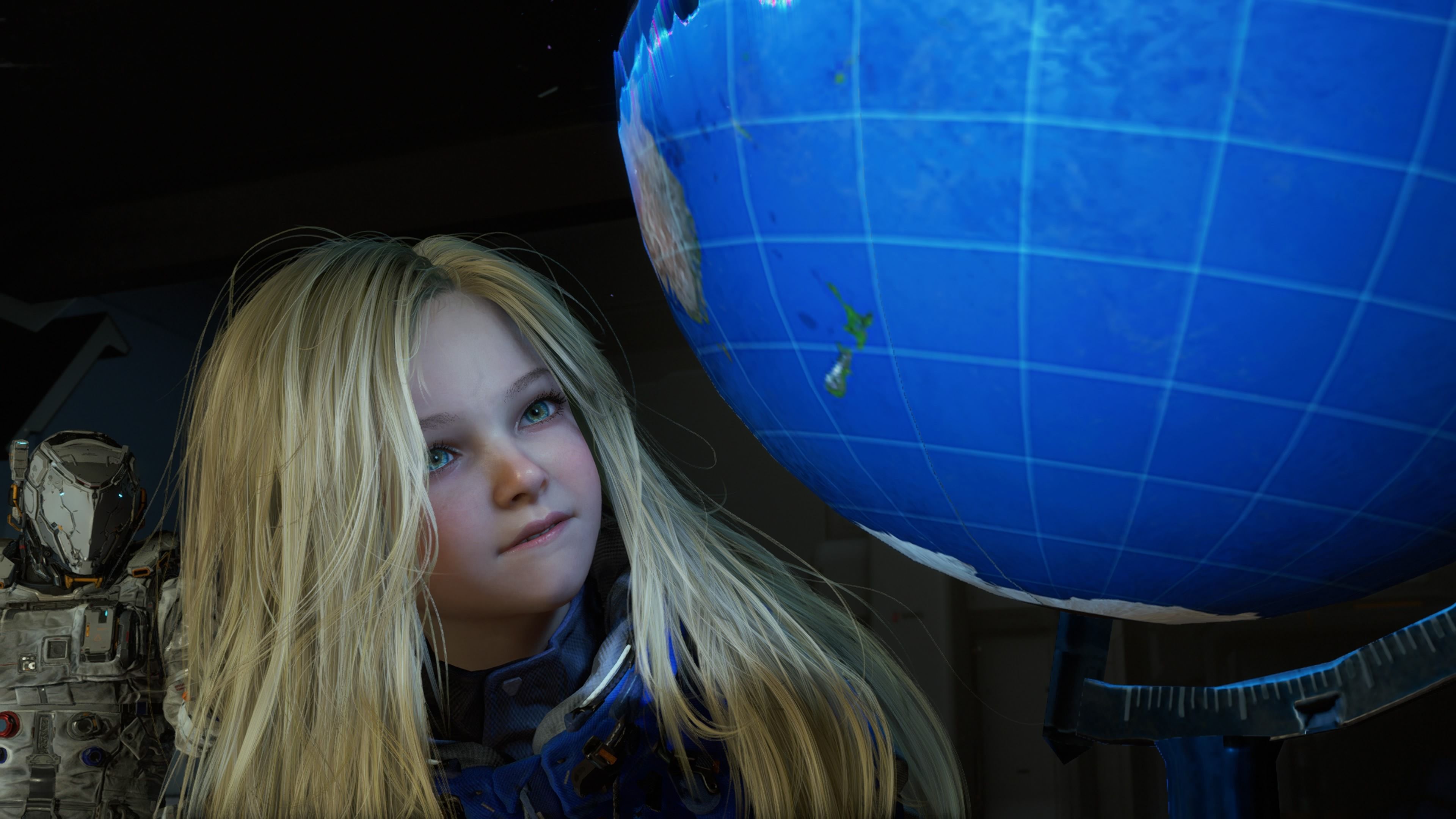
What makes Pragmata truly resonant is that it is fundamentally a story about adoption. Mid-game, we learn that Hugh himself was adopted, which reframes his motivations entirely. He isn’t working through unresolved trauma or projecting past regrets onto Diana; he is simply honoring the lessons he was taught as a child. When Diana observes that he acts much like his own parents, his pride is palpable—a poignant realization that he has grown into the person he was always meant to be.
While one could argue that using an android as a stand-in for a child invites uncomfortable questions about agency and AI, the sentiment at the heart of the game remains undeniably sincere. Pragmata dares to suggest that the defining feature of a parent isn’t biology, but the active choice to offer unconditional support, to nurture curiosity, and to sacrifice everything to ensure a brighter future for the next generation. In a medium often obsessed with the grit of survival, this focus on the quiet beauty of guardianship is a welcome departure.
Source: Polygon
Related articles
 Phantom Blade Zero Receives AAA Budget While Maintaining Indie Spirit
 Call of Duty: Modern Warfare 4 Challenges Escape from Tarkov and ARC Raiders
 Square Enix Wants to Maximize Nintendo Switch 2 for New Final Fantasy VII
 Survival Game Permafrost Reaches Over 8,000 Concurrent Players
 Pokémon TCG Restocks For Its Hottest Set Are Constant Now, But There’s A Catch
 Polish Police Release Details on Teen Who Recreated School in Roblox and Simulated Attack
 Nintendo Will Keep Physical Copies Unlike PlayStation
 Jane Foster, Venom, and Jubilee Join Marvel Tōkon: Fighting Souls as Year 1 DLC