
How Billboard’s African Rookie of the Month Ciza Dominated Dance Clubs Worldwide with His Hustler’s Anthem “Isaka (6am)”
Ciza: From a Musical Lineage to Global Dancefloors

Nkululeko Nciza—professionally known as Ciza—grew up inside South Africa’s music world. His father, Thembinkosi “TK” Nciza, co-founded TS Records with DJ Sbu, and his mother, Nhlanhla Mafu, was the lead vocalist for Mafikizolo—whose 2013 smash “Khona” went on to win major awards and acclaim across the continent. That upbringing planted Ciza firmly within musical traditions and industry know-how.
Despite whispers about privilege, Ciza says the public response in his community has been supportive: rather than dismiss him as a “nepo baby,” people celebrate his family’s legacy and treat him like local music royalty. He’s worked to earn his place on his own terms.
He first performed with a school rap group called KIC (Kids in the City). At 18 he released a solo single, “House Party,” which became a popular anthem among students. He later planned to study business entertainment at Morehouse in Atlanta, but the pandemic altered that path—and the global rise of Afrobeats shifted his artistic focus from rap to more dance-oriented, pan-African sounds.
After early singles like “Come Alive” and “Adje” in 2020, Ciza began attracting attention in 2021 through a collaboration with South African producer DJ Maphorisa on the Afrobeats/amapiano hybrid “Bank Notification,” which appeared on his debut EP Golden Boy Pack. The pandemic’s disruption and a period of self-reflection pushed him away from frequent releases for a time.
During that break he discovered a passion for DJing and Afro house. As South Africa’s experimental three-step movement emerged—blending Afro-tech, amapiano and broken beat—Ciza wanted to craft his own interpretation. Teaming up with producer Jazzworx and vocalist Thukuthela, he co-created “Isaka (6am),” an international breakthrough released in April.
The word “isaka” literally means “the bag” in Zulu; the “6am” tag evokes the hours after a long night—returning home from work or the club. Ciza has played the track at clubs well past dawn, and the song’s spirit reflects both hustle and reflection.
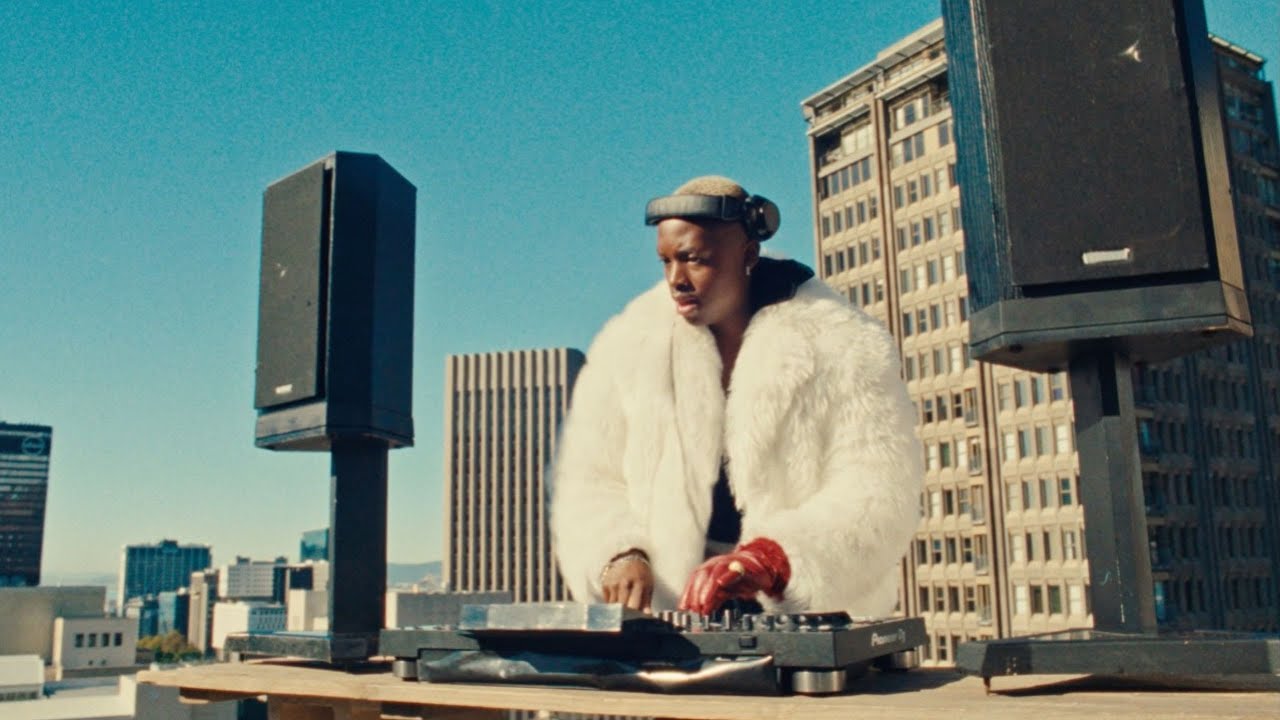
Ciza says his given Xhosa name, Nkululeko—meaning “freedom”—guides his artistic aim: he wants his live performances and records to liberate listeners from pain or heartbreak. For him, a dance hit and a spiritually uplifting song can coexist.
“Isaka (6am)” spent nine weeks at No. 1 on the South Africa Songs chart and amassed tens of millions of streams globally—one tally cited 81.5 million official global streams (Luminate, through Sept. 18). The track also made inroads in Europe through key DJs and curated remixes: Black Coffee featured the “Vanco Mix – In Joburg” during his Hï Ibiza residency while Ciza was on the decks with him, and Rampa and Adam Port previewed remixes at high-profile European sets.
Ciza describes the current moment as a Renaissance for African music. “People used to say ‘Africa is next,’” he says. “Now I really feel it’s happening.”
Billboard spoke with the September African Rookie of the Month about making “Isaka (6am),” bringing Omah Lay and Tems onto “Isaka II,” and a surreal dinner in Ibiza with Black Coffee (and a surprise appearance by Jimmy Iovine).
Family, mentorship and early lessons
Growing up, Ciza watched his father develop artists from their earliest stages—households full of rising stars showed him that success was attainable with determination. From his mother he learned craft, discipline and the importance of performance; she pushed him into school concerts and family gatherings where he practiced dancing and stage presence.
On business lessons from his father
With his father also serving as manager, Ciza says the clearest lesson was simple: you must outwork everyone. Consistency and effort separate those who succeed from those who don’t.
Musical influences
Early exposure included performance DVDs and Afropop—his mother introduced him to West African artists like Wizkid, whose global breakthroughs inspired Ciza. As a teen he embraced Atlanta hip-hop and groups like Migos, then later returned to African dance music influences. He cites Drake as a model for blending artistry and commercial appeal.
Today his listening spans Afrobeats, amapiano, Afro house and mainstream pop—artists from The Notorious B.I.G. to Justin Bieber inform his wide-ranging ear.
Choosing LVRN
Ciza met Tunde Balogun (co-founder/CEO of LVRN) in 2022, and the label invested in his long-term development rather than chasing only immediate hits. Ciza says that artistic growth and patient development were central to why LVRN was the right partner.
Making “Isaka (6am)”
Ciza recalls hunting through studios for the right collaborators until a session with Jazzworx and Thukuthela finally clicked. He insisted on simplifying arrangements to let the song breathe and keep it danceable. The recording felt spiritual and immediate; when they finished, everyone sensed they had something special.
Promo followed organically: TikTok clips and word-of-mouth pushed the track before it was even officially released. A clip shared by a friend exploded, and the momentum convinced Ciza and his team they had a hit.
Legal hiccup and creative fixes
Ciza shared that a scene in the “Isaka” visual—featuring South African currency—prompted a cease-and-desist from the South African Reserve Bank. Faced with the prospect of losing views and momentum, he and his team redesigned the shot so streams weren’t affected and the project could continue.
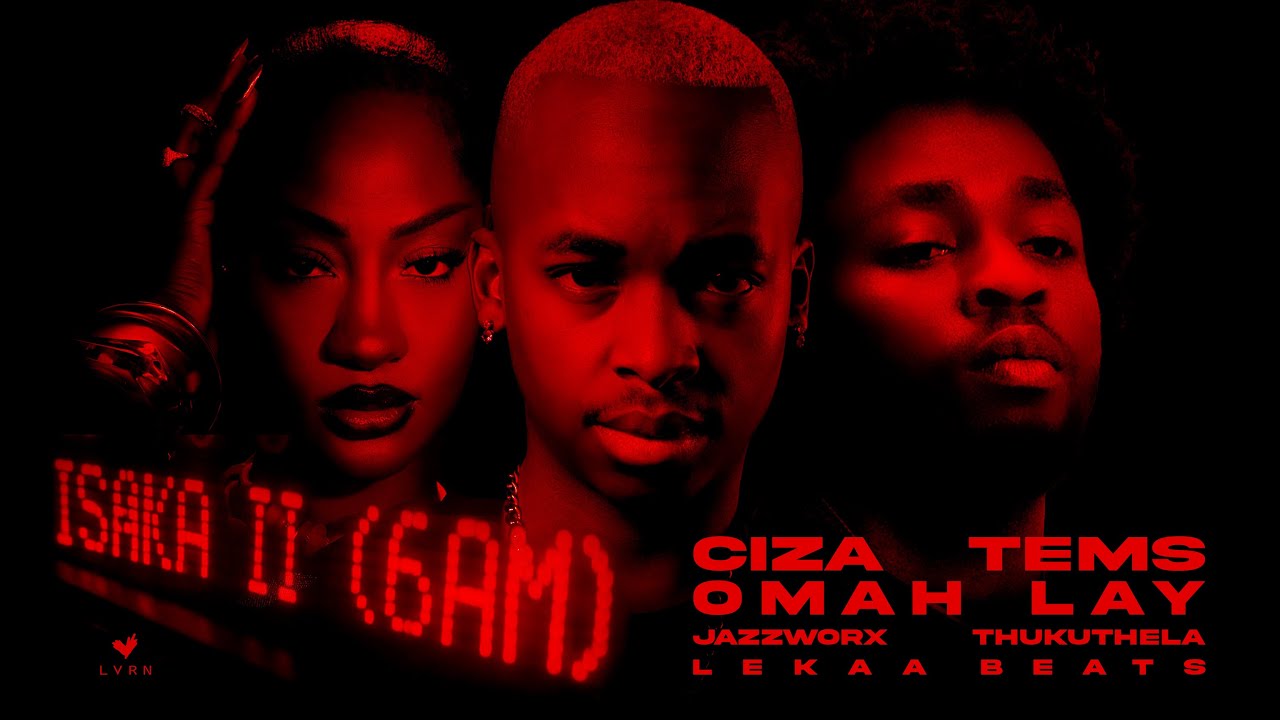
How Omah Lay and Tems joined “Isaka II”
Ciza had long admired Omah Lay and approached him in South Africa years earlier. After “Isaka” broke through, Omah Lay messaged Ciza and offered a verse that fit seamlessly. Tems—who rarely does remixes—came on board after hearing the track through mutual management; when she finally contributed, her opening line, “I’m ready,” felt perfectly aligned with the song’s message of artistic independence and unity between West and South African sounds.
Regional remixes and a global strategy
To make the song resonate in clubs from Beirut to Miami, Ciza commissioned regionally flavored Afro house remixes—most notably with Vanco—so DJs across different scenes could spin versions that fit their audiences. This approach helped the single break deeper into European sets and club circuits, and ultimately led to memorable moments like Black Coffee featuring the track in Ibiza.
Meeting Black Coffee—and Jimmy Iovine at dinner
An invitation from Black Coffee led to an unforgettable Ibiza dinner. While waiting for Coffee to arrive, Ciza and his father found themselves sharing the table with music executive Jimmy Iovine, who offered candid advice: there are no fixed rules—if something feels right, people will adapt. That guidance—paired with the reminder that greatness requires commitment—stuck with Ciza.
Remixes, collaborators and ambitions
Major League Djz, Kidflo and Kotto later contributed a remix that further amplified “Isaka” within the Afro house community. Ciza says long-standing support from Major League Djz and their ongoing championing of his DJ sets made the reunion a natural step.
When asked who he wants to work with next, Ciza names Wizkid, Tyla, Drake (on a 3-step record), Tems in an Afro house context, and Rema—artists who reflect the cross-regional fusion he pursues.
What’s next
Ciza says his forthcoming album, Ciza’s Palace, will open listeners into his world: spiritual, joyous and emotionally varied. Recorded across Africa and London with many collaborators, the project aims to redefine how dance music is perceived and to break genre rules while inviting audiences into deeper, more personal territory.
Related articles
 Lana Del Rey Celebrates Second Wedding Anniversary With Jeremy Dufrene
 Producer Todd Rundgren Criticizes Taylor Swift as the Apotheosis of Mediocrity
 Rihanna shares new photos and videos of daughter Rocki after first birthday
 Ed Sheeran Featured on ‘SNL UK’ With ‘Chicken Shop Date’ Host Amelia Dimoldenberg
 KATSEYE Featured in Saturday Night Live Sketch Parodying Dream Academy Season 2
 KATSEYE Perform Animal and Hootie Frutti in SNL Debut
 Ella Langley Responds After Fan Asks Her Out
 Soft Cell Discusses Release of Danceteria Song the Same Year as Madonna