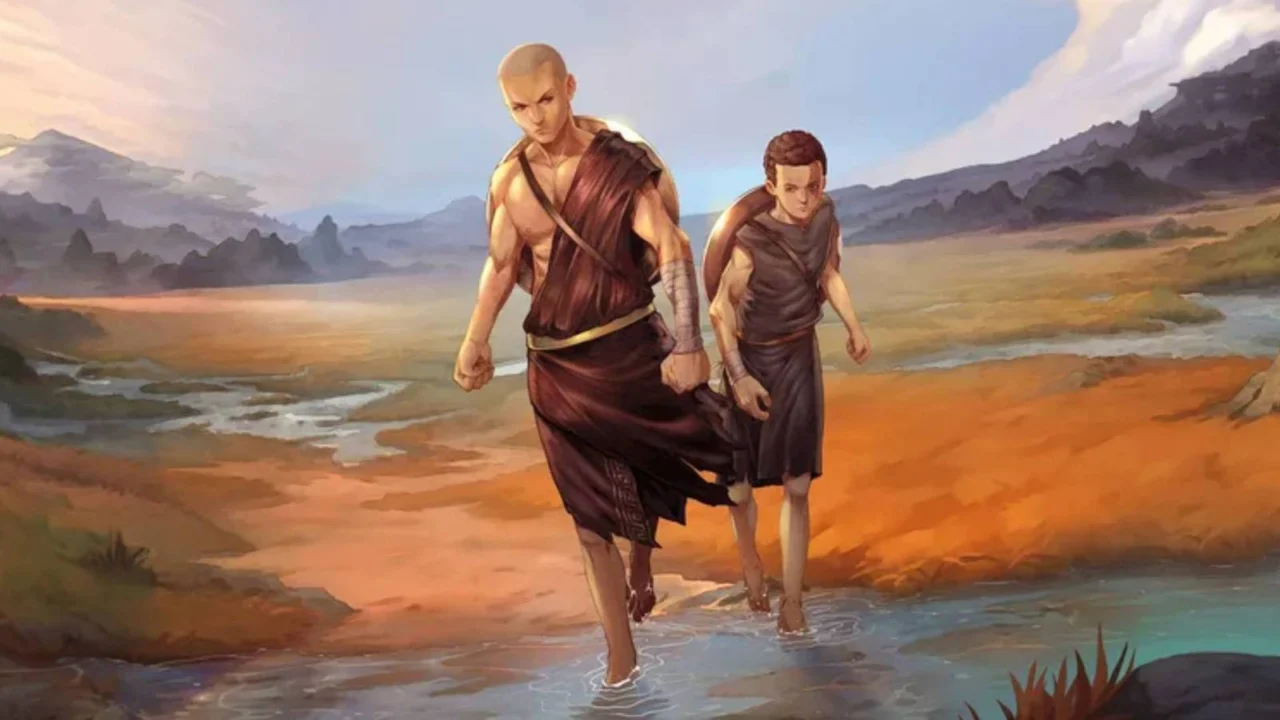
God of War: Sons of Sparta Proves Why Shadow-Dropping Games Is a Mistake
During Sony’s inaugural State of Play for the year on Feb. 12, PlayStation delivered a genuine shock by announcing and immediately launching God of War: Sons of Sparta. This side-scrolling prequel to the celebrated “angry father” action saga caught the industry off guard. However, as critics and players have spent the past week with the title, a frustrating reality has surfaced: the “shadow-drop” strategy is proving to be a double-edged sword that often cuts the consumer.
One week into its life cycle, God of War: Sons of Sparta holds a mediocre score of 66 on Metacritic across 32 professional reviews. This distinguishes it as the most poorly received entry in God of War history, falling below the legacy of the PSP spin-offs and even the divisive prequels of the past. The audience sentiment is equally tepid, sitting at a 6.4 user score. If nothing else, Sons of Sparta has achieved the rare feat of aligning the often-clashing perspectives of hardcore gamers and professional critics.
In a 7.5/10 review for PlayStation Universe, John-Paul Jones characterized the game as “well-crafted but ultimately safe.” Writing for IGN, Jarrett Green offered a 6/10, noting that while the game provides a “pleasant character rehabilitation” for Kratos, it remains a “fairly middling Metroidvania.” GamesRadar’s Oscar Taylor-Kent was more critical in a three-star assessment, describing the combat as “lifeless” and arguing that it fails to reach the high standards set by its genre influences or its own franchise lineage.
While evaluating a game based on its price point can be a slippery slope—as art shouldn’t always be reduced to a commodity—it is an unavoidable factor here. Sons of Sparta is a paid product that consumers purchased on a whim, often based solely on the prestige of the God of War brand, only to find themselves underwhelmed. While platforms like Steam allow for refunds within a two-hour window, the PlayStation Store offers no such flexibility. This raises a difficult question: is the excitement of a surprise release worth the risk of a “blind” purchase that fans cannot take back?
The shadow-drop gamble doesn’t always favor the creators, either. In the modern landscape, a traditional marketing campaign is essential for building momentum. Launching a game without notice limits the initial reach to the most dedicated enthusiasts—those who closely follow industry news or watch every livestream. When a game fails to catch fire instantly, the consequences can be catastrophic for the studio behind it.

Consider the trajectory of Tango Gameworks’ Hi-Fi Rush. Surprise-released by Xbox in early 2023, it was a critical darling that struggled to find its footing commercially in time to satisfy corporate expectations; Microsoft shuttered the studio a year later (though it was recently revived by Krafton). For every massive success like Apex Legends, there is a quieter disappointment like Super Kirby Clash. Even a powerhouse like Oblivion: Remastered relied on a ferocious rumor mill that acted as a surrogate marketing campaign, ensuring the “surprise” was anything but unexpected.
The path forward requires more transparency. Publishers should be candid about a game’s scope and mechanics, whether through press previews or hands-on demos, before asking for a financial commitment. To borrow a philosophy from Milton S. Hershey: “Give them quality. That’s the best kind of advertising.”
Ultimately, however, Sony lacks the incentive to pivot. The most loyal fans will purchase the game regardless of the release strategy. At the time of writing, Sons of Sparta has garnered over 6,000 player ratings on the PlayStation Store, maintaining a robust 4.5 out of 5 stars despite the critical consensus suggesting a much more mediocre experience.
Source: Polygon
Related articles
 Xbox COO Helen Chiang leaves Microsoft after 21 years
 Pixel Body Horror Game Look Outside Is Coming to Consoles
 New Details Emerge About Marvel’s Zodiac Series, Featuring Spies Against People With Superpowers
 Fallout Day 2026: All the Major Announcements from Bethesda’s Fan Event
 Need for Speed: Underground 2 Ported to Android
 Necromunda Tabletop Team Shares Plans for 2027
 Director Peter Berg Says Call of Duty Movie Won’t Be a Mindless Action Film
 Takopi’s Original Sin Compilation Film Gets New Trailer Ahead of November 27 Japan Release