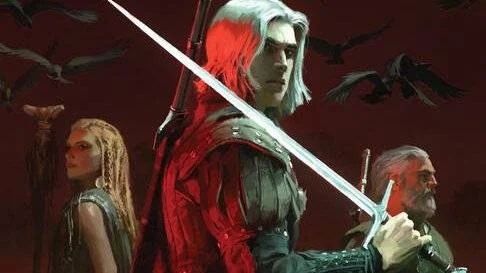
Don’t Ask “The Witcher” Author Andrzej Sapkowski About Witcher 4

Andrzej Sapkowski, the author behind The Witcher saga, is as forthright in interviews as his protagonist Geralt is in conversation — unsentimental and impatient with pretense. Though CD Projekt RED’s Witcher games and Netflix’s adaptation brought Sapkowski’s Polish-language stories to a global audience, he generally remains reserved about those reinterpretations and about public interviews. He’s also said he prefers not to overwork himself or detail his writing routine. CD Projekt RED’s games and Netflix’s series expanded his readership, but Sapkowski tends to keep the focus on his fiction rather than adaptations. For further context on his views about work, see this earlier conversation.
With a new novel arriving on Sept. 30, Sapkowski answered a short email Q&A for Polygon about returning to his world. The prequel, The Witcher: Crossroads of Ravens (preview an excerpt here), chronicles Geralt’s first major campaign and the offer that positions him as the potential heir to Holt, a seasoned Witcher weighing retirement. Below are Sapkowski’s concise, candid replies about revisiting Geralt’s past, his audience, and the creative impulse that inspired this book.
Polygon: What prompted you to write another entry in The Witcher universe?
Andrzej Sapkowski: Call it inspiration. When the Muse decides to visit, a story takes shape almost of its own accord. That spark compelled me to return to Geralt’s world and explore a tale that presented itself too insistently to ignore.
Polygon: Why explore Geralt at a younger age?
Andrzej Sapkowski: Writing a younger Geralt offered a fresh viewpoint on a familiar figure — a chance to fill gaps in his past, reveal antecedent causes for events readers already know, and add connective tissue that reshapes how earlier novels are understood. It’s a way to see the character through a new lens.
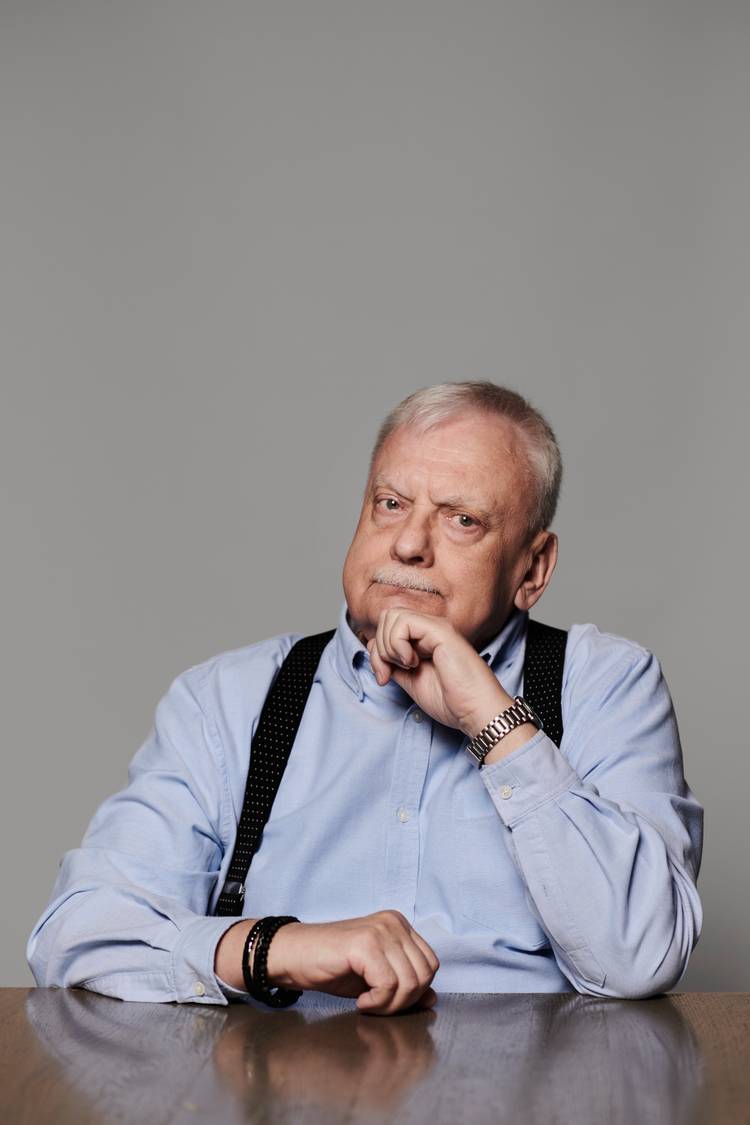 Photo: Matt Crockett/Patricia Pasqualini Literary Agency
Polygon: Holt’s mentorship of Geralt mirrors Geralt’s later role with Ciri. How did a prequel allow you to deepen these relationships?
Andrzej Sapkowski: Whether a character has more depth is ultimately the reader’s decision. I can layer motives and history into a persona, but its resonance depends on interpretation. Readers bring their own experiences; my job is to provide the material and trust their judgment.
Polygon: What inspired Holt, and why introduce a mentor so distinct from Vesemir?
Andrzej Sapkowski: The story dictated what it needed. Holt emerged because the plot required him — a mentor whose temperament and history served the narrative in ways Vesemir could not. In this case, the demands of the plot determined the cast and their roles.
 Image: Orbit
Polygon: Do game developers consult you about the series — for example, about The Witcher 4?
Andrzej Sapkowski: I don’t remember specifics. If I was asked, I offered whatever guidance I could, but I do not keep close tabs on game development.
Polygon: As the games shift toward Ciri’s story, is there anything you’d like to see from them?
Andrzej Sapkowski: I can’t speak to expectations because I don’t play video games and therefore am not familiar with their content or direction. That’s a personal preference — I simply choose other pastimes over gaming.
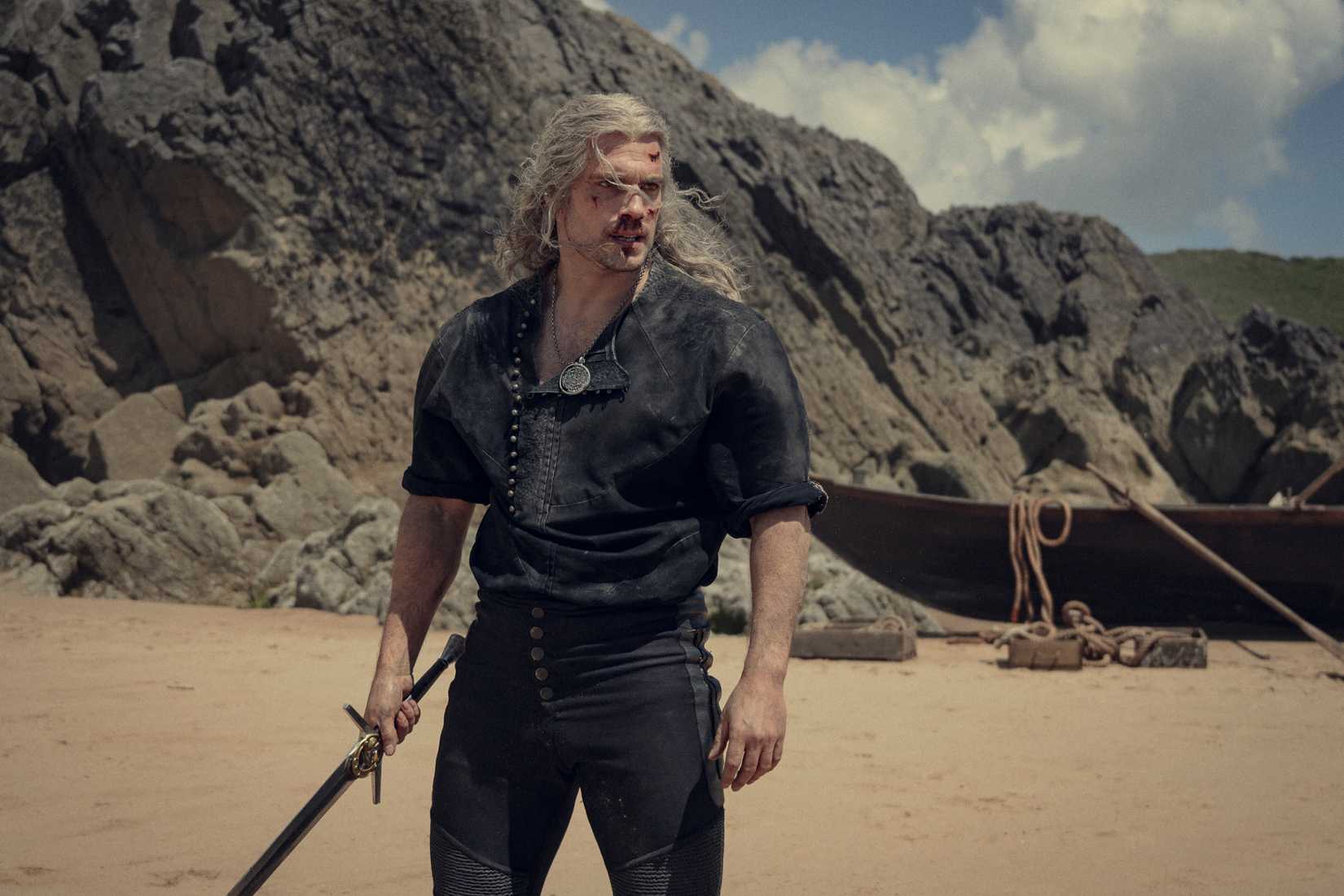 Photo: Susie Allnutt/Netflix
Polygon: How do you feel about Netflix’s adaptation?
Andrzej Sapkowski: My views depend on specific elements and circumstances. I assess adaptations case by case rather than offering a single definitive opinion.
Polygon: Many fans discovered The Witcher through games or TV rather than the books. What would you say to encourage them to read the novels?
Andrzej Sapkowski: Those who love literature recognize the unique strengths of the written word: its subtlety, depth, and the imaginative space it creates. No visual medium, however impressive, can fully replicate what a novel accomplishes on the page. For readers who favor short-form entertainment, persuasion is rarely effective — they tend to find books when they’re ready. In time, many will come to appreciate the novels on their own terms.
Source: Polygon
Related articles
 Dance drama “The Art of Falling” to premiere on Okko in September
 Lilly Wachowski disavows involvement in the new “Matrix” film
 Kane Parsons to Return to The Backrooms
 First Emmy Award Winners Announced
 Robert Pattinson calls ‘The Batman’ sequel ‘radical’
 A24 to release documentary on Elizabeth Holmes
 Nolan’s “Oppenheimer” Surpasses “Spider-Man” at the Box Office
 Natalie Portman Becomes a Mother for the Third Time