
A Long-Lost ‘Star Trek’ Novel Disavowed by Its Legendary Author Returns After 40 Years

Two decades have passed since the world lost Octavia Butler, a visionary force in science fiction and fantasy. Yet, her literary legacy remains profoundly influential—save for one specific title she spent over 40 years deliberately keeping out of print. According to reports from the L.A. Times, that disavowed novel, 1978’s Survivor, is set to return to bookstores this September.
This decision is destined to spark intense debate. Throughout her life, Butler was resolute in her refusal to authorize a reprint, and the current move by the Hachette Book Group and the Butler estate directly contravenes her stated wishes. Butler famously dismissed the work as her “Star Trek novel,” critiquing what she viewed as an archaic narrative structure where human-centric dominance prevails, often casting alien populations in reductive, antagonistic roles. The book has been effectively unavailable since 1981.
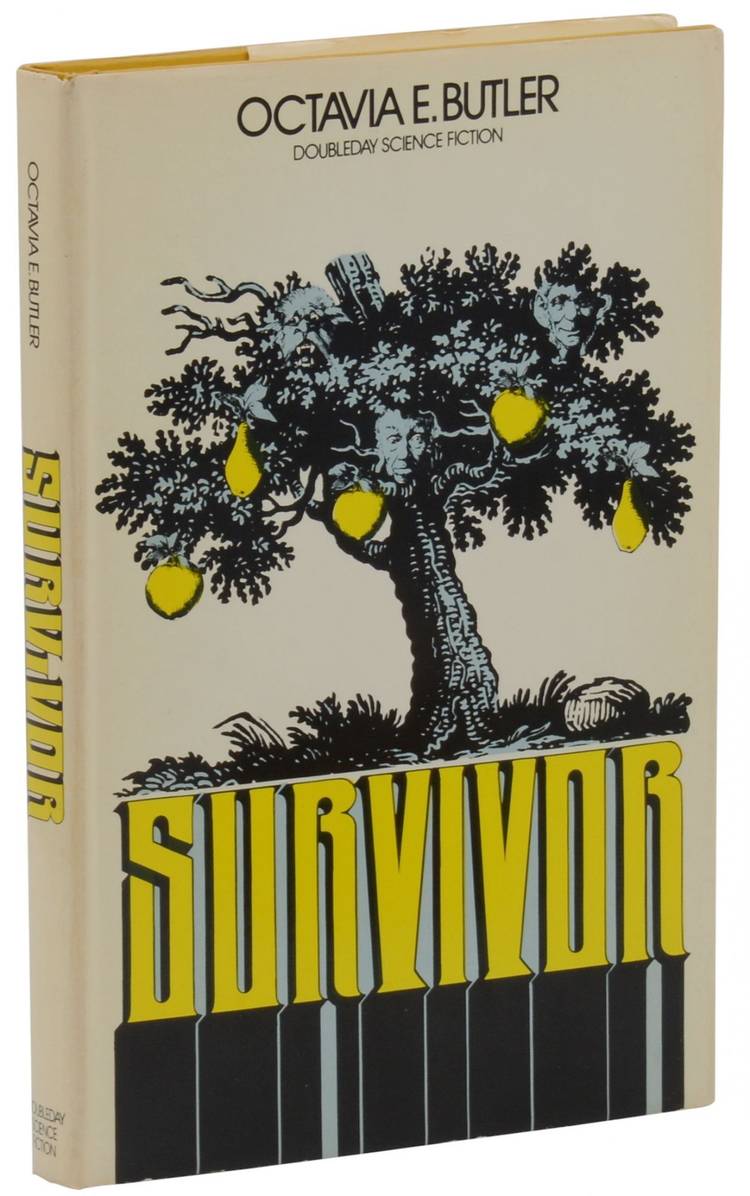
Image: Sidg. & J
Years ago, I was fortunate enough to stumble upon a used copy of Survivor for a mere three dollars; today, copies are highly sought-after collector’s items, often commanding exorbitant prices. My perspective has always been that Butler was unnecessarily harsh on the work. Beyond being a compelling read, it serves as a vital component of her literary evolution, and I’ve often suspected her disdain was rooted in personal or professional insecurities she chose not to fully articulate.
As the author of the masterpiece Kindred, Butler’s body of work remains a benchmark for exploring systemic power, identity, and the lingering traumas of history through a speculative lens. Whether through psionic connection, symbiosis, or metaphorical vampirism, her stories consistently scrutinized the nature of forced codependency and survival.
Survivor occupies a similar space. As part of her Patternist series, it depicts a universe governed by psionic hierarchy. The narrative follows Alanna, a human struggling to adapt to a new planet inhabited by the Kohn—a shape-shifting species embroiled in complex, often coercive political and interpersonal dynamics. The story is rife with themes of forced assimilation and survival at a heavy cost.
While Butler cited a sense of rushed writing as the primary reason for her rejection of the novel, I’ve long pondered if the book’s exploration of trans-species desire played a role. In 1978, the blurred boundaries and dubious consent depicted between Alanna and her alien counterpart carried a different weight than they do in today’s landscape of popular erotic fantasy, where such tropes have become common fixtures in successful series. If she were with us today, she might find that Survivor resonates far more harmoniously with contemporary genre trends than she ever anticipated.
Readers revisiting Survivor this fall shouldn’t expect a lost classic that eclipses her later triumphs. It isn’t her masterpiece, but to suggest it is entirely without merit would be a disservice. It remains a grim, thoughtful, and quintessentially Butlerian exploration of what happens to the human psyche when stripped of autonomy. Whether or not it *should* have been reprinted is a question for the ages; for now, I am simply eager to see the discourse it reawakens.
If you purchase a book through a Polygon link, Valnet Inc. may earn a commission. See our editorial ethics policy.
Source: Polygon
Related articles
 First Xbox Game Pass Games for November Revealed
 Former Sony Head Says He Ignored Leadership Orders to Benefit PlayStation
 Sony Patents System Allowing Viewers to Control Games During Streams
 EU Investigates Ubisoft and Activision Over Video Game Microtransactions
 Rumor: Switch 2 May Feature Replaceable Batteries Outside Europe
 Trump Administration Criticizes Xbox After Mass Layoffs and Tightens Rules for Foreigners
 Final Fantasy IX: Reclusion Announced as Non-Video Game Project
 Alfred Hitchcock’s Psycho Starts Streaming on Netflix