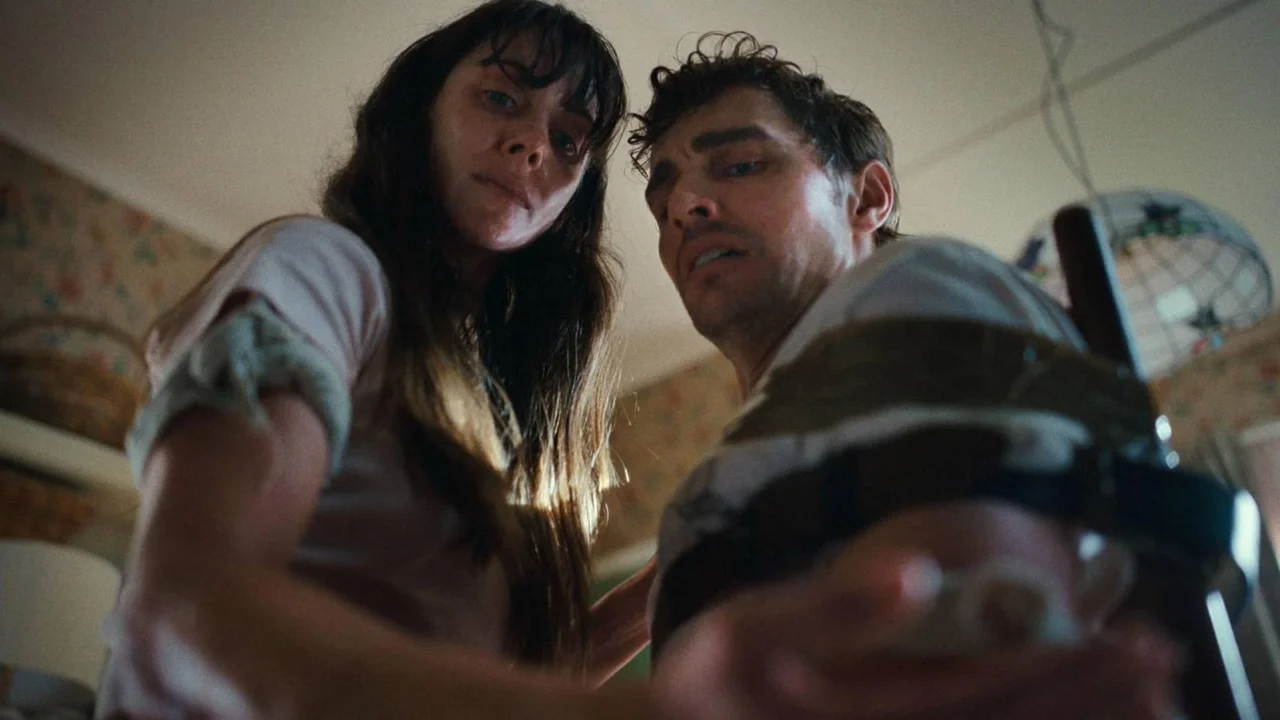
2025’s Most Disturbing Body Horror Movie Is Finally Streaming on Hulu

For horror aficionados navigating long-term commitment, here is a provocative cinematic litmus test: watch Together with your partner. Now available to stream on Hulu, this 2025 indie sensation masquerades as a visceral body-horror flick, yet its core is a harrowing meditation on the complexities of shared lives and the choices we make in the name of love.
Marking the directorial debut of Michael Shanks, Together features real-life spouses Dave Franco and Alison Brie as Tim and Millie, a couple weathering the tenth year of their relationship. Their off-screen history lends a nuanced authenticity to the performances, capturing the delicate friction between affection and frustration. As the film pivots from traditional scares to psychological scrutiny, it poses a haunting question: which is more terrifying—the supernatural intrusion or the suffocating nature of absolute codependency?
The narrative begins with a familiar catalyst: Millie and Tim relocate to the countryside for her career. However, Shanks quickly deviates from genre tropes, transforming a potential “fish-out-of-water” story into an unsettling examination of domesticity and anatomical terror.
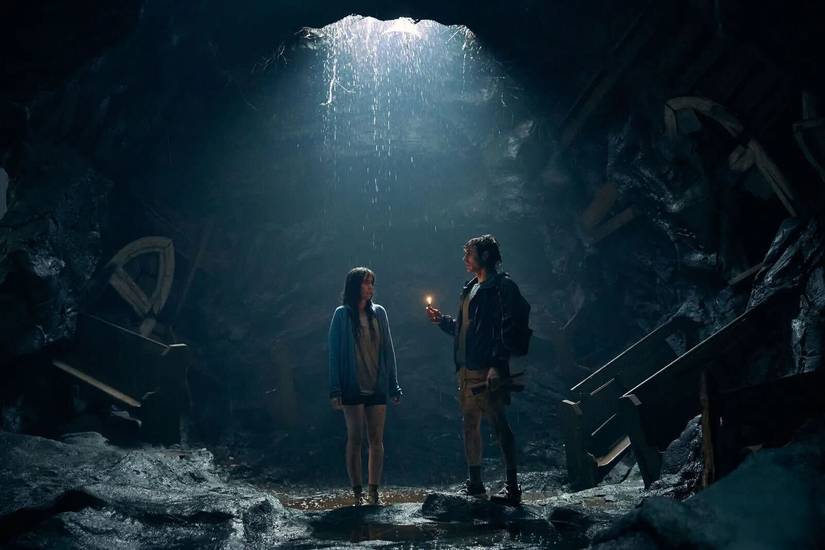
During a hike near their new residence, a sudden storm forces the pair into an subterranean cavern. Their eventual escape is not a relief, but the start of a transformation. A mysterious force begins to tether them together, manifesting a supernatural proximity that transcends emotional intimacy. The film excels as a slow-burn experience, skillfully balancing surreal nightmares and repulsive physical mutations with flashes of dark, organic humor. Shanks meticulously builds a pervasive atmosphere of existential dread that lingers long after the credits roll.
The strength of the film lies in the heavy lifting done by Brie and Franco. Millie’s character is defined by a fraying sense of self; she grapples with a lack of true connection and a burgeoning resentment toward Tim, whose stalled musical aspirations feel like an anchor. Conversely, Tim feels marooned in a rural landscape that lacks his urban support system, exacerbated by a practical reliance on Millie that threatens his autonomy. He fears the total erasure of his identity within the partnership.
Perhaps the most sophisticated choice Shanks makes is the refusal to designate a protagonist or antagonist. Millie and Tim are portrayed with empathetic realism, facing the mundane stagnation that often accompanies a decade of partnership. They are a couple that still finds room for laughter and comfort, yet they are haunted by the unspoken doubts that simmer beneath the surface of their devotion.
While the otherworldly elements in Together serve as metaphors for the anxieties of commitment, the symbolism never feels heavy-handed. The more grotesque sequences provide a perfect physical manifestation of their psychological state, creating a symbiotic relationship between the horror and the character study.
The film’s conclusion has proven to be a lightning rod for debate regarding its message on codependency. In a conversation with The Guardian, Franco noted the polarized reactions: “We have talked to single people who say this is a very strong argument for staying single, and then we talked to a couple who were in a fight all week and the film actually helped them make up.”
Ultimately, Together acts as a mirror for the viewer’s own romantic philosophy. Does the finale evoke a sense of profound unease or a glimmer of radical hope? Do you see a cautionary tale requiring an immediate breakup, or a testament to the lengths one will go for a partner? Regardless of your perspective, Together offers a compelling, unsettling experiment in modern storytelling.
Together is currently available for streaming on Hulu.
Source: Polygon
Related articles
 Hi-Fi Rush Developer Mocks DLSS 5
 Acer Announces Predator Atlas 7 Handheld PC with 7-Inch Display
 Xbox Clarifies Reason Behind Fable Protagonist Design
 Mana Ashida to Star as Maomao in Prime Video’s The Apothecary Diaries Series
 Witcher 3 Voice Actor Discusses Returning to Record for Expansion
 Xbox Announces Monthly Hour Limits To Cloud Gaming Are Coming In November
 Sekiro: Shadows Die Twice Creators Release Wolf and Genichiro Duel Trailer Before Premiere
 Rust’s New Force Wipe Update Brings Major Game Changes