
2025’s Biggest Anime Was Inspired by a 72-Year-Old Samurai Masterpiece

Demon Slayer: Kimetsu no Yaiba – Infinity Castle represents a monumental feat of creative dedication, requiring an immense level of technical skill from the team at Ufotable. Beyond its status as a global box office hit, the film serves as a masterclass in narrative tension. For Hikaru Kondo, lead writer and co-founder of Ufotable, the greatest challenge wasn’t just the animation—it was ensuring the story remained compelling. He eventually found the solution by studying the production history of Akira Kurosawa’s cinematic landmark, Seven Samurai.
The film’s narrative thrusts Tanjiro Kamado and the Demon Slayer Corps into a desperate siege within the Demon King Muzan Kibutsuji’s shifting, labyrinthine fortress. With the heroes separated across a surreal landscape, the story focuses on a series of visceral, high-stakes duels against the Upper Rank demons, testing each warrior’s resolve and the strength of their bonds.
Kondo understood that adapting this specific arc from the manga required careful curation to fit a cinematic runtime. He had to maintain the source material’s signature intensity while satisfying a highly observant and dedicated fanbase.

“We have Shinobu, Zenitsu, and the pair of Giyu and Tanjiro all fighting in three distinct locations simultaneously,” Kondo explained during a recent interview. “Managing that level of complexity while keeping the film engaging is an incredibly difficult balance to strike.”
Kondo worried that the constant combat would cause Infinity Castle to devolve into a repetitive series of action beats without a cohesive soul. He found clarity in the creative struggles of screenwriter Shinobu Hashimoto and director Akira Kurosawa during the development of their 1954 masterpiece.
“Before Seven Samurai became the film we know, Hashimoto and Kurosawa attempted to write a project about eight different samurai on individual journeys,” Kondo noted. “They finished the entire screenplay but realized it wasn’t a true movie—it was just a collection of action sequences. They chose to scrap it, and that decision eventually led to Seven Samurai.”
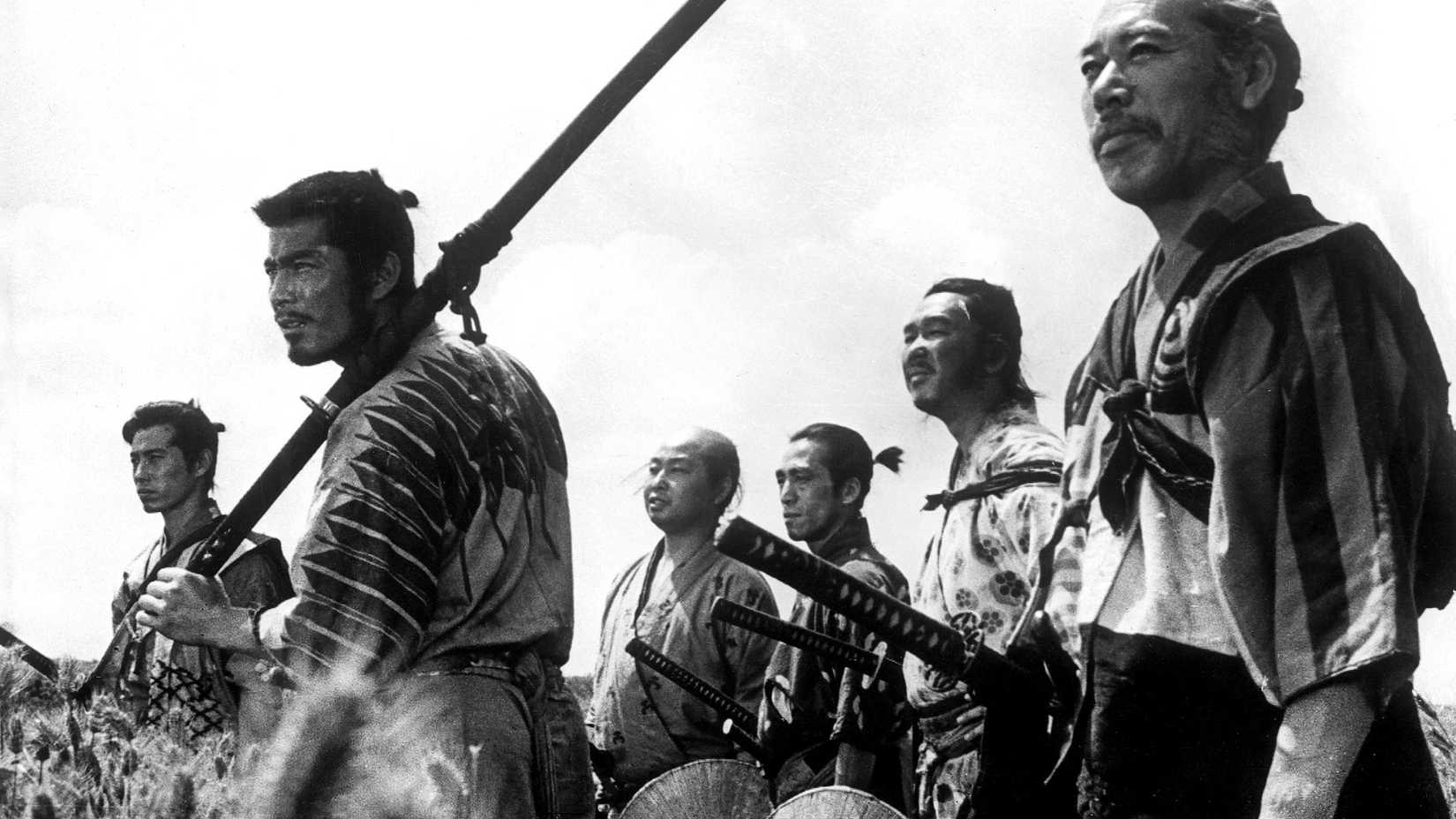
Kurosawa initially envisioned Seven Samurai as a “day in the life” story, but abandoned it due to a lack of historical detail. He then proposed a film built around five distinct historical battles. However, Hashimoto rejected this as well, fearing a movie that was essentially a “series of climaxes” would feel hollow and exhausting for the audience.
The breakthrough for Kurosawa came from historical accounts of samurai protecting farming villages for food and shelter. This gave the action a central purpose. Kondo applied this logic to his own work on the Infinity Castle script and storyboards.
“While developing the screenplay, I kept that anecdote in mind and realized exactly the trap they were trying to avoid,” Kondo says. “Seeing the incredible worldwide reception and how fans have embraced the film, I feel a profound sense of relief.”
Source: Polygon
Related articles
 Boxed Games Become a Problem for Collectors as Issues Reach PS5
 Gears of War: E-Day Reportedly Planned as Start of a New Trilogy, Rumors Say
 Shenmue III Enhanced Edition Delayed to Improve Graphics and Add New Features
 Ridley Scott Finds Screenwriter for New Film That May Continue the Prometheus and Alien: Covenant Story
 Zendaya to Be Promoted for Best Lead Actress Oscar for Third Dune Film
 Crimson Desert Charting the Unknown Expansion Will Add Sea Monsters and Ship Boarding, Details Revealed
 Ticket Presales Suggest Dune: Part Three Will Lose Heavily to Avengers: Doomsday at the Box Office
 DC Horror Film Clayface Earns Unusually High CinemaScore