
Work in Motion
A Message from the Chief Officer
Greetings, mayors! It’s been some time since our last update, so we’re delighted to share our current progress. Today’s preview covers in-development content for Bridges & Ports as well as enhancements to the core game, complete with screenshots.
Before diving in, we know many of you are eagerly awaiting news on the console release and the Asset Editor. While we have no firm announcements yet, both remain top priorities, and we’ll update you as soon as we have definitive details.
This dev diary spotlights features, optimizations, and bug fixes underway. Let’s delve into the details!
Process Makes Perfect
We’ve been refining the resource system extensively. Patch 1.3.3f1, aptly named Quays & Piers, introduced numerous cargo transport fixes and a revamped UI for storage facilities. With these improvements settled, we’re now reimagining the production chains, beginning with a comprehensive overhaul of the Production tab.
The Production tab in the Economy panel currently displays all raw materials and products, indicating their production, surplus, or deficit levels, as well as their input-output relationships. Below is the existing layout:
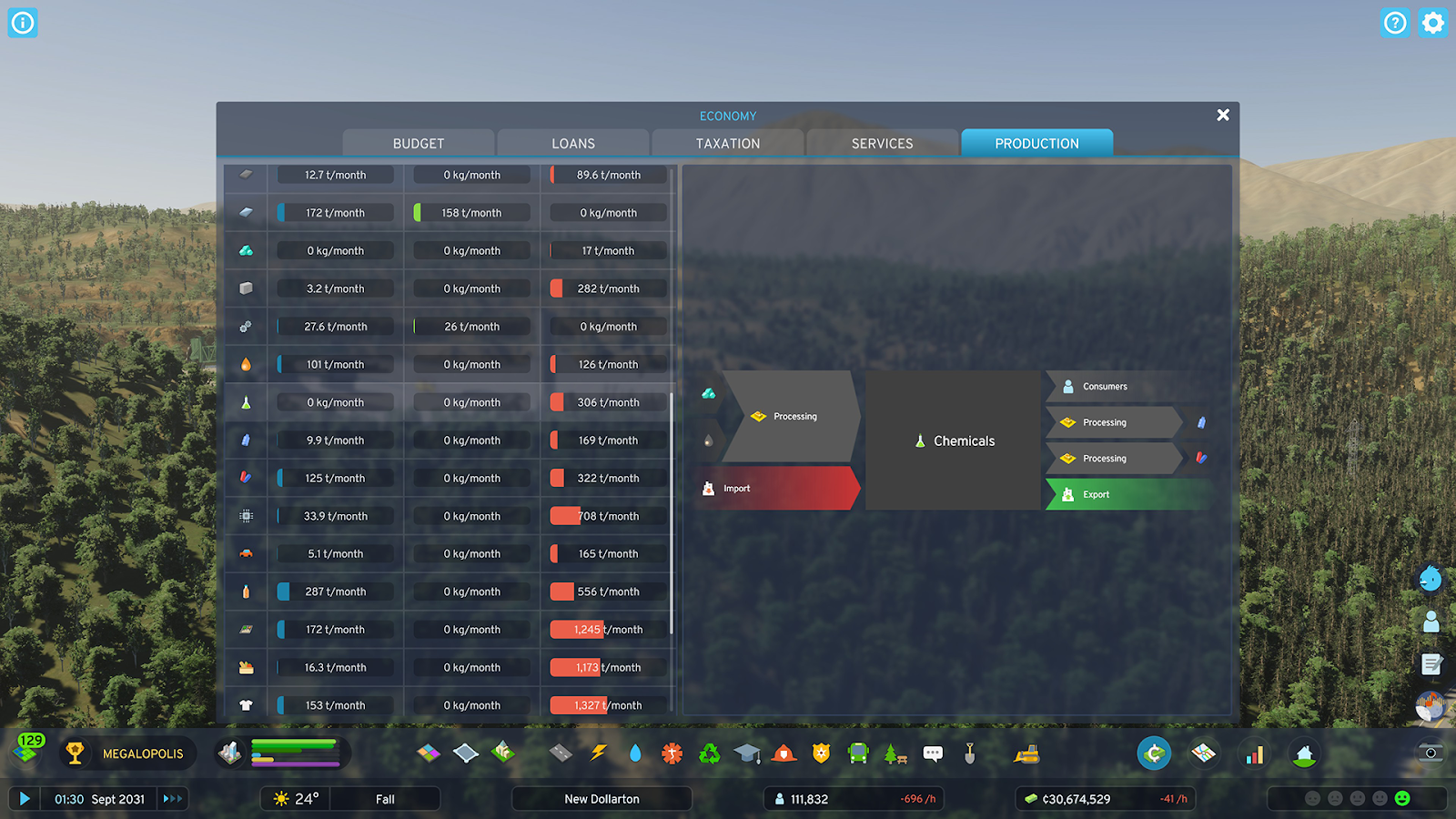
On the left, each resource is listed with three bars showing production (blue), surplus (green), and deficit (red). Selecting a resource reveals its production chain on the right, detailing ingredient inputs and potential outputs.
Our goal is to present this data more transparently and facilitate direct comparisons between different production chains. To achieve this, we’re implementing a Sankey diagram to illustrate resource flows visually. The updated left panel remains a resource list but is more compact and now includes consumption (orange) alongside production, surplus, and deficit.
For example, the city might produce 852 tons of chemicals. In the Sankey diagram below, you can see 49.8 tons flow into plastics manufacturing, 71.2 tons into pharmaceuticals, and the remaining 731 tons are stored or exported via Outside Connections.
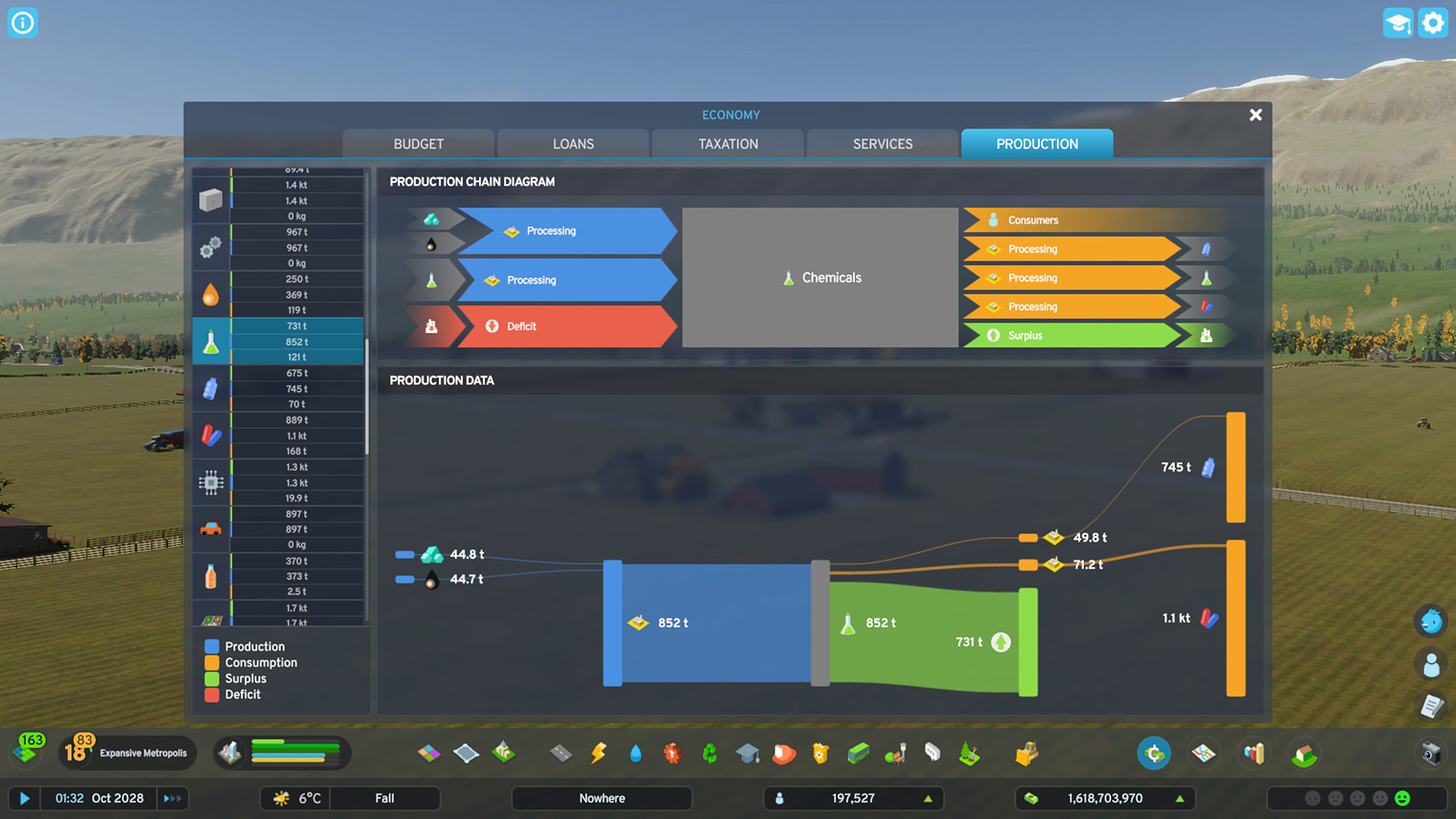
The core functionality is in place, though text scaling and resolution adjustments are still in progress, and some numbers in this preview may not sum accurately.
A Balancing Act
The revamped Production tab has highlighted existing imbalances in our resource chains. Currently, output exceeds input due to prior bugs that suppressed production and consumption values. Now that those issues are resolved, we’re rebalancing all 36 resources—10 raw materials, 18 goods, and 8 services—to ensure a sustainable citywide economy.
One tangible effect of these imbalances is the tendency for office buildings to downsize to the minimum workforce of five employees. Downsizing activates when demand for office-generated services, such as Finance or Telecom, is insufficient. To address this, we’re adjusting production and consumption rates so office districts can maintain a workforce that reflects their density.
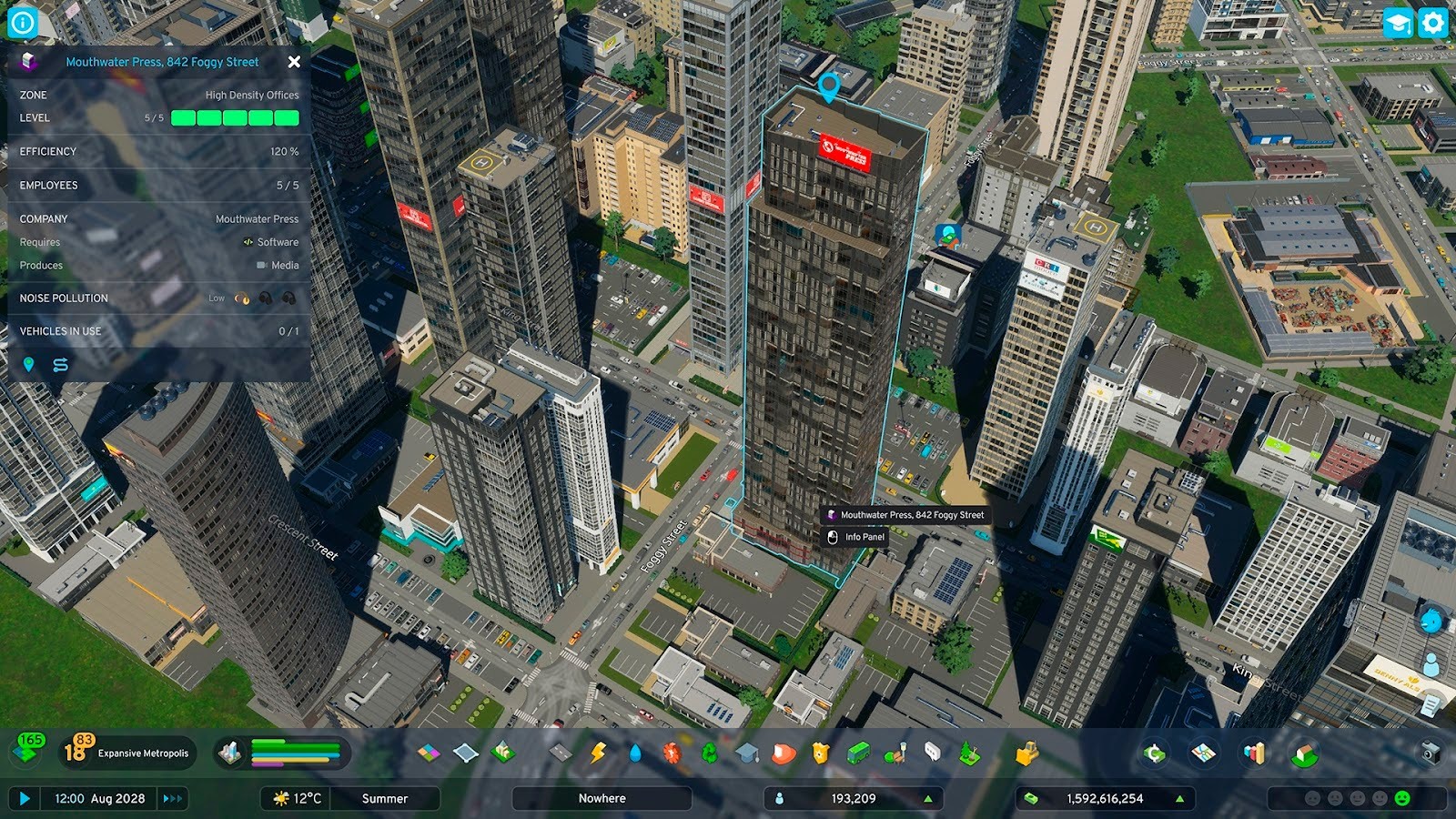
Though there’s no instant patch for offices, these rebalances will foster healthier industries and integrate them more seamlessly into your city’s economy.
Is That Building… Abandoned?
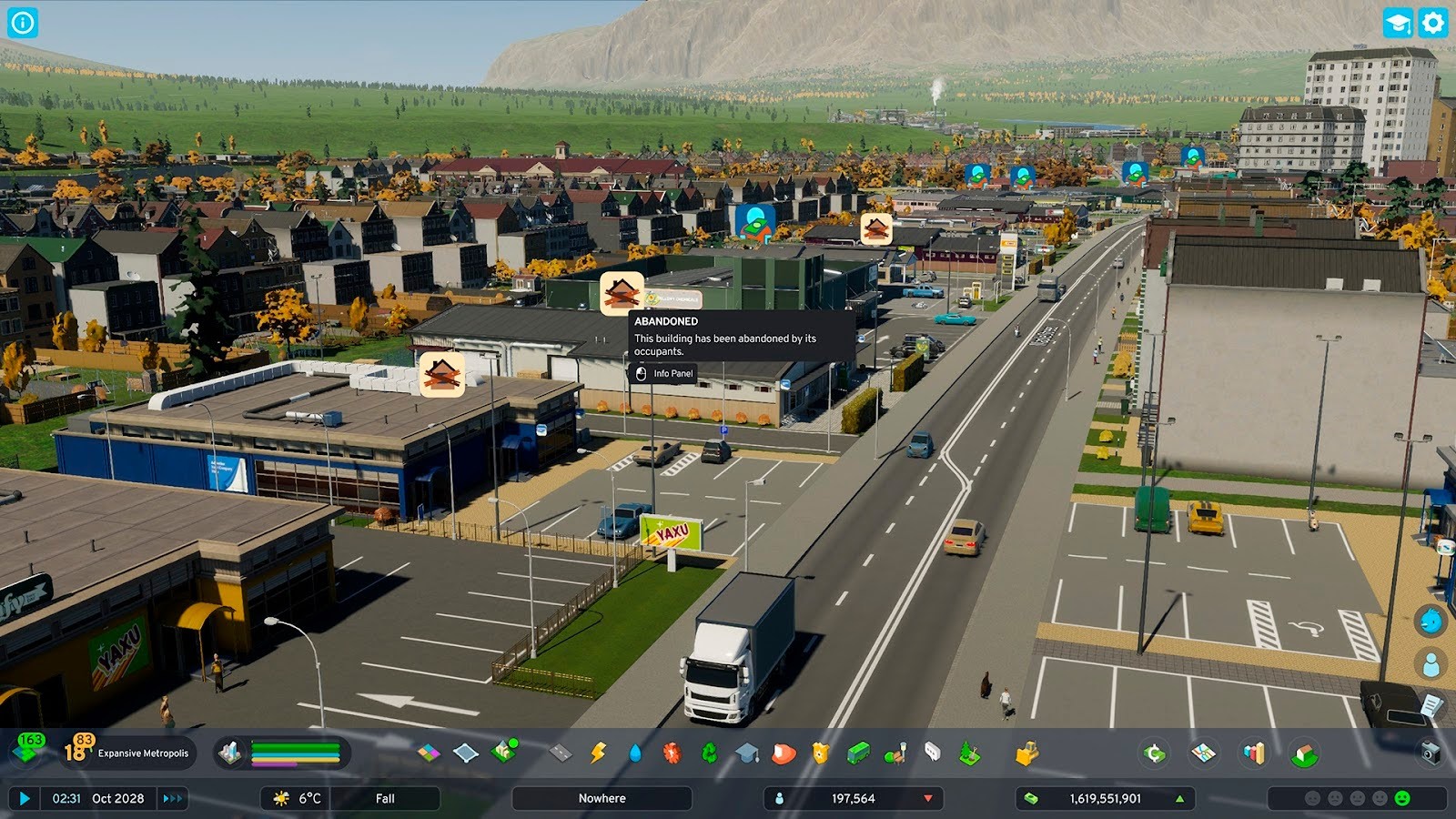
Recently, a bug prevented buildings from correctly registering abandonment, so we temporarily disabled that feature to avoid unexpected collapses. This interim fix allowed cities to function while we engineered a proper solution, which is now in testing.
Much like plopped buildings, zoned structures incur an upkeep cost on top of rent. When rent and upkeep are paid, a building’s condition improves, leading to upgrades. Conversely, if upkeep cannot be met, the structure’s condition declines until abandonment thresholds are reached.
Once abandoned, buildings may attract homeless occupants, increasing local noise and crime risk, and if neglected, they can collapse. Both abandoned and collapsed buildings negatively affect nearby well-being and contribute to crime hotspots.
We Ferry On
Meanwhile, our mapping team is enhancing water simulation on all maps. An upcoming update will ensure rivers and lakes extend and refill accurately beyond playable boundaries. This change will apply only to new cities, preserving existing saves from unintended flooding. Additionally, we’re polishing maps with new bridges, adjusted terrain, and resource tweaks.
Lastly, we haven’t forgotten Bridges & Ports. The expansion’s delay grants us extra time to refine existing features and broaden the scope to encompass additional maritime structures. While we can’t unveil everything yet, here’s a sneak peek at the current whitebox assets being tested for inclusion.
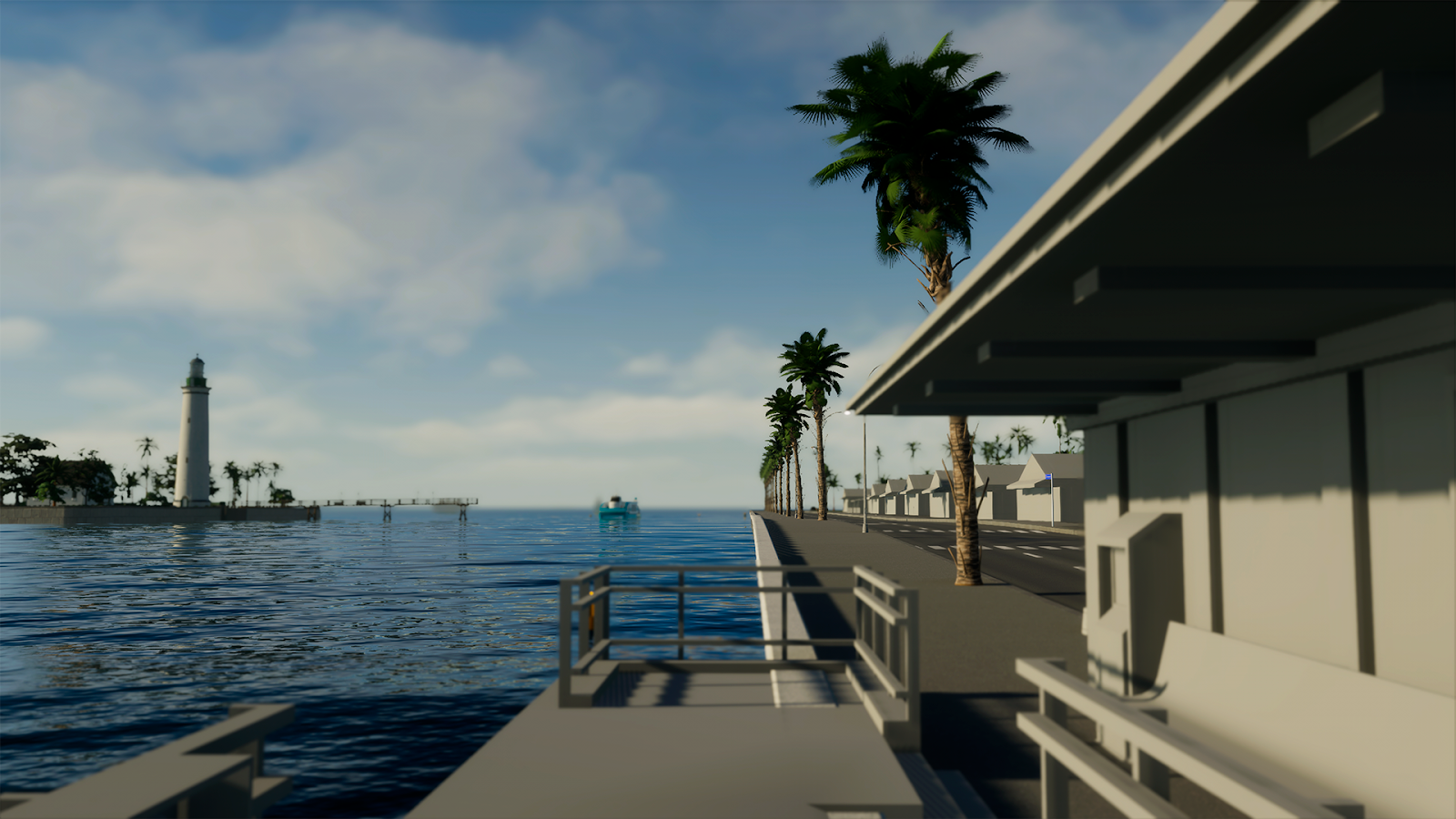
We hope you enjoyed this in-depth overview. Though we don’t have release dates to announce, we’re eager to share these enhancements and hear your feedback. Which feature are you most excited about? Let us know!
 Patch 1.6.2f1 – Autumn Breeze
 Official Q&A Thread | 2026
 City Corner #12: Collected Questions
 City Corner No. 11: Autumn Breeze
 City Corner #10 – Expanding the Modding Tools
 City Corner #9 – Happy Six-Month Anniversary!
 Patch 1.6.0f1 – Summer Solstice
 City Corner #8 – Reshaping the Landscape