Table of Contents
For those who grew up enchanted by the Rankin/Bass-produced ThunderCats during the 1980s, there was often a lingering sense that the show’s vibrant, sprawling cosmos deserved a deeper exploration. While the animation quality far surpassed many of its contemporaries and the character designs were iconic, the series remained a prime example of “technomagic” fantasy—a genre where the sheer scale of the setting frequently overshadowed the episodic narratives it contained.
The desire to fully realize the untapped potential of ThunderCats—with its ancient, decaying civilizations, the friction between advanced science and the supernatural, and its legion of feline warriors—has driven creators for decades. This creative hunger sparked the 2011 animated reboot and the current Dynamite comic book run. Most recently, it fueled a massive response to Lynnvander Studios’ Kickstarter for a ThunderCats tabletop RPG. The project achieved full funding within a staggering sixty seconds and is now entering its final days, with the campaign set to conclude on January 16.
We spoke with Tommy Gofton, founder of Lynnvander Studios and the lead designer behind ThunderCats: The Roleplaying Game, to discuss the overwhelming fan reception, the future of the line, and the nuances of translating Third Earth into the Dungeons & Dragons 5e framework.
Building a Cohesive ThunderCats Multiverse

“Many 1980s cartoons leaned surprisingly heavy into themes that resonate more with adults than children,” Gofton explained. “When Dynamite presented us with the ThunderCats license, I reflected on what the show meant to me as a kid and realized I still had a profound affection for the world-building. It felt like the perfect opportunity to revisit my childhood passions through an adult lens. It has been a rewarding experience.”
A primary driver for the project was the challenge of adapting a “fantasy-punk” aesthetic into D&D mechanics. Having previously developed the D&D-compatible World of Imaria, Gofton felt prepared to tackle the intersection of the arcane and the technological—a world where starships and laser rifles coexist with ancient spirits and enchanted blades. Furthermore, the RPG offered a chance to synthesize the disparate parts of the franchise.
“The comics expanded the lore significantly, but not every fan follows every medium,” he noted. “Whether you are a TV enthusiast, a gamer, or a comic reader, the license has historically been fragmented across different platforms. We wanted to provide a ‘unifying voice’—a comprehensive guide that stitches together the cartoons, comics, and extended lore into a singular, definitive universe.”
Player Agency and Historical Eras

The core rulebook for ThunderCats: The Roleplaying Game details five distinct eras of play. “Exodus” serves as the starting point, echoing the pilot episode where refugees from Thundera land on the unforgiving Third Earth. Conversely, the “ThunderGuard” era explores the aftermath of the original series, featuring a restored Thundera and villains who have transitioned from overt threats to shadows lurking in the periphery.
“Every fan has a specific era they resonate with,” said Gofton. “It didn’t feel right to force a single timeline. We needed to ensure the rules were flexible enough to accommodate different tastes. While the book primarily focuses on the post-Thundera period, we’ve included enough historical flavor to allow groups to play whenever they choose.”
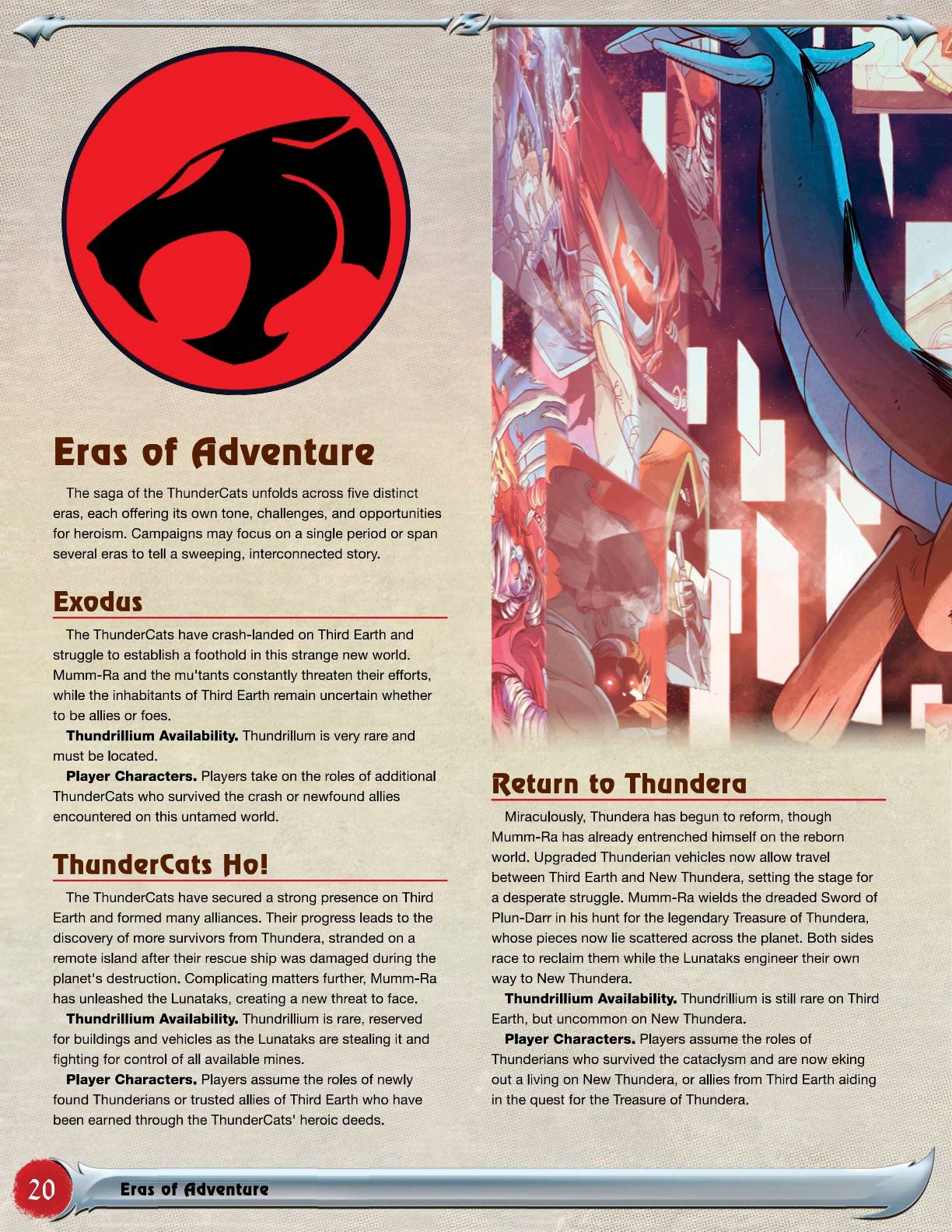
Image: Lynnvander Studios/Dynamite
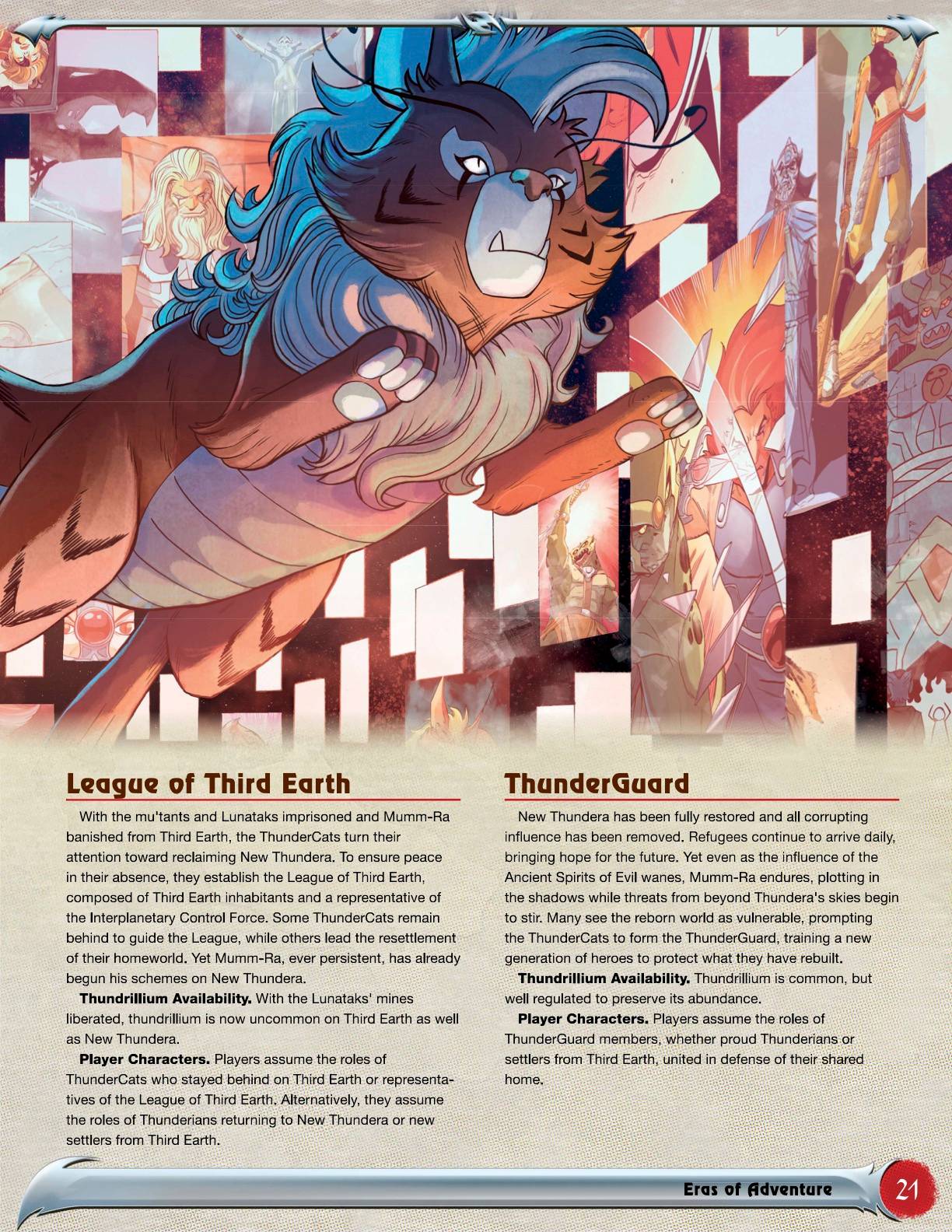
Image: Lynnvander Studios/Dynamite
While the game assumes many players will want to be Thunderians—ranging from common citizens to the elite ThunderCats warrior class—the system is designed for diversity. “If it’s part of the lore, it’s in the book,” Gofton emphasized. “You can play as Tuskas, Monkians, Jackalmen, or even the robotic Berbils. We even made Snarfs a viable option. Mechanically, we haven’t left anything behind.”
Merging Thundera with D20 Mechanics
Image: Lynnvander Studios/Dynamite
The decision to utilize the D&D ruleset was a blend of personal passion and strategic pragmatism. Gofton noted that while niche systems offer unique benefits, D&D remains the industry standard with the lowest barrier to entry for casual fans and newcomers. “D&D has successfully moved away from overly ‘crunchy’ rules, making it accessible to a massive audience. It’s the primary language of tabletop gaming today.”
One of the project’s major goals was modularity. Players can run a dedicated ThunderCats campaign or seamlessly transplant characters into existing D&D settings. “You could take a ThunderCat into the Forgotten Realms or drop a Mu’tant into the horror of Ravenloft,” Gofton said. “The integration is effortless.”
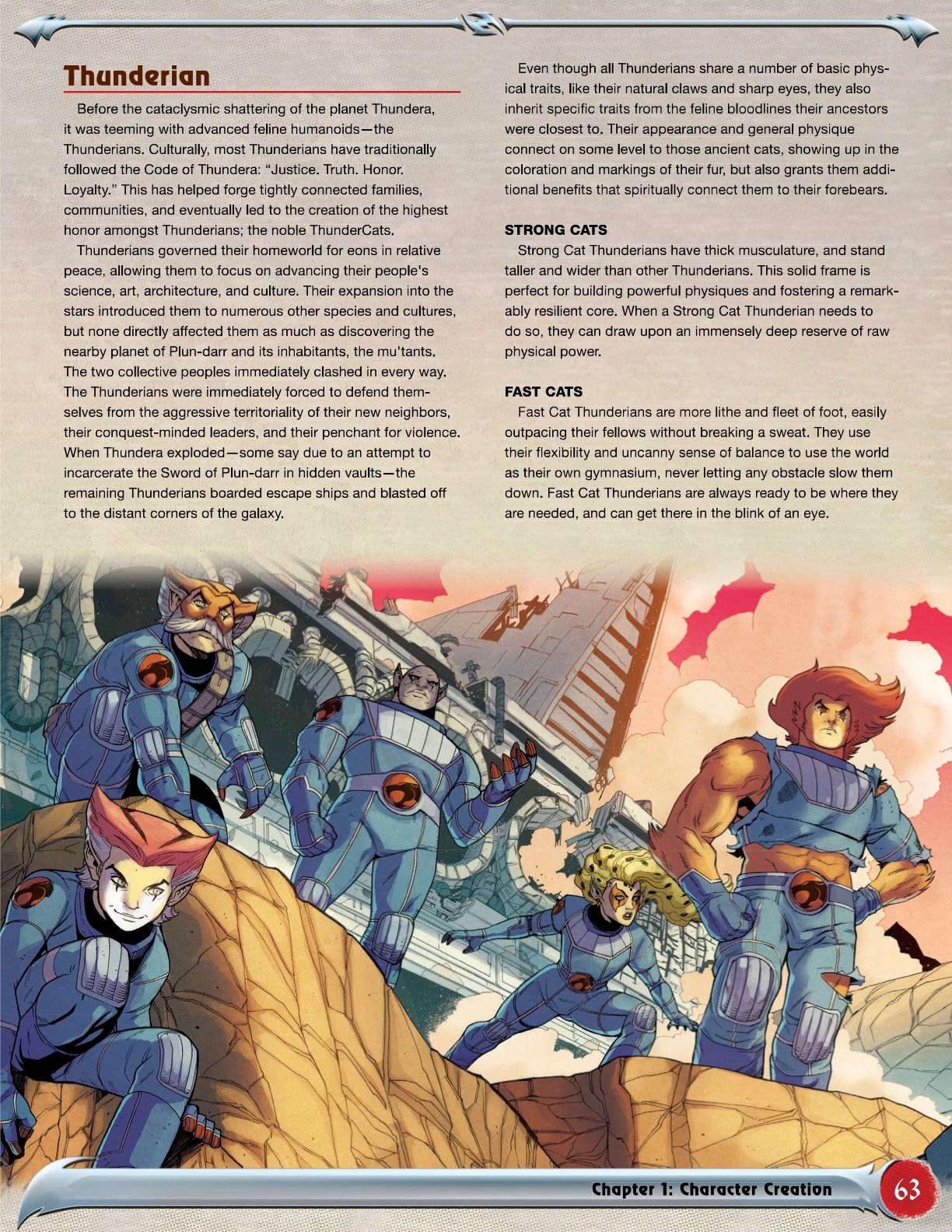
Image: Lynnvander Studios/Dynamite
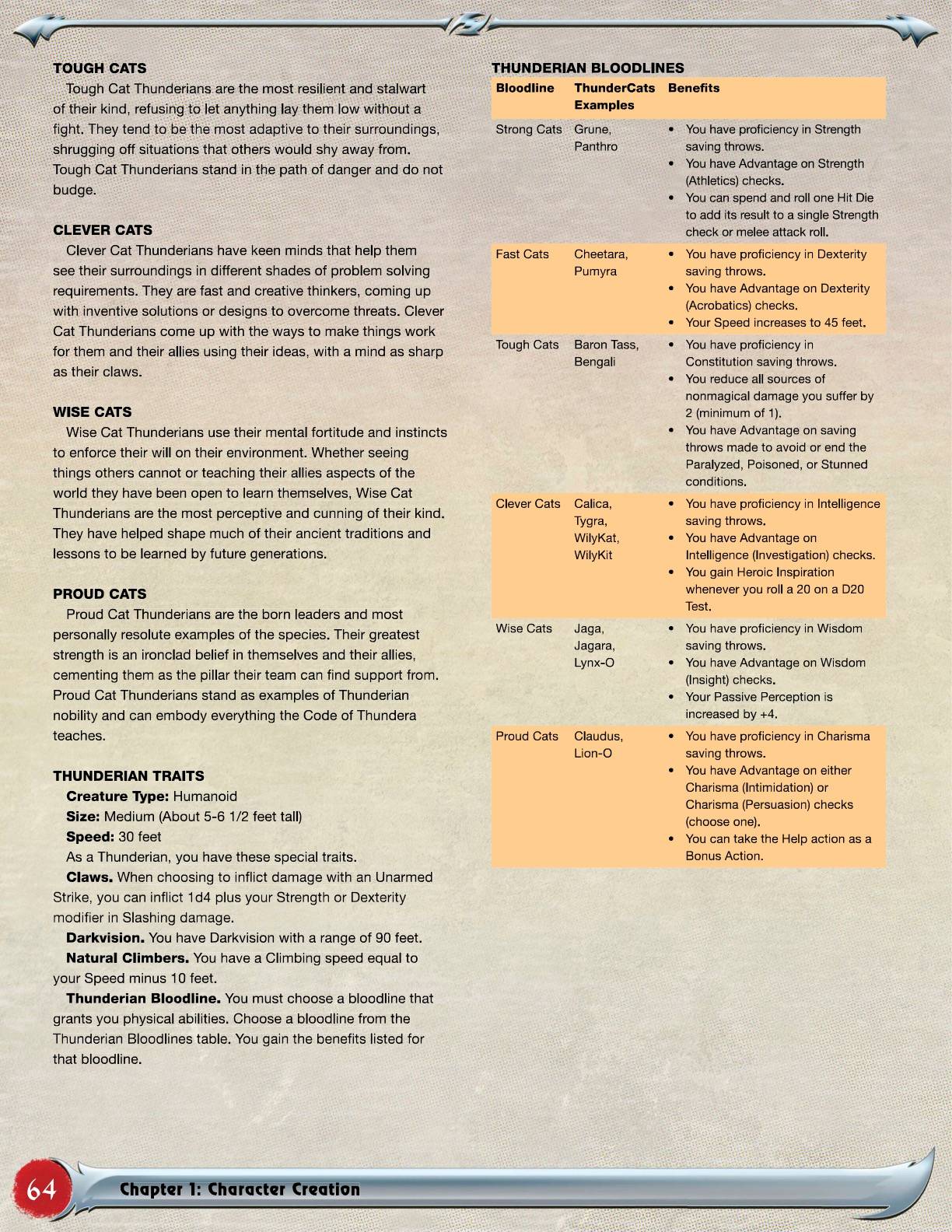
Image: Lynnvander Studios/Dynamite
The primary hurdle during development wasn’t the mechanics, but the rigorous production timeline necessitated by licensing requirements. Because they couldn’t commission entirely new artwork in time, the team utilized Dynamite’s extensive library of comic art. This proved to be an advantage, providing a high-quality visual identity, though it required tough choices regarding more obscure characters who lacked existing illustrations.
Synthesis was another challenge. Gofton noted that various spin-offs often contradict one another regarding world logic or character fates. The RPG team acted as editors, selecting the most compelling elements to create a logical, syncretic canon for players to inhabit.
Harvesting Lore from Obscure Dialogue
Image: Lynnvander Studios/Dynamite
Hardcore fans will find deep cuts in the lore, such as details on the Thunderian pantheon. Gofton revealed that many of these elements were extracted from “pass-by lines”—throwaway dialogue in the original show intended to suggest a larger world.
“It’s similar to how George R.R. Martin hints at distant kingdoms,” Gofton explained. “In the original show, someone might mention ‘Mongor, the God of Fear’ once and never bring it up again. We meticulously combed through the episodes to find those one-liners. We took those fleeting mentions of deities and astral planes and gave them a concrete purpose within the game’s narrative.”
The Path Forward for the Franchise
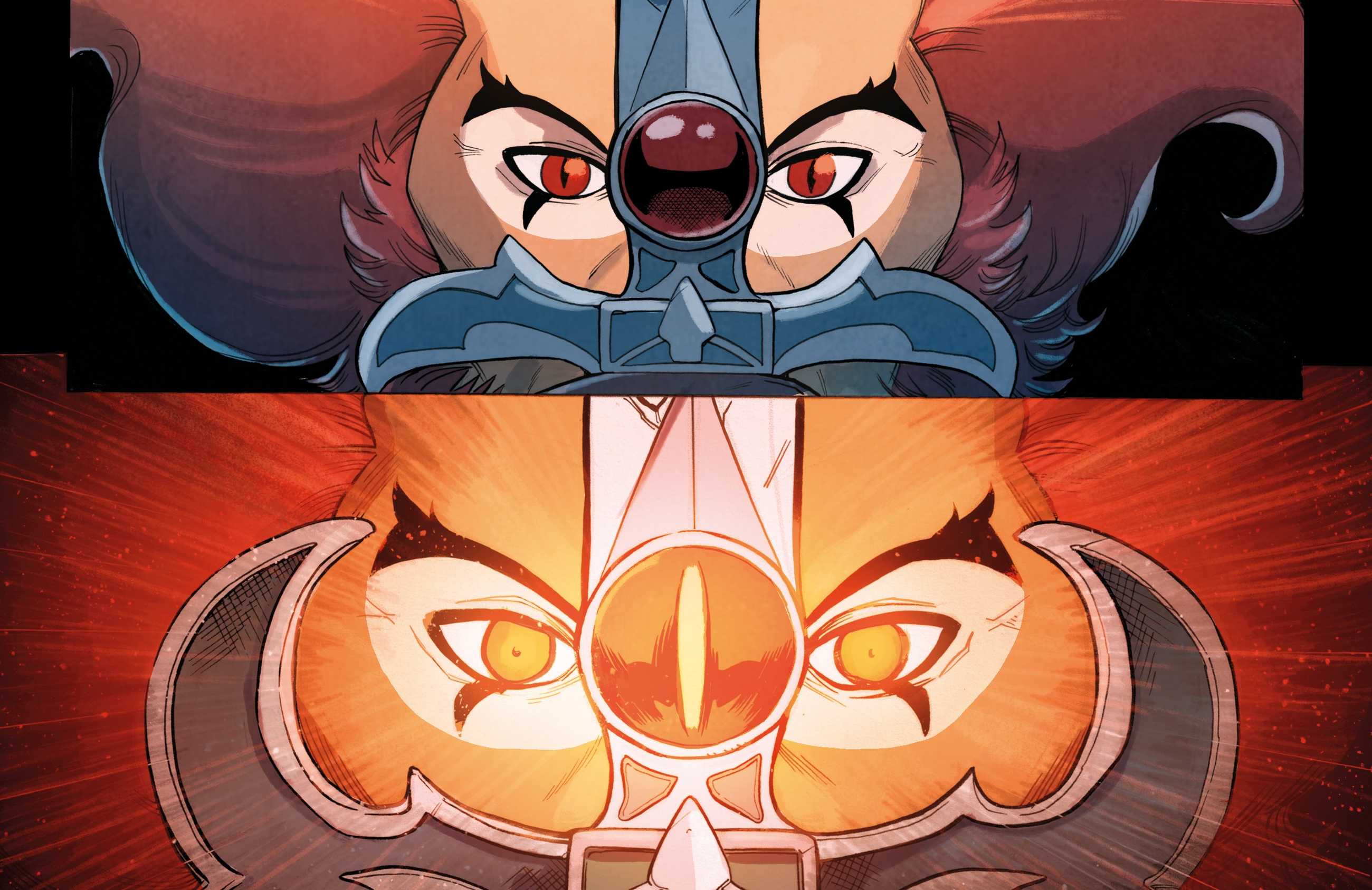
Image: Lynnvander Studios/Dynamite
Gofton intends to expand the ThunderCats TTRPG library as extensively as licensing permits. This could potentially include adapting the core rules to systems other than D&D. He is already outlining a module book and hopes to release further adventure collections that build upon the setting’s history.
“The trajectory of this line depends on the success of the initial launch,” Gofton concluded. “Given the response so far, the future looks bright. I’d love the chance to develop brand-new story content in tandem with the rights-holders. That is definitely on the agenda.”
The Kickstarter campaign concludes on Friday, Jan. 16, at 6 p.m. EST.
Source: Polygon