
Why Every “Useless” Mewgenics Ability Is Secretly Overpowered
If you have been diving into the intricate feline-breeding roguelike Mewgenics, you have likely stumbled upon an ability that feels like a developer’s prank: Waste Time. If you took a gamble on it, hoping it would evolve into a powerhouse spell, you probably walked away disappointed and confused. However, what if the most redundant-sounding skill in the game is actually a cornerstone of high-level play? In the bizarre ecosystem of Mewgenics, Waste Time is frequently a top-tier power-up.
At first glance, the skill is exactly what it claims to be. For the cost of one mana, you “do nothing.” Even its upgraded variant—which offers a stacking charge for your subsequent turn—seems remarkably underwhelming when compared to the flashy offensive spells available. Why would any player occupy a precious ability slot with something so intentionally futile?
The brilliance of Waste Time is entirely dependent on your class composition and passive synergies. It serves as a surgical tool for mana manipulation. Many of the game’s most potent numerical passives only trigger if your turn ends with a specific, exact amount of mana remaining. Because Waste Time costs a single point, it allows you to burn through your resources with perfect precision to hit those specific thresholds.
Synergizing with the Arcane
The utility extends far beyond mere resource management. For Mages, Waste Time acts as a “free” trigger for scaling effects. Consider Crescendo, which boosts its damage and range while lowering its cost for every spell cast in a single turn. Similarly, Resonance grants a damage buff with every cast. In these builds, “wasting” a turn is actually a way to prime a nuclear-level strike.
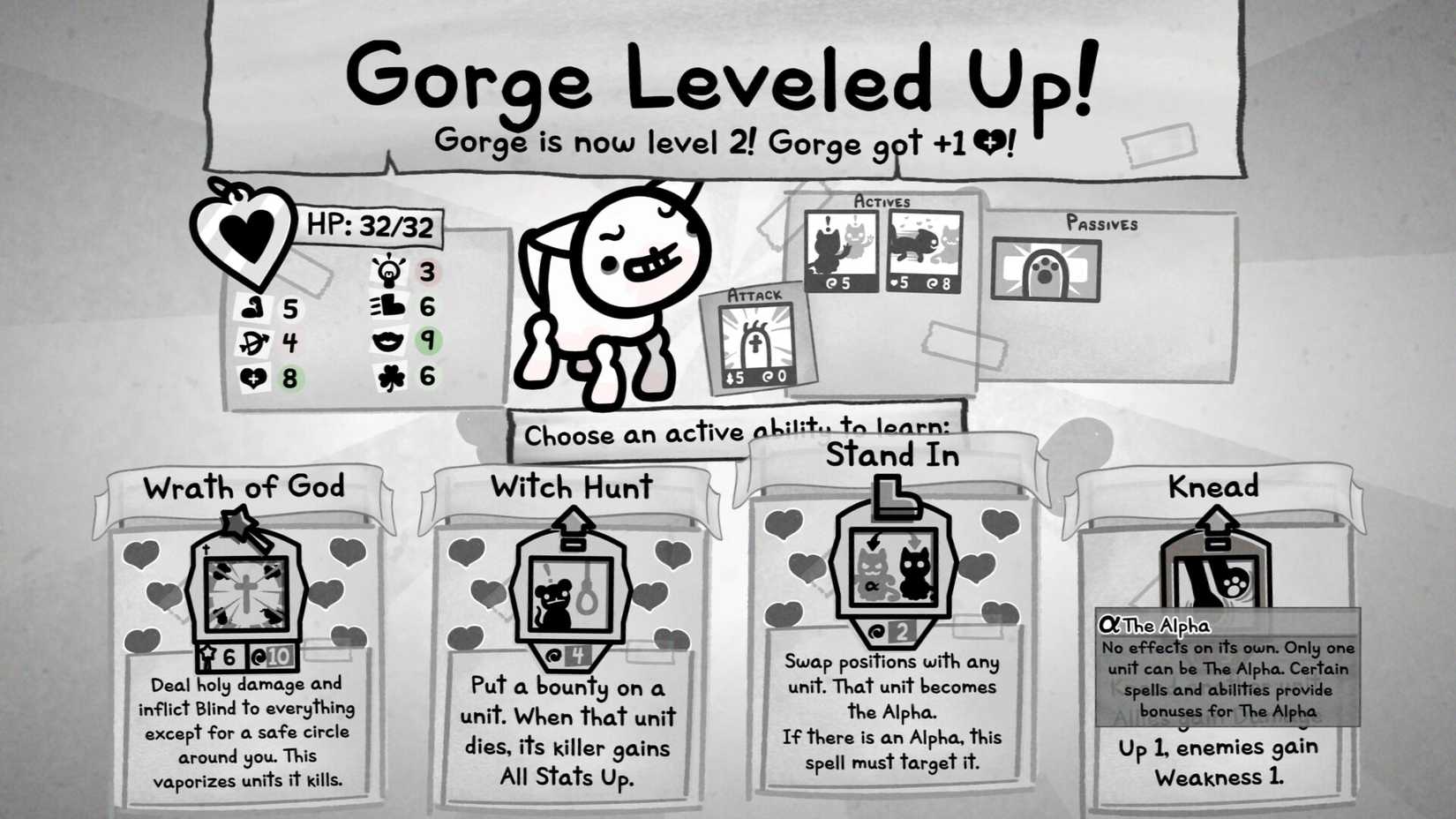
This tactical value isn’t exclusive to spellcasters. Various classes feature mechanics that scale based on action volume or mana expenditure. The Psychic class, for instance, utilizes Mental Storm to generate extra mana charges based on the quantity of spells cast. Even the Monk—a class built on physical prowess—can use Waste Time to inflate their action count, ironically increasing the damage of moves that scale with turn activity.
Breaking the Game with Inaction
We also have to consider the Necromancer’s Mana Leech passive, which spawns a bloodsucker for every three spells cast. Then there is the passive that doubles health regeneration if you finish a turn with an empty mana pool. The potential for creative problem-solving is massive. You can use Waste Time to bait enemies into exhausting their counter-spells or trigger powerful items like the Two of Spades, which duplicates any spell costing one or two mana.
When the right equipment meets a specific suite of powers, an “useless” ability becomes the catalyst for a monstrous combo. Dedicated players have already discovered ways to use Waste Time to facilitate hits dealing hundreds of damage points by stacking Sparkle and damage modifiers. Given that Mewgenics is still in its infancy, these discoveries are likely just the tip of the iceberg.
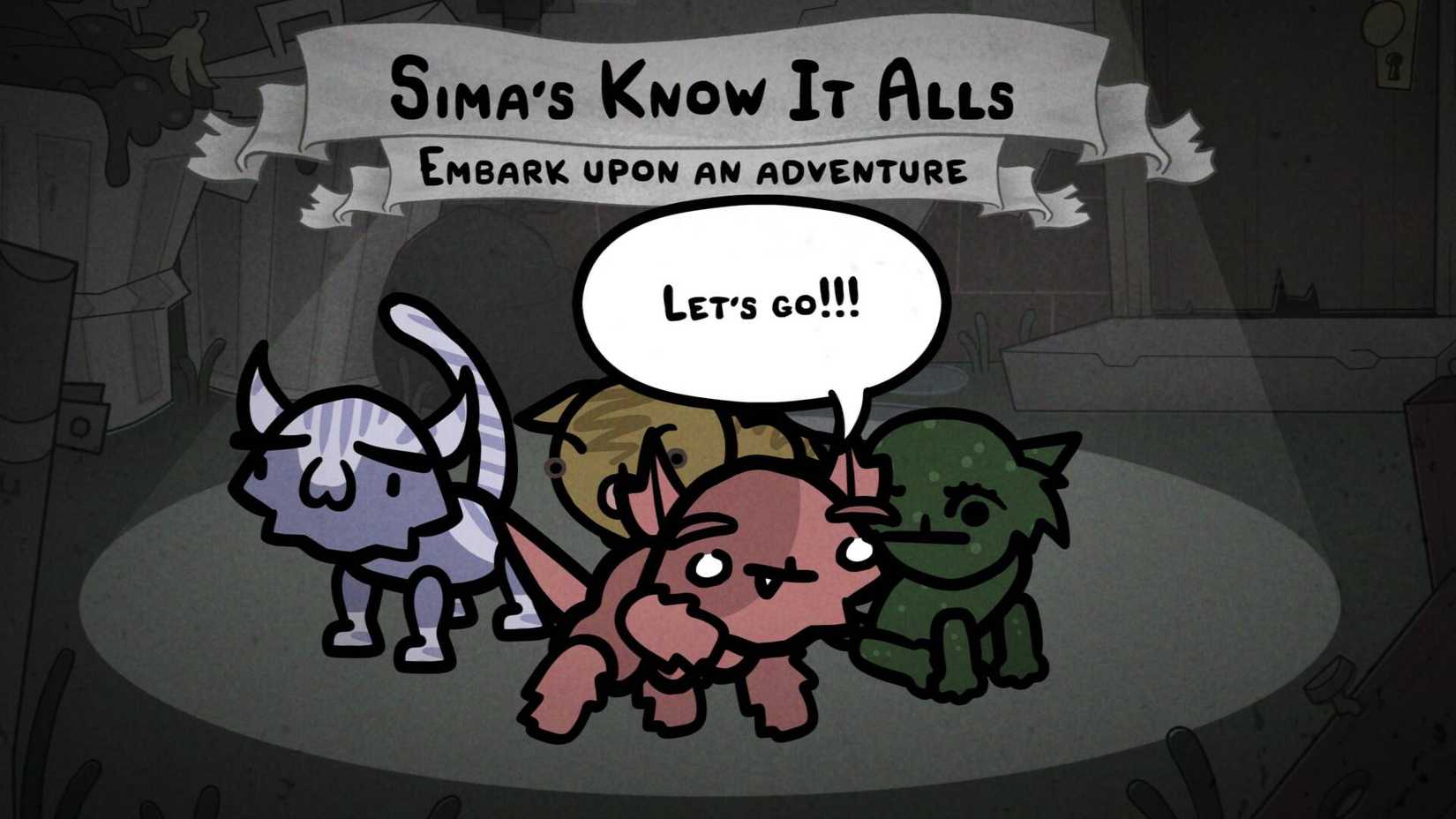
Waste Time is not an outlier; it represents a core design philosophy. Often, the more counter-intuitive an ability sounds, the more potential it has to break the game. Whether it is a passive that reduces your intelligence to zero or abilities that require you to sacrifice your own cats, Mewgenics rewards players who can find utility in the unconventional. (There is a reason the Necromancer remains a fan favorite.)
So, the next time you are tempted to dismiss a cat because of its “trash” abilities, stop and look at the bigger picture. Review your inventory and your team’s passive traits. With a bit of strategic foresight and a dash of luck, that “useless” spell might just be the most powerful weapon in your arsenal.
Source: Polygon
Related articles
 RTX 4070 Runs Bloodborne in PS4 Emulator, and Fans Show Sony What Players Want
 Enthusiast Ports GTA IV to PS5, With Part of the Work Done by AI
 The Video Games and More You Should Play This Weekend – October 23, 2026
 Resonance: A Plague Tale Legacy Fell Short of Publisher’s Expectations
 Sony Pulls Its Last UHD Blu-ray Player From Sale in Japan
 Players Launch Petition Hoping to Save Mass Effect 5
 Assassin’s Creed Black Flag Resynced Developers Confirm New Mode
 Best Visions to Use in Final Fantasy Resonance