
Welcome to Derry Upends a Frustrating Horror Trope

There’s a grim echo in Derry: beneath its ordinary surface, a cycle of violence and prejudice opens the door for something far older and more sinister. That tension anchors IT: Welcome to Derry, a prequel that revisits the town’s horrors while adding new angles to the familiar mythology.
Welcome to Derry is set in 1962 and follows Charlotte and Leroy Hanlon (Taylour Paige and Jovan Adepo), who relocate to Derry, Maine with their son Will (Blake Cameron James). Almost immediately after their arrival, a local boy is seized by Pennywise, the franchise’s eldritch clown, and vanishes—igniting another round of deaths that haunt the town.
Though the premise will feel recognizable to longtime fans, this adaptation distinguishes itself by showing events through both adult and child perspectives at once. The children remain uniquely vulnerable to Pennywise’s manipulations, but the adults confront parallel terrors: institutional racism, small-town hostility, and the creeping supernatural menace all collide.
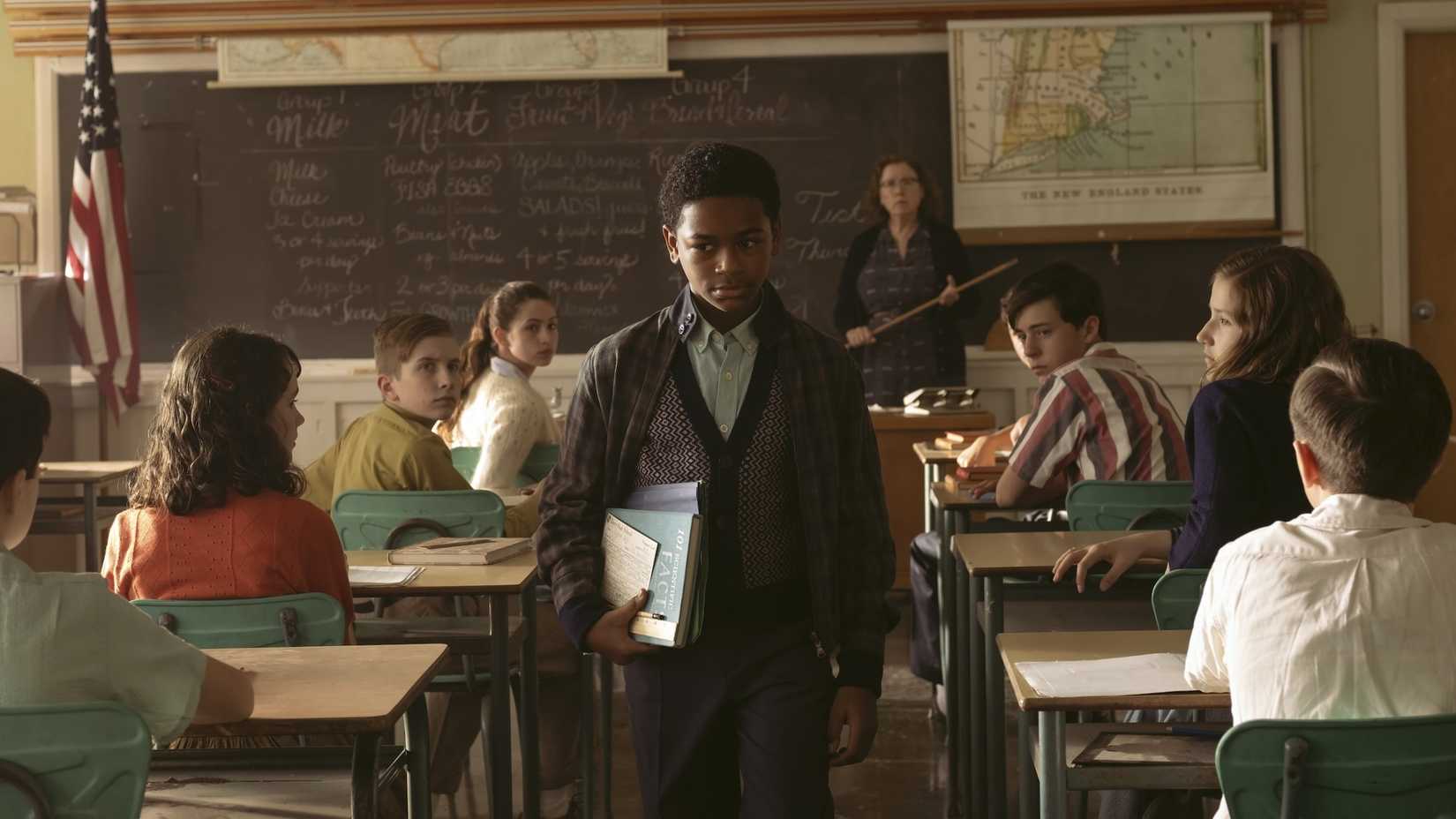
Creators Barbara and Andy Muschietti—who adapted the recent two-part film—anchor the series on the Hanlon family’s arrival. Leroy is stationed near Derry, and the story intersects with characters like Dick Hallorann (Chris Chalk), tying the series into a broader horror lineage. Charlotte’s background as an activist, and her habit of challenging injustice, makes her particularly attuned to the town’s hidden rot; when Will starts to experience alarming, otherworldly events, the Hanlons refuse to dismiss his fear.
“We hate that trope,” Barbara Muschietti told Polygon, criticizing the familiar cinematic reflex to dismiss children’s warnings. “We hate the reluctance to believe the kids.”
“I think there’s normal reluctance, because it’s also the ’60s, but we tried to speed up through that process, which is so frustrating for audiences,” Andy Muschietti added, explaining the choice to accelerate the adults’ acceptance.
Where many horror stories rely on dismissive adults, Welcome to Derry sidesteps easy clichés by entwining social realities—particularly systemic racism—with supernatural dread, sometimes implying the town’s human cruelties helped give rise to deeper evils.
“There is a sensibility that I can attribute to the sensitivity of the times,” Andy observed. “A family in that culture, at that time, probably faced a lot of adversity. That creates a very tight bond, despite their differences.”
That internal tension is essential to the narrative: Charlotte’s activist instincts compel her to investigate, while Leroy’s military caution urges restraint. Their differing outlooks create a textured family dynamic that propels the story forward.
“There’s a bit of a fracture of worldview within that family that is important,” Andy noted. “Yet still, they stick together against adversity.”
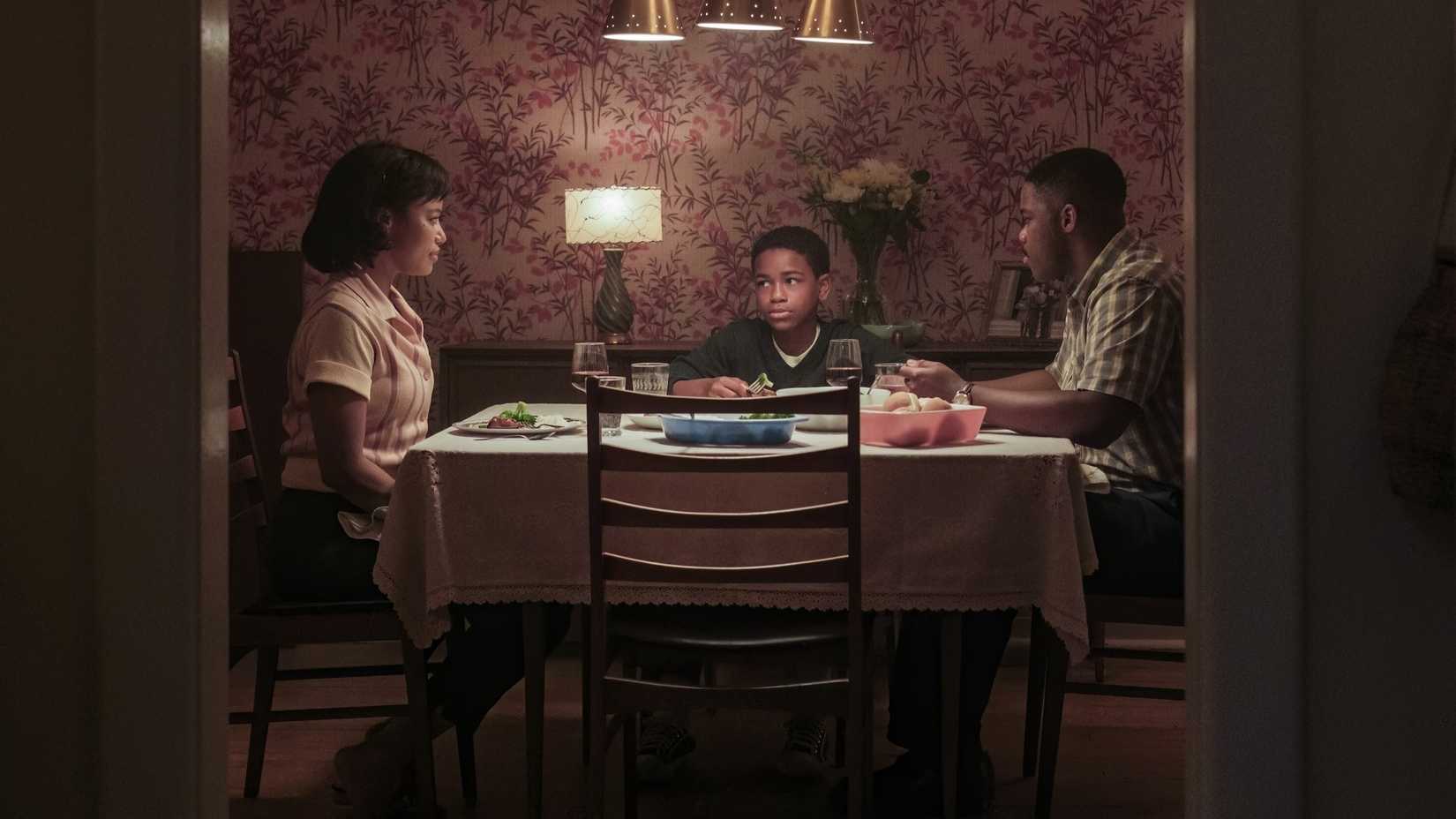
Taylour Paige and Jovan Adepo bring nuance to Charlotte and Leroy, conveying a household whose closeness explains why the adults so readily heed Will’s warnings. “Is it because they’re Black?” Paige asks rhetorically, then answers: the lived experience of not being heard gives them an empathy that makes them take a child’s urgency seriously.
Adepo notes that the Muschiettis intentionally avoid overusing the gaslighting trope. “Andy and Barbara are just way too smart not to continue that trope if it’s not necessary,” he says. “They’re making an edgier choice of letting the parents get in on the juiciness as well.”
Source: Polygon
Related articles
 Zach Cregger Will Not Direct Franchises After “Resident Evil”
 The Rolling Stones to Receive a Biopic
 Robert Pattinson Responds to Chris Hansen’s Complaints About the Movie “Primetime”
 Ryan Reynolds’ “Mayday” receives positive reviews from critics
 Michael Keaton to Direct Western Starring Morgan Freeman
 “Daddy’s Daughters” wedding sequel to be released in 2027
 Halle Berry and Colin Firth to Star in New Rom-Com
 Netflix Begins Filming New Dan Brown Adaptation