
Vince Gilligan reflects on his 30-year-old X-Files episode “Pusher” and its connection to Breaking Bad

“Cerulean blue.”
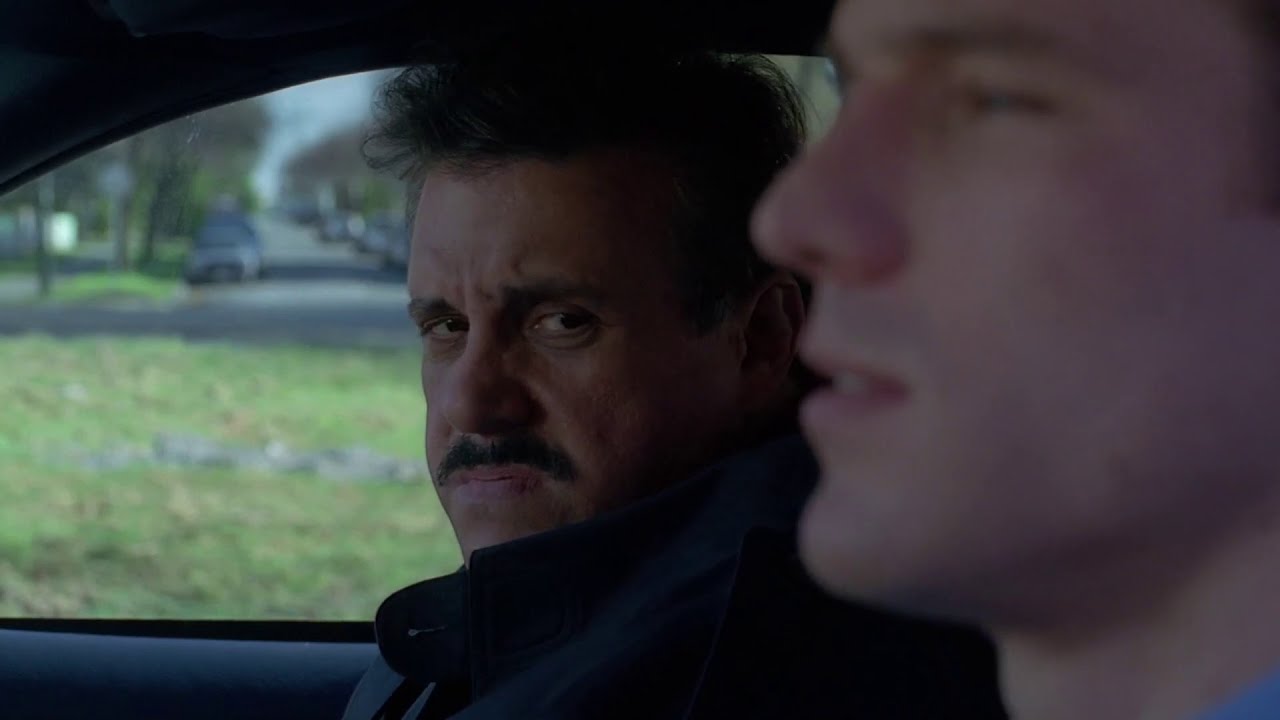
This hypnotic mantra is intoned by the cold-blooded Robert Patrick Modell—infamously known as “Pusher”—while he sits handcuffed in the rear of a cruiser. In one of the most haunting sequences in The X-Files history, Modell weaves a verbal spell, equating the color to a gentle, tranquil breeze. The psychological suggestion takes hold of the driver, who remains in a catatonic daze until he steers directly into the path of a massive blue semi-truck, a fatal collision that facilitates Modell’s cold-blooded escape.
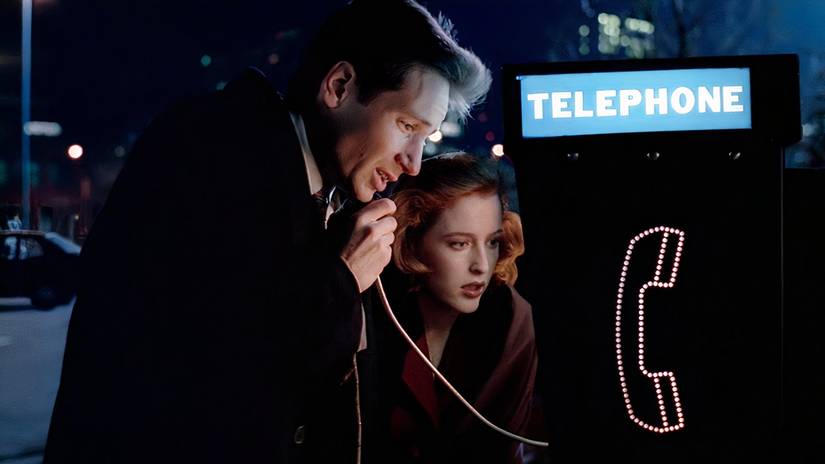
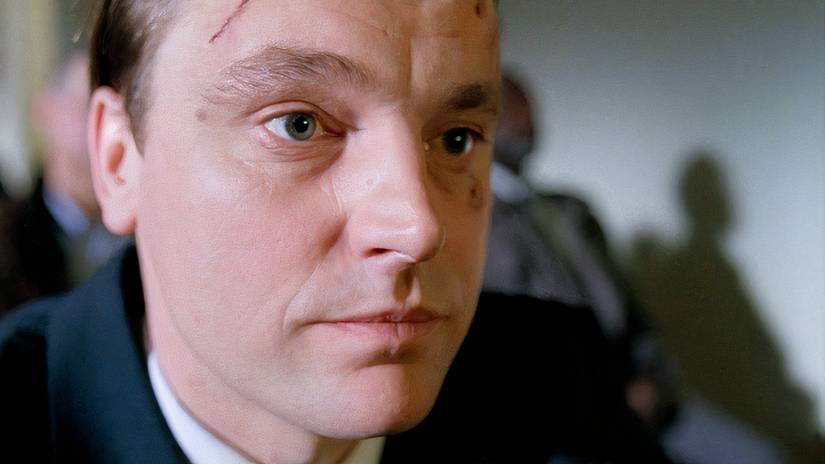
So begins “Pusher,” a standout entry from the show’s third season that remains a perennial favorite among devotees and critics. As a quintessential “Monster-of-the-Week” installment, the story centers on Modell (portrayed with chilling nuance by Robert Wisden), a mundane retail clerk who discovers he can mentally dominate others, often coercing them into self-destruction. Agents Fox Mulder (David Duchovny) and Dana Scully (Gillian Anderson) find themselves ensnared in a sophisticated psychological duel as they attempt to recapture a man who can kill with a mere suggestion.
The script was penned by Vince Gilligan, the visionary behind Breaking Bad and Better Call Saul. Remarkably, this was only Gilligan’s second television credit. To mark the episode’s 30th anniversary, Polygon sat down with Gilligan to reminisce about the production, his early career anxieties, and the intriguing parallels fans have drawn between Modell and Walter White.
Polygon: “Pusher” marked a pivotal moment in your early career. What served as the primary catalyst for this story?
Vince Gilligan: Beyond the creative spark, I was largely fueled by a deep-seated fear of professional failure. I had recently relocated from Virginia to Los Angeles for the job, only to be sidelined by a severe case of mononucleosis for six weeks. I was terrified Chris Carter would view me as a liability. Thankfully, he was incredibly patient.
The concept itself stemmed from a fascination with the sheer power of human will. I wondered what would happen if someone could bypass the barriers of consent and simply impose their desires on others. Decades later, the title feels almost prophetic—back then he was a “Pusher,” but in today’s digital climate, we’d likely call him a lethal “Influencer.”
There’s a legendary anecdote that you told Chris Carter this script was your definitive peak. Is there truth to that, and does that sentiment hold up?
Vince Gilligan: I did say that, though I waited until after it aired. It was a classic case of youthful shortsightedness. I was so immensely proud of the final product that I told Chris, “This is the best I can do for you.” His response was a masterclass in leadership; he told me quite soberly that he hoped I was wrong, because the essence of the job is to strive for growth with every subsequent script. He was right, of course. I didn’t yet realize how much I still had to learn or how many stories were left to tell.
Robert Wisden’s performance is often cited as one of the series’ best. What are your recollections of working with him?
Vince Gilligan: He was exceptional. Robert brought an incredible intensity to the role of Robert Patrick Modell. Fun fact: I gave the character my brother’s middle name, Patrick, because every memorable villain needs a three-part name—it gives them that Lee Harvey Oswald weight. Robert captured the character’s mundane exterior and terrifying inner power perfectly.
Were you heavily involved on-site during the filming in Vancouver?
Vince Gilligan: Yes, and that was one of the greatest gifts Chris Carter gave his writers. He insisted we be present on set to collaborate with the directors and actors. Working with director Rob Bowman was an education in itself. I remember asking how he planned to capture the truck collision. He used a clever mirror trick—placing a mirror at a 45-degree angle in the road so the stunt driver could smash through it while the camera stayed safely out of harm’s way.
It reinforced the idea that television is fundamentally a collaborative art form. A writer provides the blueprint, but the actors, the composer Mark Snow, the production designers, and the cinematographers are the ones who elevate it into something truly special.
Many fans view Modell as a thematic precursor to Walter White—a marginalized man who gains terrifying agency following a terminal diagnosis. Was this a conscious evolution for you?
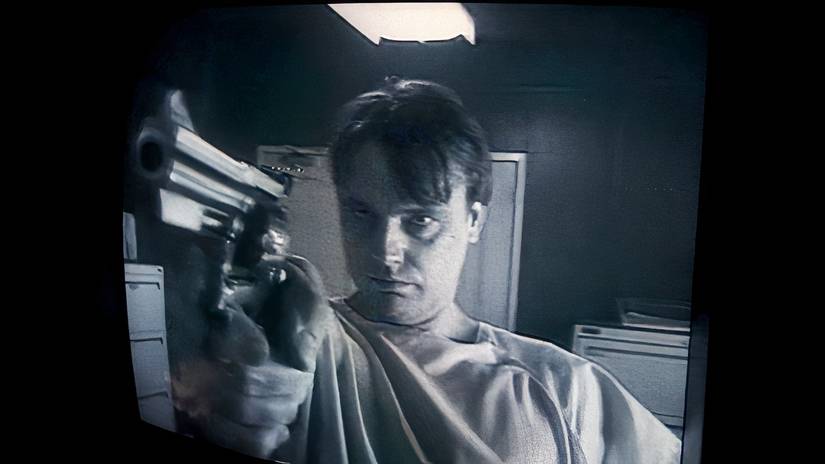
Vince Gilligan: I’m usually the last person to connect the dots in my own work! But when fans pointed it out, the logic became undeniable. Both characters are essentially underdogs who find a dark sense of empowerment in the face of their own mortality. While we meet Walter White before his transformation, with Modell, we primarily see the man he has become—someone who has finally seized control of a world that previously overlooked him. It’s a compelling archetype that I seem naturally drawn to.
The X-Files is currently available to stream on Hulu, Disney+, and Pluto TV.
Source: Polygon
Related articles
 Xbox COO Helen Chiang leaves Microsoft after 21 years
 Pixel Body Horror Game Look Outside Is Coming to Consoles
 New Details Emerge About Marvel’s Zodiac Series, Featuring Spies Against People With Superpowers
 Fallout Day 2026: All the Major Announcements from Bethesda’s Fan Event
 Need for Speed: Underground 2 Ported to Android
 Necromunda Tabletop Team Shares Plans for 2027
 Director Peter Berg Says Call of Duty Movie Won’t Be a Mindless Action Film
 Takopi’s Original Sin Compilation Film Gets New Trailer Ahead of November 27 Japan Release