Update: July 26, 2008
Addons
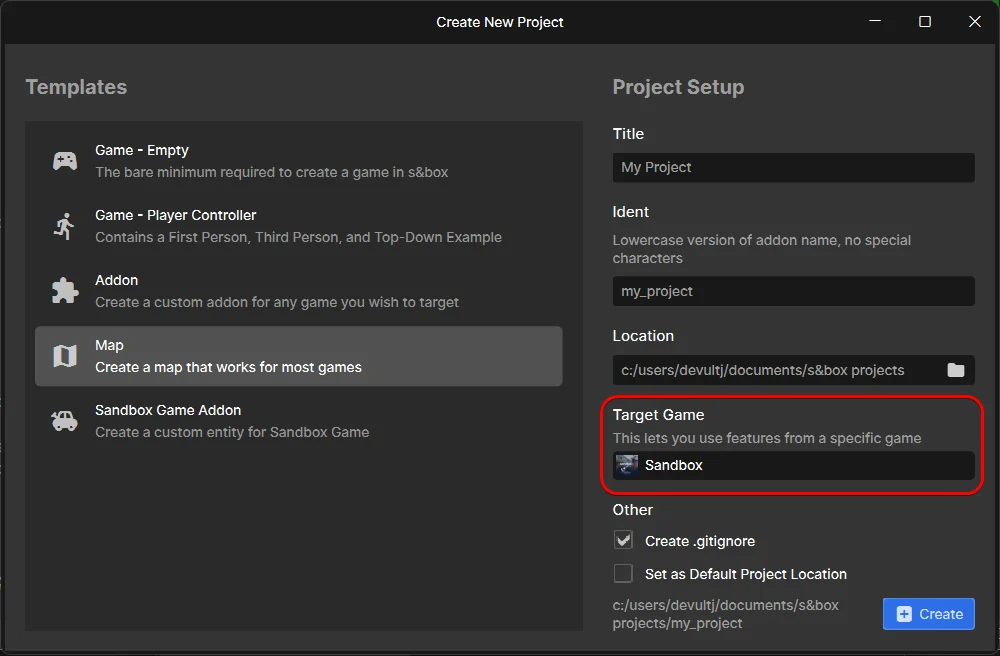
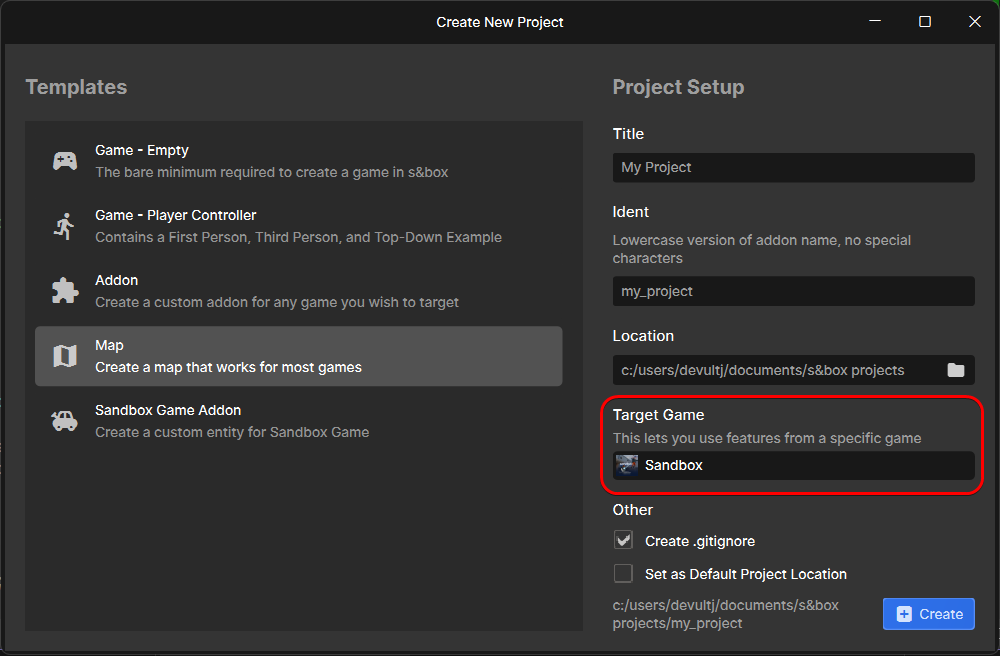
Previously, publishing assets to the workshop was limited to custom components and code, leaving you unable to leverage the game’s native engine systems. This week, we introduced support for addons to target specific games. By setting the “Target/Parent Game” field in your Project Settings, you can now tap into core game functionality. We are excited to see how this expands the potential for community-driven content, particularly for the Sandbox Game in the weeks ahead.
MCP Server
The s&box editor now features an MCP server, allowing tools like Claude to interface directly with your development environment. This isn’t about shoehorning an intrusive AI chatbot into the editor; it remains entirely unobtrusive unless you are actively leveraging AI to accelerate your workflow. We see this as a powerful utility to bypass tedious, repetitive tasks.
What this handles:
- ✅ Troubleshooting compilation errors in models.
- ✅ Diagnosing and resolving broken paths within your prefabs.
- ✅ Batch-replacing assets across a scene (e.g., swapping tree models).
- ✅ Automating descriptive titles for published assets in specific folders.
- ✅ Detecting and reporting issues with scene lighting.
What this isn’t:
- ❌ Automatically generating complete, complex games.
- ❌ Creating custom 3D models from scratch.
- ❌ Generating pixel art assets for your characters.
Bloom Improvements
Our bloom effect was previously prone to becoming overblown, making it difficult to dial in the perfect look. We have reworked the threshold parameter to function as an intuitive, precise control. We also resolved an underlying issue where light intensity would accumulate exponentially down the mip chain.
The new threshold now respects eye adaptation, ensuring consistent bloom behavior when moving between dark and bright environments. This should make balancing your lighting significantly more straightforward.
The Deck
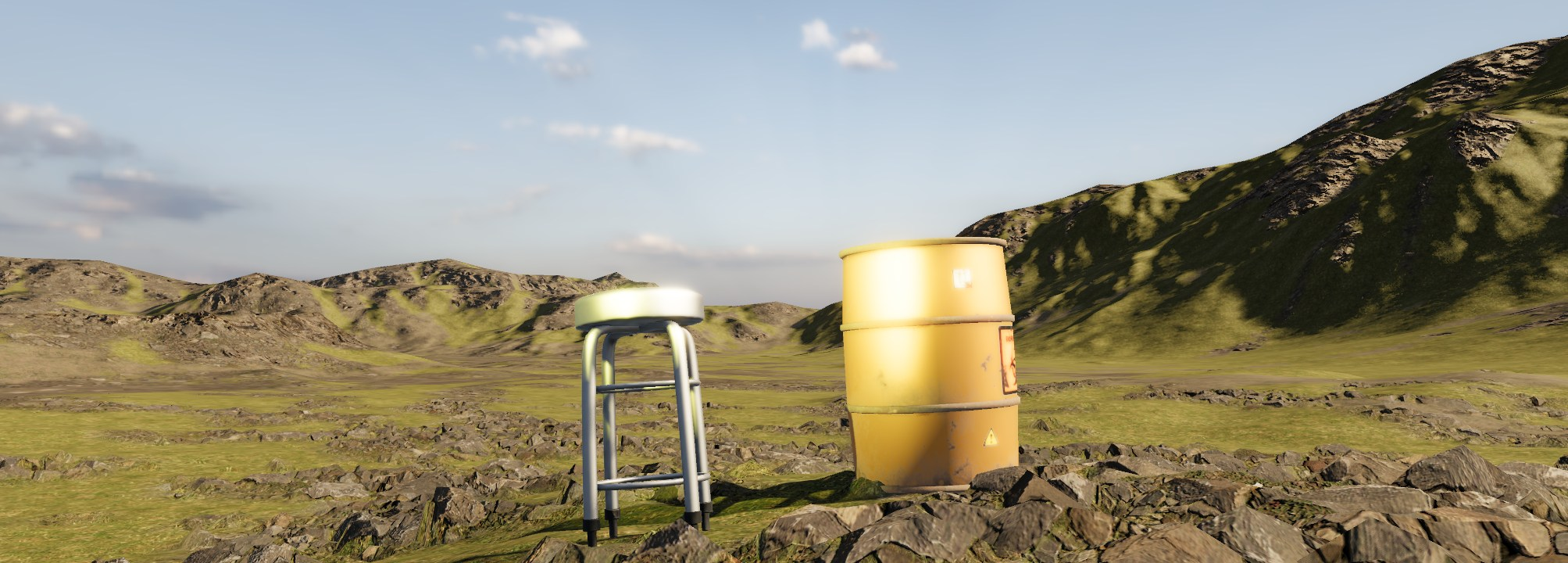
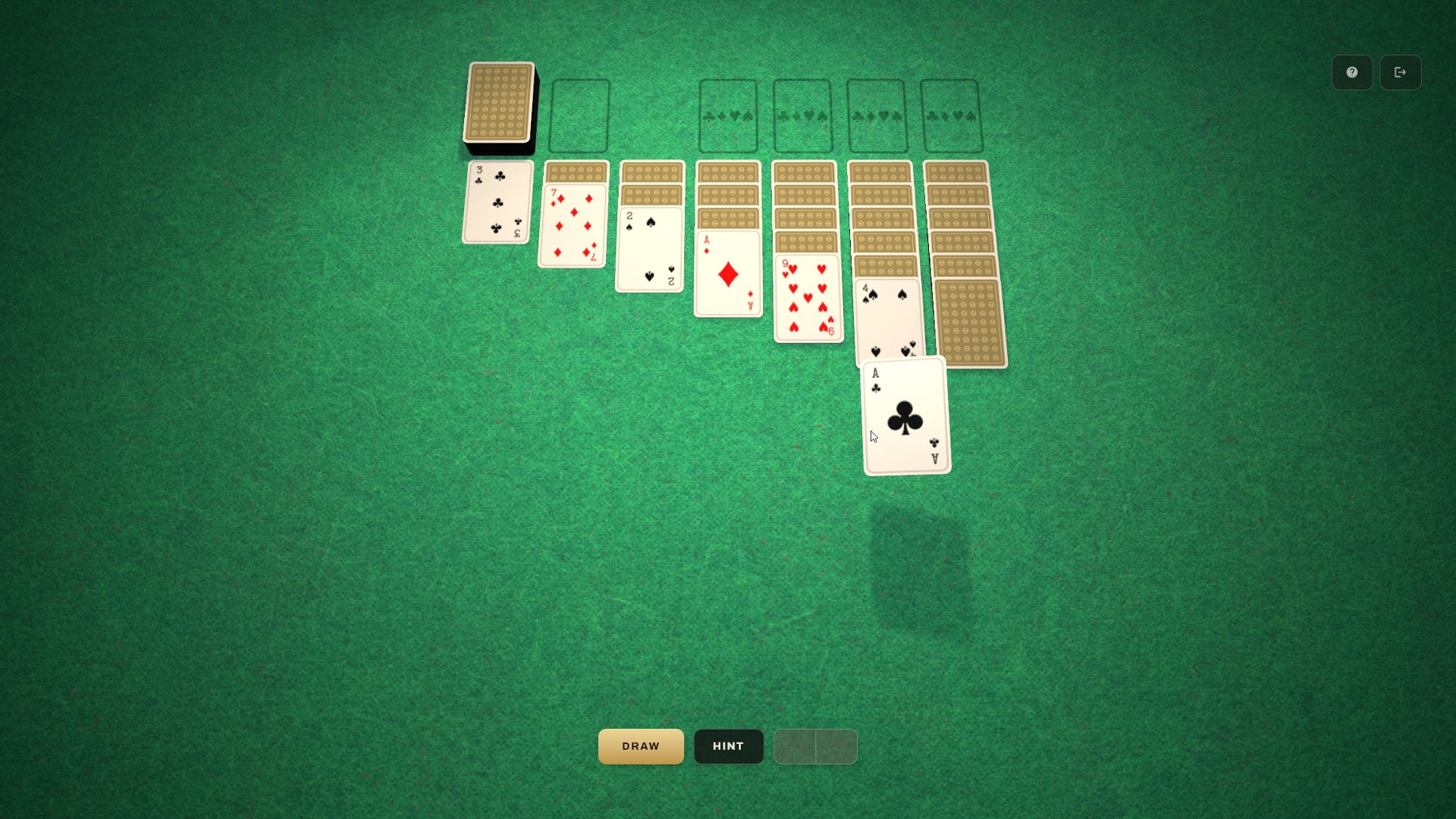
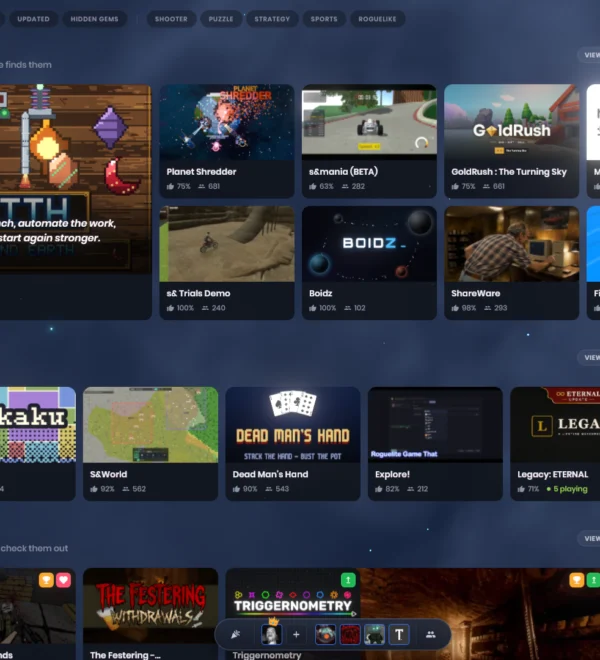
We are rolling out a new collection of card games designed for both solo play and multiplayer sessions. These games utilize the latest addon system capabilities, allowing you to submit your own card and board game creations for the community to enjoy.
Breakout
Alongside The Deck, we are launching a modernized take on the classic arcade experience. Featuring three distinct modes—Classic, Arcade, and Weekly Challenge—each comes complete with its own leaderboard and unique gameplay mechanics.
Viewport Orientation Gizmo
We have added an Orientation Gizmo to the top-right corner of the Viewport, allowing you to fluidly toggle between 2D and orthographic views along any axis. We’ve also slightly adjusted the View Options button to accommodate this new widget.
Fur Shader Rewrite

Our native fur shader has been completely overhauled. While the visuals remain identical, the underlying code was modernized to replace outdated Shadergraph implementations. This improves maintainability and serves as a cleaner reference for the community.
- Refined UI groups for better organization in the Material Editor.
- Corrected sRGB color space issues for fur noise and normal maps.
- Optimized texture packing: consolidated from 6 separate textures down to 3.
- Replaced runtime simplex noise with efficient blue noise sampling for wind displacement.
- Streamlined mathematical operations and added support for sRGB-to-linear vertex color conversion.
- Added an option to toggle between transformed and geometric normals for rim lighting.
Matt also introduced FeatureUpgrade, a utility that allows for safe updates to sensitive shader code without breaking existing materials. Documentation for this can be found here, with examples available in the fur shader source.
Mapping Improvements
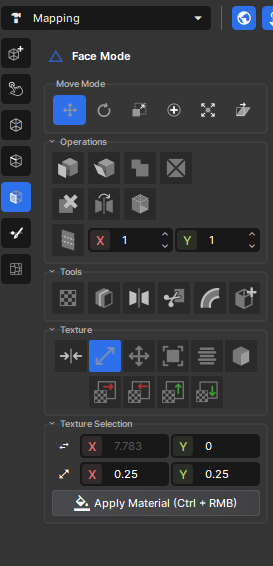
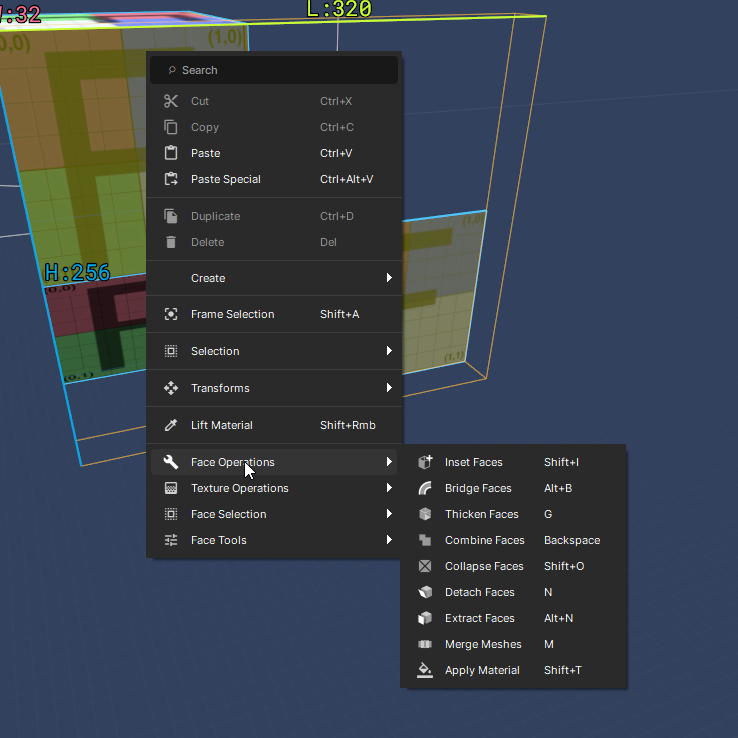
We’ve introduced support for texture locking and updated our mapping tool icons. The new icon set replaces generic Material Icons with purpose-built visuals, reducing confusion and improving workflow efficiency at a glance.
Clutter GPU Culling
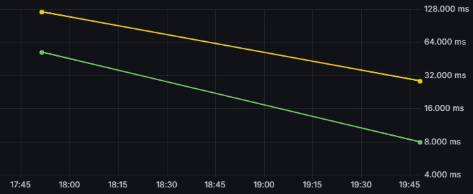
The clutter renderer has received a significant performance overhaul. By shifting LOD selection and culling to the GPU, we have drastically improved efficiency when handling large quantities of scattered objects. In our benchmarks, this optimization reduced render times from 60ms to just 8ms. This performance boost now applies universally to all clutter types, whether painted, procedural, or volume-based.
GPU Profiler Enhancements
The GPU profiler is now more accurate, with timing issues resolved by cleaning up thread-split work. We’ve added a hierarchical view that nests command lists under their parent stages, making it much easier to pinpoint performance bottlenecks.
Native Inventory and Weapons
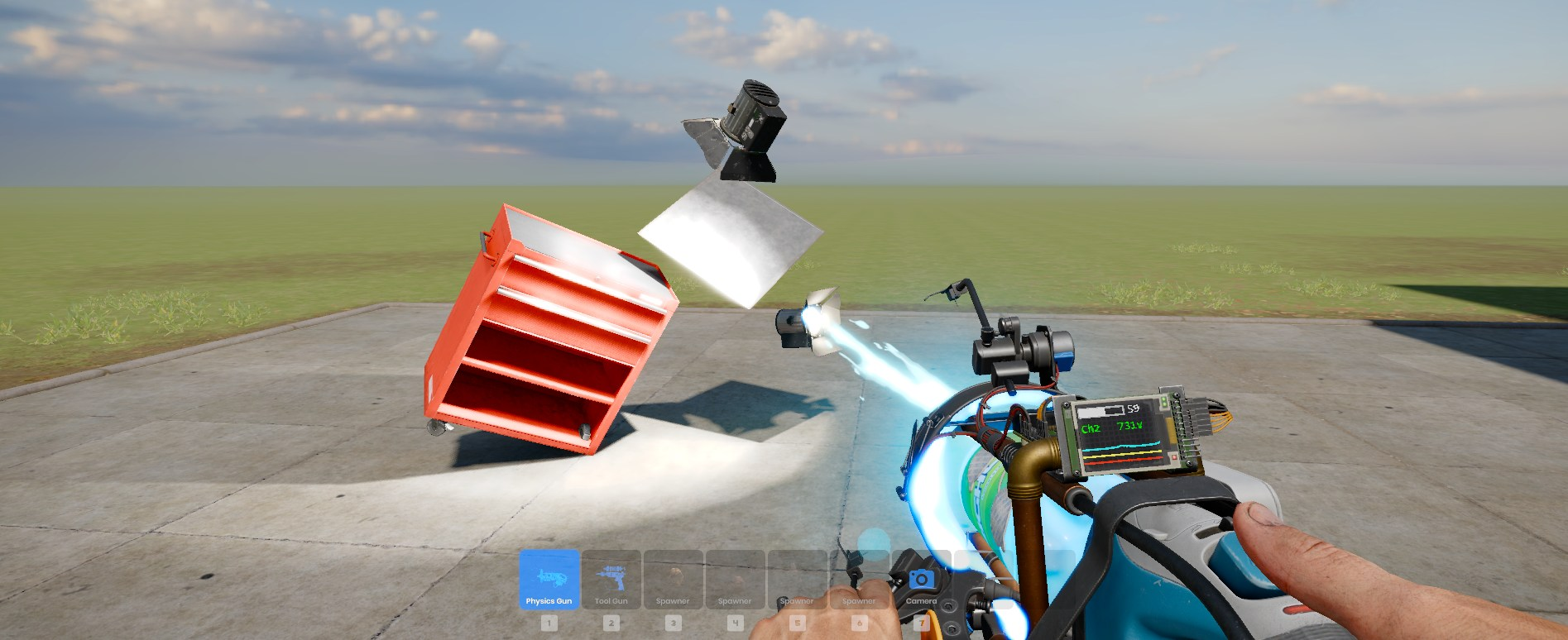
We are introducing a native inventory and weapon framework to simplify game development. This system provides a robust foundation for shooters, including support for muzzle flashes, impact effects, bullet tracers, and shell ejection. The system is designed for flexibility—you can use the base components as-is or derive from InventoryComponent and BaseWeapon to tailor the behavior to your specific needs.
Contact Shadows
To provide high-fidelity shadow detail without the performance cost of massive shadow maps, we have implemented screen-space Contact Shadows. These shadows fill in gaps and discontinuities left by traditional shadow maps, allowing for incredibly fine detail at a negligible cost (0.00006s on an RTX 3080). This also provides beautiful viewmodel shadows automatically.
Overlay Prepass Stencils
We’ve improved how viewmodels interact with geometry. Previously, clipping through walls could cause visual glitches where screen-space effects would draw over the model. By implementing stencil masks, viewmodels are now rendered correctly even when intersecting geometry, ensuring proper compositing of depth and normal-based effects.
Static GameObjects
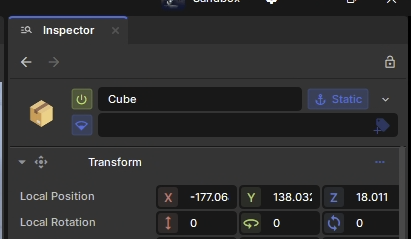
You can now mark GameObjects as “Static.” This tells the engine that the object will not move at runtime, enabling optimizations for lighting, occlusion, and navigation. This is a vital step toward our upcoming implementation of Static Shadow Caching.
 Rethinking
 Neck and Neck
 Update 26.09.15
 Update 26.09.08
 Update 26.09.01
 Update: August 26, 2019
 Update 26.08.05