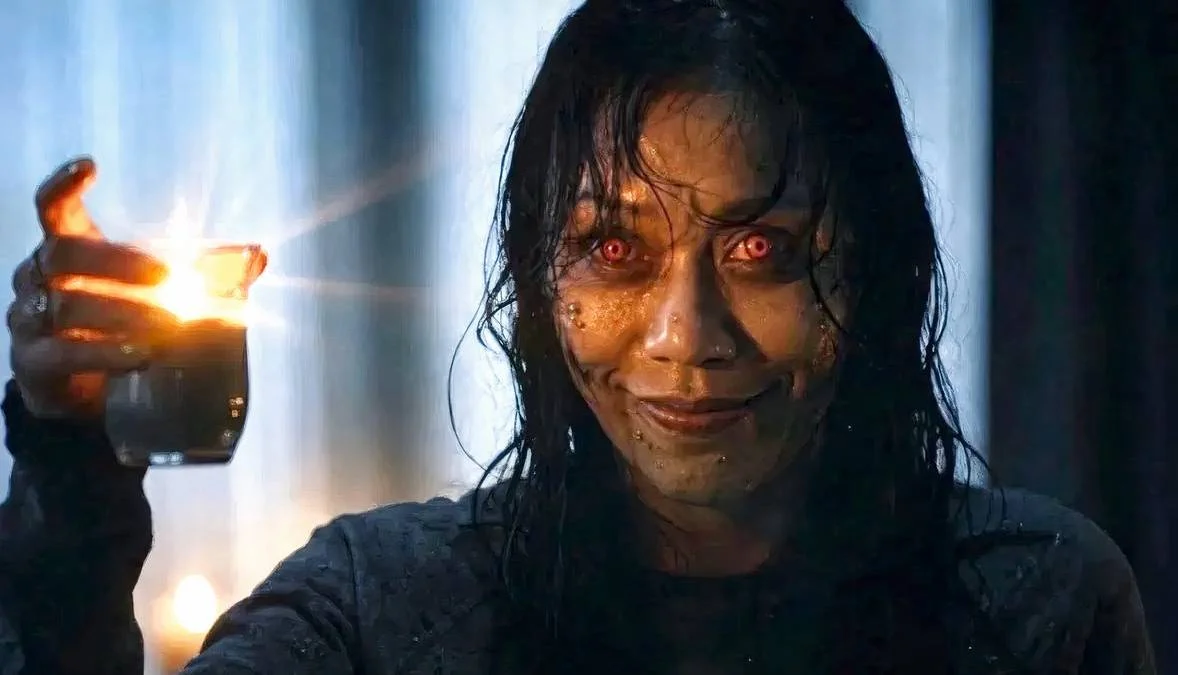
Evil Dead Rise Has All the Gore You Could Want—But It’s Missing Evil Dead’s Magic
The Evil Dead saga has always balanced on a razor’s edge between slapstick absurdity and bone-chilling horror. From the franchise’s origins—remember that malevolent, autonomous severed hand?—to the recent entries that trade camp for visceral, soul-crushing trauma, the series covers a vast spectrum. In Evil Dead Burn, director Sébastien Vaniček attempts to synthesize these disparate tones into one cohesive experience. Unfortunately, the ambition outweighs the execution, and the film struggles to find its footing.
While 2023’s Evil Dead Rise successfully traded the iconic woodland cabin for the claustrophobic tension of a high-rise apartment, it maintained the 2013 remake’s penchant for grim drama and relentless gore. It elevated the series, grounding the supernatural terror in genuine emotional stakes.
Evil Dead Burn, opening in theaters this Friday, functions as a standalone chapter that nonetheless anchors itself firmly within the established canon. The story centers on Alice (Souheila Yacoub), a widow reeling from the recent loss of her husband. She retreats to a decaying, remote estate with her late partner’s estranged family. As old wounds and fresh grief collide, the atmosphere grows toxic—setting the perfect stage for the inevitable arrival of the Deadites.
For his English-language debut, Vaniček—who co-wrote the script with Florent Bernard—brings the same socially conscious sensibilities he displayed in his previous hit, Infested. While Infested cleverly wove themes of xenophobia into its arachnid-fueled nightmare, Evil Dead Burn is more focused on the friction of domestic trauma. The tension between Alice and her in-laws (played by Tandi Wright and Erroll Shand) is palpable, hinting at a darker history that the family is desperate to keep buried. The supporting ensemble, featuring Hunter Doohan, Luciane Buchanan, and Maude Davey, rounds out a household that feels fractured long before the demonic influence takes hold.
The pacing is a significant hurdle; the film takes quite a while to ignite. It opens with a prologue featuring two unsuspecting fishermen and a Deadite encounter—a clear nod to the connective tissue of Evil Dead Rise. While the gore is inventive and technically proficient, the setup feels disconnected from the protagonist, making the inciting incident feel more like a forced narrative necessity than a natural progression of horror.
Vaniček’s desire to innovate is clear, particularly in his attempt to move away from the “incantation-as-trigger” trope. However, by making the curse a hereditary plague, the stakes feel somewhat arbitrary rather than earned. Consequently, the characters—who should be the emotional heart of the film—frequently feel like little more than fodder for the next gruesome set piece.
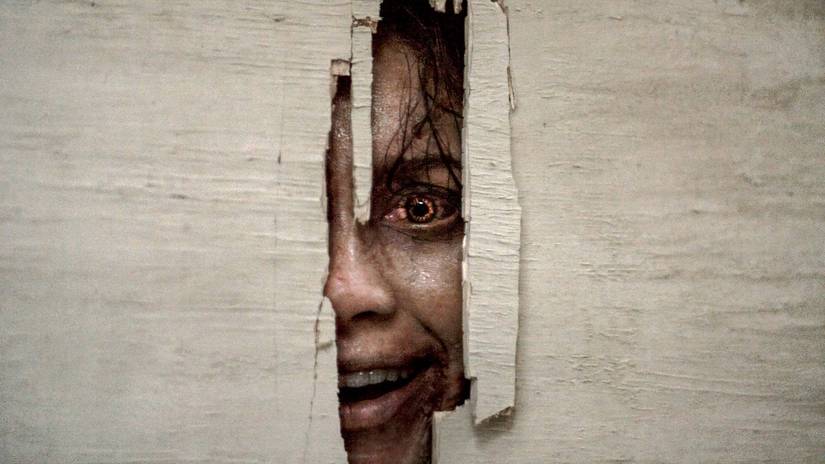
Technically, however, the film is a triumph of kinetic energy. The camera glides through the sets with a predatory intensity, and Vaniček delivers several masterful sequences—including a dizzying overhead shot and an immersive long take—that breathe new life into the franchise’s visual vocabulary. The sound design is equally brutal, utilizing sharp, organic foley work that is guaranteed to make audiences squirm.
Ultimately, the Evil Dead series is versatile enough to embrace everything from high-concept dread to schlocky, blood-soaked fun. But for that cocktail to intoxicate, the tonal consistency must be absolute. Evil Dead Burn hurls an impressive amount of carnage at the screen, hoping it all coalesces into something meaningful. It wants us to laugh, to wince, and to weep for Alice’s plight—but it never quite manages to balance these disparate elements, leaving us with a disjointed, if visually striking, experience.
Evil Dead Burn arrives in theaters on July 10.
Source: Polygon
Related articles
 Total War: Warhammer 40,000 Previews Allow Players to Create and Paint Custom Space Marine Chapters
 GTA VI Characters May Gain Weight and Look Tired Without Proper Care
 Warhammer 40,000: Boltgun II Gets New Trailer With Release Date
 Hackers Claim GTA VI Is Still Far from Completion
 Xbox Head Dodges Question on Whether Project Helix Will Have a Disc Drive
 CD Projekt RED Confirms Diablo IV and The Witcher 3 Collaboration
 Dispatch to Get Physical Release on Discs and Cartridges with Bonuses
 Developers Explain Why Marvel’s Wolverine Had to Be Rebuilt Almost from Scratch